Have you ever walked into a room only to find your cat has pooped outside the litter box? It’s frustrating, confusing, and sometimes even a little gross.
But why does your cat do this? Understanding the reasons behind this behavior can help you fix the problem quickly and keep your home clean. You’ll discover the common causes and easy solutions to get your cat back on track.
Keep reading—you’ll soon know exactly what to do when your furry friend skips the litter box.
Common Reasons Cats Avoid Litter Box
Cats sometimes avoid their litter box for many reasons. Understanding why helps solve the problem quickly. Cats are clean animals and prefer certain conditions for their bathroom habits. When those needs are not met, they might choose other spots. Here are common reasons cats avoid the litter box.
Medical Issues
Health problems can cause cats to poop outside the box. Urinary tract infections, constipation, or digestive problems make using the box painful. Cats might avoid the litter box to escape discomfort. A vet visit can identify medical causes and provide treatment.
Litter Box Cleanliness
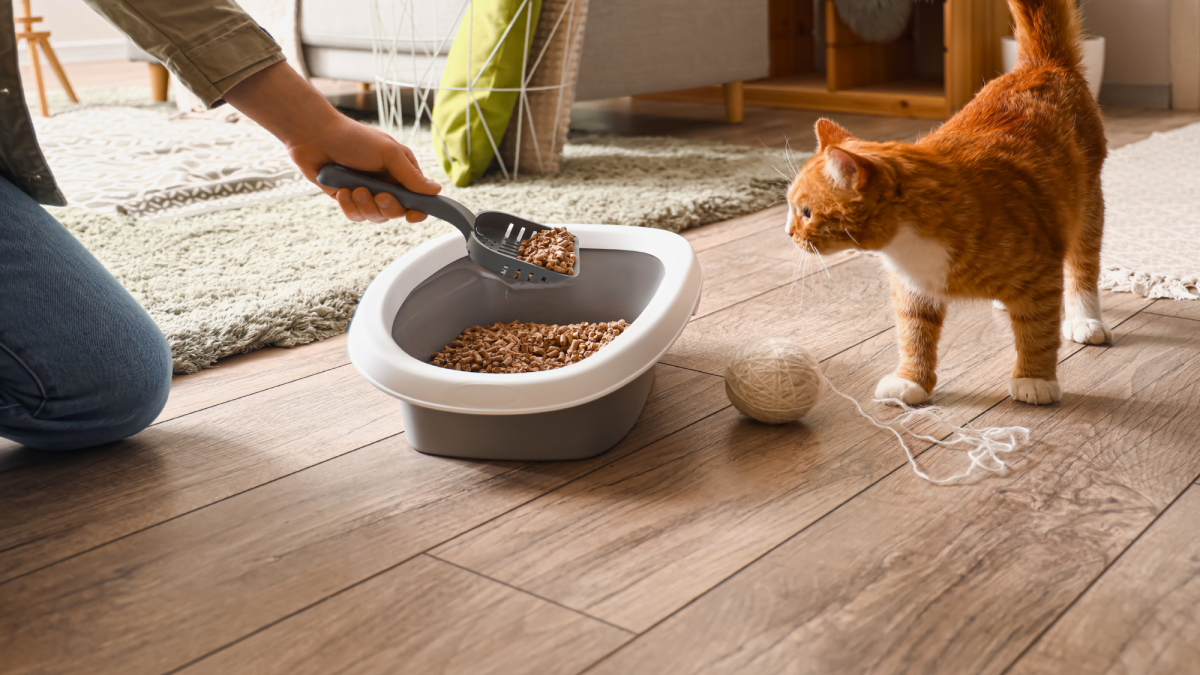
Cats dislike dirty litter boxes. If the box is not cleaned daily, they may refuse to use it. Smelly or clumpy litter can turn cats away. Keeping the box fresh encourages cats to use it consistently.
Type Of Litter
Some cats prefer certain litter textures or scents. Rough or scented litter may irritate their paws or nose. Unscented, soft, and clumping litter often works best. Trying different litter types can find the right fit for your cat.
Box Location
Placement matters to cats. A litter box near loud noises, busy areas, or far from their food can cause avoidance. Cats like quiet, private spots for bathroom needs. Moving the box to a calm and accessible place helps.
Stress And Anxiety
Stress from new pets, changes in routine, or loud noises affects cats. Anxiety can lead to litter box avoidance as a coping behavior. Creating a calm environment and reducing stress helps cats feel safe and use the box.
Credit: pethelpful.com
Health Problems Affecting Bathroom Habits
When your cat suddenly starts pooping outside the litter box, it’s easy to assume it’s just a behavioral issue. But health problems often play a bigger role than you might think. Understanding how medical issues affect your cat’s bathroom habits can help you act quickly and get your furry friend the care they need.
Urinary Tract Infections
Urinary tract infections (UTIs) are a common cause of litter box avoidance. They cause pain and urgency, making your cat associate the litter box with discomfort.
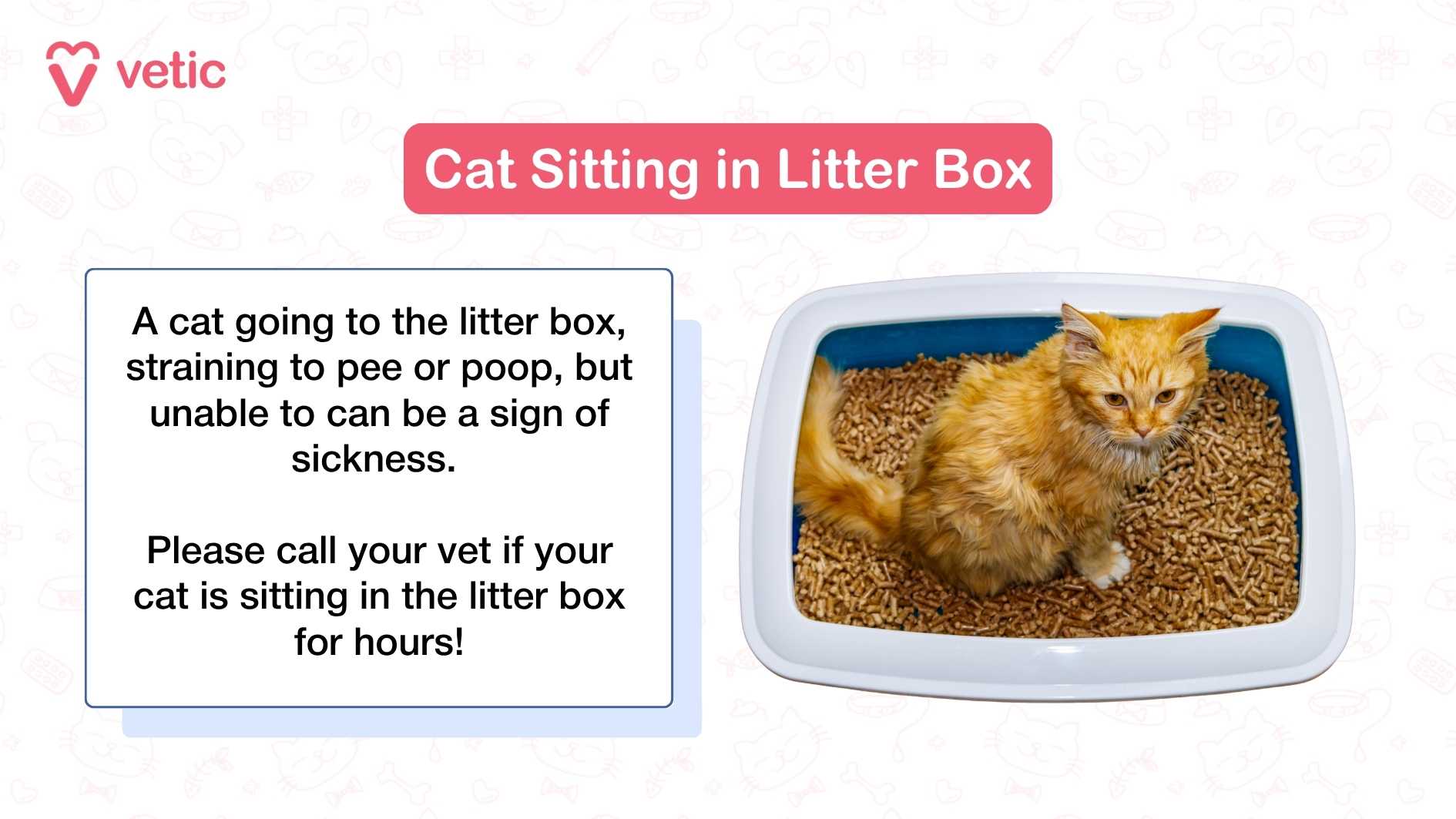
You might notice your cat going to the box frequently but producing little urine, or even vocalizing in pain. This can lead to accidents outside the box simply because your cat is trying to avoid the pain linked to the litter box area.
If your cat suddenly changes bathroom habits, ask yourself: could they be experiencing pain? A vet visit for a quick urine test can confirm if a UTI is the issue.
Digestive Disorders
Digestive problems can disrupt your cat’s bathroom routine as well. Conditions like constipation, diarrhea, or inflammatory bowel disease make it uncomfortable or urgent for your cat to poop.
Your cat might not reach the litter box in time or avoid it altogether if it hurts to sit or squat there. Watch for signs like straining, changes in stool consistency, or frequent trips to the litter box without results.
Have you noticed your cat’s stool looking different? That’s a key clue pointing to digestive discomfort affecting where they choose to go.
Pain And Discomfort
Beyond infections and digestion, general pain can cause your cat to avoid the litter box. Arthritis or injuries can make jumping into or sitting in the box painful.
Imagine your cat hesitating before entering the box or choosing a softer surface outside it. This behavior often signals discomfort rather than rebellion.
Try observing your cat’s movement and posture. Could pain be the hidden reason behind their sudden litter box issues?
Litter Box Setup Mistakes
Setting up the perfect litter box environment for your cat is crucial for ensuring they do their business where they should. Mistakes in this setup can lead to your cat pooping outside the litter box, a frustrating issue for any cat owner. Understanding and correcting these mistakes can make all the difference.
Wrong Box Size Or Type
A common mistake is choosing the wrong size or type of litter box. Cats need space to move around comfortably, and a box that’s too small can make them feel cramped. This might lead them to find alternative spots that offer more room.
Consider your cat’s size and preferences. If you have a large cat, opt for an open, spacious box rather than a covered one. Covered boxes might trap odors, making them less appealing to your feline friend.
Insufficient Number Of Boxes
Another mistake is having too few litter boxes. The general rule is one box per cat plus one extra. This ensures that each cat has access when they need it, reducing the likelihood of accidents.
Think about your home’s layout. If you live in a multi-story house, place a box on each level. This minimizes the distance your cat has to travel when nature calls.
Dirty Or Smelly Litter
Cats are clean animals, and a dirty box can be a major deterrent. If the litter box isn’t cleaned regularly, your cat may seek out cleaner areas to relieve themselves.
Make it a habit to scoop daily and change the litter regularly. Also, experiment with different types of litter if your cat seems unhappy with their current one. Sometimes, a simple change in litter texture or scent can make all the difference.
Is your cat trying to tell you something with their litter box habits? By addressing these common setup mistakes, you can create a more inviting space for your furry friend. How will you adjust your litter box setup today to ensure a happy and clean home?

Credit: www.aol.com
Environmental And Behavioral Triggers
Understanding why your cat might be pooping outside the litter box often requires looking at the environment and their behavior. Changes around your home or how your cat feels about their space can cause them to act differently. These triggers are subtle but powerful signals that something in their world is off.
Changes In Household
Have you recently moved, added a new pet, or rearranged furniture? Cats are creatures of habit and may feel unsettled by even small changes. This discomfort can lead them to avoid their litter box as a way to express stress or confusion.
Think about the timing of your cat’s accidents. Did they start after a family member left or a new pet arrived? Addressing these changes by giving your cat extra attention or creating calm spaces can help them feel secure again.
Territorial Marking
Sometimes, cats poop outside the litter box to mark their territory. This behavior is more common if there are other cats nearby or if your cat feels their space is threatened. It’s their way of saying, “This is mine.”
Have you noticed your cat staring out windows at neighbors’ pets or rubbing against furniture? These actions often accompany territorial marking. To reduce this, try providing more vertical spaces and personal areas where your cat can feel in control.
Negative Experiences
If your cat had a bad experience with the litter box, like a sudden loud noise or discomfort from a dirty box, they might avoid it. Negative associations can make your cat choose an alternative spot to feel safe.
Ask yourself if the litter box is clean, placed in a quiet spot, and easy to access. Sometimes, simply changing the type of litter or cleaning routine can make your cat more comfortable. Have you considered how your cat’s past experiences might be shaping their current behavior?
Solutions To Encourage Proper Litter Use
Getting your cat to use the litter box consistently can feel like a puzzle. Luckily, there are clear steps you can take to encourage proper litter use. These solutions focus on making the litter box appealing and stress-free for your cat.
Regular Cleaning Routine
Keeping the litter box clean is crucial. Cats are very sensitive to odors and dirt, so scoop out waste daily and wash the box with mild soap weekly. Imagine walking into a restroom that hasn’t been cleaned for days—your cat feels the same way.
If you notice your cat avoiding the box, start by checking how clean it is. A fresh litter box can make all the difference in encouraging your cat to use it regularly.
Choosing The Right Litter
Not all litters are created equal. Cats often prefer fine-grained, unscented clumping litter because it feels softer on their paws. Some cats dislike strong scents or textures, so try different types to see what your cat prefers.
Have you noticed your cat digging less or avoiding the box after you switched the litter brand? That’s a good sign to switch back or try another type until you find the perfect match.
Creating A Calm Space
Your cat needs a quiet, private spot for their litter box. Avoid placing it near loud appliances or high-traffic areas. Cats want to feel safe while they do their business, so choose a calm corner where they won’t be disturbed.
If your home is noisy or busy, consider adding a second litter box in a peaceful area. Sometimes, a calm environment can be the key to fixing litter box issues.
Consulting A Veterinarian
Sometimes, litter box problems signal health issues like urinary tract infections or digestive problems. If your cat suddenly stops using the box, a vet visit is essential to rule out medical causes.
Don’t wait until the problem worsens. Early diagnosis can save your cat discomfort and prevent behavioral issues related to pain or illness.
Credit: vetic.in
Frequently Asked Questions
Why Do Cats Avoid Their Litter Box Sometimes?
Cats may avoid the litter box due to stress, illness, or dirty litter. Changes in environment or box location can also cause this behavior. Ensuring a clean, quiet, and accessible litter box helps encourage proper use.
Can Medical Issues Cause Cats To Poop Outside Litter?
Yes, medical issues like urinary tract infections or constipation can cause this behavior. Pain or discomfort may make cats avoid the litter box. A vet checkup is important to rule out health problems.
How Does Litter Box Cleanliness Affect Cat Behavior?
Cats prefer a clean litter box. Dirty or smelly litter boxes often lead to accidents outside the box. Regular scooping and changing of litter promote good litter box habits and prevent unwanted pooping.
Does Litter Box Size Impact A Cat’s Usage?
Yes, a litter box that’s too small can discourage use. Cats need enough space to turn and dig comfortably. Choosing a larger box helps ensure your cat uses it consistently.
Conclusion
Cats pooping outside the litter box can feel frustrating. Stress, health, or litter box problems often cause this behavior. Watch your cat closely for changes or signs of illness. Keep the litter box clean and in a quiet place. Try different litter types to find your cat’s favorite.
Patience and care help solve this common issue. Your cat will feel more comfortable and safe soon. Understanding your pet’s needs improves your bond every day.

Leave a Reply