Grooming your cat can be a challenge, especially if your furry friend doesn’t like being handled. But holding your cat the right way makes grooming easier and less stressful for both of you.
If you want to keep your cat clean and healthy without the struggle, learning how to hold your cat properly is key. You’ll discover simple, effective tips to make grooming time calm and comfortable. Keep reading to find out how you can turn grooming into a peaceful routine your cat actually tolerates.
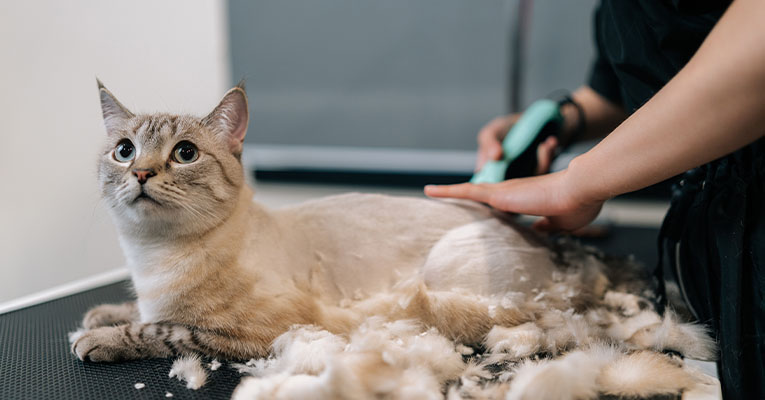
Credit: www.zoomzoomgroom.com
Preparing Your Cat
Preparing your cat before grooming helps make the process smooth and safe. Cats can feel nervous or scared if not ready. Taking time to prepare calms your cat and reduces stress. It also helps you hold your cat gently without trouble.
Choose The Right Time
Pick a moment when your cat is calm and relaxed. Avoid times after meals or when the cat is very active. Early morning or late evening often works well. Watch your cat’s behavior for signs of calmness. A sleepy or quiet cat is easier to handle.
Create A Calm Environment
Make the grooming area quiet and free from distractions. Turn off loud noises like TV or music. Use soft lighting to keep the space gentle on your cat’s eyes. Keep other pets away to avoid stress. Speak softly to soothe your cat during grooming.
Gather Necessary Supplies
Prepare all grooming tools before you start. Keep brushes, combs, nail clippers, and towels nearby. Having everything ready avoids leaving your cat alone. Use a non-slip mat to keep your cat steady. This prevents slipping and helps hold your cat safely.
Proper Holding Techniques
Holding your cat correctly during grooming is crucial to keep both you and your furry friend safe and comfortable. Proper holding techniques help reduce stress and make the grooming session smoother. Here’s how you can master these techniques to make grooming a positive experience for your cat.
Support The Body Securely
Always support your cat’s body firmly but gently. Use one hand to cradle the chest and the other to support the hind legs or abdomen.
This full-body support helps your cat feel safe and prevents sudden movements. I found that when I securely support my cat, she relaxes and trusts the process more.
Use Gentle Restraint
Apply just enough pressure to keep your cat steady without causing discomfort. Avoid tight grips that can frighten or hurt your pet.
Try holding your cat close to your body to limit their movement naturally. Have you noticed how calm your cat gets when they feel your steady touch?
Avoid Sensitive Areas
Steer clear of touching the belly or paws unless your cat is comfortable with it. These spots are often sensitive and can trigger defensive reactions.
Focus on areas like the head, neck, and back for initial grooming sessions. This respectful approach encourages your cat to cooperate and reduces anxiety during grooming.
Reducing Stress During Grooming
Grooming your cat can sometimes be a stressful experience for both you and your furry friend. Reducing that stress is key to making grooming a calm and positive routine. When your cat feels safe and relaxed, grooming becomes easier and even enjoyable.
Use Soothing Voice And Touch
Speak to your cat in a soft, gentle voice throughout the grooming session. Your calm tone helps your cat stay relaxed and reassured.
Combine this with slow, gentle strokes using your hand or the grooming tool. Avoid sudden movements, which can startle your cat and increase anxiety.
Have you noticed how your cat’s purring often starts when you speak softly? That’s a clear sign they feel safe with you.
Incorporate Short Sessions
Keep grooming sessions brief—just a few minutes at a time. Long sessions can overwhelm your cat and make them resist future grooming.
If your cat starts to squirm or looks uneasy, pause and try again later. Frequent, short sessions build positive associations.
Try breaking grooming into small steps like brushing a little, then giving a break. This approach worked wonders for my nervous cat, who now stays calm during grooming.
Offer Treats And Rewards
Use treats to reward your cat after grooming steps. This creates a positive link between grooming and something your cat enjoys.
Choose small, tasty treats that your cat loves and give them immediately after grooming. This timing makes the reward more effective.
Have you ever noticed your cat eagerly waiting for that treat after a quick brush? It’s proof that rewards can motivate cooperation.
Handling Difficult Cats
Handling difficult cats during grooming requires patience and care. Some cats resist being held or groomed. Understanding their behavior helps reduce stress for both you and your pet. Gentle handling can make grooming smoother and safer.
Recognize Signs Of Discomfort
Watch your cat’s body language closely. Signs like growling, hissing, or swatting mean discomfort. Dilated pupils and flattened ears show fear or stress. Tail flicking or trying to escape also indicate unease. Stop and give your cat time to calm down.
Employ Alternative Holding Methods
Try wrapping your cat in a soft towel or blanket. This method limits movement and keeps claws away. Use a calming voice and slow movements. Let your cat sit on a stable surface instead of holding it in the air. Use treats to reward calm behavior.
Seek Professional Assistance If Needed
Some cats need expert help for grooming. Professional groomers have tools and experience for difficult pets. Vets can also suggest safe ways to manage stress. Do not force grooming if your cat becomes aggressive. Safety comes first for both you and your cat.
Safety Tips For Groomers
Hold the cat gently but firmly to keep it calm during grooming. Support its body with one hand while using the other to groom safely. Keeping the cat secure helps prevent sudden movements and injuries.
Grooming a cat can be a delicate task. Safety is a priority for both the groomer and the cat. Understanding safety tips ensures a smooth grooming process. Here are some key safety tips to follow.Protect Against Scratches And Bites
Cats may scratch or bite when stressed. Wear long sleeves to protect your arms. Use grooming gloves for extra protection. These gloves can prevent scratches. Keep a towel nearby. It can act as a barrier between you and the cat. Always approach your cat calmly. A calm cat is less likely to scratch or bite.Maintain Control Without Hurting
Support your cat’s body gently. Hold them with one hand under the chest. Use the other hand to secure the back legs. Avoid holding too tightly. It can cause discomfort or stress. Speak softly to reassure your cat. This helps maintain their calmness. If the cat struggles, take a break. Resume grooming once the cat is calm again.Keep Grooming Tools Accessible
Organize your grooming tools within reach. This minimizes movement, keeping your cat calm. Use a grooming table if available. It provides a stable surface. Make sure tools are clean and ready. This ensures a quick, efficient grooming session. Check tools for any damage before use. Damaged tools can hurt the cat.
Credit: www.purina.com
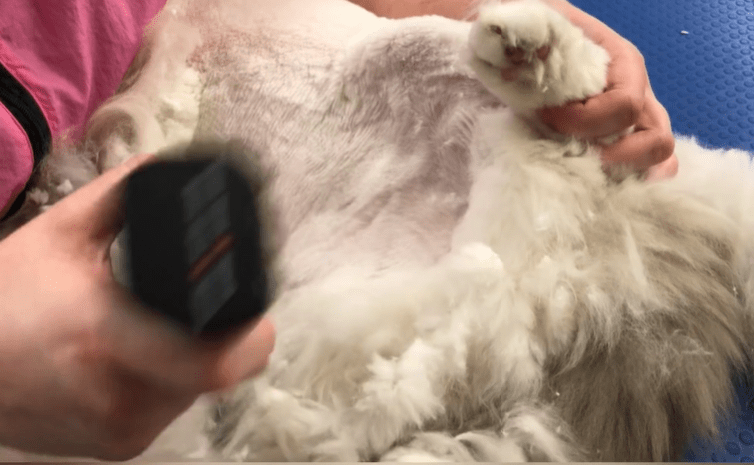
Credit: learncatgrooming.blog
Frequently Asked Questions
How Do I Safely Hold My Cat For Grooming?
To hold your cat safely, support its chest and hind legs firmly. Keep it calm by speaking softly and moving slowly. Avoid squeezing or holding too tightly, which can stress the cat and make grooming harder.
What Is The Best Position To Hold A Cat For Grooming?
Hold your cat on a flat surface or your lap. Cradle its body gently while keeping control of the head. This position helps keep your cat relaxed and allows easy access for grooming.
How Can I Keep My Cat Calm During Grooming?
Use a calm voice and gentle strokes to soothe your cat. Take breaks if it gets anxious. Offering treats during grooming can also help reduce stress and build positive associations.
When Should I Avoid Holding My Cat For Grooming?
Avoid grooming if your cat is aggressive, scared, or in pain. In such cases, wait until it calms down or seek professional grooming help to prevent injury.
Conclusion
Holding your cat gently helps make grooming easier for both. Stay calm and patient throughout the process. Use slow movements to keep your cat relaxed. Support your cat’s body securely but not tightly. Talk softly to build trust and reduce stress.
Practice often to help your cat get used to grooming. A calm hold leads to a happier grooming time. Enjoy caring for your pet with kindness and care.




Leave a Reply