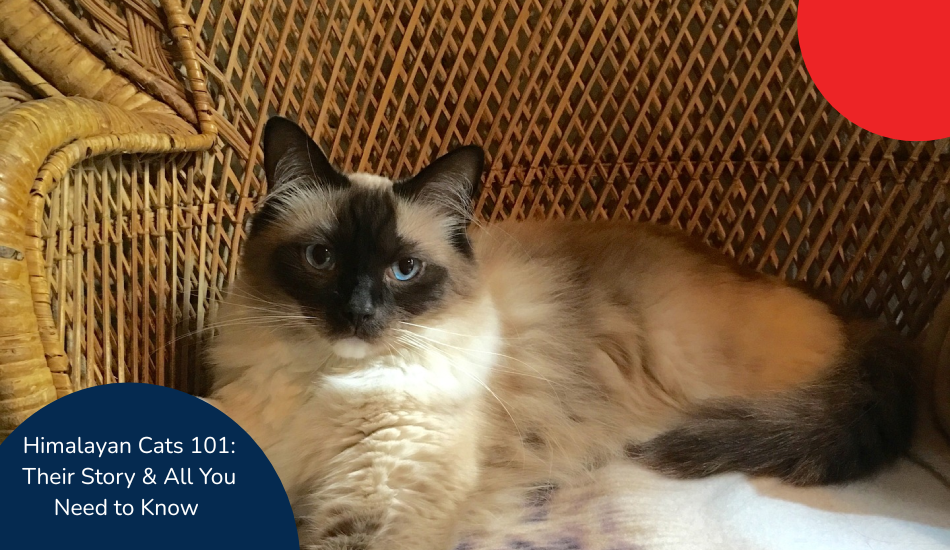
If you have a Himalayan cat, you know how beautiful and unique they are. But keeping their thick, silky fur looking its best takes a little effort.
Grooming your Himalayan isn’t just about keeping them clean—it helps prevent mats, reduces shedding, and keeps your cat comfortable and happy. In this guide, you’ll discover simple, effective tips to make grooming easy and enjoyable for both you and your furry friend.
Ready to learn how to keep your Himalayan cat looking stunning every day? Let’s get started!
Himalayan Cat Coat Basics
The Himalayan cat coat is one of its most striking features. It combines the softness of a Persian with the beautiful color points of a Siamese. This unique blend gives the Himalayan a long, thick, and silky fur that needs regular care. Understanding the basics of the Himalayan cat coat helps maintain its health and beauty.
Unique Fur Characteristics
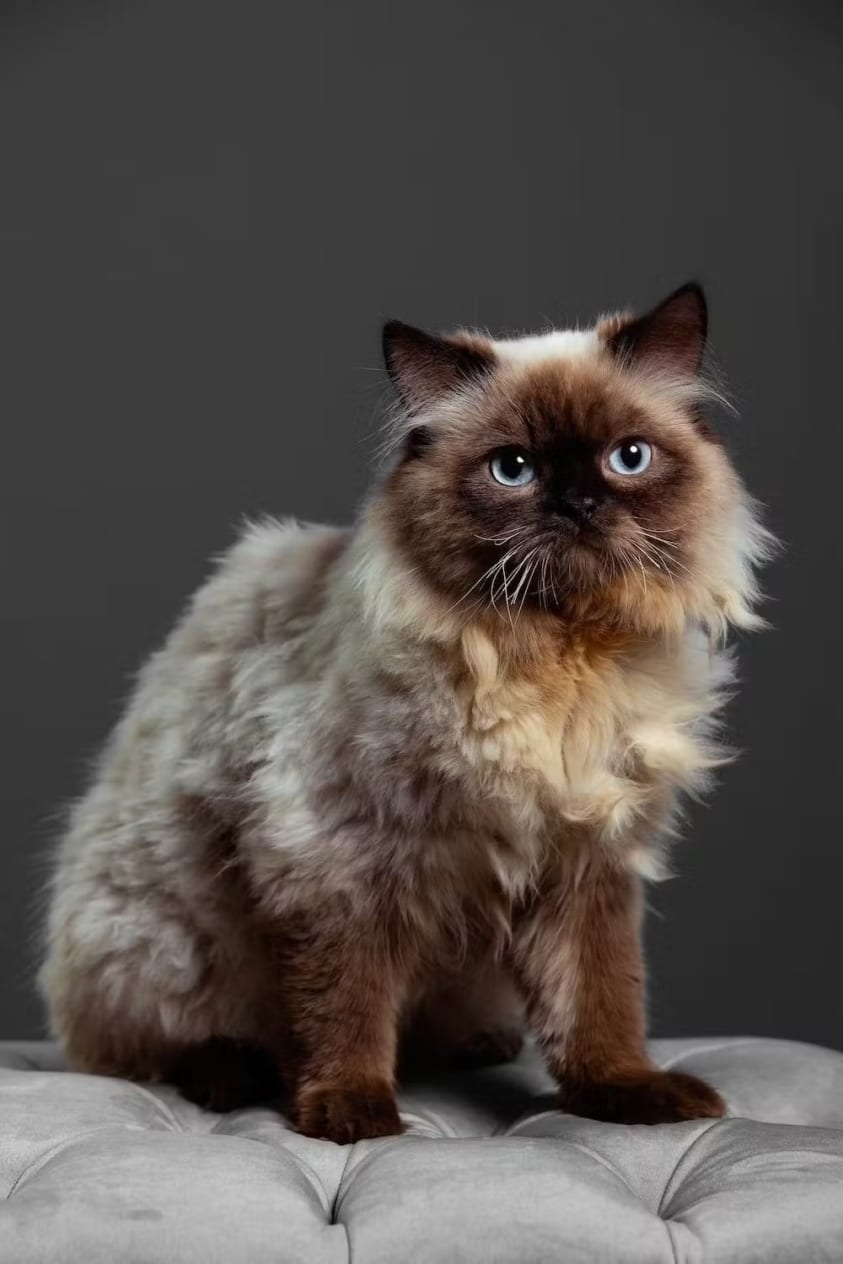
Himalayan cats have a double coat. The outer layer is long and fine. The undercoat is dense and soft. This combination keeps them warm and fluffy. Their fur has color points on the ears, face, paws, and tail. The color points are darker than the rest of the body. This pattern is due to a special gene affecting fur color.
Their coat feels smooth and silky to touch. The thick fur grows all year but sheds more during seasonal changes. Himalayan cats need gentle grooming to avoid tangles and mats. Their fur can look shiny and healthy with regular brushing.
Common Coat Issues
Himalayan cats can face coat problems without proper care. Tangled fur and mats are the most common issues. Mats form when fur gets wet or dirty and is not brushed. These can cause discomfort and skin irritation. Regular brushing helps prevent mats and keeps the coat soft.
Another issue is hairballs. Long fur can cause cats to swallow hair while grooming. Hairballs may lead to vomiting or digestive trouble. Feeding hairball control food and grooming often reduces this problem.
Skin infections or dryness may appear if the coat is not clean. Himalayan cats need baths occasionally to keep their skin healthy. Use cat-safe shampoos and avoid over-bathing.

Credit: www.petco.com
Essential Grooming Tools
Grooming your Himalayan cat is not just about keeping them clean; it’s about maintaining their health and comfort. The right tools make a huge difference in how effective and enjoyable the grooming process can be. Without proper equipment, you might miss tangles or irritate your cat’s sensitive skin.
Choosing The Right Brush
Himalayan cats have long, dense fur that can easily mat and tangle. A slicker brush works well to remove loose hair and prevent mats without pulling harshly. Look for one with fine, flexible wires to gently glide through your cat’s coat.
Some owners find a wide-toothed comb helpful for working through stubborn knots. You might want to keep both on hand to switch between them based on your cat’s fur condition. Have you noticed your cat prefers one tool over the other? Paying attention to their comfort can make grooming smoother.
Additional Grooming Supplies
- Dematting tool:Useful for breaking up tough tangles, but use it carefully to avoid hurting your cat.
- Cat-safe nail clippers:Himalayan cats often need their nails trimmed every couple of weeks to prevent scratches and damage.
- Grooming wipes:Perfect for quick cleanups between baths and to keep your cat’s face and paws fresh.
- Soft towels:Essential for drying your cat gently after baths without causing stress.
Having these supplies ready means you can handle grooming challenges calmly and efficiently. What grooming tools do you find most helpful in keeping your Himalayan comfortable? Sometimes, a small change in tools can improve your cat’s grooming experience dramatically.
Daily Grooming Routine
Maintaining a daily grooming routine for your Himalayan cat is essential to keep their luxurious coat healthy and shiny. This breed’s thick, long fur can easily become tangled or matted without regular care. By dedicating just a few minutes each day, you can prevent discomfort for your cat and reduce the risk of skin problems.
Brushing Techniques
Use a wide-toothed comb or a slicker brush to gently work through your cat’s fur. Start at the head and move toward the tail, brushing in the direction of hair growth. Pay special attention to areas like behind the ears and under the legs, where tangles often form.
Hold the skin gently to avoid pulling or hurting your cat. If your cat enjoys the grooming session, try brushing a little longer to create a bonding moment. You’ll notice your cat’s coat becoming softer and less prone to shedding over time.
Managing Mats And Tangles
Mats can be uncomfortable and even painful for your Himalayan cat, so it’s important to address them quickly. If you spot a tangle, start by gently loosening it with your fingers before using a comb. For tougher mats, use a dematting tool carefully to avoid skin irritation.
If a mat is too tight, don’t force it; instead, trim it carefully with blunt-nosed scissors or seek professional grooming help. Regular daily brushing can minimize the chance of mats forming, but being patient and gentle during removal is key. How often do you check your cat’s coat for hidden tangles?
Bathing Your Himalayan
Bathing your Himalayan cat is a key part of grooming. Their long, thick fur needs care to stay clean and healthy. Bathing helps remove dirt, loose hair, and oils that brushing alone cannot handle. It also keeps their coat shiny and reduces matting. Proper bathing makes your cat comfortable and happy.
Frequency And Preparation
Bath your Himalayan every 4 to 6 weeks. This keeps their coat fresh without drying the skin. Choose a warm, quiet place to bathe your cat. Gather all supplies first. You will need:
- Cat-friendly shampoo
- Large towel
- Brush or comb
- Non-slip mat
- Small cup or spray nozzle
Brush your cat gently before the bath. This removes loose fur and prevents tangles. Trim nails if needed to avoid scratches.
Safe Bathing Steps
Start with lukewarm water, about body temperature. Wet your cat slowly, avoiding the face. Apply shampoo and work it into the fur gently. Use your fingers to clean deeply but softly.
Rinse thoroughly to remove all shampoo. Leftover soap can irritate the skin. Use a cup or spray nozzle for gentle rinsing.
Dry your cat with a soft towel. Avoid rubbing hard; instead, pat dry. Keep your cat warm and calm after the bath. Use a hairdryer only on low, if your cat tolerates it.
Maintaining Coat Health
Grooming Himalayan cats involves regular brushing to prevent tangles and matting. Use a gentle brush to maintain their thick, long coat. Regular grooming helps keep their coat shiny and reduces shedding.
Maintaining the health of your Himalayan cat’s coat is crucial. Their long, luxurious fur requires special attention. Regular grooming ensures their coat remains shiny and healthy. It also helps prevent matting and reduces shedding. Here’s how to keep your Himalayan cat’s coat in top condition.Nutrition Tips For Shiny Fur
Proper nutrition plays a vital role in maintaining coat health. Ensure your Himalayan cat’s diet is rich in omega-3 and omega-6 fatty acids. These nutrients promote a glossy, healthy coat. Include high-quality protein sources like chicken or fish. They provide essential amino acids for fur growth. Avoid fillers and artificial additives in cat food. They can lead to dull fur and skin problems.Hydration And Skin Care
Hydration is key for a healthy coat. Ensure your cat has access to fresh water at all times. Dehydration can lead to dry skin and brittle fur. Consider using a pet-safe moisturizer for their skin. It helps keep their skin hydrated and prevents flakiness. Regularly check your cat’s skin for any signs of irritation or dryness. If you notice any issues, consult your veterinarian for advice.
Credit: www.youtube.com
Handling Shedding And Hairballs
Handling shedding and hairballs is a key part of grooming your Himalayan cat. Their long, dense fur tends to shed regularly, and if not managed well, it can lead to uncomfortable hairballs. Understanding how to reduce shedding and prevent hairballs helps keep your cat happy and your home cleaner.
Reducing Shedding Effectively
Regular brushing is your best tool to reduce shedding. Aim to brush your Himalayan cat at least three times a week using a slicker brush or a comb designed for long-haired cats. This removes loose fur before it falls around your house.
Feeding a balanced diet rich in omega-3 and omega-6 fatty acids supports healthy skin and fur. You might notice less shedding when your cat’s coat is nourished from within. Have you checked your cat’s diet lately to ensure it meets these needs?
During seasonal changes, increase grooming frequency to daily sessions. Shedding peaks in spring and fall, so staying ahead helps manage the fur overload. Keep a lint roller handy for quick cleanup—your clothes will thank you.
Preventing Hairball Problems
Hairballs form when your cat swallows loose fur while grooming itself. To prevent this, regular brushing is essential—it reduces the amount of fur your cat ingests. You can also add specialized hairball control cat food or supplements to their diet.
Providing plenty of fresh water encourages better digestion and helps move swallowed fur through the digestive tract. If your cat seems prone to hairballs, consider offering small amounts of canned pumpkin or a vet-approved hairball remedy to ease passage.
Watch for signs like frequent coughing or gagging, which can indicate hairball trouble. If these symptoms increase, it’s a good idea to consult your vet. Are you observing your cat’s habits closely enough to catch hairball issues early?
When To Seek Professional Help
Knowing when to seek professional help for grooming your Himalayan cat can save you and your pet a lot of stress. Some grooming tasks might seem manageable at first but can quickly become overwhelming or even risky. Recognizing the signs that you need expert assistance will keep your cat comfortable and healthy.
Recognizing Grooming Challenges
Is your cat showing signs of discomfort during brushing? Tangled mats, especially around the neck and hindquarters, can hurt your cat and are hard to remove without proper tools and experience.
If you notice skin redness, sores, or excessive hair loss, these could indicate underlying issues that need professional attention. Some cats become aggressive or fearful during grooming, making it unsafe for you to continue alone.
Have you tried grooming but your Himalayan resists or hides every time? This might be a sign that the stress is too high, and a groomer’s calm approach could help your cat feel safer.
Finding A Cat Groomer
Look for groomers who specialize in cats, not just dogs. Cats have delicate skin and specific needs that require gentle handling and specialized tools.
Ask for recommendations from your vet or local pet community. Reading reviews and visiting the salon beforehand can help you assess cleanliness and professionalism.
Discuss your cat’s temperament and grooming challenges with the groomer. A good groomer will offer tailored services and may provide tips for at-home care to make future sessions easier.
Have you considered the convenience factor? Regular visits might be easier to manage if the groomer is nearby and flexible with scheduling.
Credit: vogdog.com
Frequently Asked Questions
How Often Should I Groom My Himalayan Cat?
Groom your Himalayan cat daily to prevent matting and tangles. Their long fur needs regular brushing to stay healthy. Consistent grooming also reduces shedding and hairballs. Use a gentle brush designed for long-haired cats for best results.
What Tools Are Best For Grooming Himalayan Cats?
Use a wide-tooth comb and a soft-bristle brush for grooming. A stainless steel comb helps remove tangles and mats gently. Avoid harsh brushes that can irritate their sensitive skin. Regular nail trimming and ear cleaning are also essential.
How Do I Prevent Mats In My Himalayan Cat’s Fur?
Brush your Himalayan cat daily to prevent mats and tangles. Start grooming sessions early to get your cat comfortable. Pay special attention to behind the ears and under the legs. Regular grooming keeps their coat smooth and mat-free.
Can I Bathe My Himalayan Cat Regularly?
Yes, bathing your Himalayan cat once a month helps keep their coat clean. Use a mild cat shampoo designed for sensitive skin. Ensure thorough rinsing and drying to avoid skin irritation and cold. Regular baths reduce oil buildup and improve coat health.
Conclusion
Grooming your Himalayan cat keeps its coat healthy and shiny. Regular brushing prevents mats and reduces shedding. Clean their eyes and ears gently to avoid infections. Short, daily grooming sessions work best for your cat. This care builds trust and keeps your pet happy.
Remember, patience and consistency bring great results. Enjoy the bonding time with your furry friend. A well-groomed cat looks beautiful and feels comfortable. Keep these tips in mind for your Himalayan’s care.




Leave a Reply