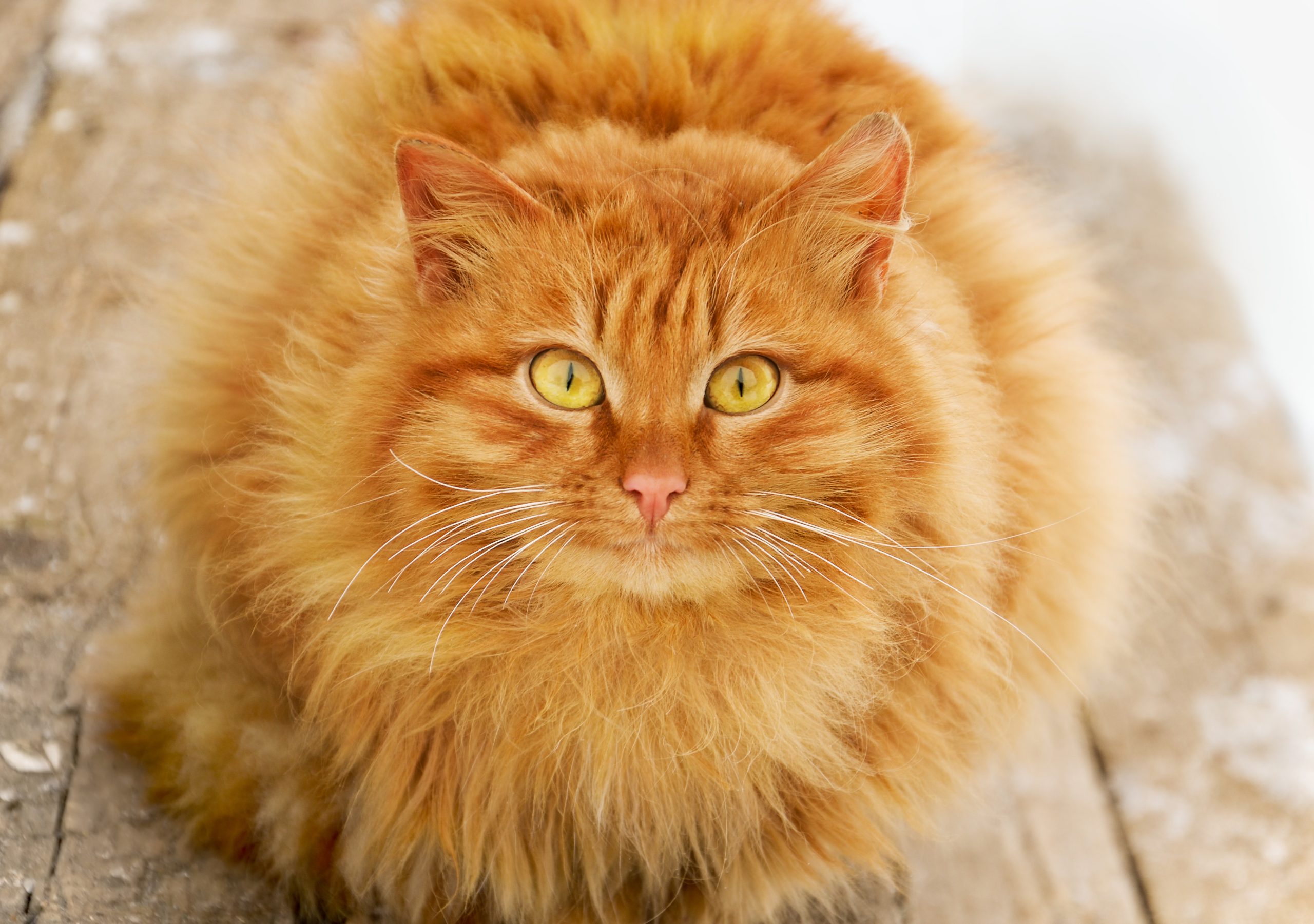
Is your cat spending too much time licking or biting their fur? Over grooming can cause bald spots, irritated skin, and even infections.
You want your furry friend to be happy and healthy, but it’s hard to know how to help when they won’t stop. The good news is, there are simple steps you can take to understand why your cat is over grooming and how to put an end to it.
Keep reading, and you’ll discover easy ways to bring comfort back to your cat’s life—and peace of mind to yours.
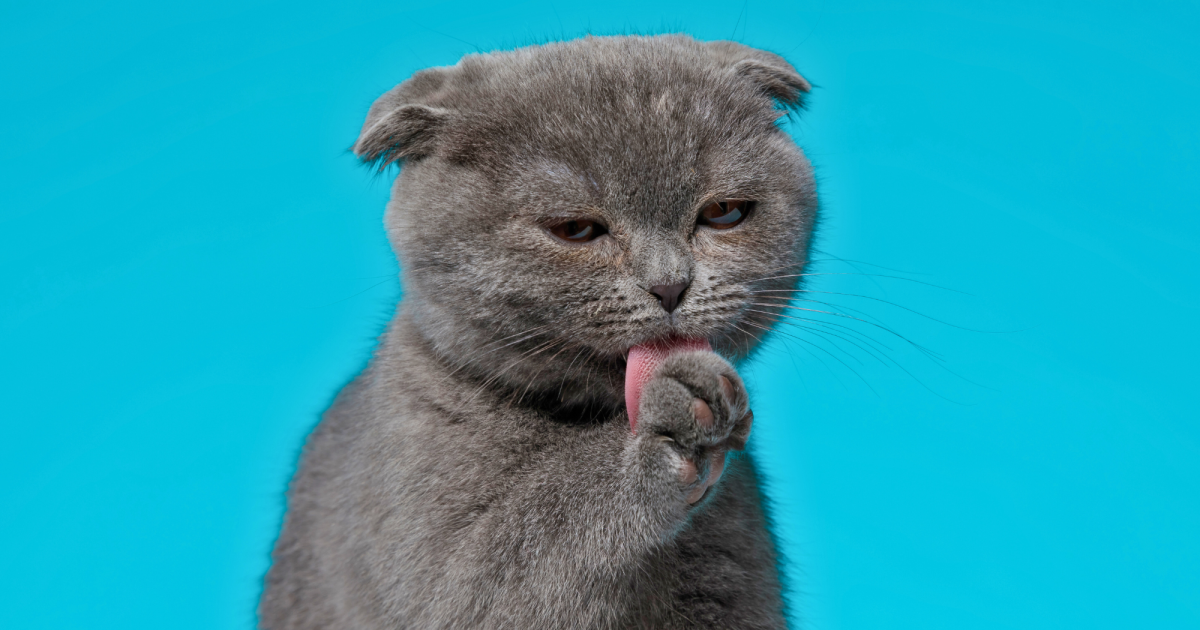
Credit: pethelpful.com
Causes Of Over Grooming
Understanding the causes of over grooming in cats is key to helping your furry friend feel comfortable again. Over grooming is often a sign that something deeper is bothering your cat, whether it’s physical discomfort or emotional stress. Identifying the root cause allows you to address the problem effectively and prevent further damage to your cat’s skin and coat.
Stress And Anxiety
Your cat might be over grooming as a way to cope with stress or anxiety. Changes in their environment, like moving to a new home or adding a new pet, can trigger this behavior. Have you noticed if your cat licks or bites more when you’re away or during loud noises? This repetitive grooming can become a habit that’s hard to break without reducing the stressors.
Skin Allergies
Skin allergies are a common cause of over grooming. Cats can be allergic to certain foods, cleaning products, or even pollen. If your cat is scratching and licking the same spot repeatedly, it might be reacting to an allergen. You can try switching to hypoallergenic food or checking if new household products coincide with the start of the over grooming.
Parasites And Infections
Parasites like fleas or mites can cause intense itching, leading your cat to over groom. Even if you don’t see fleas, a few can cause significant discomfort. Bacterial or fungal infections might also be the culprit, especially if there are bald patches or sores. Regular vet checks and flea prevention treatments can stop this cycle before it worsens.
Medical Conditions
Sometimes, over grooming points to underlying medical issues such as arthritis or thyroid problems. Pain or discomfort can make your cat lick certain areas more than usual. If the over grooming is sudden or severe, a vet visit is essential to rule out these health conditions and find a treatment plan that helps your cat feel better.

Credit: brooklynpetspa.com
Signs To Watch For
Spotting the signs of over grooming in your cat early helps prevent serious problems. Cats often hide discomfort well, so watch closely for small changes. These signs show your cat may be stressed or have an underlying health issue.
Bald Patches And Sores
Bald patches appear when your cat licks or scratches too much. These areas can look red, raw, or scabby. Sores may develop if the skin breaks from constant licking. Check your cat’s fur and skin regularly for these spots.
Excessive Licking Habits
Notice if your cat licks the same spot repeatedly for long periods. This behavior goes beyond normal grooming. It may cause hair loss or skin irritation. Pay attention to how often and how long your cat licks.
Behavioral Changes
Your cat might seem restless or more anxious than usual. Some cats hide or avoid contact with people. Others may show aggression or vocalize more. These changes can signal discomfort linked to over grooming.
Environmental Adjustments
Adjusting your cat’s environment can play a key role in reducing over grooming. Cats often groom excessively due to stress, boredom, or changes in their surroundings. By making thoughtful changes around your home, you can help your cat feel safer, more relaxed, and mentally engaged.
Creating A Calm Space
Your cat needs a quiet, cozy area where it feels safe. Choose a spot away from loud noises and heavy foot traffic. Add soft bedding, a hiding box, or even a perch near a window to give your cat a peaceful retreat.
Have you noticed how your cat reacts to busy areas? Sometimes simply moving their bed to a quieter corner makes a big difference. A calm space helps reduce anxiety, which often triggers over grooming.
Providing Enrichment And Toys
Boredom can push cats to over groom. You can prevent this by offering a variety of toys and activities. Rotate toys regularly to keep your cat interested and challenge their hunting instincts with interactive play.
- Feather wands or laser pointers for active play
- Puzzle feeders that reward with treats
- Scratching posts to satisfy natural urges
Imagine how much time your cat spends alone each day. Adding enrichment breaks that time up, helping them focus on fun rather than stress. Does your cat have a favorite game that gets them moving?
Maintaining A Consistent Routine
Cats thrive on predictability. Feeding, playtime, and even grooming should happen around the same time every day. This consistency helps reduce stress and the urge to over groom.
If your schedule is irregular, your cat may feel unsettled. Try setting specific times for meals and play, and stick to them as closely as possible. You’ll likely notice your cat becoming more relaxed and less focused on their fur.
Diet And Nutrition
Diet and nutrition play a vital role in managing your cat’s grooming habits. Over grooming can result from nutritional deficiencies. Feeding your cat a balanced diet can reduce stress and skin irritations. Let’s explore how a nutritious diet can help your feline friend.
Balanced Diet Benefits
A balanced diet supports your cat’s overall health. It provides essential nutrients that keep the skin and coat healthy. Quality proteins and fats nourish the skin, reducing the urge to over groom. Ensure your cat’s diet includes enough omega-3 and omega-6 fatty acids. These fatty acids promote skin elasticity and moisture. A healthy diet can also boost your cat’s immune system, preventing skin infections.
Supplements For Skin Health
Supplements can enhance your cat’s skin health. Omega-3 fish oil supplements are excellent for soothing irritated skin. They also reduce inflammation and promote a shiny coat. Vitamin E supplements can improve skin elasticity and repair damaged tissues. Before introducing supplements, consult your vet. They can recommend the right dosage and ensure safety for your cat. Regular vet checks can help track your cat’s nutritional needs.
Medical Treatments
Medical treatments play a crucial role in addressing your cat’s over grooming. Identifying the root cause and applying the right treatment can bring relief and prevent further skin damage. Let’s look at how veterinary care and medications can help your furry friend feel more comfortable.
Veterinary Diagnosis
Before any treatment, a thorough veterinary examination is essential. Your vet may perform skin scrapings, allergy tests, or blood work to find out why your cat is over grooming.
Have you noticed any changes in your cat’s behavior or skin condition? Sharing detailed observations with your vet can speed up the diagnosis and help tailor the treatment effectively.
Medications And Topicals
Depending on the diagnosis, your vet might prescribe medications to reduce inflammation, anxiety, or infections. These can include antihistamines, steroids, or antibiotics.
Topical treatments like medicated shampoos or creams can soothe irritated skin and promote healing. Applying these as directed can make a noticeable difference in your cat’s comfort level.
Parasite Control
Parasites such as fleas or mites often cause itching that leads to over grooming. A strict parasite control plan is vital to stop this cycle.
Using vet-approved flea treatments regularly and maintaining a clean environment can protect your cat from these pests. Have you checked your cat for signs of fleas or mites lately?

Credit: www.reddit.com
Behavioral Strategies
Behavioral strategies play a key role in helping cats stop over grooming. These techniques focus on changing your cat’s habits and reducing stress. They help keep your cat calm and distracted from excessive licking or scratching. Applying these strategies consistently can improve your cat’s comfort and health.
Redirecting Attention
Redirecting your cat’s attention helps break the cycle of over grooming. Offer toys or new activities to keep your cat busy. Play sessions with interactive toys like feather wands can engage your cat’s mind and body. Puzzle feeders encourage natural hunting behaviors and reduce boredom. Provide scratching posts or climbing trees to give other outlets for energy.
Changing the environment can also help. Moving your cat’s bed or placing a cozy blanket in a new spot creates curiosity. Small changes keep your cat interested and less focused on grooming.
Positive Reinforcement
Reward your cat for calm behavior and using appropriate outlets. Use treats or gentle praise when your cat plays or rests without over grooming. Positive reinforcement encourages good habits and builds trust. Avoid punishing your cat as it can increase stress and worsen grooming. Instead, focus on rewarding desired behavior consistently. This helps your cat learn what actions bring rewards.
Using Calming Products
Calming products can reduce anxiety that triggers over grooming. Pheromone diffusers release scents that comfort cats and create a safe space. Calming collars and sprays provide similar soothing effects. Herbal supplements like chamomile or valerian root may help some cats relax. Always check with your vet before using supplements. These products support behavioral changes and create a peaceful environment for your cat.
When To Seek Professional Help
Knowing when to seek professional help for your cat’s over grooming can save your pet from discomfort and more serious health problems. Over grooming might seem like a small issue at first, but it can quickly become a sign of underlying stress or medical conditions. Acting at the right time ensures your cat gets the care it needs before the problem worsens.
Recognizing Persistent Issues
If your cat continues to groom excessively despite your efforts, it’s time to pay close attention. Look for signs like bald patches, redness, scabs, or skin infections. These symptoms suggest that the problem is more than just a habit—it could be pain, allergies, or anxiety.
Have you noticed your cat grooming at unusual times, such as during the night or when you’re not around? This behavior often signals stress or discomfort that you may not easily spot. Persistent over grooming that lasts more than a couple of weeks without improvement is a clear signal to consult a professional.
Choosing A Specialist
Finding the right expert is crucial to tackling your cat’s over grooming effectively. A veterinarian should be your first stop, especially one experienced with dermatology or feline behavior. They can diagnose medical issues like parasites, allergies, or hormonal imbalances that may be causing the problem.
If the vet rules out physical causes, consider a veterinary behaviorist or a certified cat behavior consultant. These specialists focus on the emotional and psychological factors behind over grooming. Asking your vet for recommendations can guide you to a trusted professional who understands your cat’s unique needs.
Frequently Asked Questions
Why Is My Cat Over Grooming Itself?
Over grooming in cats often signals stress, allergies, or skin issues. It’s a coping mechanism for discomfort or anxiety. Identifying the root cause helps in effective treatment. Consult a vet to rule out medical problems and provide appropriate care.
How Can I Reduce My Cat’s Over Grooming?
Provide environmental enrichment, reduce stress, and ensure a balanced diet. Regular vet check-ups help identify allergies or skin conditions. Use calming sprays or pheromone diffusers to soothe anxiety. Engage your cat with playtime to distract from over grooming habits.
When Should I See A Vet For Over Grooming?
Visit a vet if over grooming causes hair loss, skin wounds, or behavioral changes. Persistent licking can lead to infections and discomfort. Early diagnosis ensures proper treatment and prevents complications. Don’t delay if symptoms worsen or don’t improve.
Can Diet Affect My Cat’s Grooming Behavior?
Yes, poor diet or allergies can trigger skin irritation, causing over grooming. A balanced, hypoallergenic diet may reduce symptoms. Consult your vet for dietary recommendations tailored to your cat’s needs. Proper nutrition supports healthy skin and fur.
Conclusion
Helping your cat stop over grooming takes patience and care. Watch your cat closely for signs of stress or skin problems. Provide a calm space and keep your cat entertained with toys. Regular vet visits can catch health issues early.
Remember, small changes can make a big difference. Your cat will feel happier and healthier with time. Keep trying and stay gentle. Caring for your cat’s well-being is the key.

Leave a Reply