Have you ever wondered why some cats have fluffy coats while others have sleek, short fur? Or why some purr softly and others seem to have a playful, energetic spark?
The world of domestic cats is full of amazing variety, and understanding the different breeds can help you connect with your furry friend on a whole new level. Whether you’re thinking about adopting a cat or simply want to learn more about your current companion, discovering the unique traits of each breed will surprise and delight you.
Keep reading, and you’ll uncover the fascinating differences that make every cat special.
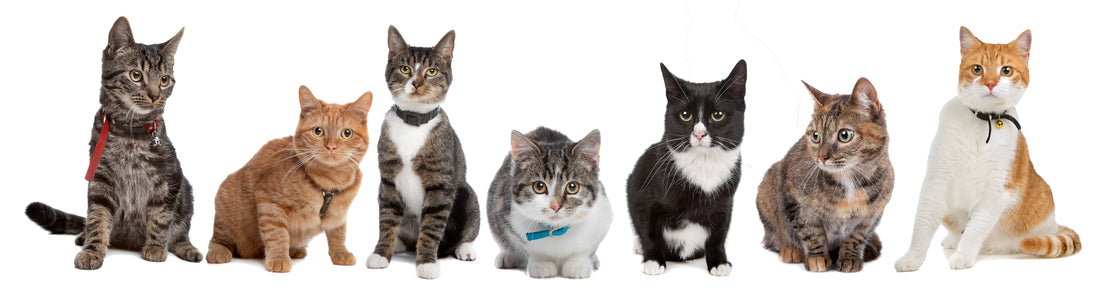
Credit: meowfia.us
Popular Cat Breeds
Popular cat breeds come in many shapes and sizes. Each breed has unique traits that make it special. Some cats are playful and active, while others prefer calm and quiet. Knowing popular breeds helps you find a cat that fits your lifestyle.
Siamese Cats
Siamese cats are known for their striking blue eyes and short coats. They have a slender body and large ears. These cats are very vocal and love to interact with people. Siamese cats enjoy being the center of attention.
Maine Coon Cats
Maine Coons are one of the largest domestic cat breeds. They have thick, long fur and tufted ears. These cats are gentle giants with friendly personalities. Maine Coons are great with children and other pets.
Persian Cats
Persian cats have long, luxurious coats and flat faces. They are calm and prefer quiet environments. These cats enjoy lounging and gentle petting. Persian cats require regular grooming to keep their fur clean.
Ragdoll Cats
Ragdolls are large, soft cats with striking blue eyes. They get their name because they go limp when picked up. These cats are gentle and enjoy cuddling. Ragdolls are perfect for families wanting a loving companion.
Bengal Cats
Bengal cats have wild-looking coats that resemble leopards. They are active and playful, needing lots of exercise. Bengals are intelligent and enjoy interactive toys. These cats bring energy and fun to any home.
Rare And Exotic Breeds
Rare and exotic cat breeds capture the imagination of many cat lovers. Their unique looks and personalities set them apart from more common breeds. If you’re curious about what makes these cats special, let’s dive into some of the most intriguing rare breeds you might consider welcoming into your home.
Savannah Cats
Savannah cats have a striking, wild appearance thanks to their African serval ancestry. Their tall, lean bodies and large ears give them an exotic look few other breeds match.
These cats are highly active and intelligent. If you enjoy an energetic companion who loves interactive play, a Savannah might be perfect for you.
Are you ready to meet a cat that’s part pet, part adventure?
Sphynx Cats
The Sphynx stands out with its hairless, wrinkled skin and large eyes. Despite their unusual look, these cats are incredibly affectionate and crave human attention.
Because they lack fur, Sphynx cats need special care like regular baths and warmth in cooler weather.
If you want a cat that’s both a conversation starter and a cuddly companion, consider the Sphynx.
Scottish Fold Cats
Scottish Fold cats are famous for their unique folded ears that give them an owl-like appearance. Their round faces and big eyes add to their charm.
They tend to be calm and friendly, making them excellent pets for families or individuals looking for a gentle cat.
Have you ever met a cat whose ears instantly make you smile?
Russian Blue Cats
Russian Blue cats are known for their stunning blue-gray coats and striking green eyes. They have a reserved yet playful personality.
This breed often bonds closely with one person, showing loyalty and affection in a quiet way.
Would you appreciate a cat with a regal look and a calm demeanor?
Breed Characteristics
Understanding the characteristics of different cat breeds helps in choosing the right pet. Each breed has unique traits that appeal to various cat lovers. From coat types to personality, these traits define them.
Coat Types And Colors
Cat breeds boast diverse coat types. Some cats have short hair, like the Siamese. Others, like the Persian, have long, flowing fur. Colors vary, too. You find solid colors, stripes, and mixed patterns. Calico and tabby are popular patterns. Each coat type requires different care levels.
Personality Traits
Different breeds show different personalities. Siamese cats are vocal and social. They love interacting with humans. Maine Coons are gentle giants. They are friendly and good with children. Some breeds, like the British Shorthair, are independent and calm. Each breed has a personality that suits different lifestyles.
Size And Build
Cat breeds vary in size. Small breeds, like the Singapura, weigh around 5 pounds. Large breeds, like the Maine Coon, can weigh up to 18 pounds. Build also differs. Siamese cats are slender and elegant. British Shorthairs have a sturdy and muscular build. Size and build affect space needs and activity levels.
Grooming Needs
Grooming needs differ among breeds. Short-haired cats, like the Bengal, require less grooming. Long-haired breeds, like the Ragdoll, need regular brushing. This prevents tangles and matting. Some cats, like the Sphynx, have no fur. They need regular baths to keep their skin clean. Understanding grooming needs helps maintain a healthy coat.

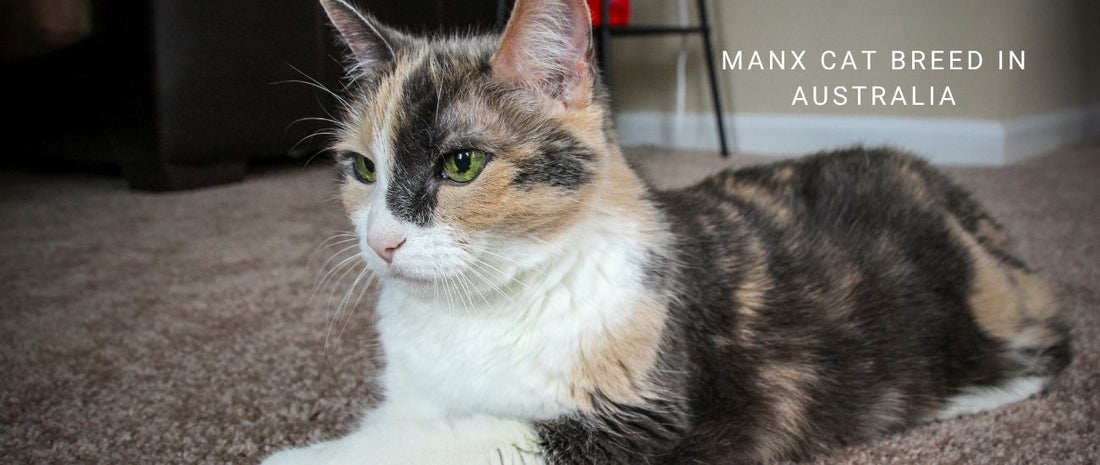
Credit: www.freepik.com
Choosing The Right Cat Breed
Choosing the right cat breed can shape your experience as a cat owner more than you might expect. Each breed brings unique traits that fit differently into various lifestyles and homes. Considering your personal situation helps ensure both you and your new feline friend enjoy a happy, harmonious life.
Lifestyle Considerations
Your daily routine and living environment play a big role in selecting a cat breed. If you work long hours or travel often, breeds known for independence, like the British Shorthair, may suit you best. On the other hand, if you want a cat that thrives on interaction and companionship, breeds like the Siamese or Ragdoll can offer that affectionate connection.
Think about your home setup too. Do you have space for a playful cat to roam, or is your living area more compact? These factors can influence whether a high-energy or a more relaxed breed fits your space better.
Allergy-friendly Breeds
If allergies have held you back from owning a cat, some breeds might still be an option. Breeds like the Siberian and Balinese produce fewer allergens, which can reduce allergic reactions for many people.
Remember, no cat breed is 100% hypoallergenic, but choosing breeds with lower allergen levels can make a big difference. Have you considered spending time with different breeds before deciding? It’s a practical way to test your sensitivity.
Activity Levels
Cat breeds vary widely in how active they are. Energetic breeds like the Abyssinian demand plenty of playtime and stimulation. If you enjoy interactive play and can dedicate time daily, an active breed can be rewarding.
Conversely, breeds like the Persian prefer a calm environment and less vigorous activity. Matching your energy level with your cat’s can prevent frustration on both sides. What kind of daily energy can you realistically offer your cat?
Compatibility With Other Pets
Do you already have pets at home? Some cat breeds adapt better to living with dogs or other cats. For instance, the Maine Coon is known for being sociable and often gets along well with other animals.
In contrast, some breeds may prefer to be the only pet to avoid stress. It’s important to assess your current pets’ personalities and how a new cat might fit in. Are you ready to manage introductions carefully to create a peaceful household?
Health And Care Tips By Breed
Different cat breeds have unique health and care needs. Understanding these needs helps keep your cat happy and healthy. Some breeds are prone to specific health issues. Others need special diets or exercise routines. Tailoring care to your cat’s breed improves their quality of life.
Common Health Issues
Each breed faces certain health problems more often than others. For example:
- Persian cats may have breathing difficulties due to flat faces.
- Siamese cats often develop dental problems early.
- Maine Coons can suffer from heart disease called hypertrophic cardiomyopathy.
Regular vet check-ups help catch these issues early. Keep an eye on unusual signs like coughing, lethargy, or changes in appetite.
Diet And Nutrition
Cat breeds differ in their dietary needs. Some require high-protein diets, while others need controlled calories.
- Active breeds like Bengals benefit from protein-rich food.
- Less active breeds may need low-fat diets to avoid weight gain.
- Some cats have food sensitivities and need special formulas.
Provide fresh water daily. Avoid feeding human food or treats with harmful ingredients.
Exercise And Enrichment
Exercise keeps cats fit and mentally sharp. Each breed has different energy levels.
- Active breeds need plenty of playtime and climbing spaces.
- Calmer breeds enjoy gentle play and quiet resting areas.
- Use toys like feathers, lasers, or balls to stimulate hunting instincts.
Rotate toys to keep your cat interested. Interactive play prevents boredom and obesity.

Credit: www.rd.com
Adoption And Breeder Guidance
Choosing the right domestic cat breed involves careful thought about adoption and breeding sources. Understanding how to find trustworthy breeders and shelters helps ensure a healthy and happy pet. This section guides you through the best practices for adopting or buying a cat.
Finding Reputable Breeders
Trustworthy breeders focus on the cat’s health and well-being. They provide clear information about the breed’s traits and history. Ask about health screenings and vaccination records. Visit the breeder’s facility to see the living conditions. Avoid breeders who cannot show proof of ethical practices. Reputable breeders often have waiting lists due to high demand.
Adopting From Shelters
Shelters offer cats of many breeds, including mixed breeds. Adoption saves lives and reduces stray populations. Staff can help match you with a cat that fits your lifestyle. Many shelter cats are vaccinated and spayed or neutered. Adoption fees usually cover initial medical care. Shelters provide support and advice for new cat owners.
Costs And Commitments
Owning a cat involves costs beyond the initial price. Expect expenses for food, litter, and veterinary care. Some breeds may require special grooming or diet. Consider time needed for play and social interaction. Cats live 12 to 20 years, so plan for long-term care. Responsible ownership means meeting all your cat’s needs daily.
Frequently Asked Questions
What Are The Most Popular Domestic Cat Breeds?
Popular domestic cat breeds include Persian, Siamese, Maine Coon, Ragdoll, and Bengal. Each breed has unique traits and personalities. These breeds are loved for their distinctive looks and temperaments.
How Do Domestic Cat Breeds Differ In Personality?
Domestic cat breeds differ in playfulness, affection, and activity levels. For example, Siamese cats are vocal and social, while Persians are calm and gentle. Understanding breed personality helps in choosing the right pet.
Which Cat Breed Is Best For Families With Children?
Ragdoll and Maine Coon cats are ideal for families with children. They are friendly, patient, and tolerant. These breeds enjoy interaction and adapt well to family life.
Are There Hypoallergenic Domestic Cat Breeds?
Yes, breeds like the Siberian and Balinese cats produce fewer allergens. They are better suited for people with mild allergies. However, no cat breed is completely hypoallergenic.
Conclusion
Domestic cats come in many different breeds. Each breed has its own look and personality. Some cats have short hair, others long. Some are very active, others calm and quiet. Choosing a breed depends on your lifestyle and preferences. Knowing about cat breeds helps you find a good pet.
Cats bring joy and comfort to many homes. Enjoy learning about these wonderful animals. They make great companions for all kinds of people.


Leave a Reply