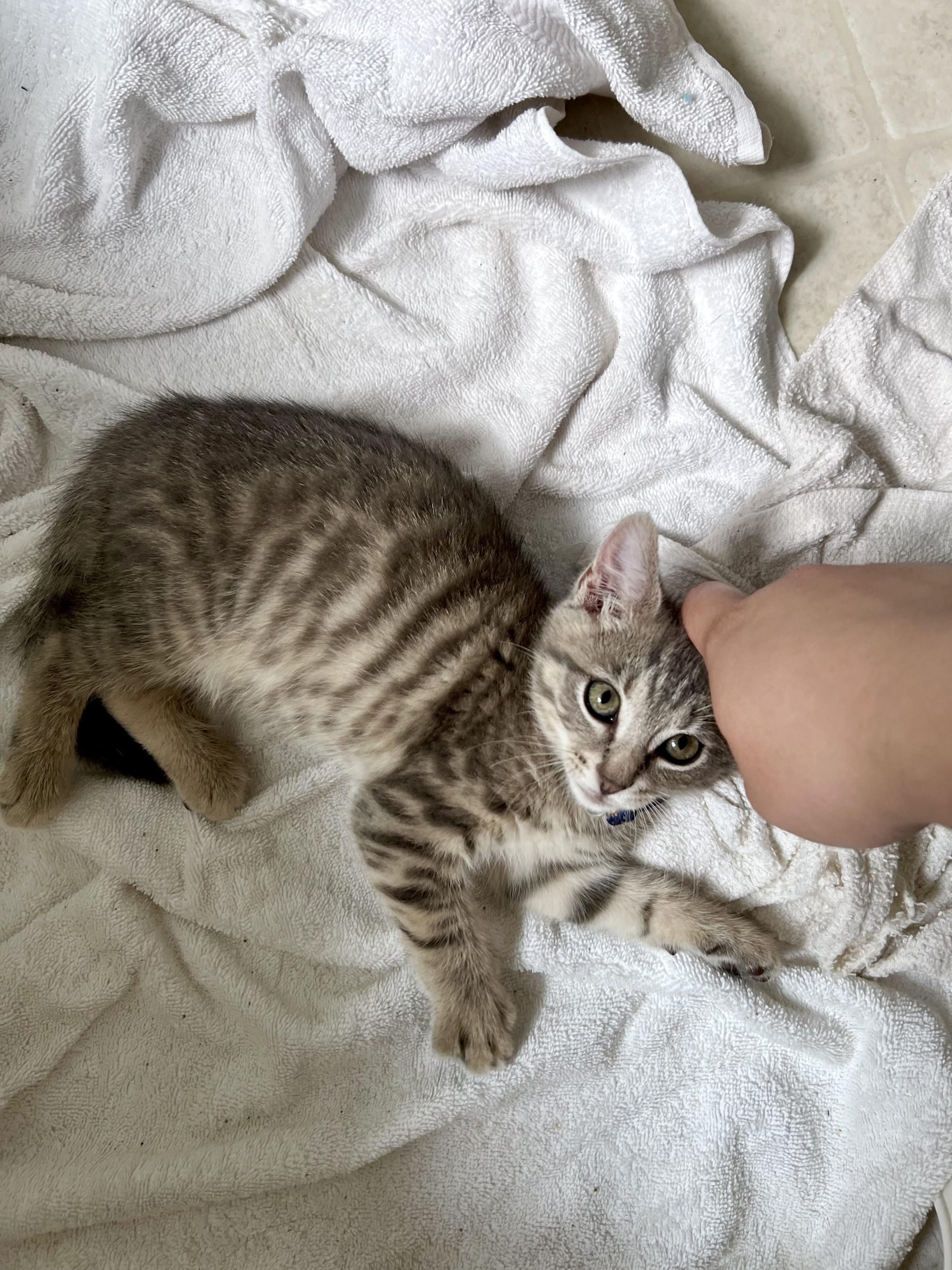
Have you ever looked at your moggy cat and wondered, “What breed could my furry friend be?” Knowing your cat’s breed can reveal fascinating traits about their personality, health, and behavior. But with so many mixed breeds and unique looks, figuring it out can feel like solving a puzzle.
Don’t worry—you’re about to discover simple, effective ways to uncover your cat’s origins. By the end of this article, you’ll have the tools to identify your moggy’s breed with confidence. Ready to learn more about your beloved companion? Let’s dive in!
Identify Physical Traits
Identifying your moggy cat’s breed starts with observing its physical traits. Each breed has unique features that can help you narrow down possibilities. Paying close attention to coat, body shape, eyes, and ears provides valuable clues. This process takes patience and a keen eye for detail.
Coat Patterns And Colors
Coat patterns vary widely across cat breeds. Common patterns include solid, tabby, calico, and tortoiseshell. Colors range from black, white, gray, orange, to cream. Some breeds show distinct markings like spots or stripes. Notice the texture too—some coats are short and smooth, others long and fluffy.
Body Size And Shape
Body shape tells much about a cat’s breed. Some cats have slender, elongated bodies while others are stocky and muscular. Size ranges from small and delicate to large and robust. Look at the length of legs and tail as well. These physical proportions often link to specific breeds.
Eye Shape And Color
Eye shape varies among cats—round, almond, or slightly slanted. Eye color can be green, blue, amber, or even odd-eyed (two different colors). Certain breeds have signature eye colors or shapes. Observing your cat’s eyes can help identify breed traits clearly.
Ear Shape And Position
Ear shapes differ greatly. Some cats have large, pointed ears, while others have small, rounded ones. Ear position matters too; they may be wide apart or close together. Certain breeds have ears that tilt forward or curl. These ear characteristics are key breed indicators.
Credit: basepaws.com
Observe Behavioral Traits
Observing your moggy cat’s behavior offers clues about its breed. Every breed shows unique habits and personality traits. These behaviors can reveal more than looks alone. Watching how your cat acts helps narrow down the possibilities.
Activity Levels
Notice how much energy your cat has. Some breeds are very playful and active. Others prefer quiet time and rest a lot. High energy cats may enjoy climbing and running. Low energy cats often relax and nap frequently. Activity levels can hint at breeds like Siamese or Persian.
Social Interaction
Watch how your cat interacts with people and other pets. Some cats love attention and follow you around. Others stay shy and keep to themselves. Social cats may greet visitors or seek cuddles. Less social cats prefer solitude and quiet spaces. Social habits can match breeds like Ragdoll or British Shorthair.
Vocalization Patterns
Listen to your cat’s sounds and how often it talks. Some cats meow loudly and often to communicate. Others are quiet and rarely vocalize. Some breeds use soft chirps or trills. Vocal patterns can help identify breeds like Siamese, known for chatty cats.
Use Online Breed Databases
Discovering your moggy cat’s breed can be exciting. Online breed databases offer a wealth of information. These platforms help you identify your cat’s lineage. They use various tools and resources, making it easy to explore.
Photo Comparison Tools
Photo comparison tools can be very useful. Upload a clear picture of your cat. The tool matches your cat’s features with known breeds. It analyzes patterns, colors, and face shapes. This gives you potential breed matches. This method is quick and straightforward.
Breed Characteristics Guides
Breed characteristics guides provide detailed breed descriptions. Compare your cat’s traits with those in the guides. Look at fur length, color, and behavior. Each breed has unique traits. These guides often include personality traits and size details. Matching these can help pinpoint your cat’s breed.

Credit: www.reddit.com
Consult A Veterinarian
Consulting a veterinarian is a smart move when you want to figure out the breed of your moggy cat. Vets have the experience and knowledge to spot breed traits that might not be obvious to the untrained eye. Plus, they can provide insights that go beyond looks, helping you understand your cat’s unique background better.
Professional Breed Assessment
Veterinarians can assess your cat’s physical features like fur texture, body shape, and eye color to identify breed characteristics. They often compare these traits with breed standards and use their expertise to narrow down possibilities.
Sometimes, vets recommend genetic testing for a more precise breed identification. This test can reveal your cat’s ancestry and mix of breeds, offering a clearer picture than visual clues alone. Have you ever wondered if your cat’s playful personality links to a specific breed? A vet can help connect those dots.
Health Indicators Linked To Breeds
Different cat breeds tend to have particular health traits or risks. Your vet can spot these signs during a checkup and use them to suggest which breeds your cat might be related to.
For example, some breeds are prone to kidney issues or heart conditions. If your vet notices symptoms or predispositions, they can advise you on breed-related health care and management.
Understanding these health indicators not only helps with breed identification but also guides you in providing the best care for your cat. What health clues has your vet shared about your moggy?
Consider Dna Testing
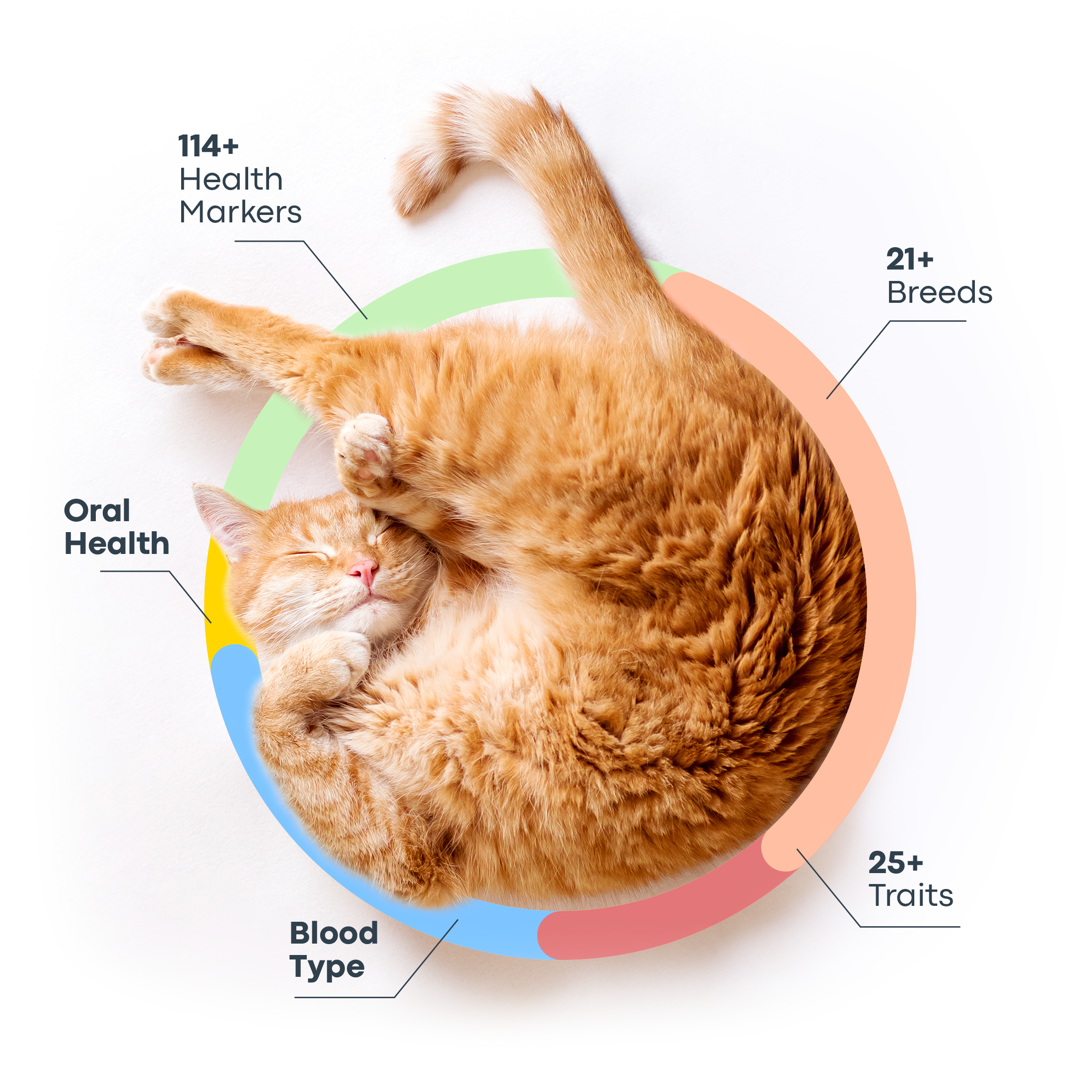
Wondering exactly what breeds make up your moggy cat can feel like solving a puzzle. While physical traits and behavior offer clues, DNA testing gives you a direct answer from your cat’s genetic makeup. It’s an exciting way to learn more about your furry friend’s origins and health risks that may be breed-specific.
Popular Cat Dna Kits
Several companies offer easy-to-use cat DNA kits you can order online. These kits usually include a swab to collect a cheek cell sample from your cat, which you then send back to the lab.
- Basepawsis well-known for its detailed breed reports and health insights. It compares your cat’s DNA to a database of over 40 breeds.
- Wisdom Paneloffers a comprehensive breed breakdown along with potential health markers. Their reports are easy to understand and include personalized care tips.
- Felix IDfocuses on breed identification and can help in cases where cats are lost or stolen, adding a layer of security.
Choosing the right kit depends on what you want to discover—whether it’s breed details, health risks, or ancestry. Have you thought about what information would be most useful for your cat’s care?
Interpreting Test Results
Once you receive the results, you might see a mix of breeds that explain your moggy’s unique looks and habits. The report typically breaks down the percentage of each breed detected in your cat’s DNA.
Health markers might reveal predispositions to certain conditions, helping you and your vet tailor preventative care. If your cat shows traits of a breed known for certain behaviors, it can also guide how you train and interact with them.
Don’t hesitate to ask your vet about the results. Sometimes, the genetic insights can lead to early screenings or lifestyle changes that improve your cat’s quality of life. What surprises might your cat’s DNA reveal?
Join Cat Enthusiast Communities
Joining cat enthusiast communities helps you learn more about your moggy’s breed. These groups bring together people who love cats and share useful information. Members often have experience with many breeds and can offer advice. Being part of these communities makes identifying your cat’s breed easier and more fun.
Online Forums And Social Media Groups
Many websites host forums dedicated to cat lovers. These forums have sections for breed identification and general cat care. Social media platforms like Facebook and Reddit also have groups where members discuss cat breeds. You can ask questions and read others’ posts to gain insights. These spaces are perfect for connecting with experts and fellow cat owners.
Sharing Photos For Opinions
Uploading clear photos of your moggy helps others see its features closely. Community members can compare your cat to known breeds and suggest matches. Try to share pictures from different angles: face, body, and tail. Detailed photos increase the chances of accurate identification. Feedback from many people improves your chances of discovering your cat’s breed.

Credit: www.petplan.co.uk
Frequently Asked Questions
How Can I Identify My Moggy Cat’s Breed?
Look at your cat’s physical traits like fur color, pattern, and body shape. Compare these with breed profiles online. Genetic testing kits also offer precise breed identification by analyzing your cat’s DNA.
What Traits Differentiate Moggy Cats From Purebreds?
Moggies often have mixed traits, unlike purebreds with specific features. They show varied coat colors and patterns. Their body size and face shape may be less uniform than recognized breeds.
Can Dna Tests Reveal My Moggy’s Breed Accurately?
Yes, DNA tests provide accurate breed information by examining genetic markers. These tests also identify health risks and ancestry. They are affordable and easy to use at home.
Why Is Knowing My Moggy’s Breed Important?
Understanding your moggy’s breed helps predict behavior and health needs. It improves care and nutrition choices. Breed knowledge also enhances your bond with your cat.
Conclusion
Knowing your moggy’s breed helps you understand their traits better. You can spot unique features by comparing with common breeds. Asking a vet or using DNA tests gives clearer answers. Remember, every cat is special, no matter the breed. Enjoy learning about your furry friend’s background step by step.
This knowledge can make caring for them easier and more fun. Keep observing your cat’s behavior and looks. The journey to discover their breed is part of the joy.


Leave a Reply