Your older cat may not groom as well as they used to, and that can lead to discomfort or health issues. If you’ve noticed your furry friend struggling to keep clean, you’re not alone.
Helping your old cat with grooming is more important than you might think. It not only keeps them comfortable but also strengthens the bond between you and your pet. You’ll discover simple, effective ways to support your aging cat’s grooming needs and keep them happy and healthy.
Keep reading to learn how you can make a real difference in your cat’s life.
Changes In Grooming Needs
Older cats need special care for grooming as they age. Their fur and skin change in many ways. These changes affect how they clean themselves and how you help them stay healthy. Understanding these shifts helps you give the right support to your aging cat.
Aging Effects On Fur And Skin
Older cats often have thinner fur. Their coat may lose shine and feel rougher. Skin can become dry and fragile. This makes it easier for cuts and irritation to happen. The natural oils that keep fur soft may reduce. Hair loss is more common in some areas.
Fur can also mat or tangle more easily. Cats may not lick and groom as much due to pain or stiffness. This can cause dirt and debris to build up. Keeping the coat clean and smooth helps your cat feel comfortable and look better.
Common Grooming Challenges
Arthritis or joint pain can make grooming hard for older cats. Reaching certain spots becomes difficult. Cats might avoid grooming if it hurts. This leads to more mats and skin problems. Some cats may also become less active, which reduces natural grooming.
Older cats might be less patient during brushing or bathing. They may become stressed or restless. Grooming tools need to be gentle and soft to prevent discomfort. Regular checks for lumps, bumps, or sores are important. Early detection of skin issues helps keep your cat healthy.
Creating A Comfortable Grooming Space
Helping an older cat with grooming requires more than just patience—it demands a space that feels safe and calming. Creating a comfortable grooming area can change the experience from stressful to soothing for your furry friend. Think about how the environment around you influences your mood. Your cat feels the same way, especially during grooming sessions.
Choosing The Right Location
Pick a quiet spot where your cat usually feels relaxed. Avoid busy rooms with lots of noise or foot traffic. A corner in a bedroom or a cozy nook near a window often works well.
Make sure the surface is stable and non-slippery. Cats can get nervous if they feel unstable under their paws. A soft towel or mat can provide extra comfort and prevent slipping.
Consider the lighting. Bright lights can be harsh, so opt for natural light or a soft lamp. Too much light might scare your cat, while too little makes grooming harder for you.
Tools That Make Grooming Easier
Using the right tools can make a huge difference for both you and your cat. Choose brushes and combs designed for sensitive skin and gentle detangling. Slicker brushes with soft bristles often work well for older cats.
- Dematting comb:Helps gently remove stubborn tangles without pulling too hard.
- Rubber grooming gloves:Great if your cat prefers being touched rather than brushed.
- Small scissors with rounded tips:Useful for trimming mats carefully when brushing alone isn’t enough.
Keep grooming products within easy reach to avoid sudden movements that might startle your cat. Have treats ready as positive reinforcement—it encourages your cat to stay calm and cooperative.
Step-by-step Grooming Routine
Helping an older cat with grooming requires patience and a gentle touch. Their skin is more delicate, and they may have less energy or flexibility. Creating a calm, consistent routine can make grooming a positive experience for both of you.
Brushing Techniques For Older Cats
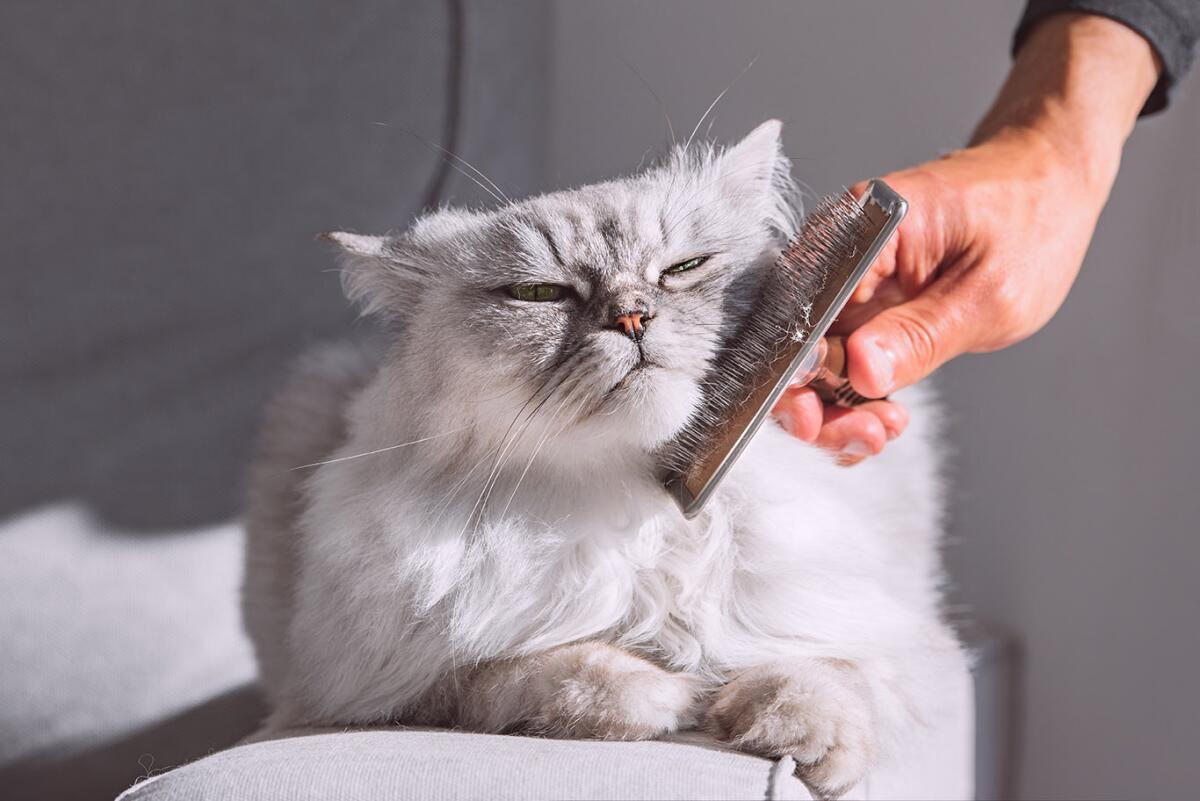
Choose a soft-bristle brush or a grooming glove to avoid irritating your cat’s sensitive skin. Brush in the direction of the fur growth, using slow, gentle strokes. Pay special attention to areas where mats tend to form, like behind the ears and under the legs.
If your cat resists, try brushing after a nap or during a relaxed moment. Short sessions are better than forcing a long grooming time. Have treats ready to reward calm behavior and build trust.
Bathing Tips For Sensitive Skin
Bathing an older cat should be rare but sometimes necessary. Use lukewarm water and a shampoo formulated for cats with sensitive skin. Avoid harsh soaps or human shampoos that can dry out their coat.
Keep the bath quick and soothing. Use a cup or gentle sprayer to rinse thoroughly but softly. After the bath, wrap your cat in a warm towel and pat dry—avoid rubbing vigorously, which can irritate the skin.
Nail Care And Claw Trimming
Older cats often have thicker nails that may need regular trimming to prevent discomfort. Use a sharp, quality nail clipper designed for cats. Trim just the tip of each nail to avoid hitting the quick, which can cause pain and bleeding.
If your cat is nervous, try clipping one or two nails per session. You can also gently press the paw pads to extend the claws for easier trimming. Notice if your cat shows signs of arthritis or pain during handling, and adjust your approach accordingly.
Health Checks During Grooming
Grooming sessions offer a chance to check an old cat’s skin, eyes, and ears for any signs of health issues. Noticing lumps, redness, or unusual smells early can help keep your cat comfortable and healthy. Regular checks support gentle care and timely vet visits.
Grooming your old cat is more than just keeping them clean. It’s a chance to check their health. During grooming, you can spot issues early.Spotting Skin Issues
Check your cat’s skin for any problems. Look for redness or bumps. Notice any dry patches or unusual spots. These can be signs of allergies or infections. Early detection helps in getting the right treatment.Detecting Pain Or Discomfort
Watch your cat’s reaction to touch. If they flinch or seem uncomfortable, they might be in pain. Pay attention to areas that cause distress. This can help identify arthritis or other health issues. Regular checks keep your cat comfortable and healthy.Diet And Hydration Impact
Diet and hydration play a crucial role in maintaining your old cat’s grooming and overall health. As cats age, their nutritional needs change, and providing the right foods and fluids can make a visible difference in their fur and skin. Have you noticed how a change in diet improved your cat’s coat shine or reduced shedding? Let’s look at what you can do through diet and hydration to help your senior feline stay comfortable and clean.
Foods That Promote Healthy Fur
Adding specific nutrients to your cat’s diet can support a softer, shinier coat. Foods rich in omega-3 and omega-6 fatty acids, like fish oil or flaxseed oil, help reduce dryness and itching.
- Include wet or dry cat foods formulated with added fatty acids.
- Offer small amounts of cooked salmon or sardines as treats.
- Make sure protein sources are high-quality to support skin repair.
Have you tried switching to a diet with more natural oils? Many cat owners report their pets’ fur looks healthier within weeks. You can also consult your vet about supplements to add if your cat’s coat seems dull or patchy.
Importance Of Staying Hydrated
Hydration affects your cat’s skin elasticity and coat condition. Older cats often drink less water, which can lead to dry skin and poor grooming habits.
Encourage your cat to drink more by:
- Providing fresh water in multiple locations around your home.
- Using water fountains, as many cats prefer running water.
- Offering wet cat food to increase moisture intake.
Have you noticed your cat drinking less as they age? Keeping them hydrated helps not just their fur but also their overall organ function and energy levels. It’s a small change that can make a big difference in their grooming routine.
When To Seek Professional Help
Knowing when to seek professional help is key to your old cat’s grooming. Some issues need expert care to avoid pain or health risks. Watching your cat closely helps you spot these problems early. Timely action keeps your cat comfortable and healthy.
Signs Grooming Needs Veterinary Attention
Look for signs that show grooming is more than a simple task:
- Skin wounds or infections that do not heal
- Severe matting causing pain or skin damage
- Excessive hair loss or bald patches
- Swelling, redness, or sores on the skin
- Difficulty moving or signs of arthritis
- Sudden changes in grooming habits or behavior
- Unpleasant odor from the skin or fur
These signs suggest your cat might have an underlying health problem. A vet can diagnose and treat these issues properly.
Choosing A Grooming Specialist
Pick a grooming specialist experienced with old cats. They understand special needs like fragile skin and arthritis. Check for these qualities:
- Good reviews and recommendations
- Experience with senior cats
- Patience and gentle handling
- Clean and safe grooming environment
- Ability to work with your vet if needed
Visit the groomer before booking. See how they treat your cat and if your cat feels comfortable. This helps make grooming less stressful for both of you.
Frequently Asked Questions
How Often Should I Groom An Old Cat?
Groom your senior cat at least twice a week. Older cats groom less, so regular brushing prevents mats and hairballs. Adjust frequency based on your cat’s coat length and health condition.
What Tools Are Best For Grooming Old Cats?
Use soft-bristle brushes or grooming gloves for gentle brushing. Avoid harsh combs that can irritate sensitive skin. Choose tools that comfortably fit your cat’s coat type and age.
How Can I Make Grooming Comfortable For My Old Cat?
Create a calm environment with gentle strokes and soft voices. Use treats to reward cooperation. Keep sessions short and stop if your cat shows discomfort.
Why Do Old Cats Struggle With Grooming?
Older cats may have arthritis, dental issues, or obesity. These conditions reduce flexibility and cause pain, making self-grooming difficult. Regular assistance helps maintain their hygiene and comfort.
Conclusion
Helping an old cat with grooming keeps them clean and healthy. Regular brushing removes loose fur and prevents mats. Gentle care shows your love and attention. Watch for signs of discomfort or skin issues. Patience makes grooming easier for both of you.
Small steps create a strong bond with your pet. Healthy grooming habits improve your cat’s comfort and happiness. Keep your senior cat looking and feeling their best every day.

Leave a Reply