Grooming your long-haired cat’s behind might not be the most glamorous task, but it’s one you can’t skip if you want to keep your furry friend comfortable and clean. If you’ve ever noticed matting, unpleasant odors, or your cat grooming excessively in that area, it’s a sign that your help is needed.
You might be wondering how to do this safely without stressing your cat or causing discomfort. Keep reading, and you’ll discover simple, effective tips to make grooming behind your long-haired cat easy and stress-free—for both of you.
Preparing Your Cat For Grooming
Grooming a long-haired cat, especially the delicate area behind, requires more than just tools and technique. Preparing your cat properly is key to a smooth grooming session. This preparation helps reduce stress for both you and your feline friend, making the experience more pleasant and effective.
Choosing The Right Tools
Your grooming success starts with the tools you pick. Use a wide-toothed comb to gently detangle mats without pulling on your cat’s fur. A slicker brush helps remove loose hair and prevent knots from forming.
Consider having grooming wipes or a damp cloth handy to clean the backside area if needed. Avoid tools with sharp edges or stiff bristles that could hurt your cat’s sensitive skin. Have everything within reach before you begin to keep the process smooth and uninterrupted.
Creating A Calm Environment
Long-haired cats can be sensitive to noise and sudden movements. Pick a quiet room with soft lighting to help your cat feel secure. Speak in a calm, soothing voice to reassure your cat throughout grooming.
Try petting or gently brushing your cat in a familiar spot before moving to the backside. This helps your cat associate grooming with positive experiences. If your cat shows signs of stress, take a break and offer treats to ease anxiety.
Assessing Your Cat’s Coat Condition
Before you start grooming behind your cat, take a close look at their coat condition. Check for mats, dirt buildup, or skin issues like redness or bumps. Understanding your cat’s coat health helps you decide how gentle or thorough you need to be.
Notice if your cat has any sensitive areas or spots they avoid being touched. This insight allows you to adjust your approach and avoid causing discomfort. Regular assessments also alert you to any health problems that might need a vet’s attention.
Techniques For Grooming Long Hair Cats
Grooming a long-haired cat requires patience and the right approach to keep their coat healthy and tangle-free. Your cat’s fur can easily mat if not cared for properly, especially behind their ears, under the legs, and around the tail. Using effective grooming techniques helps you avoid discomfort for your cat while maintaining their beautiful coat.
Brushing Tips To Avoid Pulling
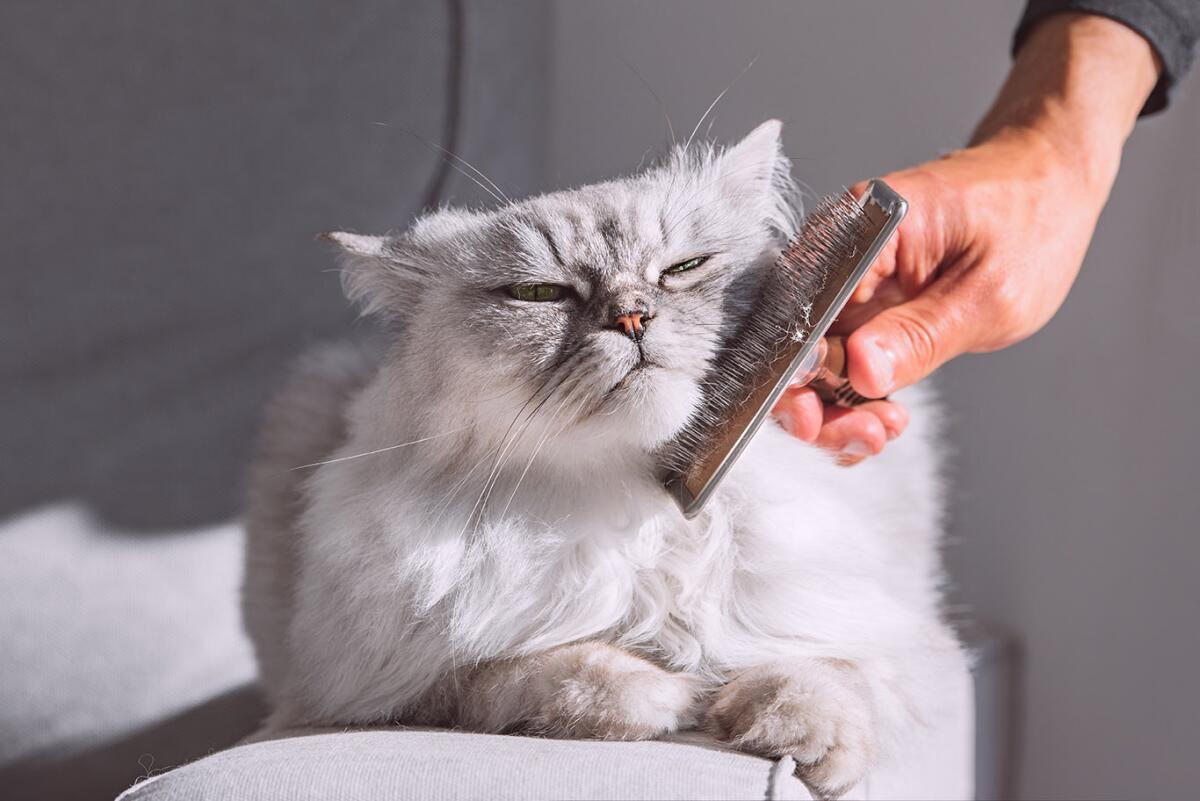
Always choose a brush designed for long-haired cats, such as a slicker brush or a wide-toothed comb. Start brushing gently at the ends of the fur, then slowly work your way closer to the skin. This reduces tugging and prevents pulling on sensitive skin.
Keep your cat calm by speaking softly and brushing in short sessions. Notice if your cat flinches or pulls away; that’s a sign to slow down. Have you ever felt a brush pull harshly? Your cat feels the same way, so gentle strokes make all the difference.
Detangling Knots Safely
Use your fingers first to loosen small mats before reaching for a comb. If a knot is stubborn, apply a detangling spray made for cats to soften the hair. Work through the tangle gently, starting at the edges and moving inward.
Never cut mats out without consulting a vet or groomer, as you might accidentally hurt your cat. Instead, patience and the right tools will help you safely remove knots. What’s your cat’s reaction when you try to detangle? Adjust your pace based on their comfort.
Handling Sensitive Areas
The areas behind the ears, under the legs, and around the tail are often the most sensitive. Approach these spots last after your cat is relaxed from brushing other areas. Use a soft brush or your fingers to gently comb through these delicate regions.
If your cat resists, try distracting them with treats or petting. Your calm and reassuring touch can make grooming less stressful. Have you noticed your cat’s favorite spot to be brushed? Use that as a starting point to ease into sensitive areas.
Preventing Tangles And Mats
Long-haired cats often develop tangles and mats behind. These clumps can cause discomfort and skin problems. Preventing them keeps your cat happy and healthy. Focus on gentle care and good habits.
Regular Grooming Schedule
Brush your cat’s fur every day or at least several times a week. Use a wide-toothed comb or a soft brush made for long hair. Start gently from the back and move toward the tail. Regular grooming stops tangles before they form. It also helps you spot any skin issues early.
Using Detangling Sprays
Detangling sprays make brushing easier and reduce hair breakage. Choose sprays made for cats only. Spray lightly on the matted areas or before brushing. These sprays loosen knots and add shine to fur. Always test a small area first to check for reactions.
Diet And Hydration Impact
Healthy skin means healthy fur. Feed your cat a balanced diet rich in omega-3 and omega-6 fatty acids. These nutrients improve coat softness and strength. Keep fresh water available at all times. Proper hydration helps prevent dry skin and hair tangling.
Dealing With Stubborn Mats
Stubborn mats behind long-haired cats need gentle care to avoid hurting your pet. Use a wide-tooth comb to gently work through tangles, starting at the edges and moving inward. Patience is key to keeping your cat calm and comfortable during grooming.
Dealing with stubborn mats in your long-haired cat’s fur can be a daunting task. These tangles not only affect your cat’s appearance but can also cause discomfort and even pain. Understanding how to manage these mats efficiently can save you and your feline friend a lot of stress.When To Use Clippers Or Scissors
When tackling mats, choosing between clippers and scissors is crucial. Clippers are often the safer option for larger mats or areas close to the skin, as they reduce the risk of cutting your cat. Scissors can be effective for smaller tangles, but always use blunt-ended ones to prevent accidental nicks.Seeking Professional Help
Sometimes, mats can become too challenging to handle on your own. Seeking professional grooming services can be a wise decision. A professional groomer has the experience and tools to safely remove stubborn mats without causing harm to your cat.Avoiding Common Grooming Mistakes
Avoid pulling or yanking on mats, as this can hurt your cat. Regular brushing can prevent mats from forming in the first place. Consider scheduling grooming sessions at times when your cat is calm and relaxed to make the process smoother for both of you.Maintaining Healthy Fur Behind
Maintaining healthy fur behind your long-haired cat is essential for their comfort and hygiene. This area often collects dirt, debris, and loose fur. Regular care prevents matting and skin problems. A clean and well-groomed rear keeps your cat happy and healthy.
Cleaning And Hygiene Tips
Use a damp cloth or pet-safe wipes to clean gently behind the fur. Avoid harsh soaps or chemicals. Trim excess fur carefully to reduce tangles and dirt buildup. Check this area during your regular grooming sessions. Clean after your cat uses the litter box to prevent stains and odors.
Monitoring Skin Health
Look for redness, bumps, or scabs behind the fur. Healthy skin should be smooth and free of irritation. Regularly part the fur to inspect the skin underneath. Changes in skin condition may need a vet’s attention. Keep an eye on any unusual hair loss or dry patches.
Recognizing Signs Of Discomfort
Notice if your cat licks or bites the area often. Scratching or hiding can also show irritation. Changes in behavior may signal discomfort or pain. Watch for swelling or discharge behind the fur. Address any concerns early to avoid bigger problems.
Frequently Asked Questions
How Often Should I Groom A Long-haired Cat?
Long-haired cats need grooming at least 3-4 times weekly. Frequent brushing prevents mats and removes loose fur. Regular grooming keeps their coat healthy and reduces shedding around the house.
What Tools Are Best For Grooming Long-haired Cats?
Use a wide-toothed comb and slicker brush for long-haired cats. These tools gently detangle fur and remove knots without hurting your cat’s skin. A grooming glove can also help remove loose hair during brushing.
How Do I Prevent Mats In Long-haired Cat Fur?
Brush your long-haired cat daily to prevent mats. Focus on areas like behind ears and under legs. If mats form, carefully use a dematting comb or consult a professional groomer to avoid hurting your cat.
Can Grooming Reduce Shedding In Long-haired Cats?
Yes, regular grooming greatly reduces shedding in long-haired cats. Removing loose fur before it falls helps control hair around your home. It also keeps your cat’s skin healthy and prevents hairballs.
Conclusion
Grooming your long-haired cat’s behind keeps them clean and healthy. Regular brushing stops mats and tangles from forming. Check this area often for dirt or stuck fur. Use gentle tools and calm your cat during grooming. A little care goes a long way in comfort and hygiene.
Keep sessions short and positive to build trust. Healthy grooming habits help your cat feel happy and loved. Simple steps make a big difference in their daily care.

Leave a Reply