Are you wondering if your cat really needs grooming? You might think cats take care of themselves, but there’s more to it than just a quick lick.
Grooming can keep your furry friend healthy, comfortable, and looking their best. If you want to learn how grooming can benefit your cat—and whether it’s the right choice for you—keep reading. This simple step could make a big difference in your cat’s happiness and your peace of mind.
Benefits Of Grooming Cats
Grooming your cat is more than just keeping them looking neat. It plays a key role in their overall health and happiness. You might wonder if the effort is worth it—here’s why regular grooming can make a big difference for your feline friend.
Improved Coat Health
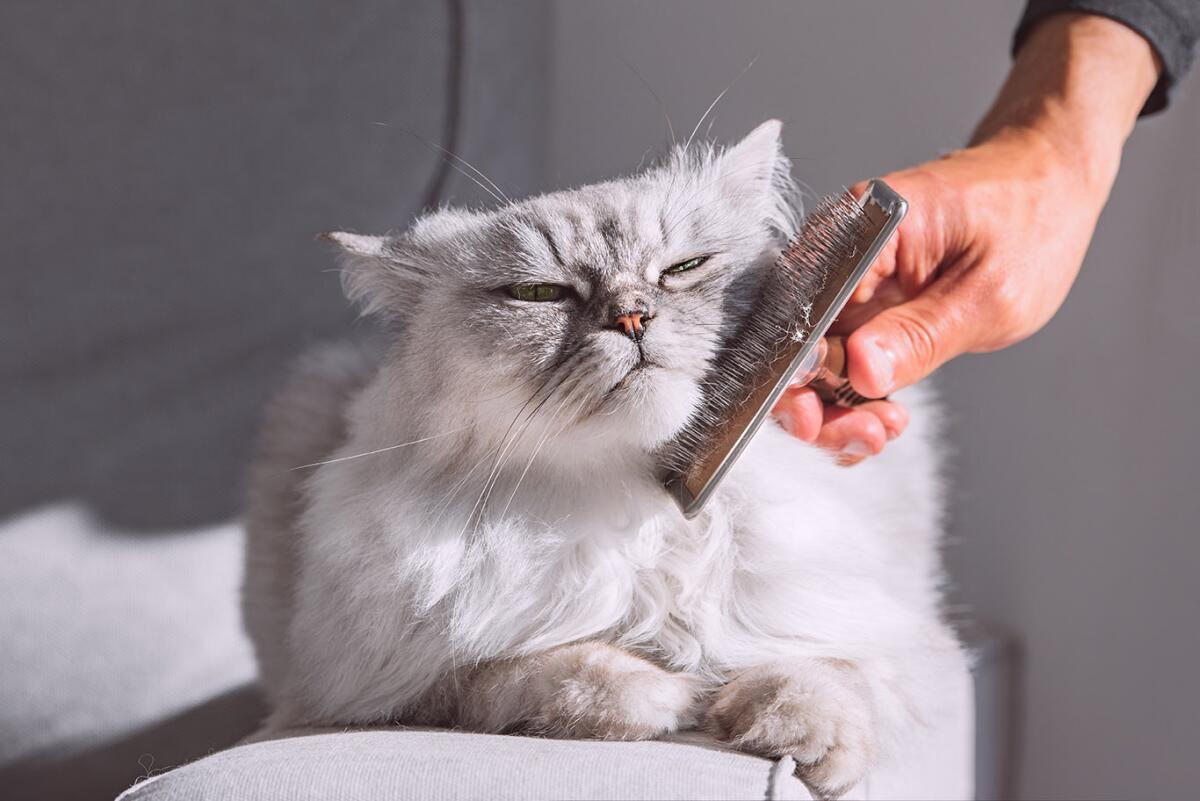
Grooming helps remove dirt, debris, and loose hair from your cat’s coat. This keeps their fur shiny and soft while preventing mats and tangles that cause discomfort. When I started brushing my cat daily, I noticed her coat became much healthier and she seemed more comfortable.
Reduced Shedding
Regular grooming cuts down the amount of hair your cat sheds around the house. This means less cleaning for you and fewer allergens floating in the air. Have you ever found clumps of fur on your clothes? Grooming can help stop that before it starts.
Prevention Of Hairballs
Cats groom themselves by licking their fur, which can lead to swallowed hair and hairballs. By brushing your cat, you reduce the loose hair they might ingest. This simple step can prevent uncomfortable hairballs and digestive issues.
Early Detection Of Health Issues
While grooming, you get a close look at your cat’s skin and body. You might spot lumps, bumps, or parasites early on. Catching these signs can lead to quicker vet visits and better outcomes. Have you ever missed a health problem simply because you didn’t check closely?
When To Groom Your Cat
Knowing when to groom your cat helps keep them healthy and happy. Cats need grooming to remove loose fur and dirt. It also prevents hairballs and skin problems. Timing grooming right can make the process easier for both of you. Pay attention to your cat’s habits and coat condition. These clues show when grooming is needed.
Signs Your Cat Needs Grooming
- Mattes or tangles in the fur
- Excessive shedding around the house
- Visible dirt or debris on the coat
- Dry or flaky skin
- Unpleasant odor coming from fur
- Scratching or biting at certain spots
- Hairballs becoming more frequent
Frequency Based On Breed
| Breed Type | Grooming Frequency |
|---|---|
| Short-haired cats | Once every 2 weeks |
| Long-haired cats | 2 to 3 times per week |
| Hairless or sparse fur cats | Weekly, for skin care |
Seasonal Grooming Tips
- Spring: Increase grooming to remove winter undercoat
- Summer: Brush regularly to reduce shedding and matting
- Fall: Help with heavy shedding before cold weather
- Winter: Groom gently to avoid dry skin
Diy Grooming Tips
Grooming your cat at home helps keep their coat clean and healthy. It also strengthens your bond with your pet. Regular grooming prevents mats and reduces shedding. You can save money and avoid stressful trips to the groomer. Follow these simple tips to groom your cat safely and effectively.
Choosing The Right Tools
Pick tools designed for cats to avoid hurting them. A soft-bristle brush works well for short-haired cats. Long-haired cats need a wide-toothed comb to detangle fur. Use nail clippers made for small pets. Keep a damp cloth handy for cleaning paws and face.
Step-by-step Brushing Guide
- Start by petting your cat gently to relax them.
- Brush in the direction of hair growth.
- Focus on areas prone to mats, like behind ears and under legs.
- Use slow, gentle strokes to avoid pulling fur.
- Stop if your cat becomes stressed and try again later.
Bathing Your Cat Safely
Use lukewarm water and a cat-safe shampoo only. Wet your cat slowly to avoid scaring them. Lather shampoo gently and rinse thoroughly to remove all soap. Keep water out of their ears and eyes. Dry your cat with a soft towel and keep them warm.
Nail Trimming Basics
- Hold your cat securely but gently to prevent struggling.
- Use sharp, small nail clippers made for cats.
- Trim only the clear part of the nail, avoiding the pink quick.
- If you cut too close, stop bleeding with styptic powder or cornstarch.
- Offer treats to make nail trimming a positive experience.
Professional Grooming Services
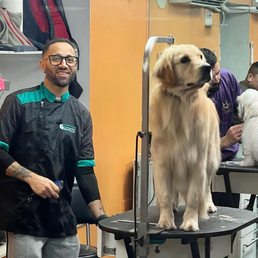
Professional grooming services offer expert care for your cat’s coat and skin. Groomers have tools and skills that keep cats clean and comfortable. These services help reduce shedding, mats, and hairballs. They also check for skin problems and parasites.
Grooming can be stressful for cats and owners. Professionals make the process calm and safe. They know how to handle shy or nervous cats. Regular visits improve your cat’s health and appearance.
When To Seek Professional Help
Choose professional grooming if your cat has very long fur. Mats and tangles can cause pain and skin issues. Older or overweight cats may need help cleaning hard spots. Cats with skin problems or allergies benefit from expert care. If your cat resists home grooming, a groomer can help.
What To Expect During A Grooming Session
The groomer starts by checking your cat’s coat and skin. They gently brush and detangle fur. Bathing may include special shampoos for sensitive skin. Nail trimming and ear cleaning often follow. Some cats get a sanitary trim or haircuts. Sessions usually last 30 to 60 minutes. Groomers work quietly to keep cats calm.
Finding A Trusted Groomer
Ask friends or your vet for recommendations. Look for groomers with experience in cat care. Check reviews and ratings online. Visit the salon to see cleanliness and safety. Ensure groomers are patient and gentle with cats. Confirm they handle emergencies and have proper licenses. A trusted groomer builds a good bond with your cat.
Handling Grooming Challenges
Handling grooming challenges can make cat care easier and less stressful. Cats may resist grooming for many reasons. Some feel nervous, others have tangled fur, and some have special health needs. Understanding these challenges helps you provide better care. Patience and the right approach improve the grooming experience for both you and your cat.
Calming Anxious Cats
Many cats feel scared during grooming. Soft voices and gentle movements help calm them. Create a quiet space free from loud noises. Use treats to reward calm behavior. Short grooming sessions work best to avoid stress. A warm towel can give comfort. Try brushing when your cat is relaxed or sleepy.
Dealing With Matted Fur
Matted fur causes discomfort and skin problems. Use a wide-toothed comb to gently separate mats. Never pull hard as it hurts. Trim very tight mats carefully with scissors. Regular brushing prevents mats from forming. If mats are severe, visit a professional groomer. Keep your cat’s coat clean and dry to avoid new mats.
Managing Cats With Special Needs
Some cats have health issues that affect grooming. Older cats or those with arthritis may need gentle handling. Cats with skin problems require special brushes and shampoos. Consult your vet for advice on grooming tools and techniques. Be patient and watch for signs of pain. Adjust grooming to suit your cat’s comfort and health.
Grooming And Cat Happiness
Regular grooming helps keep cats clean and comfortable. It also reduces hairballs and skin problems. Many cats feel happy and calm after a gentle brushing session.
Grooming and Cat Happiness Cats are known for their fastidious grooming habits, often spending a good portion of their day cleaning themselves. Yet, professional grooming can still play a vital role in their overall happiness and health. Have you ever wondered if your cat’s grooming routine could be enhancing their joy and well-being?Building Positive Grooming Experiences
Creating a positive grooming experience for your cat begins with patience and gentleness. Start by introducing grooming tools slowly, allowing your cat to sniff and explore them before use. Rewarding them with treats and praise during grooming sessions can make these experiences enjoyable and stress-free. Think of grooming as a bonding time rather than a chore. You might notice your cat becoming more relaxed and affectionate as they associate grooming with positive feelings.Recognizing Your Cat’s Preferences
Every cat is unique, and understanding their grooming preferences can significantly impact their happiness. Some cats may prefer a soft brush, while others might enjoy a more robust grooming session with a comb. Pay attention to your cat’s body language and reactions during grooming. If they purr and nuzzle, you’re on the right track. If they seem restless or agitated, try adjusting your approach or the tools you’re using.Using Grooming To Strengthen Bond
Grooming offers a fantastic opportunity to strengthen the bond between you and your cat. Regular grooming sessions can help you better understand your cat’s physical and emotional needs. During grooming, you can check for any unusual lumps, bumps, or skin issues, ensuring your cat stays healthy. This attentive care not only enhances their well-being but also deepens your connection. Have you tried incorporating grooming into your routine to boost your cat’s happiness? If not, it might be time to give it a try. Your cat may just purr in appreciation!Frequently Asked Questions
What Are The Benefits Of Professional Cat Grooming?
Professional grooming improves your cat’s hygiene and skin health. It reduces shedding, prevents matting, and detects health issues early. Groomers also help with nail trimming and ear cleaning, making your cat more comfortable and well cared for.
How Often Should Cats Be Groomed Professionally?
Most cats benefit from grooming every 4 to 8 weeks. Long-haired breeds may require more frequent visits to prevent mats. Regular grooming keeps your cat’s coat healthy and reduces hairballs. Consult your vet or groomer for personalized advice.
Can Grooming Reduce Cat Hair Around The House?
Yes, grooming reduces loose fur by removing dead hair. This decreases shedding and hair accumulation on furniture. Regular brushing and professional grooming help maintain a cleaner home environment, especially during shedding seasons.
Is Grooming Stressful For Cats?
Grooming can be stressful if done improperly. Professional groomers use gentle techniques to calm cats. Gradual exposure and positive reinforcement reduce anxiety. Many cats adapt well and enjoy the attention during grooming sessions.
Conclusion
Cats need regular grooming to stay healthy and happy. Grooming helps remove dirt, loose fur, and prevents mats. It also reduces shedding and hairballs. Some cats enjoy the attention and feel more relaxed after grooming. For others, professional groomers can provide safe and gentle care.
Keep your cat’s coat clean and skin healthy with simple grooming habits. Choose what works best for your cat’s needs and personality. A well-groomed cat looks better and feels more comfortable every day. Simple care makes a big difference.

Leave a Reply