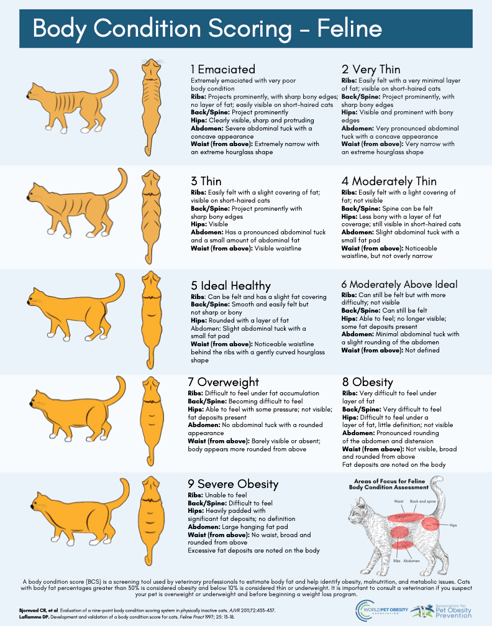
As your cat grows older, you might notice changes in their behavior or health that can be worrying. Understanding the common health issues in senior cats can help you spot problems early and give your furry friend the care they deserve.
You want to keep your cat comfortable and happy for as long as possible, right? By learning what to watch for, you can make sure your beloved pet enjoys their golden years with the best quality of life. Keep reading to discover the signs you should never ignore and how to help your senior cat stay healthy.
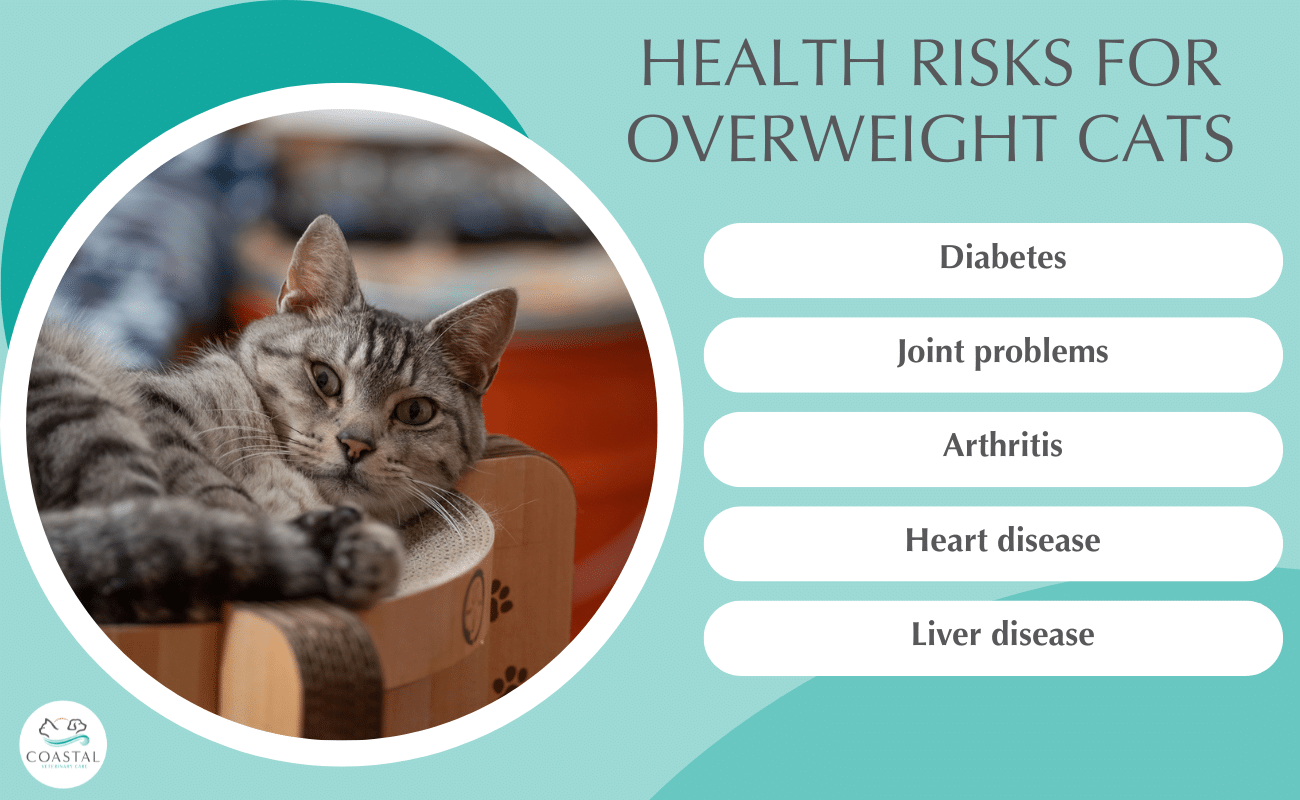
Credit: coastalveterinarycare.vet
Common Health Problems
Senior cats face many health challenges as they age. Their bodies change, making them prone to certain illnesses. Knowing common health problems helps owners provide better care. Early detection can improve quality of life and longevity.
Arthritis And Joint Pain
Arthritis is common in older cats. It causes joint stiffness and pain. Moving, jumping, and playing become difficult. Cats may hide or show irritability. Regular vet check-ups can help manage symptoms. Treatment includes pain relief and gentle exercise.
Dental Disease
Dental problems affect many senior cats. Symptoms include bad breath, drooling, and difficulty eating. Gum inflammation and tooth loss are common. Poor dental health can cause infections. Regular teeth cleaning and dental care are vital.
Kidney Issues
Kidney disease is a frequent problem in aging cats. It causes increased thirst and urination. Weight loss and poor appetite may appear. Early diagnosis can slow kidney damage. Special diets and medication help manage the condition.
Hyperthyroidism
Hyperthyroidism occurs when the thyroid gland is overactive. It speeds up metabolism, causing weight loss and restlessness. Cats may eat more but lose weight. Treatment options include medication, diet, or surgery. Regular blood tests detect this disease early.
Diabetes
Diabetes affects blood sugar regulation. Symptoms include excessive thirst, urination, and weight loss. Cats may become weak or lethargic. Insulin injections and diet changes control diabetes. Monitoring blood sugar levels is important for treatment.
Heart Conditions
Heart disease can develop with age. Symptoms include coughing, difficulty breathing, and fatigue. Some cats show no signs until advanced stages. Early diagnosis helps manage symptoms. Treatment may involve medication and lifestyle changes.
Cancer In Senior Cats
Cancer risk increases with age in cats. Tumors can develop in many body parts. Symptoms vary based on cancer type and location. Early detection improves treatment success. Regular vet exams and prompt attention to changes are crucial.

Credit: justcatsclinic.com
Recognizing Symptoms
Spotting health problems early in senior cats can make a big difference in their quality of life. Cats are experts at hiding discomfort, so you need to watch carefully for subtle signs. Paying close attention to changes in their daily habits helps you catch issues before they become serious.
Changes In Appetite
If your cat suddenly eats less or more, this could signal health troubles. Loss of appetite might point to dental pain, kidney disease, or digestive problems. On the other hand, increased hunger could indicate diabetes or thyroid issues.
Have you noticed your cat skipping meals or begging for extra food? Keeping a simple food diary for a week can reveal patterns you might miss otherwise.
Behavioral Shifts
Senior cats might act differently when they’re unwell. Look for signs like increased hiding, irritability, or sudden vocalization. These behaviors often reflect pain, confusion, or discomfort.
Think about whether your cat is less social or more anxious than usual. Sometimes, these subtle shifts are the first clues to cognitive decline or arthritis.
Mobility Challenges
Difficulty jumping, climbing stairs, or stiffness can indicate arthritis or muscle weakness. If your cat starts dragging a paw or seems less graceful, it’s time for a vet check.
Observe how your cat moves around the house. Do they avoid certain areas or struggle to get onto their favorite spots? Noticing these signs early allows for quicker intervention.
Litter Box Habits
Changes in litter box use often signal health problems. Straining, frequent urination, or accidents outside the box might mean urinary tract infections or kidney disease.
Has your cat started avoiding the litter box or showing signs of discomfort while using it? Tracking these changes can help your vet diagnose issues faster.
Preventive Care Tips
Keeping your senior cat healthy takes more than just love and attention—it requires active preventive care. Addressing common health issues early can add comfort and years to your cat’s life. Here are essential tips to help you stay ahead and keep your feline friend feeling their best.
Regular Vet Checkups
Scheduling vet visits at least twice a year helps catch health problems before they escalate. Senior cats often hide symptoms, so professional checkups are crucial. Ask your vet about blood tests and screenings to monitor kidney function, thyroid health, and arthritis.
Have you noticed your cat acting differently but can’t pinpoint why? A vet’s insight might reveal hidden issues. Don’t wait for obvious signs—early detection can make all the difference.
Balanced Nutrition
Your cat’s dietary needs change as they age. Senior cats benefit from food designed to support joint health and maintain a healthy weight. Look for diets rich in omega-3 fatty acids, antioxidants, and high-quality protein.
Pay attention to portion sizes and avoid overfeeding. Excess weight puts extra strain on joints and organs, making health problems worse. Have you checked the ingredients in your cat’s food lately to ensure it fits their current needs?
Exercise And Activity
Keeping your senior cat active improves mobility and mental health. Gentle play sessions with toys or short bursts of climbing on cat trees can keep muscles strong. Even older cats enjoy interactive games that stimulate their minds.
Try setting aside a few minutes daily to encourage movement. Could adding a new toy or rearranging your cat’s environment boost their activity? Small changes often lead to big improvements.
Dental Hygiene
Dental problems are common in older cats and can cause pain or infections. Regular brushing with cat-safe toothpaste reduces plaque buildup and prevents gum disease. If brushing isn’t an option, dental treats or water additives can help.
Watch for signs like bad breath or difficulty eating. These may indicate dental issues needing vet attention. How often do you check your cat’s teeth and gums? Making dental care a routine can protect your cat’s overall health.
Managing Chronic Conditions
Managing chronic conditions in senior cats requires patience and close attention to their changing needs. These long-term health issues can affect your cat’s comfort and quality of life, but with the right approach, you can help your furry friend stay happy and active. Understanding how to handle medications, ease pain, and track progress is essential for effective care.
Medication Options
Many senior cats need daily medications to control chronic illnesses like kidney disease or arthritis. Your vet might prescribe pills, liquids, or injections depending on what’s easiest for your cat and most effective for the condition.
It’s important to give medications consistently and at the right times. If your cat resists, try hiding pills in small treats or using a pill pocket. Have you noticed any side effects? Always report these to your vet immediately.
Pain Management
Chronic pain can make your cat withdrawn or less playful. Pain relief options include anti-inflammatory drugs, supplements like omega-3 fatty acids, or even acupuncture in some cases.
Observe your cat’s behavior closely—limping, avoiding jumping, or changes in grooming can signal discomfort. What signs does your cat show when in pain? Addressing pain early helps maintain their mobility and mood.
Monitoring Progress
Keeping track of your cat’s health helps catch any changes early. Maintain a simple journal recording appetite, activity levels, litter box habits, and any new symptoms.
Regular vet visits are crucial, but your daily observations matter most. How does your cat’s condition today compare to last week? This insight guides treatment adjustments and keeps your cat comfortable longer.
Creating A Comfortable Environment
Creating a calm and cozy space helps senior cats feel safe and reduces stress. Soft bedding and quiet areas support their comfort and health.
Creating a comfortable environment for senior cats is essential. Aging cats often face various health issues. A peaceful home setting can greatly improve their well-being. Let’s explore how to make their surroundings cozy and supportive.Safe And Accessible Spaces
Ensure your senior cat moves around safely. Create pathways free of obstacles. Use non-slip mats to prevent falls. Keep food, water, and litter boxes on one floor. This reduces the need for climbing stairs. Install ramps or steps near favorite resting spots. This helps them access high places with ease.Stress Reduction
Minimize stress for your senior cat. Maintain a consistent routine daily. This provides a sense of security. Offer a quiet space for your cat to retreat. Use pheromone diffusers to calm anxious cats. Interactive toys can stimulate and engage them. Avoid loud noises or sudden changes in their environment.Temperature Control
Keep the home temperature consistent. Senior cats are sensitive to temperature changes. Provide warm bedding in colder months. Ensure cool spots in the heat. Avoid placing their bed in drafty areas. Use blankets or heating pads for warmth. Always ensure they have the option to move to a cooler space.
Credit: weareallaboutcats.com
Frequently Asked Questions
What Are Common Health Problems In Senior Cats?
Senior cats often face arthritis, kidney disease, diabetes, dental issues, and hyperthyroidism. These conditions affect their mobility, appetite, and overall health. Regular vet check-ups help detect and manage these problems early, improving your cat’s quality of life in old age.
How Can I Detect Arthritis In Older Cats?
Signs of arthritis include limping, stiffness, reluctance to jump, and decreased activity. Senior cats may also groom less due to pain. Observing these changes and consulting a vet promptly can help manage arthritis and keep your cat comfortable.
What Causes Kidney Disease In Senior Cats?
Kidney disease in senior cats often results from aging, dehydration, or infections. Poor kidney function leads to toxin buildup in the blood, causing weight loss and lethargy. Early diagnosis and treatment are essential to slow disease progression and improve lifespan.
How To Manage Diabetes In Older Cats?
Diabetes in senior cats requires a balanced diet, insulin therapy, and regular blood sugar monitoring. Weight management and consistent feeding schedules help stabilize glucose levels. Working closely with a vet ensures proper treatment and improved health outcomes for diabetic cats.
Conclusion
Senior cats often face health problems like arthritis and kidney disease. Watching their behavior helps catch issues early. Regular vet visits keep your cat healthy longer. Good food and gentle exercise support their well-being. Remember, small changes make a big difference.
Caring for older cats shows your love. Keep learning and stay patient with their needs. Healthy seniors are happy seniors.

Leave a Reply