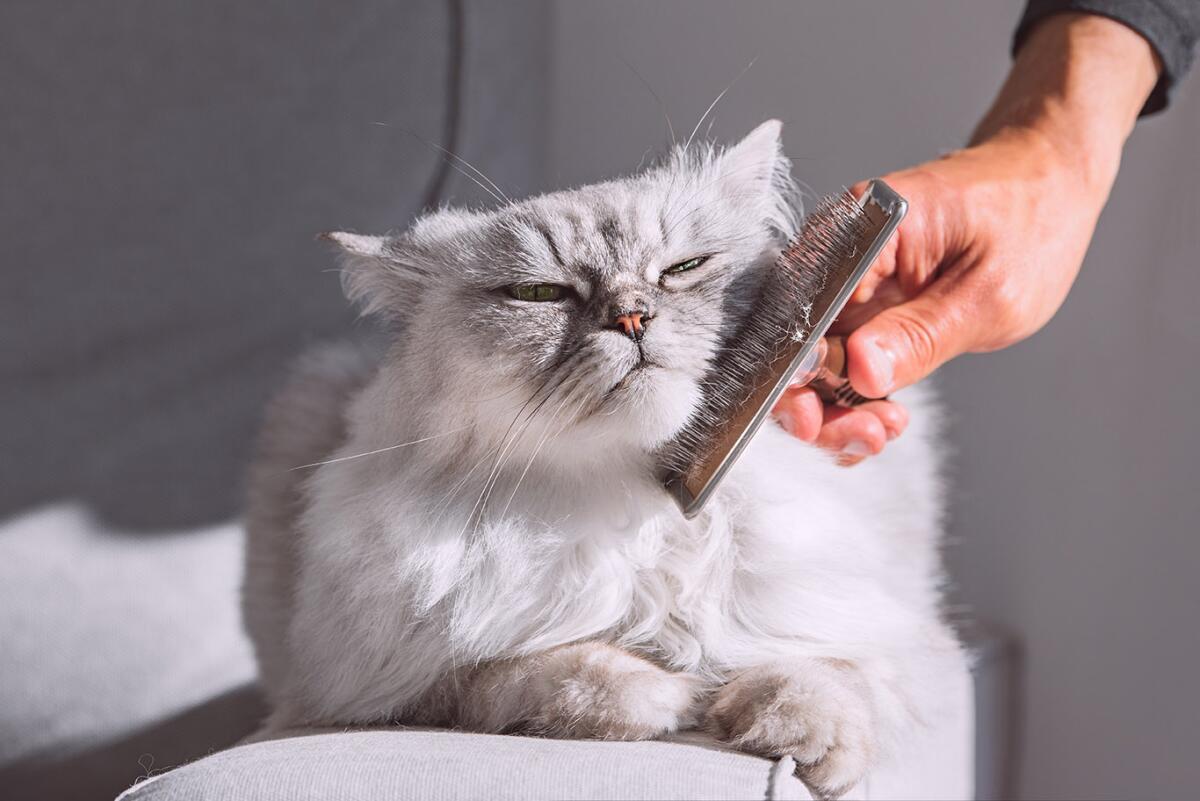
Grooming a long-haired cat can be tricky, especially when your furry friend tends to bite. You want your cat to look beautiful and feel comfortable, but those sharp little teeth can make brushing a challenge.
Don’t worry—you’re not alone, and there are simple ways to make grooming easier and safer for both of you. You’ll discover practical tips that help calm your cat, reduce biting, and keep their coat smooth and tangle-free. Keep reading to turn grooming time into a peaceful routine you both can enjoy.
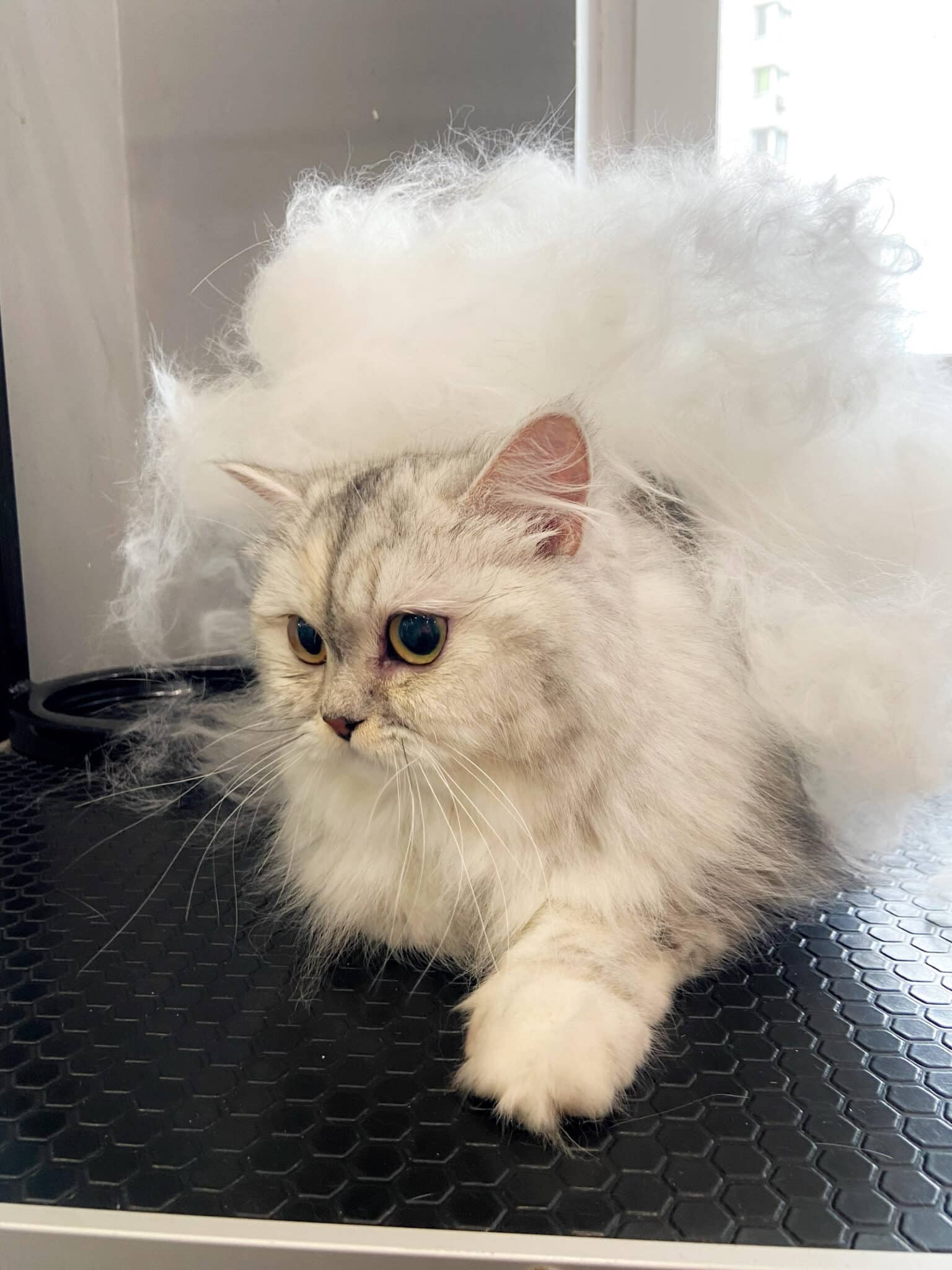
Credit: vogdog.com
Preparing Your Cat For Grooming
Preparing your long-haired cat for grooming can feel challenging, especially if your feline tends to bite. The key is to approach the process thoughtfully and patiently, setting the stage for a smoother experience. Taking time to prepare both your cat and yourself can reduce stress and increase cooperation.
Choosing The Right Time
Pick a moment when your cat is naturally calm or sleepy. Right after a meal or play session often works well because your cat is more relaxed. Avoid grooming when your cat is hyper or agitated, as biting is more likely then.
Have you noticed when your cat is most approachable during the day? Observing these patterns helps you select the best grooming window.
Setting Up A Calm Environment
Create a quiet, comfortable spot free from distractions and loud noises. A familiar space where your cat feels safe can ease anxiety. Soft lighting and gentle background sounds, like calm music, can help keep your cat relaxed.
Consider using a non-slip surface like a towel or mat to make your cat feel more secure. Your calm demeanor also plays a huge role—speak softly and move slowly to avoid startling your cat.
Gathering Essential Tools
Having all the necessary tools ready before you start prevents interruptions that might upset your cat. For long-haired cats that bite, gentle grooming tools are a must. A wide-toothed comb, a slicker brush with soft bristles, and nail clippers are good basics.
- Choose a brush designed to detangle without pulling.
- Keep treats nearby to reward good behavior.
- Have styptic powder on hand in case of accidental nail snips.
Preparing tools in advance shows your cat that grooming is a smooth, predictable routine rather than a sudden, stressful event.

Credit: nationalcatgroomers.com
Understanding Cat Behavior
Understanding your cat’s behavior is key to making grooming a smoother experience, especially if your long-haired feline tends to bite. Cats communicate a lot through their body language and actions. If you learn to read these signals, you can prevent stressful moments and handle grooming more effectively.
Recognizing Signs Of Stress
Stress in cats can show up in subtle ways. Watch for flattened ears, twitching tails, or dilated pupils. These signs often mean your cat feels threatened or uncomfortable.
Other behaviors to notice include growling, hissing, or sudden attempts to escape. Recognizing these early signs allows you to pause before things escalate. Have you ever missed these cues and ended up with a scratch or bite?
Why Cats Bite During Grooming
Biting is often a cat’s way of saying “stop.” Grooming can be uncomfortable if mats pull on their fur or if sensitive areas are touched. Sometimes, cats bite because they feel cornered or overwhelmed.
Understanding this helps you avoid pushing too hard. You might want to try shorter grooming sessions or use treats to create a positive association. What triggers your cat’s biting the most?
Building Trust With Your Cat
Trust doesn’t happen overnight. Start by spending quiet time near your cat without any grooming tools. Let your cat approach you on their own terms.
Use gentle petting and speak softly to build comfort. Gradually introduce grooming tools, letting your cat sniff them first. Have you noticed how trust changes your cat’s reaction during grooming?
Safe Handling Techniques
Handling a biting long-haired cat carefully helps reduce stress during grooming. Use gentle restraint and stay calm to keep your cat safe and comfortable. Taking breaks often lets your cat relax and lowers the chance of bites.
Grooming a long-haired cat that has a tendency to bite can be a daunting task. However, using safe handling techniques can make the process smoother and more comfortable for both you and your feline friend. With the right approach, you can ensure that grooming becomes a stress-free experience, even for the most feisty of cats.Using Gentle Restraints
Gentle restraints can be your best friend when grooming a cat that bites. Instead of forcefully holding your cat, try wrapping them in a soft towel, leaving only their head exposed. This “kitty burrito” technique keeps your cat calm and prevents sudden movements, reducing the risk of bites. If you’re working alone, consider using a grooming bag. These bags have openings for accessing different parts of the cat’s body while keeping them secure. Always ensure the bag is comfortable and not too tight, allowing your cat to breathe easily and remain relaxed.Protective Gear For Groomers
Protective gear is essential when dealing with a biter. Wearing long sleeves and gloves can save you from scratches and bites. Opt for gloves made of thick, durable material that still allows you flexibility to handle grooming tools effectively. Face protection might also be necessary if your cat is particularly aggressive. A simple face shield can protect you from unexpected swipes, giving you peace of mind as you groom. Remember, safety first ensures a more confident grooming session.Positioning Your Cat Comfortably
Positioning your cat correctly is crucial for a successful grooming session. Place your cat on a non-slip surface to prevent them from sliding around, which can cause anxiety. A rubber mat or a towel can provide the necessary grip. Ensure your cat is at a comfortable height for both you and them. If possible, use a grooming table. This not only saves your back but also gives your cat a sense of security. Engaging in a soothing tone and offering treats can make your cat more amenable to grooming. Have you ever tried these techniques with your own cat? What was the result? Share your experiences and help others facing similar challenges.
Credit: www.youtube.com
Step-by-step Grooming Process
Grooming a long-haired cat that tends to bite can be challenging, but a calm and patient approach makes all the difference. Breaking down the grooming into manageable steps helps your cat feel safer and less stressed. Let’s focus on ways to keep both you and your cat comfortable during this process.
Brushing Without Aggression
Start by choosing a quiet spot where your cat feels secure. Use a soft-bristled brush and begin with gentle strokes on areas your cat tolerates the most, like the back. Notice your cat’s body language—if they tense or try to bite, pause and give them a break.
Try brushing for just a minute or two at a time to build trust. Offering treats during brushing sessions can change your cat’s mindset to associate grooming with positive experiences. Have you tried using a calming spray or pheromone diffuser nearby to ease their anxiety?
Detangling Mats And Knots
Mats and knots can cause discomfort, making your cat more defensive. Use your fingers first to gently pull apart smaller tangles before using a wide-toothed comb. If you encounter a tough mat, hold the fur close to the skin to minimize pulling and carefully work through it.
Never cut mats out yourself unless you’re confident, as this can lead to injury. Instead, consider a professional groomer if the mats are severe. How do you react when your cat resists detangling—do you stay calm or get frustrated? Your mood influences your cat’s behavior.
Bathing Tips For Long-haired Cats
Bathing can be the most stressful part, especially for a cat that bites. Prepare everything beforehand: mild cat shampoo, a non-slip mat, and warm water. Keep the water shallow and speak softly to reassure your cat throughout the bath.
Use a handheld sprayer or a cup to wet your cat slowly, avoiding the face and ears. Rinse thoroughly to prevent skin irritation, then wrap your cat in a warm towel for drying. Have you noticed if your cat reacts better to baths in the sink or the tub?
Managing Biting And Aggression
Dealing with a long-haired cat that bites during grooming can be challenging. Biting often signals fear, discomfort, or stress. Understanding how to manage this behavior helps create a calmer experience for both you and your cat.
Redirecting Negative Behavior
If your cat tries to bite, gently redirect their attention to something else. Offer a favorite toy or a soft brush to bite instead of your hands. This shift helps your cat understand what is acceptable to nip at during grooming sessions.
Try moving your focus to less sensitive areas first, like the back or sides, before tackling tangled fur near the face or paws. This way, your cat feels less threatened and is less likely to bite.
Positive Reinforcement Strategies
Reward calm behavior immediately with treats or gentle petting. This teaches your cat that staying calm during grooming results in something pleasant. Timing is key—offer rewards right after your cat behaves well.
Use a calm, soothing voice throughout the grooming to reduce anxiety. You might notice your cat responds better when you praise them softly. Have you tried pairing treats with verbal praise to encourage your cat’s cooperation?
When To Take Breaks
Recognize signs of stress such as flattened ears, tail flicking, or growling. If you see these, pause the grooming session. Taking breaks prevents escalation and shows respect for your cat’s limits.
Short, frequent grooming sessions often work better than long, intense ones. Even five-minute breaks can make a big difference in your cat’s willingness to continue. How long can your cat stay calm before needing a break?
Maintaining Grooming Routine
Maintaining a regular grooming routine is key for long-haired cats that tend to bite. Consistency helps your cat get used to the process. It reduces stress and keeps their coat healthy. Patience and care build trust between you and your cat over time.
Frequency And Duration Tips
Groom your cat often, but keep sessions short. Aim for 5 to 10 minutes each time. Watch your cat’s mood and stop if they get too upset. Daily brushing is ideal for long-haired cats. Short, frequent sessions work better than one long session.
Keeping Your Cat Comfortable
Choose a quiet, calm space for grooming. Use a soft brush and gentle strokes. Speak softly to soothe your cat. Offer treats or favorite toys after each session. Keep nails trimmed to avoid accidental scratches. Warm your hands before touching your cat to avoid startling them.
Tracking Progress Over Time
Keep a grooming diary to note dates and reactions. Write down how long each session lasted. Note any changes in your cat’s behavior. Track improvements in coat condition and biting frequency. Adjust your routine based on this information. Celebrate small wins to stay motivated.
When To Seek Professional Help
Grooming a long-haired cat that bites can be very challenging. Some cats become stressed or aggressive during grooming. Knowing when to ask for professional help can keep both you and your cat safe. It also ensures your cat’s coat stays healthy and neat.
Signs You Need A Groomer
- Your cat bites or scratches during grooming attempts.
- Matting or tangles are too tight or painful to remove.
- Your cat hides or shows fear around grooming tools.
- Grooming sessions cause extreme stress or aggression.
- Your cat has skin issues that need careful handling.
- Regular brushing does not keep the coat clean or healthy.
Choosing A Cat Grooming Specialist
Select a groomer who understands cat behavior well. They should have experience handling difficult or aggressive cats. Ask about their training and certifications. Check if the grooming salon is calm and cat-friendly. A good groomer uses gentle techniques and proper tools. They know how to make cats feel safe. Visit the salon first to see the environment. Talk to the groomer about your cat’s needs.
Veterinary Support For Aggressive Cats
Sometimes aggression during grooming is linked to health problems. A vet can check for pain or illness causing this behavior. They may suggest calming treatments or medications. Some cats benefit from sedation for grooming sessions. A vet can guide you on safe options. Regular health checks help catch issues early. Veterinary advice ensures grooming is safe and stress-free for your cat.
Frequently Asked Questions
How Can I Safely Groom A Biting Long-haired Cat?
Use slow, gentle movements and calm tones. Wear protective gloves and use a soft brush. Take breaks if the cat shows stress. Reward with treats to build trust and reduce biting over time.
What Tools Are Best For Grooming Long-haired Cats?
Use a wide-toothed comb and a slicker brush. These tools help detangle without pulling fur. Avoid metal combs that may hurt sensitive skin. Regular grooming prevents mats and keeps the coat healthy.
Why Does My Long-haired Cat Bite During Grooming?
Cats may bite due to fear, pain, or overstimulation. They might dislike certain areas being touched. Understanding their body language helps prevent bites. Gradually build grooming tolerance with patience and positive reinforcement.
How Often Should I Groom A Long-haired Cat?
Groom your cat at least 3-4 times weekly. Frequent brushing prevents mats and reduces shedding. Adjust frequency based on your cat’s coat condition and comfort level.
Conclusion
Grooming a long-haired cat that bites takes patience and care. Stay calm and gentle to help your cat feel safe. Use the right tools and take breaks when needed. Watch your cat’s body language to avoid bites. Regular grooming keeps your cat healthy and happy.
Small steps make a big difference over time. Keep trying, and your cat will learn to enjoy grooming. You can build trust and care for your furry friend well.


Leave a Reply