Have you ever wondered if all cats enjoy playing with toys? Maybe your furry friend ignores the colorful mouse you bought or bats at a feather wand with little interest.
Understanding your cat’s love—or lack of love—for toys can change the way you interact and bond with them. You’ll discover why some cats are toy fanatics while others prefer to watch from the sidelines. Ready to unlock the secret to keeping your kitty happy and entertained?
Let’s dive in!
Cat Play Behavior
Understanding your cat’s play behavior can change how you interact with them and choose toys. Cats don’t all play the same way, and their interest in toys varies a lot. Observing their natural habits gives you clues on what excites or bores them.
Instincts Behind Play
Play is more than just fun for cats; it’s rooted in their hunting instincts. When your cat bats at a feather or chases a laser, it mimics stalking and pouncing on prey. This instinctual behavior helps them stay sharp and fit.
Have you noticed how your cat reacts differently to a moving string versus a stationary ball? Movement triggers their hunting drive. Toys that imitate small animals usually grab their attention better.
Age And Play Patterns
Kittens are like little tornadoes of energy, often chasing anything that moves. Their play is fast and frequent, helping them learn coordination and social skills. Older cats tend to slow down, preferring short bursts of play and more gentle interactions.
If you have a senior cat, you might find they enjoy softer, quieter toys or interactive games that don’t require constant chasing. Have you tried switching up toys as your cat ages to match their energy level?
Breed Differences
Some breeds are naturally more playful than others. Siamese and Abyssinians, for example, are known for their curiosity and high energy, often enjoying active play. On the other hand, Persian cats might prefer lounging and gentle play sessions.
Knowing your cat’s breed tendencies helps you pick toys that suit their personality. What kind of play does your cat enjoy most? Tailoring playtime can strengthen your bond and keep your cat happy and healthy.

Credit: us.amazon.com
Types Of Cat Toys
Cats enjoy a variety of toys that keep them active and happy. Different toys serve different purposes. Some encourage play with their owners. Others are perfect for solo fun. Understanding toy types helps choose the best for your cat’s personality and energy.
Interactive Toys
Interactive toys require human involvement. They engage cats in chasing, pouncing, or hunting games. Popular examples include feather wands and laser pointers. These toys strengthen the bond between cat and owner. They also provide mental and physical exercise. Interactive play satisfies a cat’s natural hunting instincts.
Solo Play Toys
Solo play toys keep cats busy without help. These include balls, catnip mice, and puzzle feeders. Cats can bat, chase, and chew these toys alone. Solo toys help reduce boredom and anxiety. They are ideal for times when owners are busy or away. Cats often carry or hide these toys for later fun.
Homemade Vs. Store-bought
Homemade toys use simple household items. Examples are crumpled paper balls, cardboard boxes, and string. They are affordable and customizable. Store-bought toys offer durability and special features. They come in various shapes, sizes, and materials. Both types can be safe and fun. Always supervise play to avoid choking or injury.
Factors Influencing Toy Interest
Cats have unique personalities, so not all are toy enthusiasts. Understanding why a cat may or may not like toys involves exploring various factors. These include personality traits, past experiences, and health and energy levels. Each of these elements can significantly impact a cat’s interest in play.
Personality Traits
Every cat has its own personality. Some are playful and energetic. Others might be more reserved and relaxed. Playful cats often enjoy toys that mimic prey. These can include feather wands or laser pointers. Shy or nervous cats may prefer quieter, solitary play. Understanding a cat’s personality helps in selecting the right toys.
Past Experiences
A cat’s past experiences shape its behavior. Cats previously exposed to various toys may show more interest. Positive interactions with toys can increase a cat’s interest. Negative experiences, like a loud toy, might discourage play. Introducing toys gradually can help build positive associations.
Health And Energy Levels
A cat’s health impacts its interest in toys. Healthy cats with high energy levels often enjoy active play. Older or ill cats might prefer gentle activities. Toys can also provide mental stimulation for cats with limited mobility. Considering a cat’s health ensures toys are safe and enjoyable.
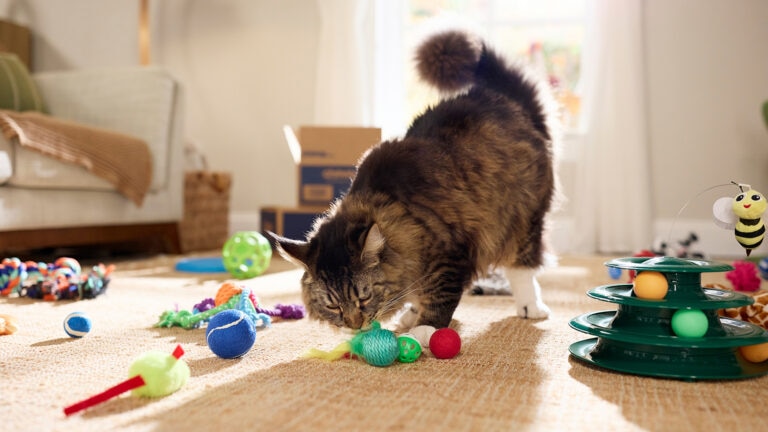
Credit: www.chewy.com
Signs A Cat Enjoys Toys
Understanding whether your cat enjoys toys can make playtime more rewarding for both of you. Cats show their interest in toys in subtle and clear ways, and recognizing these signs helps you choose the best toys to keep them happy and active.
Engagement Indicators
Look for moments when your cat focuses intently on a toy. They may paw at it, chase it, or bat it around with enthusiasm. Some cats even carry toys in their mouths, showing a strong attachment.
Does your cat bring a toy to you? That’s a clear sign they want to interact and share the fun. Purring or playful chirps during play also point to genuine enjoyment.
Behavioral Changes
Notice if your cat becomes more active or curious after introducing new toys. A shy cat might start exploring more or show less stress when they have favorite toys around. Increased energy and a boost in confidence often follow regular play sessions.
Have you seen your cat waiting by the toy box or following you when you grab a toy? These behaviors show anticipation and eagerness. It’s a good sign your cat values playtime as part of their daily routine.
Favorite Toy Features
Some cats prefer toys that move unpredictably, like feather wands or balls that bounce. Others enjoy soft toys they can cuddle or carry. Watch which toys your cat returns to again and again.
Does your cat favor toys that make noise or have a particular texture? Noticing these preferences helps you choose toys that keep their attention longer. Have you experimented with different types to see what sparks your cat’s interest most?
When Cats Ignore Toys
Not all cats show interest in toys right away. Some might simply ignore them. This behavior can puzzle many cat owners. Understanding why cats avoid toys helps improve their playtime experience. Play is important for a cat’s health and happiness. Observing your cat’s reactions gives clues about their preferences. Patience and creativity often encourage shy or bored cats to engage more.
Possible Reasons
- Your cat may feel tired or sleepy.
- The toy might not match their play style.
- Some cats prefer quiet over noisy toys.
- Stress or changes in the environment can affect interest.
- Health issues might reduce energy and curiosity.
- Your cat might lack hunting instincts or motivation.
Alternative Activities
Not all cats enjoy traditional toys. Some prefer other forms of stimulation. Observing their favorite activities helps find good alternatives.
- Use laser pointers to encourage chasing.
- Offer cardboard boxes or paper bags for hiding.
- Interactive feeders stimulate hunting instincts.
- Cat trees and shelves provide climbing fun.
- Soft blankets and pillows can be comforting spots.
Encouraging Play
Try different ways to make playtime exciting. Use gentle movements to mimic prey. Change toys often to keep interest high.
- Play in short sessions to avoid fatigue.
- Use treats or praise to reward participation.
- Engage with your cat using hands carefully.
- Choose toys with varied textures and sounds.
- Set a regular play schedule to build routine.

Credit: www.goodhousekeeping.com
Choosing Toys For Your Cat
Choosing the right toys for your cat goes beyond picking colorful objects off the shelf. Each cat has unique tastes, so understanding those preferences will help you select toys that truly engage and entertain. Paying attention to safety and keeping your cat’s interest alive through rotation can make playtime both fun and beneficial.
Matching Preferences
Not all cats chase strings or pounce on feather wands. Some prefer toys that mimic prey, like small balls or mice, while others enjoy interactive puzzles or laser pointers. Watch how your cat plays—do they stalk quietly or leap energetically? Matching toys to these behaviors makes playtime more exciting for them.
If your cat shies away from noisy toys, try silent ones like soft fabric mice. If they love chasing, consider lightweight balls or rolling toys. Your cat’s reaction will guide you better than any label.
Safety Considerations
Safety should always come first when choosing toys. Avoid small parts that your cat could swallow or toys with loose strings that might cause choking. Inspect toys regularly for wear and tear—frayed edges or broken parts can be dangerous.
Materials matter too. Non-toxic, durable materials like natural rubber or tightly woven fabric are safer choices. Think about your cat’s chewing habits; if they tend to shred toys quickly, sturdier options are best.
Rotating Toys For Interest
Does your cat lose interest in toys quickly? Rotating toys can keep their curiosity sharp. Put some toys away for a week, then bring them back fresh—this simple trick makes old toys feel new again.
Try grouping toys by type and switch them regularly to see which ones reignite your cat’s enthusiasm. Have you noticed your cat’s excitement spike when a forgotten toy reappears? This shows how rotation can maintain their play motivation over time.
Frequently Asked Questions
Do All Cats Enjoy Playing With Toys?
Not all cats enjoy toys equally. Preferences vary based on personality, age, and past experiences. Some cats are more playful, while others may prefer resting or exploring.
What Types Of Toys Do Most Cats Prefer?
Most cats prefer toys that mimic prey, like feather wands, laser pointers, or small balls. Interactive toys engage their hunting instincts and keep them mentally stimulated.
How Can I Tell If My Cat Likes A Toy?
If your cat pounces, bats, or chases the toy, it shows interest. Cats may also vocalize or bring toys to you as a sign of enjoyment.
Can Toys Help Reduce My Cat’s Boredom?
Yes, toys provide mental and physical stimulation, reducing boredom. Regular playtime helps prevent destructive behaviors and keeps your cat healthy and happy.
Conclusion
Not every cat enjoys playing with toys. Each cat has its own likes and dislikes. Some cats prefer quiet resting spots instead. Toys can help keep many cats active and happy. Watch your cat to learn what it likes best.
Offering different toys can find what excites your cat. Playtime can build a stronger bond between you and your pet. Patience helps in understanding your cat’s unique personality. Enjoy the moments you share, with or without toys.

Leave a Reply