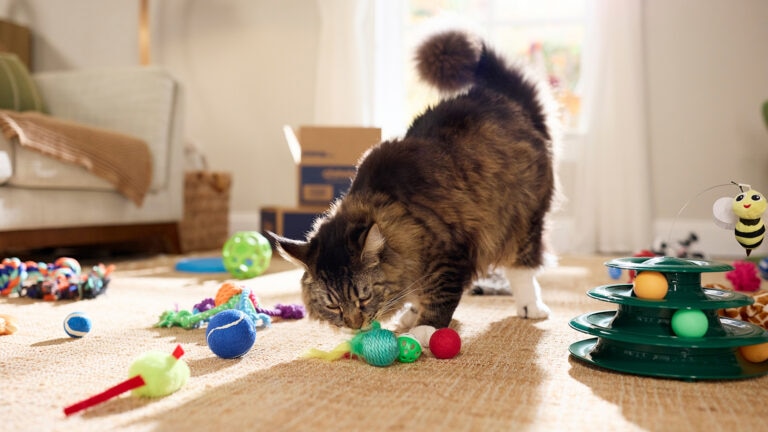
Have you ever wished your cat would bring back a toy like a loyal dog? It might seem impossible, but with the right approach, you can teach your furry friend this fun trick.
Imagine the joy of playing fetch with your cat and watching them proudly return your favorite toy. You’ll discover simple, effective steps to encourage your cat to bring back a toy, making playtime more exciting for both of you. Keep reading, and soon your cat will be the star of every game!

Credit: cheerble.com
Why Cats Bring Toys
Cats often bring toys to their owners. This action may seem strange but has deep meaning. Understanding why cats bring toys helps improve bonding and playtime. It shows their natural instincts and feelings.
Instinctive Behavior
Cats are hunters by nature. Bringing toys mimics hunting behavior. They catch, carry, and bring prey to a safe place. Toys act as pretend prey. This behavior is natural and satisfying for cats.
Play And Hunting Drive
Play is important for cats. It keeps them active and sharp. Toys help cats practice hunting skills. Bringing toys back shows their hunting drive. It keeps their mind and body busy.
Seeking Attention
Cats may bring toys to get your attention. They want to interact and play. This behavior shows trust and affection. Responding positively encourages more play and closeness. It builds a stronger bond between you and your cat.
Choosing The Right Toy
Choosing the right toy is key to encouraging your cat to bring it back. Not every toy will spark your cat’s interest or motivate them to engage with you. Understanding what appeals to your cat’s natural instincts makes the difference between a forgotten toy and an interactive playtime session.
Preferred Toy Types
Most cats love toys that mimic prey, such as small balls, feather wands, or plush mice. Notice what your cat naturally chases or bats around at home. If your cat prefers chasing shadows or chasing laser pointers, try toys that move unpredictably.
Have you observed whether your cat prefers toys that they can carry or ones they just chase? Selecting a toy your cat wants to pick up is crucial for teaching them to bring it back.
Size And Texture
The size of the toy affects your cat’s ability to carry it comfortably. Toys that are too large or heavy might discourage your cat from picking them up. Aim for toys that fit easily in their mouth without causing discomfort.
Texture also plays a major role. Soft, lightweight toys are usually favored, but some cats enjoy firmer toys they can bite into. Pay attention to what your cat likes to chew or paw at during playtime.
Interactive Features
Toys with interactive elements can hold your cat’s attention longer. Features like bells, crinkly materials, or feathers add sounds and sensations that stimulate your cat’s curiosity. These features can make the toy more enticing to chase and retrieve.
Consider toys that encourage movement, such as those attached to strings or those that bounce unpredictably. Does your cat respond better to toys they can control, or ones that move on their own? Finding the right interactive element can help you teach your cat to bring the toy back to you.
Training Your Cat
Training your cat to bring back a toy takes patience and clear communication. Cats learn best through gentle encouragement and rewards. Consistency is key for building good habits. Small, focused sessions work better than long ones. Observe your cat’s reactions and adjust your approach.
Positive Reinforcement
Positive reinforcement means rewarding your cat for good behavior. Praise, treats, or petting can motivate your cat. Avoid punishment or negative reactions. Cats respond well to kindness and encouragement. Each time your cat brings the toy, offer a reward immediately. This helps your cat link the action with a positive outcome.
Step-by-step Training
- Start by getting your cat interested in the toy.
- Encourage your cat to touch or hold the toy.
- Call your cat gently while showing the toy.
- Reward your cat when it moves towards you with the toy.
- Gradually increase the distance between you and the toy.
- Repeat often but keep sessions short and fun.
Using Treats Effectively
Choose treats your cat loves and use them wisely. Give small pieces to avoid overfeeding. Offer a treat right after your cat returns the toy. This timing helps your cat understand what action earns the reward. Avoid giving treats without the toy return. Treats become a powerful tool when used at the right moment.
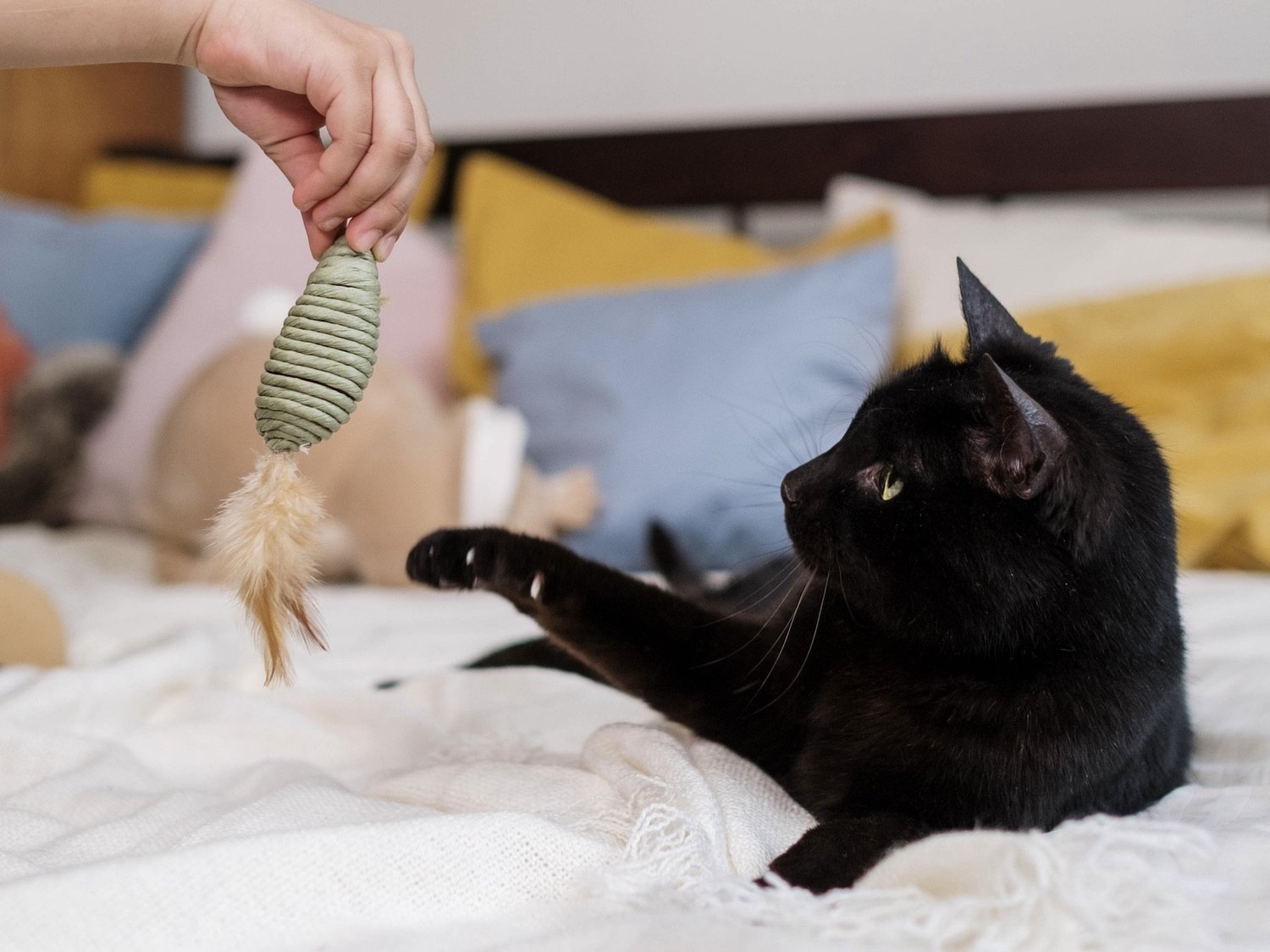
Credit: www.ministryofcat.com
Creating A Play Routine
Create a fun and consistent playtime with your cat to encourage toy retrieval. Use gentle praise and small treats when they bring the toy back. Patience and repetition help build this playful habit.
Creating a play routine can help your cat learn new tricks. Building a consistent schedule encourages your cat to engage regularly. This structure makes learning more effective.Consistent Playtime
Cats thrive on routine. Set aside time daily for play. This helps your cat anticipate and enjoy the activity. Morning or evening times work best. Keep play sessions short and focused. Ten to fifteen minutes is ideal. This prevents your cat from losing interest. Consistency builds trust and excitement.Engaging Activities
Choose toys your cat loves. Wand toys, balls, and plushies are popular. Rotate toys to keep things fresh. Hide toys for your cat to find. This taps into their hunting instincts. Use toys that mimic natural movements. This keeps your cat intrigued and active.Rewarding Retrieval
Encourage your cat to bring back toys. Use treats as positive reinforcement. Praise your cat with a gentle voice. Give a treat when they return the toy. This reinforces the behavior you want. Gradually reduce treats as your cat learns. Continue to praise and engage with them. This builds a strong and enjoyable routine.Dealing With Common Challenges
Getting your cat to bring back a toy can be tricky, especially when you hit some common roadblocks. These challenges often test your patience and creativity. Understanding what might be holding your cat back is the first step to turning playtime into a fun, interactive experience for both of you.
Lack Of Interest
Sometimes your cat just isn’t interested in the toy you’ve chosen. Cats have unique preferences, and what excites one might bore another. Try switching toys often—feathers, balls, or even crinkly objects can spark curiosity.
Notice what your cat naturally chases or bats at during free play. Use those insights to pick a toy that feels irresistible. You might find that adding a little catnip can also boost their enthusiasm.
Distracted Cats
Does your cat get easily distracted during fetch? It’s common for cats to lose focus, especially if there’s a lot going on in their environment. Minimize distractions by choosing a quiet room and turning off background noise.
Short, frequent sessions work better than long ones. Your cat’s attention span is limited, so a few quick tosses can keep them engaged. You might even try using a laser pointer to direct their attention back to the toy.
Avoiding Frustration
Frustration can quickly set in for both you and your cat if things don’t go as planned. If your cat refuses to bring the toy back, don’t force it. Instead, reward any small progress with treats or praise.
Keep your expectations realistic and celebrate tiny wins. Does your cat bat the toy towards you? That’s progress. Patience and positive reinforcement will help build the behavior you want over time.
Enhancing Bond Through Play
Enhancing your bond with your cat through play is more than just a fun activity—it’s a way to build trust and improve communication. When your cat feels connected and comfortable, they are more likely to respond positively to games like fetching toys. Strengthening this relationship can make teaching your cat to bring back a toy a smoother and more enjoyable experience for both of you.
Building Trust
Trust is the foundation of any successful interaction with your cat. Spend time simply sitting near your cat without expecting anything in return. Let them approach you on their own terms, showing that you respect their space and feelings.
Try offering treats during playtime to create positive associations. I once noticed my shy cat would only bring toys back after several calm sessions where I rewarded her gently. Are you giving your cat enough reasons to trust that the game is safe and rewarding?
Interactive Games
Choose toys that encourage your cat to engage actively, like feather wands or small balls. These toys mimic prey and spark your cat’s natural hunting instincts. Start with short play sessions to keep your cat interested without overwhelming them.
Make the game a two-way street by moving the toy in ways that invite your cat to chase and grab it. When they catch the toy, praise them softly or offer a treat. This interaction builds excitement and a willingness to participate in the “fetch” game.
Using Voice And Commands
Consistent verbal cues can help your cat understand what you want. Use simple words like “bring” or “fetch” every time you play. Pairing the command with a clear gesture, such as pointing to the toy, reinforces the message.
Keep your voice upbeat but calm to maintain your cat’s attention. Over time, your cat will start associating the command with the action. Have you tried repeating a command during play to see how your cat reacts?
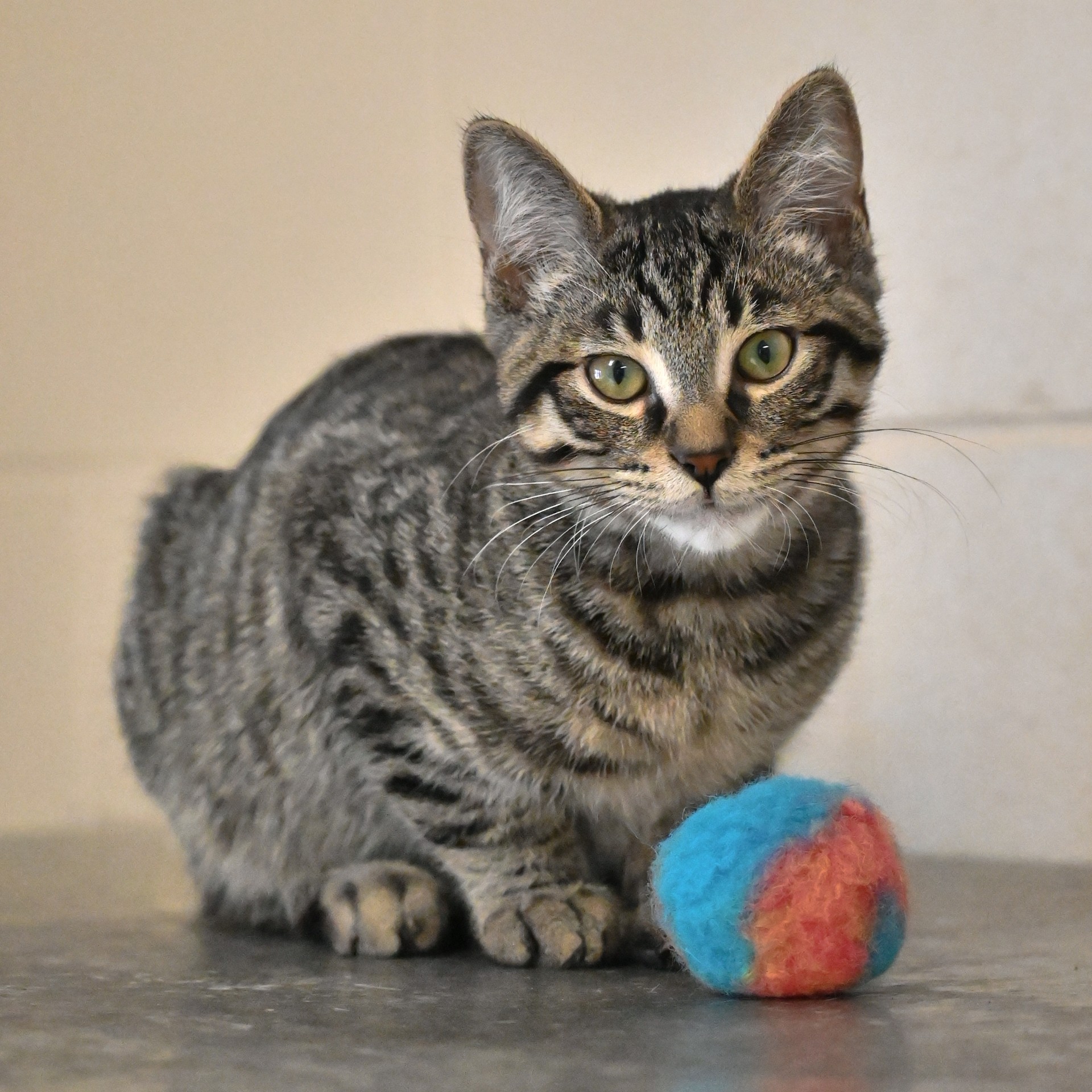
Credit: ontariospca.ca
Frequently Asked Questions
How Can I Teach My Cat To Fetch Toys?
Start by using small, lightweight toys your cat likes. Toss the toy a short distance. Reward your cat with treats when it brings the toy back. Repeat consistently to build the fetching habit.
Why Won’t My Cat Bring Toys Back?
Cats may not bring toys back due to lack of interest or training. Some cats prefer to chase rather than retrieve. Use engaging toys and positive reinforcement to encourage retrieval behavior.
What Toys Are Best For Cat Fetching Games?
Choose lightweight, small toys like balls, feathers, or soft mice. Toys should be easy to carry and safe for your cat. Avoid heavy or noisy toys that may scare your cat.
How Long Does It Take To Train A Cat To Fetch?
Training time varies, but many cats learn in a few weeks. Be patient and consistent with daily short training sessions. Use treats and praise to motivate your cat.
Conclusion
Getting your cat to bring back a toy takes time and patience. Try using treats and praise to encourage them. Play together often to build trust and fun. Keep the toys small and easy for your cat to carry. Remember, every cat is different and learns at their own pace.
Enjoy the process and celebrate small wins. This simple habit can strengthen your bond and make playtime more joyful. Keep practicing, and soon your cat may surprise you by returning their favorite toy.



Leave a Reply