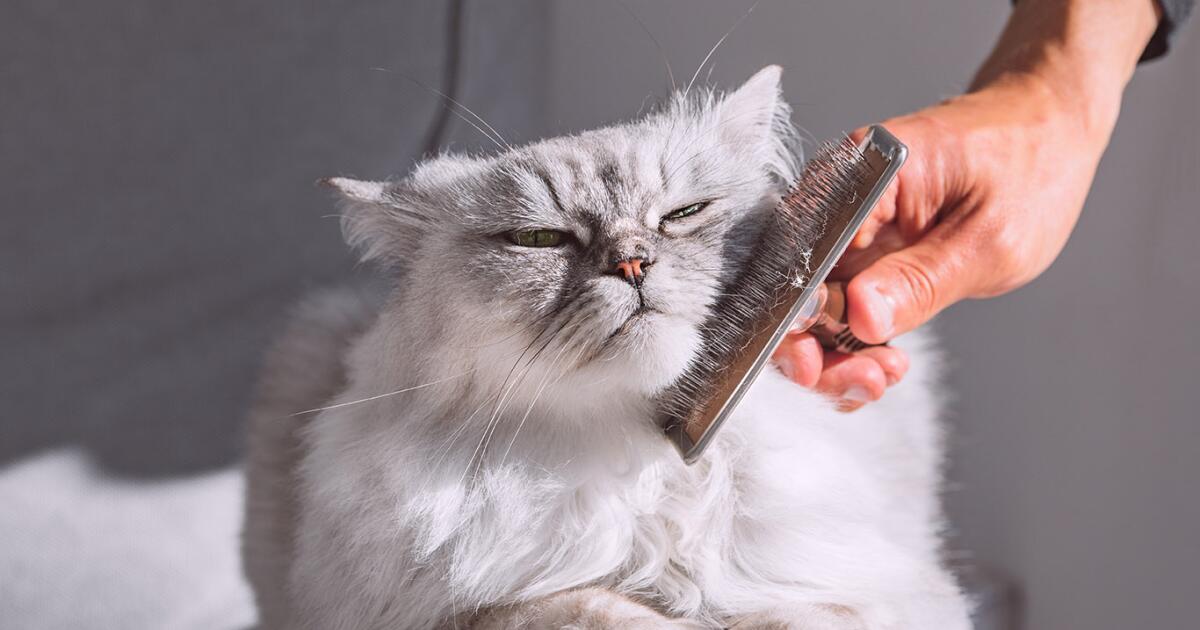
Have you noticed your cat isn’t grooming like usual? It’s confusing and a bit worrying, isn’t it?
Grooming is a natural habit for cats, so when your furry friend stops cleaning themselves, it could be a sign something is wrong. You might wonder if it’s just laziness or if there’s a deeper issue at play. Keep reading to discover the surprising reasons behind this change and what you can do to help your cat feel comfortable and healthy again.
Your cat’s well-being depends on it, and understanding the cause is the first step.
Common Grooming Habits
Cats are known for their cleanliness and self-care. Grooming is a key part of a cat’s daily routine. Understanding common grooming habits helps identify when something is wrong. Cats usually groom themselves to stay clean and healthy. Changes in these habits can signal health or emotional issues.
Normal Grooming Frequency
Cats typically groom themselves several times a day. Short-haired cats may groom more often than long-haired ones. Grooming can take up to 50% of a cat’s waking time. Regular grooming removes dirt, loose fur, and parasites. It also helps regulate body temperature and reduces stress.
Typical Grooming Behaviors
- Licking their fur with a rough tongue to clean and detangle.
- Biting or nibbling to remove mats or stubborn dirt.
- Using their front paws to wash their face and head.
- Scratching or rubbing against objects to help shed old fur.
- Grooming as a social activity with other cats or humans.
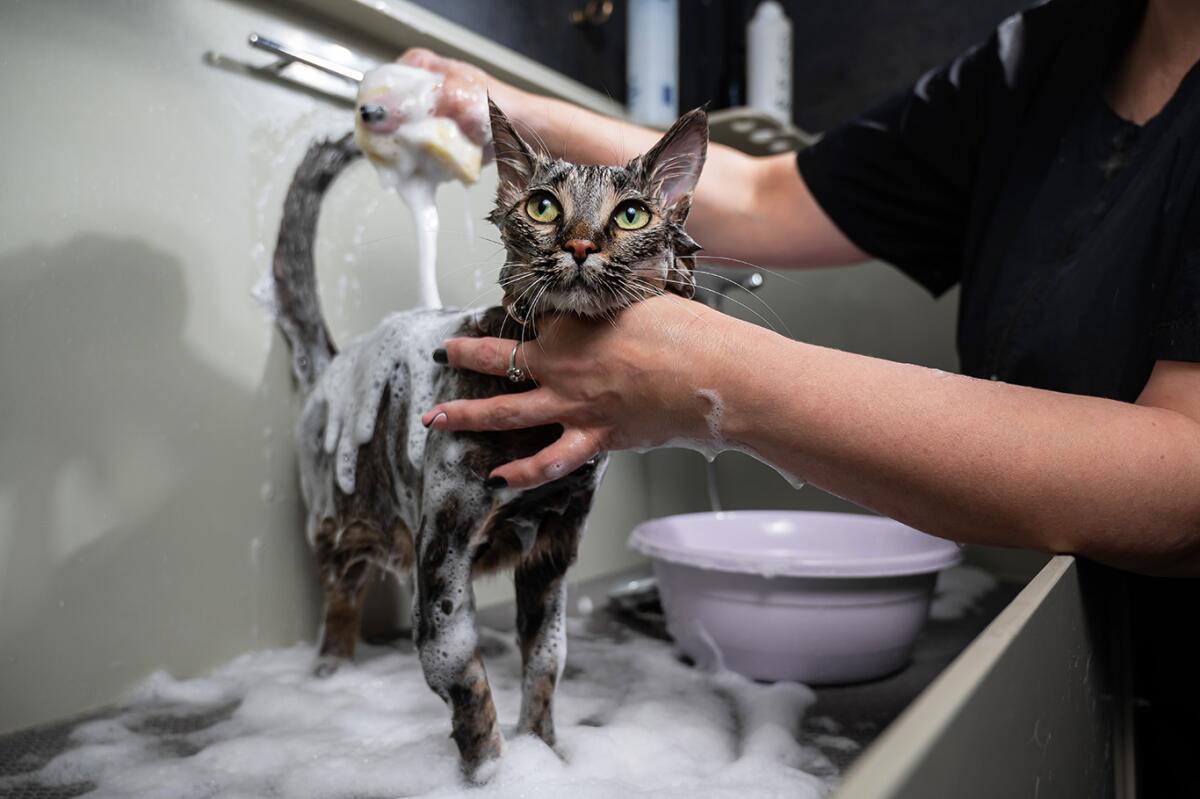
Credit: www.latimes.com
Reasons Cats Stop Grooming
Noticing your cat suddenly stops grooming can be worrying. Grooming is not just about cleanliness; it reflects your cat’s overall health and happiness. Understanding why your cat might stop grooming helps you take the right steps to support them effectively.
Health Issues
Health problems often cause a drop in grooming behavior. Cats with dental pain, arthritis, or skin infections may find it uncomfortable or painful to groom themselves.
I once had a cat who stopped grooming because of a hidden tooth abscess. Only after a vet visit did we discover the source of her discomfort. If your cat’s coat looks greasy or matted, or if they seem lethargic, a vet check is a smart move.
Stress And Anxiety
Stress can change your cat’s daily habits, including grooming. Moving to a new home, loud noises, or even changes in your schedule might unsettle them.
You might notice your cat hiding more or acting restless alongside poor grooming. Ask yourself if anything around them has changed recently. Reducing stress through quiet spaces or calming pheromones can help your cat feel safe again.
Age-related Changes
Older cats often groom less as their bodies slow down. Joint stiffness or declining vision can make it harder for them to reach all parts of their body.
Think about your cat’s age and mobility. You can help by gently brushing them or providing easy access to grooming tools. This small effort keeps them comfortable and their coat healthy.
Environmental Factors
Sometimes, the environment influences grooming habits. Dirty or uncomfortable living areas can discourage your cat from grooming properly.
Have you checked if their bedding is clean or if they have enough safe, quiet spots? Also, exposure to harsh weather or chemicals might irritate their skin and reduce grooming. Keeping a clean and calm space encourages your cat to maintain their routine.
Signs Your Cat Needs Help
Recognizing the signs that your cat needs help with grooming is crucial for their health and happiness. Cats usually keep themselves clean, so any changes can signal underlying issues. Paying close attention to these signs helps you intervene early and provide the care your furry friend deserves.
Mattes And Tangles
Have you noticed clumps of fur that seem impossible to brush out? Mattes and tangles can form quickly if your cat stops grooming. These knots trap dirt and moisture, causing discomfort and sometimes pain.
Ignoring mattes can lead to skin infections or restrict movement. Check your cat’s fur regularly, especially behind the ears, under the legs, and around the tail. If you see stubborn tangles, it’s time to help with gentle brushing or consult a professional groomer.
Skin Irritation
Redness, bumps, or flaky patches on your cat’s skin often mean trouble. Cats might stop grooming if their skin hurts or itches. Skin irritation can come from allergies, parasites, or infections.
Look for signs like excessive scratching or licking, which can worsen the irritation. If your cat’s skin looks unhealthy, a vet visit is necessary. Don’t wait until the problem gets worse—early treatment can make a big difference.
Unusual Odors
Does your cat smell different than usual? A strong, unpleasant odor can indicate poor grooming or a health problem. Sometimes, cats stop cleaning themselves because they feel unwell or have dental issues.
Check if the smell comes from the coat, mouth, or ears. This can help you pinpoint the problem. If the odor persists, it’s a clear sign your cat needs professional care or a veterinary checkup.
Changes In Behavior
Have you noticed your cat acting differently? A sudden drop in grooming might come with other behavior changes like hiding, lethargy, or irritability. These changes can mean your cat is stressed, in pain, or facing a medical condition.
Observe if your cat avoids interaction or stops eating. Behavioral shifts combined with grooming neglect should prompt a vet visit. Asking yourself why your cat might feel this way can lead you to the right support.

Credit: www.latimes.com
Quick Fixes For Grooming Problems
Quick fixes for grooming problems can help your cat feel better fast. Cats stop grooming for several reasons. Sometimes, small changes can make a big difference. Focus on easy steps to support your cat’s natural grooming habits.
Regular Brushing Tips
Brushing your cat often removes loose fur and dirt. Use a soft brush made for cats. Brush gently to avoid hurting your cat’s skin. Short sessions work best, especially for shy cats. Regular brushing helps reduce hairballs and matting.
Improving Cat Comfort
Comfort matters for grooming. Check your cat’s bedding and resting places. Make sure these areas are clean and cozy. Warm spots encourage relaxation and self-care. Avoid loud noises and sudden movements near your cat.
Addressing Health Concerns
Health problems can stop grooming. Watch for signs like hair loss, skin redness, or wounds. Dental pain may also affect grooming habits. Visit a vet if you see unusual changes. Early care can prevent bigger issues.
Creating A Calm Environment
Stress reduces grooming behavior. Create quiet spaces where your cat feels safe. Use calming scents or gentle music if your cat likes them. Avoid overcrowding and keep routines consistent. A calm cat grooms more often.
When To See A Vet
A cat that stops grooming may feel pain or stress. Visit a vet if your cat’s fur looks messy or if it scratches a lot. Early care can help find and treat health problems quickly.
Seeing your usually pristine feline neglect their grooming routine can be concerning. Cats are meticulous groomers, so when this behavior changes, it’s often a sign that something isn’t quite right. While some grooming issues may resolve on their own, there are certain signs that indicate it’s time to consult a veterinarian.Persistent Grooming Issues
If your cat consistently skips grooming for several days, it’s not a behavior to overlook. Consistency in neglecting their fur can signal underlying health problems. It’s essential to seek veterinary advice if the lack of grooming persists, as early intervention can prevent more severe health issues.Visible Skin Problems
Have you noticed any bald patches or irritated skin on your cat? These could be signs of allergies, infections, or parasites. Visible skin problems, especially if they seem to be worsening, warrant a vet visit to determine the cause and appropriate treatment.Behavioral Changes
Behavioral changes, such as lethargy or changes in appetite alongside grooming neglect, are red flags. Your cat might be in pain or stressed, affecting their ability to groom. A vet can help identify the root of these changes and suggest solutions to help your feline friend return to their usual self. When observing these issues, ask yourself: is my cat acting differently than usual? Trust your instincts and seek professional guidance if you sense something is amiss. Your furry companion relies on you to ensure their well-being, and a timely vet visit can make all the difference.
Credit: www.latimes.com
Preventing Grooming Issues
Preventing grooming issues in cats helps keep their coat clean and skin healthy. Grooming is a natural behavior, but some cats may stop due to health or emotional problems. Taking simple steps can support your cat’s grooming habits and overall well-being. Focus on routine care, diet, hydration, and stress management to avoid grooming problems.
Routine Care
Brush your cat regularly to remove loose fur and dirt. This stimulates the skin and promotes natural oils. Check for any skin issues like redness or bumps. Regular vet visits help catch health problems early. Keep your cat’s nails trimmed to prevent scratching injuries. Clean their ears and eyes gently to avoid infections.
Diet And Hydration
A balanced diet supports healthy skin and fur. Feed high-quality cat food rich in essential nutrients and fatty acids. Omega-3 and omega-6 fatty acids improve coat shine and reduce dryness. Ensure your cat drinks plenty of water daily. Proper hydration prevents dry skin and helps with overall grooming.
Stress Reduction Techniques
Stress can cause cats to stop grooming themselves. Create a calm environment with safe spaces to relax. Provide toys and playtime to reduce anxiety. Keep a consistent daily routine to comfort your cat. Use pheromone diffusers or sprays to help lower stress levels. Pay attention to changes in behavior that signal stress.
Frequently Asked Questions
Why Is My Cat Suddenly Not Grooming Itself?
Cats may stop grooming due to illness, pain, or stress. Check for medical issues like arthritis or dental problems. Stressful changes in environment can also affect grooming habits. Consult a vet to rule out health concerns and restore your cat’s grooming routine.
Can Lack Of Grooming Indicate Cat Health Problems?
Yes, lack of grooming often signals health issues. It can indicate skin infections, parasites, or chronic diseases. Behavioral problems like anxiety may also reduce grooming. Early vet evaluation helps identify and treat underlying causes effectively.
How Does Age Affect A Cat’s Grooming Habits?
Older cats may groom less due to arthritis or reduced flexibility. Aging can cause discomfort, making grooming difficult. Regular vet checkups and gentle grooming support older cats. Adjust care to meet your senior cat’s grooming needs.
Can Diet Impact My Cat’s Grooming Behavior?
Poor nutrition can lead to dull fur and less grooming. A balanced diet supports healthy skin and coat, encouraging grooming. Ensure your cat receives proper nutrients for optimal grooming habits and overall health.
Conclusion
Cats stop grooming for many reasons, like illness or stress. Watch your cat closely and note any changes. Visit a vet if grooming stops for a long time. Helping your cat feel safe can improve grooming habits. Regular care keeps your cat happy and healthy.
Understanding why your cat isn’t grooming helps you act fast. Stay patient and gentle with your furry friend. Small steps lead to big improvements in their well-being.

Leave a Reply