Have you ever wondered how those beautiful Asian cat breeds found their way into your home? These unique cats don’t just appear by chance—they have fascinating stories filled with culture, history, and a touch of mystery.
Understanding where your favorite Asian cat breeds come from can deepen your connection with them and reveal why they behave the way they do. Keep reading, and you’ll discover secrets that make these cats truly special—and maybe even find the perfect new feline friend for your family.

Credit: wildcatconservation.org
Ancient Roots Of Asian Cats
The story of Asian cat breeds begins thousands of years ago, rooted deeply in the early lives of human civilizations across the continent. These cats were not just companions; they played roles in agriculture, spirituality, and even royalty. Understanding their ancient roots offers you a glimpse into how these unique breeds became part of your home today.
Early Domestication In Asia
Asian cats first found a place in human society around 5,000 years ago. Farmers welcomed them to protect their grain stores from rodents, creating a natural partnership. Over time, these cats adapted to different climates and environments across Asia, leading to distinct breeds.
Think about how your own cat might be a descendant of those early feline guardians. Their hunting skills and independent nature have been shaped by centuries of survival alongside humans. This deep history explains why Asian cats often have a blend of wild agility and affectionate behavior.
Cultural Significance Across Regions
In many Asian cultures, cats carry symbolic meaning beyond companionship. For example, the Japanese Bobtail is considered a bringer of good luck, often seen in traditional art and folklore. Similarly, the Siamese cat was once a royal pet in Thailand, symbolizing protection and mystery.
Have you noticed how these cultural stories add layers of meaning to your pet’s personality? Understanding their cultural past can help you appreciate their unique traits and behaviors. It also connects you to a rich heritage that has celebrated cats for thousands of years.
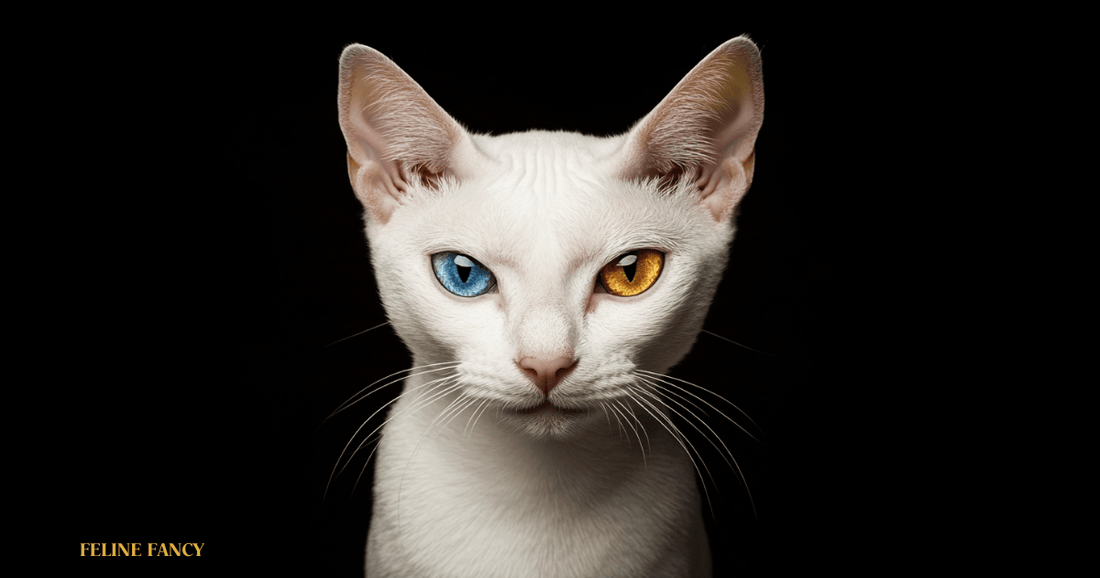
Credit: felinefancy.co.uk
Key Asian Cat Breeds
Asian cat breeds have captivated cat lovers worldwide with their unique looks and charming personalities. These breeds have rich histories that trace back to different parts of Asia, each carrying distinct traits that make them stand out. Understanding these key Asian cat breeds helps you appreciate their origins and what makes them special companions.
The Siamese Legacy
The Siamese cat is often the first Asian breed that comes to mind. Known for its striking blue eyes and sleek body, it has a long history dating back to ancient Siam (modern-day Thailand). This breed’s vocal nature and affectionate behavior make it a favorite for those seeking a lively and social pet.
Did you know Siamese cats were once considered royal companions? Their elegance and intelligence have influenced many other breeds. If you want a cat that communicates with personality, the Siamese might be your perfect match.
Burmese Origins
The Burmese breed comes from a different corner of Asia but shares some similarities with the Siamese. It has a more rounded appearance and a plush coat that feels like satin. Burmese cats are known for being playful and people-oriented, often forming strong bonds with their owners.
What sets Burmese cats apart is their adaptability. Whether you live in a bustling city apartment or a quiet countryside home, they adjust well and stay affectionate. Have you considered a cat that can easily become your shadow and brighten your days?
The Exotic Oriental
The Exotic Oriental cat combines the sleekness of the Oriental Shorthair with a variety of coat colors and patterns. This breed is less common but is admired for its intelligence and curiosity. They are active, love to explore, and enjoy interactive play, making them great companions for those who can offer stimulation.
Exotic Orientals bring a splash of personality into your life with their expressive eyes and lively behavior. They challenge you to engage with them daily. Are you ready for a cat that keeps you on your toes and fills your home with energy?
Migration To The West
The journey of Asian cat breeds to the Western world is a fascinating story of migration shaped by human movement, trade, and cultural curiosity. These elegant felines did not just appear overnight in Europe and America; their arrival reflects centuries of interaction between East and West. Understanding this migration helps you appreciate the rich history behind your favorite Asian cat breeds.
Trade Routes And Cultural Exchange
Ancient trade routes like the Silk Road played a crucial role in bringing Asian cats to Western lands. Merchants and travelers often carried these cats aboard their caravans and ships to control rodents. Over time, these cats became more than just pest controllers—they sparked admiration for their unique looks and personalities.
Think about how goods like silk and spices traveled thousands of miles. Cats, too, journeyed alongside these treasures, becoming cultural ambassadors. Their exotic appearance and graceful behavior caught the attention of Western nobility and common folk alike.
First Appearances In Europe And America
Asian cat breeds first appeared in Europe during the 19th century, introduced through colonial trade and exploration. The Burmese cat, for example, made its Western debut when a diplomat brought one from Burma to the United States in the 1930s. This sparked interest among breeders and cat enthusiasts eager to learn more about these mysterious felines.
In America, the fascination grew quickly. Cat shows began featuring Asian breeds, and breeders worked hard to preserve their distinct traits. If you’ve ever attended a cat show, you might have noticed the admiration these breeds receive for their sleek coats and expressive eyes.
Breeding And Popularity Growth
Asian cat breeds have a fascinating history of breeding and popularity growth. Their journey from ancient origins to becoming beloved pets is intriguing. This section explores the selective breeding efforts and rise in cat shows and clubs that contributed to their popularity.
Selective Breeding Efforts
Selective breeding played a crucial role in shaping Asian cat breeds. Breeders focused on enhancing specific traits. This helped in maintaining the unique features of each breed. For example, Siamese cats were bred for their striking blue eyes and sleek bodies. Breeding programs ensured these traits were preserved over generations. This effort resulted in the distinct appearances we see today.
Rise In Cat Shows And Clubs
Cat shows and clubs fueled the popularity of Asian cat breeds. These events provided platforms for showcasing the beauty and uniqueness of these cats. Enthusiasts formed clubs dedicated to specific breeds. They organized shows where cats competed for titles and recognition. This increased awareness and interest in Asian cat breeds. People grew fascinated by their elegance and charm.
Unique Traits And Adaptations
Asian cat breeds stand out because of their unique traits and adaptations that have evolved over centuries. These characteristics not only define their appearance but also influence their behavior and how they interact with people. Understanding these traits helps you appreciate the depth and diversity of these fascinating felines.
Physical Characteristics
Asian cats often have a sleek and muscular build, making them agile and graceful. Their fur varies from short and dense to silky and medium-length, often showing striking patterns like spots or stripes.
Take the Burmese, for example. Their large, expressive eyes and shiny coat give them a captivating look that draws attention instantly. The Bombay, another Asian breed, is known for its jet-black fur and copper eyes, giving it a panther-like appearance.
Have you noticed how some Asian cats have a rounded head shape compared to other breeds? This distinct feature adds to their charm and reflects their unique genetic background.
Behavioral Patterns
Asian cats are known for their lively and social nature. They often crave interaction and enjoy being involved in family activities, showing a playful yet affectionate side.
These cats tend to be highly intelligent and curious. You might find yours exploring every corner of the house or solving simple puzzles you set for them.
Interestingly, many Asian breeds are vocal and expressive. They use a range of sounds to communicate, so paying attention to their meows can help you understand their needs better.
How do you think a cat’s behavior influences your daily routine? Asian cats often adapt well to busy households but appreciate moments of calm and personal attention.

Credit: cats.com
Modern Impact And Conservation
Asian cat breeds have shaped the modern pet world in many ways. Their unique traits and history inspire breeders and cat lovers worldwide. Efforts to conserve these breeds protect not only their looks but also their health and heritage. These cats connect us to ancient cultures and bring diversity to homes everywhere.
Breed Preservation Efforts
Many groups focus on keeping Asian cat breeds safe. They work hard to maintain breed standards and prevent health issues. Breeders carefully select cats with strong genes to avoid problems. Clubs and associations often hold shows to promote these breeds. Education about responsible breeding helps keep the population healthy.
Preserving these breeds also means saving rare types from disappearing. Some Asian breeds have small numbers left in the world. Conservation programs use breeding plans to increase their population. This work ensures future generations can enjoy these special cats.
Influence On Contemporary Cat Breeds
Asian cat breeds have influenced many modern cats. Their traits appear in mixed breeds and new hybrids. Breeders use Asian cats to add unique colors and patterns. Their gentle and playful nature inspires new breed development.
These cats also help improve genetic diversity. Introducing Asian breeds into other lines can reduce health risks. Their impact is seen in popular breeds worldwide. They add charm, variety, and resilience to the cat world.
Frequently Asked Questions
How Did Asian Cat Breeds Originate?
Asian cat breeds originated from Southeast Asia and surrounding regions. They evolved naturally and were later selectively bred for unique traits and appearances.
When Were Asian Cat Breeds Introduced Worldwide?
Asian cat breeds were introduced globally in the late 20th century. Cat enthusiasts and breeders played a key role in their spread.
What Makes Asian Cats Different From Other Breeds?
Asian cats have distinct features like short coats, round eyes, and playful personalities. Their diversity includes various coat colors and patterns.
How Do Asian Cat Breeds Adapt To Homes?
Asian cats adapt well to indoor living. They are social, affectionate, and thrive in family environments.
Conclusion
Asian cat breeds arrived through careful breeding and cultural exchange. People admired their unique looks and gentle nature. These cats traveled from Asia to homes worldwide. Their history shows how humans and animals connect deeply. Today, they bring joy and companionship to many families.
Understanding their roots helps us appreciate them more. A beautiful blend of tradition and love, these cats remain special to all.



Leave a Reply