If you have a fine-haired cat, you know how delicate their coat can be. Grooming them the right way isn’t just about keeping them looking beautiful—it’s about keeping them comfortable and healthy.
You might wonder how to avoid tangles, reduce shedding, or even make grooming a fun bonding time for both of you. This guide will walk you through simple, effective steps to care for your cat’s fine fur, so you can enjoy a happy, silky-soft companion every day.
Ready to become your cat’s favorite groomer? Let’s dive in!
Credit: www.petscare.com
Choosing The Right Tools
Choosing the right tools is key to keeping your fine-haired cat looking sleek and feeling comfortable. The wrong brush or comb can easily damage delicate strands or irritate your cat’s sensitive skin. Picking the right grooming tools makes the process smoother for both of you and keeps your cat’s coat healthy and shiny.
Brush Types For Fine Hair
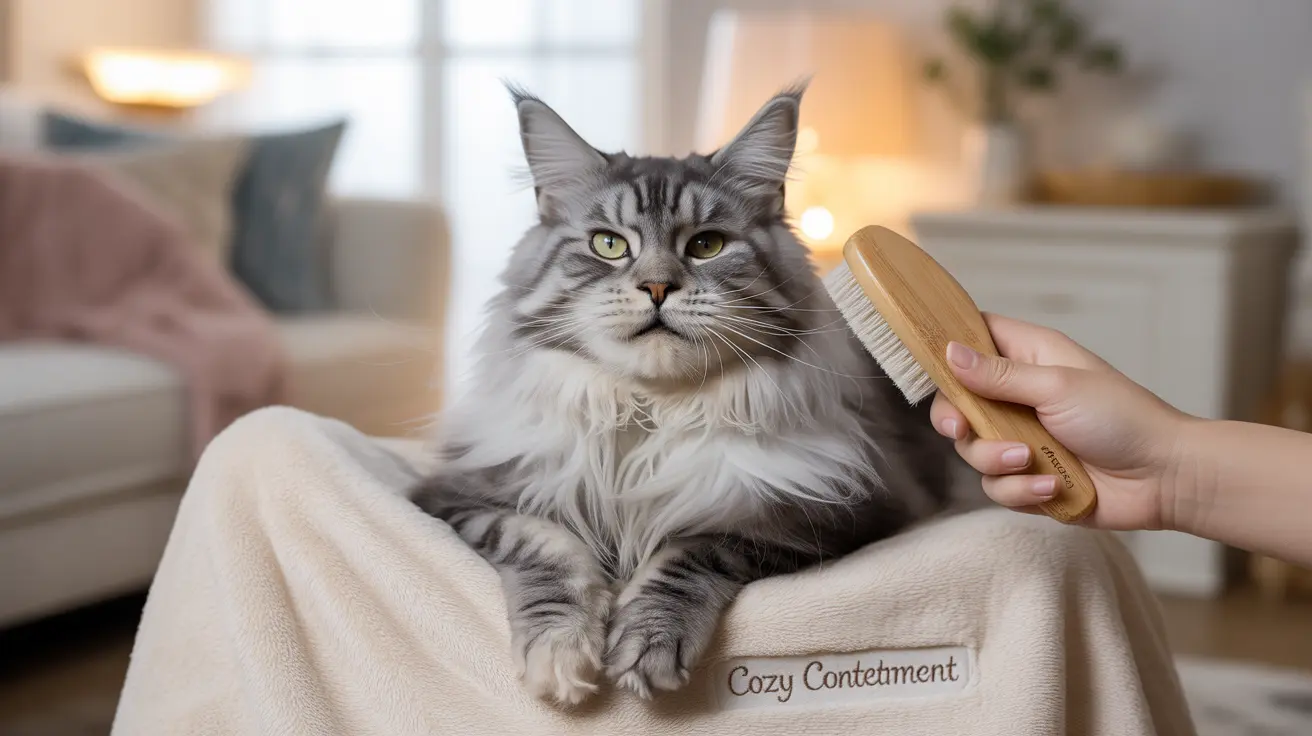
Soft-bristle brushes are gentle on fine hair and help remove loose fur without causing breakage. You might also want to try a rubber brush, which massages the skin and encourages natural oil production.
I once used a stiff bristle brush on my fine-haired cat and ended up with a stressed pet and a coat full of broken hairs. Switching to a soft-bristle brush made grooming a calm, pleasant experience.
- Soft-bristle brush:Ideal for daily grooming and sensitive skin.
- Rubber brush:Great for stimulating the skin and reducing shedding.
- Slicker brush:Use sparingly and only if your cat’s hair tends to mat.
Combs And Their Uses
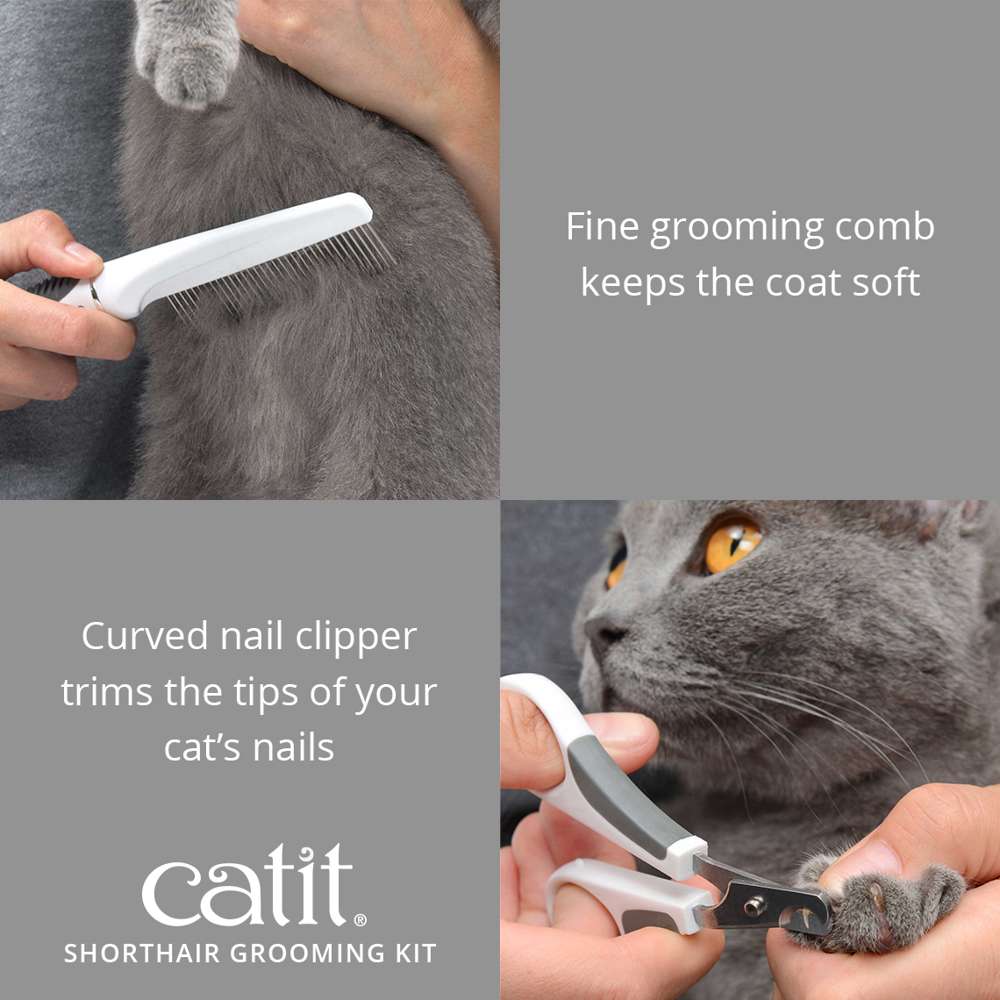
A fine-toothed comb helps catch tangles and remove tiny debris that brushes miss. Wide-toothed combs work well for gently detangling without pulling on delicate hair.
Try running a fine-toothed comb through your cat’s coat after brushing. It’s a simple step that catches small knots before they turn into painful mats.
- Fine-toothed comb:Removes small tangles and debris.
- Wide-toothed comb:Untangles gently without damaging hair.
- Flea comb:Useful if your cat is prone to pests.
Grooming Accessories
Besides brushes and combs, a grooming glove can make brushing more interactive and less stressful for your cat. Nail clippers designed specifically for cats are essential to avoid accidental cuts.
Adding a soft towel or non-slip mat can keep your cat steady during grooming. These small accessories help create a safe and comfortable environment, making grooming less of a chore.
- Grooming gloves:Perfect for sensitive cats and reducing loose hair.
- Cat nail clippers:Keep claws trimmed without hurting your cat.
- Non-slip mats or towels:Prevent slipping and keep your cat calm.

Credit: www.amazon.ca
Preparing Your Cat For Grooming
Preparing your fine-haired cat for grooming is crucial to make the process smooth and stress-free. Cats are sensitive creatures, and rushing into grooming without proper preparation can lead to resistance or anxiety. Setting the right tone beforehand helps your cat stay relaxed and cooperative throughout the session.
Creating A Calm Environment
Choose a quiet room with minimal distractions to help your cat feel safe. Dim the lights slightly and avoid loud noises, which can startle your cat. Use soft, soothing tones when speaking to your cat to build a sense of comfort.
Have all grooming tools ready and within reach before you start. This prevents unnecessary interruptions that can break your cat’s calm state. You might also try playing gentle music or using a pheromone diffuser to promote relaxation.
Handling Techniques
Start by gently petting your cat to establish trust and ease any tension. Use slow, deliberate movements to avoid triggering a defensive reaction. If your cat shows signs of discomfort, pause and try to calm them before continuing.
Hold your cat in a way that supports their body without restricting movement too much. Cradling your cat against your chest or placing them on a non-slip surface can provide stability. Remember, your hands should feel reassuring, not forceful.
Timing Your Sessions
Pick times when your cat is naturally calm, such as after a meal or a nap. Avoid grooming sessions when your cat is overly energetic or irritable. Short, frequent grooming sessions work better than long ones, especially for cats new to grooming.
Watch your cat’s body language closely and stop before they become stressed. Asking yourself, “Is my cat still comfortable right now?” helps you decide when to pause or end the session. Gradually, your cat will learn to associate grooming with positive experiences.
Brushing Techniques
Brushing your fine-haired cat requires a gentle and thoughtful approach. The delicate strands can easily break or tangle, so how you brush matters just as much as how often. Understanding the right techniques helps you keep your cat comfortable and their coat shiny.
Detangling Without Damage
Start by using a wide-toothed comb or a soft-bristle brush designed for fine fur. Avoid pulling hard on knots; instead, hold the fur close to the skin and gently work through tangles from the tips upward.
If you rush or tug aggressively, your cat could develop painful mats or even skin irritation. Have some treats handy to reward calm behavior and make grooming a positive experience.
Direction And Pressure
Brush in the natural direction of your cat’s fur growth. This reduces resistance and helps you feel any hidden tangles early. Apply light to moderate pressure—too much can cause discomfort, while too little won’t effectively remove loose hairs.
Pay special attention to sensitive areas like the belly and behind the ears. Ask yourself: Are you noticing how your cat responds to different pressures? Adjust accordingly to keep brushing stress-free.
Frequency For Best Results
For fine-haired cats, brushing two to three times a week is usually enough. This frequency prevents tangles and distributes natural oils for a healthy shine. Daily brushing might be needed during shedding season to manage extra loose hair.
Observe your cat’s coat and skin condition regularly. If you see more mats or dryness, increase the brushing sessions, but don’t overdo it to avoid irritation.

Credit: www.youtube.com
Bathing Tips For Fine Fur
Bathing a cat with fine fur requires extra care to keep their delicate coat healthy and shiny. Unlike thick-furred cats, fine-haired cats can easily get weighed down by heavy shampoos or harsh water temperatures. The right approach ensures their fur stays light, soft, and free from tangles or irritation.
Choosing The Right Shampoo
Pick a shampoo specifically made for cats with fine fur or sensitive skin. Look for formulas labeled “gentle,” “hypoallergenic,” or “moisturizing.” Avoid shampoos with strong fragrances or harsh chemicals that could dry out your cat’s delicate coat.
If your cat has any skin conditions, ask your vet for a recommended shampoo. Sometimes a tearless shampoo works best, especially if your cat dislikes getting water near their eyes. Think about how your cat reacts to previous products and prioritize their comfort.
Bathing Steps
Start by brushing your cat to remove loose hair and prevent mats during the bath. Use lukewarm water to keep your cat comfortable—too hot or cold water can stress them out. Gently wet the fur, avoiding the face and ears.
Apply a small amount of shampoo and lather carefully, focusing on areas that get dirty like the paws and belly. Rinse thoroughly to remove all soap residue, as leftover shampoo can cause itchiness or irritation. Speak softly and keep movements slow to calm your cat throughout the bath.
Drying Methods
After rinsing, wrap your cat in a soft, absorbent towel and gently pat their fur dry. Avoid rubbing harshly, which can tangle fine fur or irritate the skin. If your cat tolerates it, use a hairdryer on the lowest heat and speed setting, keeping it at a safe distance.
Let your cat air dry in a warm, draft-free room if they are sensitive to noise or heat from a dryer. Have you noticed your cat’s preference for a certain drying method? Paying attention to their comfort can make future baths easier for both of you.
Maintaining Healthy Skin
Proper grooming is essential for maintaining a fine hair cat’s healthy skin. Regular brushing removes loose fur and reduces tangles, preventing skin irritation. Use a gentle brush to keep their coat shiny and clean.
Maintaining healthy skin in fine hair cats is crucial for their overall well-being. A cat’s skin acts as a protective barrier against external threats. Healthy skin also helps in maintaining a shiny and vibrant coat. Let’s explore some essential aspects to keep your cat’s skin in top condition.Diet And Nutrition
Balanced nutrition is vital for healthy skin. Provide your cat with high-quality protein sources. Look for foods rich in omega-3 and omega-6 fatty acids. These nutrients support skin health and reduce inflammation. Vitamins and minerals also play a role. Ensure your cat’s diet includes vitamins A, E, and zinc. These nutrients promote healthy skin and a glossy coat.Hydration Importance
Hydration significantly impacts skin health. Offer fresh water to encourage regular drinking. Wet food can boost hydration levels. Cats often prefer running water. Consider using a cat water fountain. Proper hydration helps prevent dry and flaky skin. It also supports overall bodily functions.Recognizing Skin Issues
Be vigilant for signs of skin problems. Look for redness, flaking, or hair loss. Scratching or licking can indicate irritation. Check for unusual lumps or bumps. Consult a vet if you notice these signs. Early detection helps in effective treatment. Regular grooming sessions help spot issues early. Maintain a routine to keep your cat’s skin healthy.Dealing With Common Problems
Grooming a fine hair cat requires special care to handle common problems. These issues can cause discomfort and harm your cat’s coat. Recognizing and managing these problems helps keep your pet healthy and happy. Focus on shedding, mats, tangles, and sensitive skin for best results.
Managing Shedding
Shedding is natural but can be heavy with fine hair cats. Regular brushing removes loose fur and reduces hairballs. Use a soft-bristle brush designed for delicate coats. Groom daily during shedding seasons to control excess fur. Keep your cat well-hydrated and feed a balanced diet to improve coat health.
Preventing Mats And Tangles
Fine hair easily forms mats and tangles. These can pull on the skin and cause pain. Brush your cat gently every day, focusing on areas behind ears and under legs. Use a wide-tooth comb to detangle carefully. Trim mats only if brushing does not work, avoiding cutting the skin.
Handling Sensitive Skin
Fine hair cats often have delicate, sensitive skin. Use mild shampoos made for sensitive skin during baths. Avoid harsh grooming tools that can scratch or irritate. Check your cat’s skin regularly for redness or dryness. Moisturize with vet-approved products if skin feels tight or flaky.
Professional Grooming Options
Professional grooming can be a valuable option for your fine-haired cat, especially if you want to ensure their coat stays healthy and beautiful without the stress of doing it all yourself. Experts have the right tools and techniques to handle delicate fur with care. Plus, professional groomers can spot skin issues or other concerns early on.
When To Seek Help
Consider professional grooming if your cat becomes anxious or restless during brushing sessions. If mats or tangles get out of hand, a groomer can safely remove them without hurting your cat. You might also want to seek help if your cat has sensitive skin or any medical conditions that make grooming tricky.
Choosing A Groomer
Look for groomers who specialize in cats or have experience with fine-haired breeds. Ask about their approach to handling nervous cats and what products they use. Reading reviews and visiting the salon beforehand can give you a sense of their environment and care standards.
What To Expect
During a grooming appointment, expect gentle brushing, nail trimming, ear cleaning, and possibly a bath with mild shampoo. The groomer will tailor their techniques to your cat’s coat type and temperament. Most sessions last between 30 minutes to an hour, depending on your cat’s needs and comfort level.
Frequently Asked Questions
How Often Should I Groom A Fine Hair Cat?
Groom fine hair cats weekly to prevent tangles and remove loose fur. Regular grooming keeps their coat shiny and healthy. It also reduces shedding and hairballs. Frequent brushing builds a strong bond between you and your cat.
What Type Of Brush Is Best For Fine Hair Cats?
Use a soft-bristle or rubber brush for fine hair cats. These brushes gently remove loose fur without damaging delicate strands. Avoid stiff brushes that can irritate the skin. Choose tools designed for sensitive coats to ensure comfort during grooming.
Can Grooming Reduce Shedding In Fine Hair Cats?
Yes, grooming significantly reduces shedding in fine hair cats. Brushing removes loose fur before it falls around your home. It also stimulates skin oils for a healthier coat. Regular grooming helps manage shedding and keeps your cat comfortable.
How To Handle A Fine Hair Cat During Grooming?
Stay calm and gentle while grooming your fine hair cat. Use slow, soft strokes and speak soothingly. Give breaks if your cat feels stressed. Positive reinforcement, like treats, encourages cooperation. Patience ensures a pleasant grooming experience for both.
Conclusion
Grooming a fine hair cat keeps their coat healthy and shiny. Regular brushing removes loose hair and prevents tangles. Use gentle tools to avoid hurting their delicate skin. Stay calm and patient to make grooming a positive time. Small daily steps help your cat feel comfortable and loved.
Remember, clean fur means a happy and healthy pet. Keep these tips in mind to enjoy grooming sessions together. Your cat will thank you with soft, smooth fur and bright eyes.




Leave a Reply