Is your cat not grooming itself like it used to? You might be worried about its health or cleanliness.
When your furry friend stops cleaning, it can lead to discomfort and even skin problems. But don’t worry—you can help your cat stay fresh and comfortable. You’ll discover simple and effective ways to clean a cat that isn’t grooming. By the end, you’ll feel confident in keeping your pet happy and healthy, even when it needs a little extra care from you.
Keep reading to learn how to make grooming easy and stress-free for both you and your cat.
Signs Your Cat Needs Cleaning
Not all cats groom themselves perfectly. Sometimes, your furry friend might need a little help to stay clean and comfortable. Recognizing the signs that your cat needs cleaning can prevent discomfort and health problems.
Behavioral Changes
Have you noticed your cat hiding more than usual or acting restless? Cats that aren’t grooming properly might feel uncomfortable or stressed. You might see them licking less or avoiding their usual spots for cleaning.
Changes in behavior like increased scratching or biting at certain areas can also indicate they need cleaning assistance. Pay close attention if your cat seems less active or avoids being petted—it could be a sign of discomfort caused by poor grooming.
Physical Indicators
Look for visible signs like matted fur, dirt patches, or an unpleasant odor. Your cat’s coat should be smooth and shiny; if it looks dull or tangled, cleaning is overdue.
Check areas like behind the ears, under the legs, and around the tail where dirt can accumulate. You might also notice flakes of dry skin or excessive shedding, which signal that your cat’s grooming routine isn’t enough.
Health Concerns
Sometimes, the need for cleaning goes beyond appearance. Skin infections, wounds, or parasites like fleas can stop your cat from grooming properly. If you spot redness, swelling, or scabs, your cat needs immediate care.
Ignoring these signs may lead to more severe health issues. Ask yourself: Could your cat’s reluctance to groom be linked to pain or illness? If yes, it’s time to consult a vet and provide gentle cleaning support at home.
Reasons Cats Stop Grooming
Cats usually groom themselves to stay clean and healthy. Grooming helps remove dirt, loose hair, and parasites. When a cat stops grooming, it signals a problem. Understanding why cats stop grooming helps you care for them better.
Illness And Pain
Health issues often cause cats to stop grooming. Pain from injuries or arthritis makes movement difficult. Skin infections or parasites cause discomfort during grooming. Illnesses like kidney disease or dental problems reduce energy. Cats may feel too weak to groom properly.
Stress And Anxiety
Stress affects a cat’s grooming habits. Changes in the environment or routine cause anxiety. New pets, loud noises, or travel can stress cats. Stressed cats may groom less or overgroom in some areas. Anxiety disrupts their normal self-care behavior.
Age And Mobility Issues
Older cats often face grooming challenges. Joint stiffness or arthritis limits their flexibility. They struggle to reach certain body parts. Reduced mobility leads to patchy or matted fur. Aging cats need extra help to stay clean and comfortable.
Preparing For Cleaning
Cleaning a cat that does not groom itself needs careful preparation. This helps make the process smooth and less stressful for both of you. Taking time to get ready ensures your cat feels safe and comfortable during cleaning.
Gathering Supplies
Collect all needed items before starting. This saves time and prevents interruptions. Essentials include:
- Cat-friendly shampoo or waterless wipes
- A soft towel for drying
- A brush suitable for your cat’s fur type
- A bowl of warm water if you plan to bathe
- Gloves to protect your hands
- Treats to reward calm behavior
Choosing The Right Location
Select a quiet, warm place for cleaning. Avoid noisy areas that may scare your cat. A small bathroom or laundry room works well. Ensure the surface is non-slip to prevent accidents. Good lighting helps you see dirt or mats clearly.
Calming Your Cat
Help your cat relax before cleaning. Speak softly and move slowly around them. Offer gentle pets and allow sniffing of the supplies. Play soothing music or use a pheromone spray to reduce stress. Give treats during breaks to keep your cat happy.
Step-by-step Cleaning Process
Cleaning a cat that isn’t grooming itself can feel challenging, but breaking the process down into clear steps makes it manageable. Each stage is important to ensure your cat feels comfortable and stays healthy. Let’s walk through the key parts of this cleaning routine to help you care for your feline friend effectively.
Brushing And Detangling
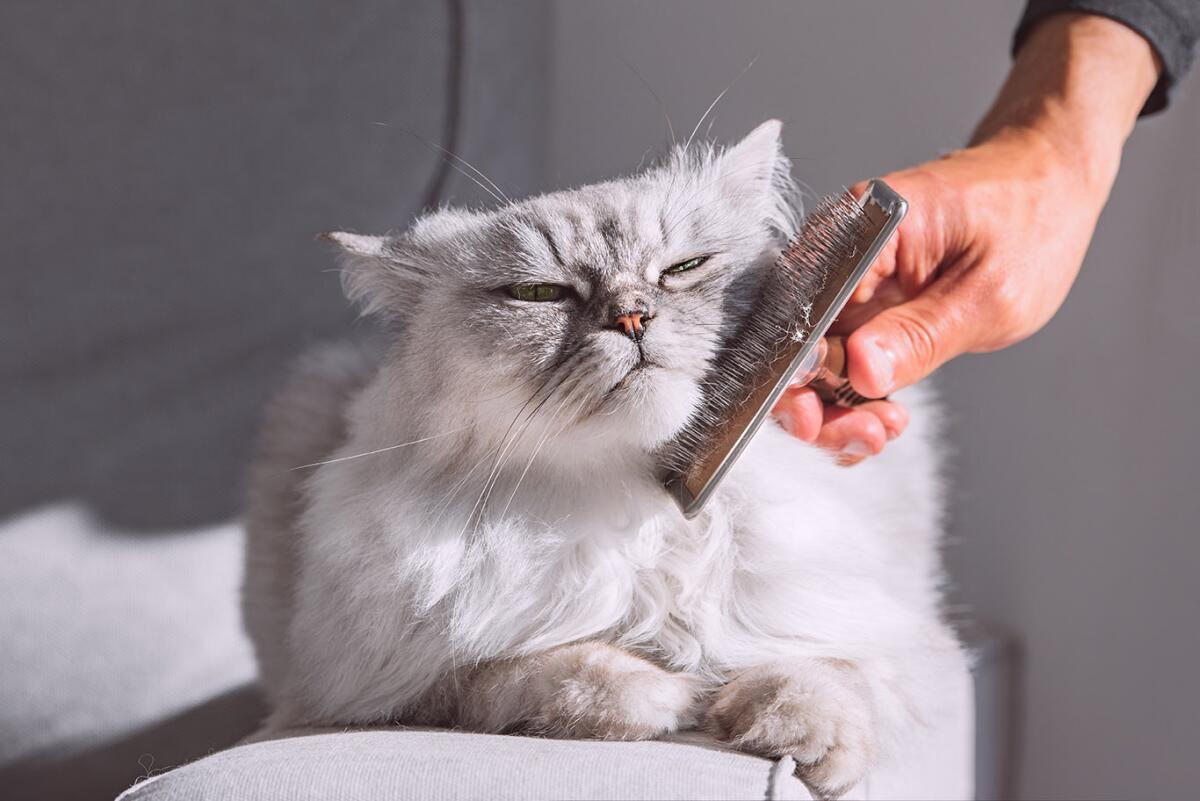
Start by gently brushing your cat’s fur to remove loose hair and dirt. Use a soft brush designed for cats, and be patient—your cat might be sensitive at first. If you find mats or tangles, carefully work through them with a comb, holding the fur close to the skin to avoid pulling.
Have you noticed your cat hiding when you try to brush? Try short, calm sessions to build trust. Brushing not only cleans but also stimulates the skin and distributes natural oils.
Bathing Techniques
If brushing isn’t enough, a bath may be necessary. Use lukewarm water and a cat-specific shampoo to protect their skin. Before starting, prepare everything you need to avoid leaving your cat alone in the water.
Speak softly and move slowly to keep your cat calm. Wet your cat gently, avoiding the head area, and lather shampoo carefully. Rinse thoroughly to remove all soap, as leftover shampoo can irritate the skin.
Drying Your Cat Safely
After the bath, drying your cat is crucial to prevent chills. Wrap your cat in a soft, absorbent towel and gently pat dry. Avoid rubbing vigorously, which can tangle fur and stress your cat.
If your cat tolerates it, use a hairdryer on the lowest heat and speed settings. Keep the dryer moving and maintain a safe distance from the skin to prevent burns. Always monitor your cat’s reaction and stop if they become distressed.
Alternative Cleaning Methods
Dry shampoo or pet wipes can help clean cats that avoid grooming. Gently brushing with a soft brush removes dirt and loose fur without stress. Occasionally, a damp cloth wipe can refresh their coat safely.
Cleaning a cat that isn’t grooming can be challenging. Cats usually clean themselves. But sometimes, they might need help. There are several alternative cleaning methods. These methods can help keep your cat clean and healthy.Using Cat Wipes
Cat wipes are a convenient tool. They are pre-moistened and gentle. Use them to clean your cat’s fur. Wipe away dirt and dander. They are safe for sensitive skin. Ensure the wipes are pet-friendly. Avoid wipes with strong scents. They can irritate your cat’s skin.Spot Cleaning
Spot cleaning targets specific dirty areas. Use a damp cloth for this. Gently rub the dirty spot. Be careful not to soak your cat. Dry the area with a towel. This method is quick and easy. It’s useful for small messes.Professional Grooming Services
Consider professional grooming services. Groomers have experience with cats. They handle cats gently and safely. Groomers offer various services. These include baths, brushing, and nail trimming. Professional grooming ensures thorough cleaning. It also reduces stress for you and your cat.Preventing Grooming Problems
Preventing grooming problems helps keep cats clean and healthy. Cats that do not groom may develop skin issues or discomfort. Taking simple steps can avoid these problems before they start. Focus on health, comfort, and encouraging natural grooming habits.
Regular Health Checkups
Regular vet visits catch health issues early. Illness or pain often stops cats from grooming. A vet can treat infections, arthritis, or other causes. Keeping vaccinations current supports overall wellness. Monitoring your cat’s weight and behavior is important too.
Maintaining A Comfortable Environment
Comfort helps cats feel safe and relaxed. Provide a quiet, warm space away from stress. Clean bedding and a calm atmosphere reduce anxiety. Avoid loud noises or sudden changes in routine. Soft lighting and cozy spots encourage rest and grooming.
Encouraging Self-grooming
Support your cat’s natural grooming habits gently. Brush your cat regularly to remove loose fur. Use a soft brush to avoid irritation. Offer treats and praise during grooming time. Play with your cat to boost its mood and activity. A happy cat grooms more often on its own.
Frequently Asked Questions
Why Is My Cat Not Grooming Itself?
Cats may stop grooming due to illness, stress, or pain. Aging and obesity can also reduce grooming habits. Observe your cat for other symptoms and consult a vet if necessary.
How To Safely Clean A Cat That Won’t Groom?
Use a damp, soft cloth to gently wipe your cat’s fur. Avoid harsh soaps or shampoos. Focus on dirty areas and be gentle to prevent stress or injury.
Can I Bathe A Cat That Refuses Grooming?
Yes, but only if necessary. Use cat-specific shampoo and lukewarm water. Keep the bath short and calm your cat throughout the process to avoid stress.
When Should I Seek Veterinary Help For Grooming Issues?
Seek help if your cat shows hair loss, wounds, or changes in behavior. Persistent refusal to groom can indicate serious health problems needing professional care.
Conclusion
Cleaning a cat that is not grooming needs patience and care. Use gentle tools and mild shampoo for safety. Take breaks if your cat feels stressed or scared. Regular cleaning keeps your cat healthy and comfortable. Watch for signs of illness or skin problems.
A clean cat is a happy cat. Keep your cat calm and safe during every cleaning session. Small steps bring good results over time. Caring for your cat strengthens your bond and trust.

Leave a Reply