Have you ever wondered how much your cat should be grooming itself? You might notice your furry friend licking their fur, but is it enough—or maybe too much?
Understanding your cat’s grooming habits can help you spot when something’s wrong and keep your pet healthy and happy. You’ll discover the right balance for your cat’s grooming routine and how you can support their natural habits. Keep reading to learn the simple signs to watch for and expert tips that make a big difference for your cat’s well-being.
Cat Grooming Basics
Understanding the basics of cat grooming can help you keep your feline friend healthy and happy. Grooming isn’t just about making your cat look good—it plays a crucial role in their overall well-being. Knowing what to do and how often to groom depends largely on your cat’s coat type and their individual needs.
Why Grooming Matters
Grooming helps remove loose fur, dirt, and debris from your cat’s coat. This reduces the risk of hairballs, which can cause discomfort or digestive issues. It also gives you a chance to check for skin problems, parasites, or unusual lumps that might need a vet’s attention.
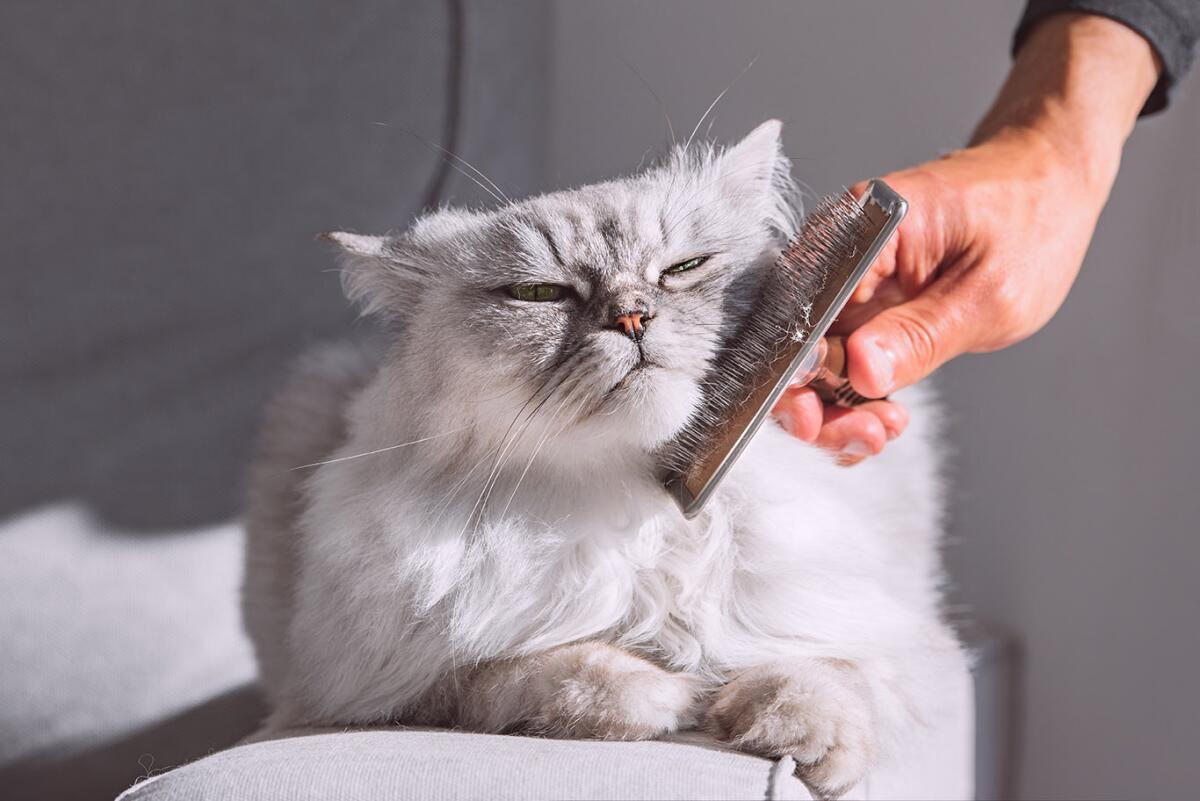
Regular grooming strengthens the bond between you and your cat. Have you noticed how some cats purr or relax when brushed? That’s because grooming feels good and builds trust. Plus, it keeps shedding under control, which is a win for your furniture and clothes.
Types Of Cat Coats
Not all cats need the same grooming routine. Cats have different coat types that affect how often and how you groom them. Here are the main types you should know about:
- Short-haired:These cats have sleek, close-lying fur. They usually need grooming once a week to remove loose hairs and keep their coat shiny.
- Long-haired:Long fur can tangle and mat if not brushed regularly. Daily grooming is often necessary to prevent knots and reduce shedding.
- Semi-long-haired:Cats with medium-length coats fall between short and long-haired types. Brushing two to three times a week usually works well.
- Curl-coated or hairless breeds:Even cats with unusual coats, like the Sphynx, need care. Their skin oils build up quickly, so regular wiping or bathing is important.
Have you thought about your cat’s coat type today? Matching your grooming efforts to their needs can save you time and keep your cat comfortable.
Ideal Grooming Frequency
Knowing the ideal grooming frequency helps keep cats healthy and happy. Grooming removes loose fur, dirt, and prevents mats. Each cat’s coat type and lifestyle affect how often grooming is needed.
Short-haired Cats
Short-haired cats need grooming about once a week. Their fur is less likely to mat or tangle. Weekly brushing helps reduce shedding and spreads natural oils. This keeps their coat shiny and skin healthy.
Long-haired Cats
Long-haired cats require grooming more often, usually every 2-3 days. Their fur can easily become tangled or form mats. Frequent brushing prevents painful knots and hairballs. It also helps control shedding and dirt buildup.
Special Cases
Some cats need extra grooming care. Older cats or those with health issues may need daily help. Cats that spend time outdoors might need more frequent brushing. Cats with thick undercoats often require extra attention to avoid mats.
Essential Grooming Tools
Essential grooming tools help keep your cat healthy and comfortable. These tools make grooming easier and more effective. Using the right tools reduces stress for both you and your cat.
Grooming tools vary by purpose. Some focus on coat care, others on nails or ears. Choosing quality tools improves grooming results and protects your cat’s skin and fur.
Brushes And Combs
Brushes and combs remove loose hair and prevent mats. They also spread natural oils for a shiny coat. Different coat types need different brushes:
- Slicker brushes work well for long or thick fur.
- Bristle brushes suit short-haired cats.
- Wide-tooth combs help detangle knots gently.
Nail Clippers
Nail clippers keep claws at a safe length. Trimming nails stops damage to furniture and skin. Use clippers made for pets to avoid splintering. Hold the paw firmly and clip only the sharp tip.
Ear And Eye Care Supplies
Clean ears and eyes prevent infections and discomfort. Use cotton balls or pads with vet-approved solutions. Gently wipe around the eyes and inside the ears. Avoid inserting anything deep into the ear canal.
Step-by-step Grooming Routine
Establishing a regular grooming routine for your cat not only keeps them looking great but also supports their overall health. Grooming sessions can become a bonding time, making your cat feel cared for and secure. Let’s look at the key parts of a grooming routine that you can easily follow at home.
Brushing Techniques
Brushing your cat helps remove loose fur and prevents hairballs. Use a brush suitable for your cat’s coat type—soft bristle for short hair and a slicker brush for long hair.
Start brushing gently from the head, moving down to the tail. Pay special attention to areas where mats often form, like behind the ears and under the legs. Notice how your cat reacts—if they seem uncomfortable, slow down and speak softly to keep them calm.
Bathing Tips
Most cats groom themselves, but occasional baths can help with dirt and odors. Use a cat-specific shampoo and lukewarm water to avoid irritating their skin.
Keep the bath short and calm, and make sure to rinse thoroughly. Dry your cat well with a towel, and if they tolerate it, use a low-heat hairdryer. How does your cat react to water? Observing their behavior can help you find the best way to make bath time less stressful.
Nail Trimming
Trimming your cat’s nails prevents scratching damage and keeps them comfortable. Use a sharp, cat-sized nail clipper and avoid cutting too close to the quick, the pink part inside the nail.
Hold your cat gently but firmly, and trim a small bit at a time. Reward them with treats or affection to create a positive experience. Have you noticed if your cat prefers trimming at certain times of day?
Cleaning Ears And Eyes
Check your cat’s ears weekly for dirt or wax build-up. Use a damp cotton ball or a vet-recommended ear cleaner, but never insert anything deep into the ear canal.
For the eyes, gently wipe away any discharge with a soft, damp cloth. If you see redness or persistent discharge, it’s a good idea to consult your vet. How often do you check these areas? Regular attention here can prevent infections before they start.
Signs Your Cat Needs More Grooming
Cats should groom themselves regularly, but excessive shedding or matted fur are signs they need help. Unpleasant odors, dandruff, or dirt buildup on their coat also indicate more grooming is necessary.
Cats are known for their self-grooming habits. Yet, they still need a little help sometimes. Noticing signs that your cat needs more grooming can prevent health issues. Understanding these signs ensures your feline friend stays healthy and comfortable.Matting And Tangles
Matting in a cat’s fur indicates grooming is necessary. Mats can pull on the skin, causing discomfort. Long-haired cats are more prone to matting. Regular brushing helps prevent these tangles.Excess Shedding
Excessive shedding might mean your cat needs more grooming. Cats shed naturally, but too much can signal a problem. Brushing your cat regularly reduces shedding and keeps fur healthy.Skin Irritations
Red or irritated skin is a sign of grooming needs. Dirt and oil can build up, causing discomfort. Regular grooming keeps the skin clean and healthy. Check for any unusual bumps or redness during grooming.Grooming Challenges And Solutions
Grooming cats can be a challenge for many pet owners. Cats may resist or react negatively during grooming sessions. Understanding these challenges helps in managing them better. Simple strategies make grooming easier and safer for both cats and owners.
Handling Anxious Cats
Some cats feel nervous during grooming. They may hide, shake, or try to escape. Create a calm space for grooming. Use soft voices and gentle touches. Short sessions work best to avoid stress. Giving treats can help cats associate grooming with positive experiences. Patience is key when dealing with anxiety.
Dealing With Aggression
Aggression can appear as hissing, scratching, or biting. This behavior often comes from fear or discomfort. Use protective gloves to avoid injuries. Groom slowly and watch for warning signs. Stop if the cat becomes too upset. Try to make grooming a regular habit to reduce aggression over time.
When To Seek Professional Help
Some cats need expert grooming care. If your cat is too anxious or aggressive, a groomer or vet can help. Professionals have tools and techniques for safe grooming. They can also check for skin problems or other health issues. Seeking help avoids injury and ensures your cat stays healthy and clean.
Benefits Of Regular Grooming
Regular grooming offers more than just a shiny coat for your cat. It plays a vital role in keeping your feline friend healthy and happy. Understanding these benefits can motivate you to make grooming a consistent part of your routine with your cat.
Health Improvements
Grooming removes loose fur and dirt, helping to reduce shedding and hairballs. It also prevents matting, which can cause discomfort and skin problems. Regular brushing stimulates blood circulation, promoting healthier skin and fur.
Have you noticed your cat scratching less after a grooming session? That’s a good sign their skin is feeling better. Keeping your cat clean can also reduce the risk of infections caused by trapped dirt or parasites.
Bonding Opportunities
Grooming time is a chance to connect with your cat in a calm, focused way. It builds trust and strengthens your relationship. Cats often enjoy gentle brushing and view it as a positive experience when done patiently.
Try to observe your cat’s reactions during grooming. Do they purr or nuzzle you? These moments can deepen your bond and make your cat feel loved. Consistency in grooming also helps your cat become more comfortable with handling.
Early Detection Of Health Issues
Regular grooming lets you spot potential health problems early. You might find bumps, lumps, or skin irritations before they become serious. Checking your cat’s coat and skin closely can reveal signs of allergies or parasites.
Have you ever discovered a small wound or unusual spot during grooming? Addressing these early can save your cat from pain and costly vet visits. Grooming is like a mini health check that you can do at home.
Frequently Asked Questions
How Often Do Cats Groom Themselves Daily?
Cats typically groom themselves 2 to 3 times daily. Grooming helps keep their fur clean and skin healthy. It also regulates body temperature and reduces stress.
Why Is Grooming Important For Cats?
Grooming removes dirt, loose hair, and parasites. It prevents matting and skin infections. Grooming also strengthens a cat’s bond with its owner.
How Long Does A Cat Spend Grooming?
Cats spend about 15% to 50% of their awake time grooming. The exact duration depends on breed, age, and environment.
What Affects A Cat’s Grooming Frequency?
Factors like breed, health, stress, and age impact grooming. Long-haired cats groom more to prevent mats. Illness or pain may reduce grooming.
Conclusion
Cats need regular grooming to stay healthy and happy. Brushing helps remove loose fur and prevents mats. Short-haired cats may need grooming once a week. Long-haired cats usually require grooming several times weekly. Pay attention to your cat’s coat and skin condition.
Grooming also helps spot health problems early. Keep sessions short and gentle to avoid stress. With proper care, your cat will enjoy a clean, shiny coat. Simple grooming routines make a big difference in your cat’s life.

Leave a Reply