If you have a long-haired cat, you know how beautiful their fur can be — but also how challenging it is to keep it looking its best. You want your cat to feel comfortable and look healthy, but grooming can sometimes feel overwhelming.
What if there was a simple, stress-free way to care for your cat’s coat that both you and your feline friend would enjoy? You’ll discover easy tips and tricks to groom your long-haired cat like a pro. By the end, you’ll feel confident in keeping your pet’s fur shiny, tangle-free, and full of life.
Keep reading to make grooming a bonding experience, not a battle.
Choosing The Right Tools
Choosing the right tools makes grooming a long-haired cat easier and more effective. Proper tools help remove tangles, reduce shedding, and keep the coat shiny. Using the best brushes, combs, and bathing supplies keeps your cat comfortable and healthy. This section explains which tools work best for long fur.
Brush Types For Long Fur
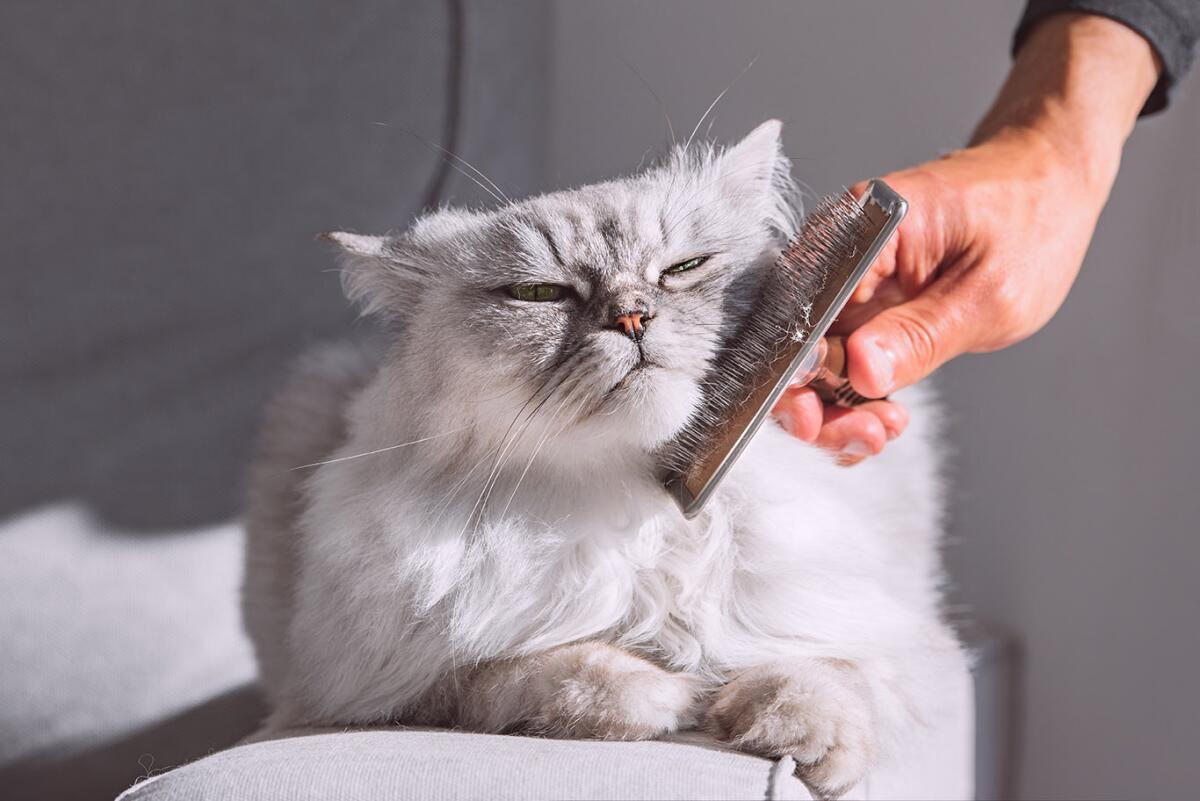
Long-haired cats need gentle brushes that reach through thick fur. Slicker brushes have fine, short wires to remove loose hair and dirt. Pin brushes have widely spaced pins to detangle without hurting the skin. Both types help prevent mats and knots. Soft bristle brushes add shine and smooth the coat after brushing.
Combs And Dematting Tools
Combs help find small tangles and remove debris from the fur. Wide-toothed combs gently detangle mats without pulling too hard. Dematting tools have sharp blades designed to cut through tough knots safely. Use these tools carefully to avoid hurting your cat. Regular combing prevents painful mats and keeps the fur soft.
Bathing Supplies
Bathing long-haired cats requires mild shampoos made for pets. Choose shampoos that moisturize and reduce shedding. Use conditioners to keep fur soft and easy to brush. Non-slip mats help your cat feel safe during baths. Have towels ready to dry your cat quickly and prevent chilling.
Establishing A Grooming Routine
Establishing a grooming routine for your long-haired cat is key to keeping their coat healthy and tangle-free. Regular grooming helps prevent mats and reduces shedding, making your cat more comfortable. It also builds trust between you and your furry friend, turning grooming time into a bonding experience.
Frequency Of Brushing
Long-haired cats need brushing more often than short-haired breeds. Aim to brush your cat at least 3 to 4 times a week. Some cats with very thick or silky coats may benefit from daily brushing to stop knots before they form.
Pay attention to your cat’s coat—if you notice mats or excessive shedding, increase brushing frequency. Remember, consistent grooming prevents problems rather than fixing them later.
Best Times To Groom
Choose times when your cat is relaxed and calm, such as after a meal or a nap. Avoid grooming right after energetic play, as your cat might be too excited to sit still. Early evenings or quiet mornings often work well for many cats.
Try to make grooming a part of your daily routine, like brushing your teeth. This regularity helps your cat know what to expect and reduces resistance.
Creating A Calm Environment
Set up a quiet, comfortable spot for grooming, away from loud noises and distractions. Use soft lighting and speak gently to keep your cat at ease. Having a favorite blanket or cushion nearby can also help your cat feel secure.
If your cat is nervous, start with short sessions and gradually increase the time. Offering treats or gentle praise during and after grooming encourages positive associations.
Brushing Techniques
Brushing long-haired cats gently removes tangles and reduces shedding. Use a wide-toothed comb to detangle fur. Regular grooming keeps their coat shiny and healthy.
Brushing Techniques Long-haired cats require regular grooming to maintain their beautiful coats. Effective brushing techniques can prevent mats and tangles. This also ensures your cat’s comfort and health. Here are some essential tips for grooming your long-haired feline friend.Detangling Knots Safely
Use a wide-tooth comb to locate any knots. Gently work through them with your fingers first. Apply a detangling spray if needed. Never pull hard on knots, as this can hurt your cat. Slowly and gently work through each knot until it loosens.Handling Sensitive Areas
Cats have sensitive areas like the belly and tail. Use a soft brush when grooming these areas. Be gentle and patient. Start with short, light strokes. Watch your cat’s reactions. Stop if they seem uncomfortable or stressed.Preventing Hair Breakage
Choose a brush with soft bristles to prevent hair breakage. Brush in the direction of hair growth. This reduces stress on the hair shafts. Avoid over-brushing which can lead to breakage. Regular, gentle brushing keeps the coat healthy and shiny.Bathing Your Long-haired Cat
Bathing your long-haired cat might sound challenging, but it’s an essential part of keeping their coat clean and healthy. Unlike short-haired cats, long-haired breeds can develop mats and tangles that regular brushing alone can’t fix. Bathing helps remove dirt, excess oils, and loose fur, making grooming easier and preventing skin problems.
Choosing The Right Shampoo
Pick a shampoo specifically made for cats to avoid skin irritation. Look for gentle, hypoallergenic formulas that don’t contain harsh chemicals or strong fragrances. Some shampoos are designed for long-haired cats, helping to detangle fur and add shine.
Have you ever noticed your cat’s skin getting dry or flaky after a bath? That’s a sign you might need a moisturizing shampoo. Avoid using human shampoo or dog shampoo, as their pH levels are different and can harm your cat’s skin.
Step-by-step Bathing Process
- Brush your cat thoroughly before the bath to remove loose fur and prevent tangles.
- Fill a basin or sink with lukewarm water—test the temperature to make sure it’s comfortable.
- Gently wet your cat’s fur, avoiding the eyes and ears.
- Apply a small amount of shampoo and massage it into the coat, focusing on dirty areas.
- Rinse thoroughly until all shampoo is gone; leftover residue can irritate the skin.
- Use a cup or handheld sprayer for better control during rinsing.
Patience is key here. If your cat resists, try talking softly or offering treats to keep them calm. Have you found any calming tricks that help your cat stay relaxed?
Drying Tips For A Fluffy Coat
After the bath, wrap your cat in a soft towel to soak up excess water. Avoid rubbing vigorously, which can cause tangles or stress your cat. Instead, gently press and squeeze the fur.
If your cat tolerates it, use a blow dryer on the lowest heat and speed settings. Keep the dryer moving to avoid overheating one spot. Brush the fur while drying to prevent mats and help the coat dry smoothly.
Remember, drying your cat completely is crucial to prevent chills and skin issues. Have you noticed how much fluffier your cat looks after a proper dry? It’s a rewarding sight worth the effort.
Maintaining Coat Health
Maintaining your long-haired cat’s coat health is essential for keeping their fur soft, shiny, and tangle-free. A healthy coat reflects overall well-being, so paying attention to what your cat eats, drinks, and supplements can make a big difference. Let’s look at key ways to support your cat’s beautiful fur from the inside out.
Nutrition For Shiny Fur
Your cat’s diet plays a major role in coat quality. Foods rich in omega-3 and omega-6 fatty acids, such as fish oils, help reduce dryness and promote shine.
Protein is another important building block for fur. High-quality, animal-based proteins support strong hair growth and prevent breakage.
Think about switching to a premium cat food formulated for skin and coat health. You might notice your cat’s fur becoming softer and more vibrant within a few weeks.
Hydration And Skin Care
Hydration affects skin elasticity and fur moisture. Make sure your cat always has access to fresh water, especially if they eat mostly dry food.
Some cats prefer running water, so consider a pet water fountain to encourage drinking. Proper hydration reduces dandruff and itching.
Regularly check your cat’s skin for dryness or irritation. If you spot any issues, a gentle moisturizing spray designed for cats can soothe the skin without causing harm.
Supplements And Vitamins
Supplements can fill nutritional gaps that affect coat health. Fish oil capsules or liquid supplements rich in EPA and DHA are popular choices among cat owners.
Vitamins like vitamin E and biotin also support skin repair and hair strength. However, it’s important to consult your vet before adding supplements to your cat’s routine.
Have you ever tried supplements and seen a visible improvement in your cat’s coat? Your experience might help others decide whether to give them a try.
Managing Shedding And Hairballs
Managing shedding and hairballs is important for long-haired cat owners. Excess fur can spread around the home and cause discomfort for your pet. Hairballs form when cats swallow loose fur during grooming. These can cause digestive issues or discomfort. Regular care helps keep your cat healthy and your home cleaner.
Reducing Loose Fur
Brush your cat daily to remove loose fur. Use a wide-toothed comb or slicker brush suited for long hair. Brushing prevents fur from falling off inside your house. Bathing your cat occasionally helps reduce shedding too. Provide a healthy diet with omega fatty acids to improve coat health.
Preventing Hairballs
Regular brushing lowers the amount of fur your cat swallows. Special hairball control cat food supports digestion and fur passage. Offer plenty of fresh water to keep your cat hydrated. Some cats benefit from hairball remedies or supplements. Watch for signs like coughing or gagging and consult a vet if needed.
Cleaning Tips For Owners
- Use a vacuum cleaner with a pet hair attachment on carpets and furniture.
- Lint rollers or sticky tape remove fur from clothing and upholstery easily.
- Wash your cat’s bedding frequently to reduce hair buildup.
- Keep air filters clean to reduce airborne pet hair.
- Use microfiber cloths to wipe surfaces where fur collects.
When To Seek Professional Help
Grooming a long-haired cat can be a rewarding experience. Sometimes, certain situations need a professional’s touch. Knowing when to seek expert help keeps your cat healthy and comfortable. It also prevents stress for both you and your pet.
Signs Of Skin Problems
Watch for redness, bumps, or scabs on your cat’s skin. Persistent scratching or biting is a red flag. Bald patches or flaky skin need immediate attention. A professional can diagnose and treat these issues early. Early care avoids serious skin infections or diseases.
Professional Grooming Services
Professional groomers handle mats and tangles safely. They use special tools and techniques for delicate fur. Groomers also trim nails and clean ears properly. Regular visits help maintain your cat’s coat and health. Professionals spot problems that might be missed at home.
Handling Difficult Grooming Situations
Some cats resist grooming due to fear or pain. Aggressive or very shy cats can be hard to groom alone. Professionals know how to calm and handle these cats gently. They reduce stress and avoid injuries during grooming. Calling a pro saves time and keeps your cat safe.
Frequently Asked Questions
How Often Should I Groom A Long-haired Cat?
Groom your long-haired cat at least 3-4 times a week. Regular grooming prevents mats, reduces shedding, and keeps the coat healthy.
What Tools Are Best For Grooming Long-haired Cats?
Use a wide-toothed comb, slicker brush, and grooming scissors. These tools help detangle fur, remove loose hair, and trim problem areas.
How Do I Prevent Mats In Long Cat Fur?
Brush your cat daily to avoid tangles. Pay special attention to behind ears, under legs, and around the neck where mats form.
Can Grooming Reduce Shedding In Long-haired Cats?
Yes, regular grooming removes loose hair before it falls. This reduces shedding around your home and keeps your cat comfortable.
Conclusion
Grooming a long-haired cat takes time and patience. Regular brushing stops mats and tangles from forming. It helps your cat feel comfortable and clean. Use gentle tools made for long fur. Keep your cat calm with soft words and breaks.
Healthy grooming keeps your cat’s coat shiny and soft. It also helps spot health problems early. Enjoy this quiet time with your furry friend. A little care each day makes a big difference. Your cat will thank you with purrs and love.

Leave a Reply