
If you have a hairless cat or are thinking about getting one, you might wonder how to keep your unique pet happy and healthy. Hairless cat breeds need special care that’s different from furry cats.
From skin care to diet and warmth, there are simple steps you can take to make sure your cat feels comfortable every day. By learning these easy tips, you’ll build a stronger bond with your pet and enjoy a worry-free life together.
Keep reading to discover exactly what your hairless cat needs and how you can give it the best care possible.
Hairless Cat Breeds
Hairless cat breeds stand out with their unique appearance and charming personalities. Their lack of fur means they need special care that’s quite different from other cats. Understanding their distinct traits helps you provide the best environment for these fascinating pets.
Common Hairless Breeds
Some hairless cat breeds are more popular than others due to their friendly nature and striking looks. The Sphynxis probably the most well-known, loved for its wrinkled skin and big ears. The Peterbaldoffers a variety of coat types, from completely bald to a short fuzz, and is known for its slender body.
Another breed, the Don Sphynx, has a peach-fuzz coat and a playful temperament. The Elf Catcombines hairlessness with uniquely curled ears, making it a rare find. Each breed has its own personality quirks, so consider which fits your lifestyle best.
Unique Skin Features
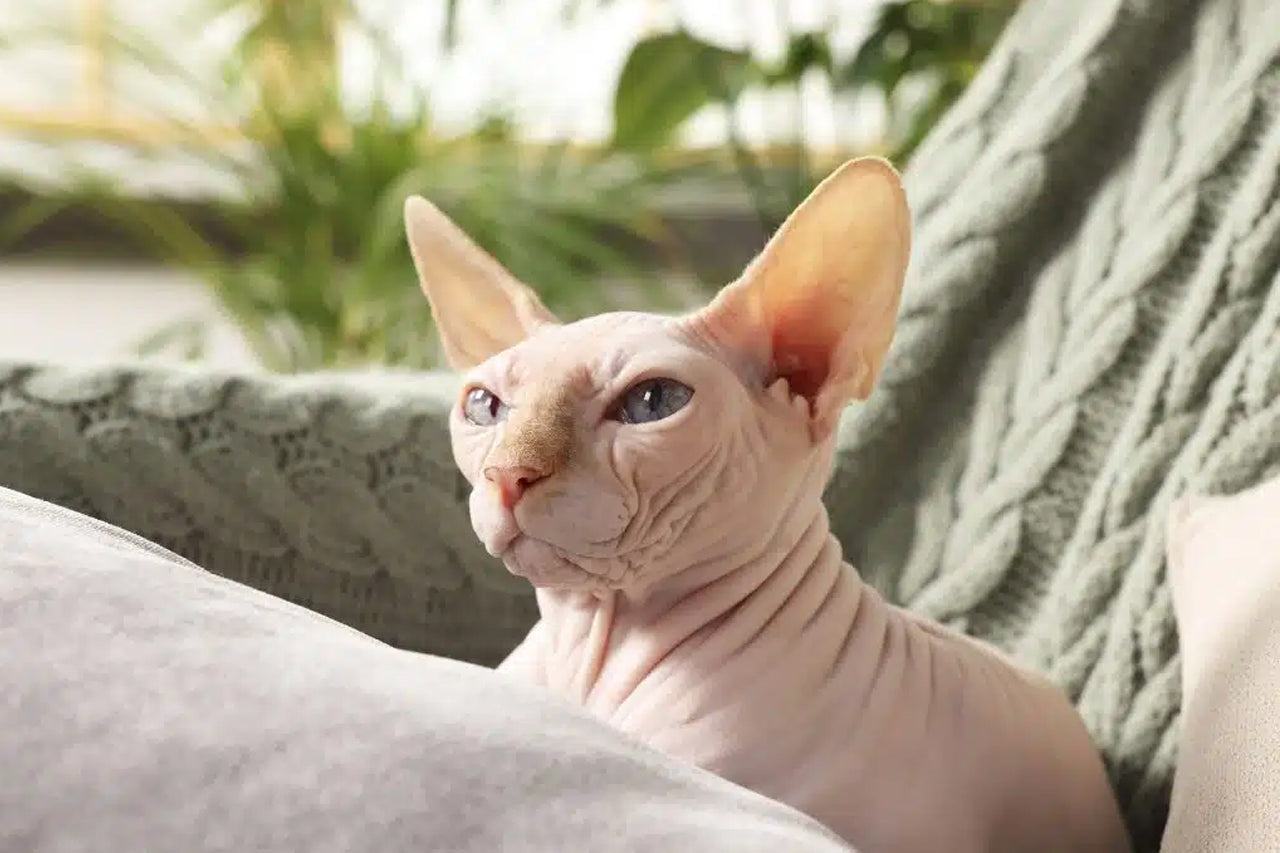
Without fur, these cats have sensitive skin that requires extra attention. Their skin can get oily, so regular gentle baths are necessary to keep it clean. You’ll notice some hairless cats have wrinkles, which means you must clean those folds carefully to avoid irritation.
Sun exposure is another concern. Their skin can burn easily, so it’s best to keep them indoors or in shaded areas. Have you ever thought about how their temperature regulation differs from furry cats? They tend to feel cold more quickly, so cozy blankets or warm spots are a must in your home.
Paying attention to their skin’s health can prevent issues like dryness or infections. Using mild, cat-safe moisturizers after baths can help maintain softness. How do you plan to keep your hairless cat’s skin healthy and comfortable every day?
Credit: wildearth.com
Skin Care Basics
Hairless cat breeds need special attention to their skin because it’s exposed and delicate. Without fur to protect them, their skin can get oily, dry, or even sunburned. Understanding the basics of skin care helps you keep your pet comfortable and healthy.
Regular Bathing
Hairless cats produce more oils than furry cats, so regular baths prevent buildup that can cause irritation or acne. Use a gentle, fragrance-free shampoo designed for sensitive skin. Bathing once every one to two weeks usually works well, but watch your cat’s skin condition to adjust frequency.
Make bath time calm and soothing to avoid stress. Warm water and a soft cloth can help you clean hard-to-reach areas carefully. Have you noticed your cat rubbing against furniture or scratching? It might be time for a bath.
Moisturizing Techniques
Even though these cats produce oil, their skin can still dry out, especially in air-conditioned or heated homes. Apply a vet-approved moisturizer to keep their skin soft and prevent cracking. Coconut oil or special pet lotions work well but avoid anything with strong fragrances or alcohol.
Use a small amount and rub it gently into your cat’s skin, focusing on rough patches. Regular moisturizing creates a protective barrier and reduces itching. Could your cat’s restlessness be linked to dry skin?
Sun Protection
Without fur, your cat’s skin is vulnerable to sun damage. Keep your cat indoors during peak sunlight hours or provide shaded spots near windows. If your cat spends time outside, use a pet-safe sunscreen recommended by your vet on exposed skin.
Remember, human sunscreens can be toxic to cats. Look for zinc oxide-free formulas made specifically for pets. How often do you think about sun risks for your hairless cat?
Diet And Nutrition
Proper diet and nutrition play a crucial role in keeping your hairless cat healthy and comfortable. Unlike cats with fur, hairless breeds have unique needs that require careful attention to their food. Your cat’s skin is more exposed, making nutrition a vital part of their overall care.
Balanced Diet Needs
Hairless cats burn more calories to maintain their body temperature since they lack the insulation of fur. This means they often need a diet higher in calories and protein than other cats. Choose high-quality cat food rich in animal-based proteins like chicken, turkey, or fish.
Look for foods that include essential fatty acids such as omega-3 and omega-6. These fats support skin health and help prevent dryness and irritation. You might want to feed smaller, more frequent meals to keep your cat’s energy levels steady throughout the day.
Have you noticed your hairless cat feeling cold or restless? Adjusting their diet to provide extra calories can make a big difference in their comfort and vitality.
Supplements For Skin Health
Adding supplements can be a game changer for your hairless cat’s skin condition. Omega fatty acid supplements, like fish oil, are especially helpful in maintaining smooth, hydrated skin.
Vitamin E is another great option. It acts as an antioxidant and helps repair damaged skin cells. You can find these supplements in liquid form or capsules, but always check with your vet before adding anything new.
Probiotics can also support your cat’s overall immune system, which indirectly benefits skin health. If your cat has flaky or irritated skin, these supplements might be worth trying alongside their regular diet.

Credit: www.petscare.com
Temperature Control
Hairless cats need warm, cozy spaces to stay comfortable. Avoid cold drafts and use soft blankets to help maintain their body heat. Regularly check their skin to ensure it’s not too dry or irritated from temperature changes.
Temperature control is crucial for the well-being of hairless cats. These unique felines lack the fur that typically provides warmth. Ensuring their environment is comfortable is essential. They are more sensitive to temperature changes. Below, we explore how to keep them cozy indoors and safe outdoors.Keeping Warm Indoors
Hairless cats often feel cold indoors. Use warm blankets in their favorite spots. Heated pet beds offer additional comfort. Keep your home at a consistent, warm temperature. Drafts can make them feel chilly. Make sure their sleeping area is draft-free. Consider placing their bed near a heater, but not too close. Cats are curious and may get too warm.Outdoor Safety Tips
Hairless cats need protection outside. A sunny day doesn’t guarantee warmth. Use protective clothing to shield them from the cold. Cat sweaters or jackets work well. Monitor their time outdoors. They can get cold quickly. Choose a mild day for outdoor adventures. Avoid letting them out in cold or windy weather. Keep an eye on their behavior. If they shiver, bring them indoors immediately.Health Monitoring
Keeping a close eye on your hairless cat’s health is essential. Their unique skin and lack of fur make them prone to specific issues that require your attention. Regular monitoring helps catch problems early, ensuring your cat stays comfortable and happy.
Common Skin Issues
Hairless cats often face challenges like dryness, sunburn, and irritation. Their skin can become flaky or oily, depending on the environment and diet. Have you noticed any redness, bumps, or unusual spots on your cat’s skin? These might be signs of infections or allergies.
To protect your cat, apply gentle, pet-safe moisturizers recommended by your vet. Avoid harsh soaps or frequent baths that strip natural oils. Also, think about using pet sunscreen if your cat spends time near windows or outdoors.
Regular Vet Checkups
Scheduling vet visits is crucial for early detection of health concerns. Hairless breeds may develop issues with their heart, teeth, or immune system that you can’t see at home. Your vet can perform skin assessments and recommend treatments tailored to your cat’s needs.
How often should you visit the vet? Twice a year is a good rule for hairless cats, but more frequent visits might be necessary if your cat has ongoing skin problems. Keeping a health journal can help track any changes between visits, making discussions with your vet more effective.
Grooming Tools And Tips
Hairless cat breeds need special care to keep their skin healthy and clean. Choosing the right grooming tools is key. These cats have sensitive skin that requires gentle handling. Proper tools and products help maintain their comfort and hygiene. Regular grooming also prevents skin issues and keeps your pet happy.
Cleaning Supplies
Use gentle, fragrance-free wipes for quick cleaning. A soft, damp cloth works well to remove dirt and oils. Mild, hypoallergenic pet shampoos are best for baths. Avoid harsh soaps and human products that can dry out skin. Cotton pads can help apply cleaning solutions softly. Keep all supplies ready to make grooming easy and stress-free.
Handling Sensitive Skin
Always be gentle when touching hairless cats. Their skin tears easily and bruises with rough handling. Use soft towels for drying after baths. Avoid scrubbing; pat skin softly instead. Check skin regularly for redness or irritation. Use moisturizing products made for hairless cats to prevent dryness. Keep nails trimmed to avoid accidental scratches.
Behavior And Social Needs
Understanding the behavior and social needs of hairless cat breeds is key to building a strong relationship with your feline friend. These cats are known for their affectionate nature and crave interaction more than many other breeds. Meeting their social needs keeps them happy and emotionally healthy.
Bonding With Hairless Cats
Hairless cats, like the Sphynx, often seek constant companionship. They love being near you, whether you’re working or relaxing. Try setting aside quiet moments each day to simply hold or pet your cat; this strengthens your bond.
Notice how your cat responds to touch and adjust accordingly. Some hairless cats enjoy gentle massages while others prefer light strokes. Do you pay attention to these subtle cues? Your cat’s reactions can teach you how to connect better.
Play And Exercise
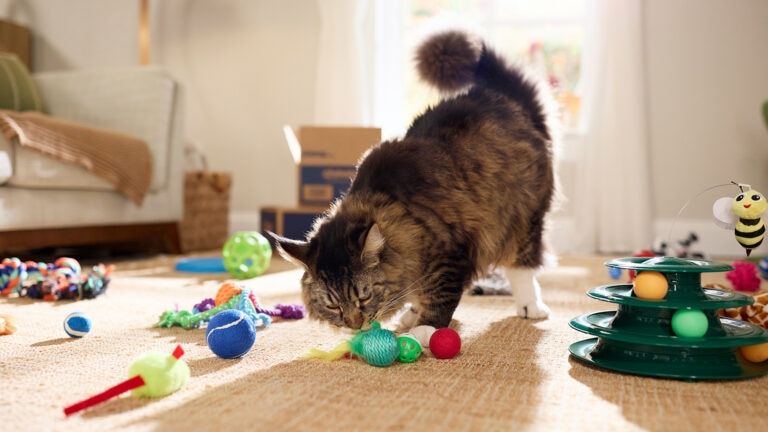
Hairless cats have plenty of energy and need regular play to stay fit and mentally sharp. Interactive toys like feather wands or laser pointers work great. You can even create simple games using household items.
- Set aside multiple short play sessions daily to keep your cat engaged.
- Introduce puzzle feeders to challenge their minds and encourage movement.
- Rotate toys frequently to prevent boredom.
Have you noticed how your cat’s behavior changes when they don’t get enough play? Restlessness or clinginess can signal they need more activity. Giving them the right kind of exercise helps reduce stress and strengthens your connection.
:strip_icc()/spruce-pets-hairless-cats-2025-cd72619c8eae4711964aaa67ced3b5a5.png)
Credit: www.thesprucepets.com
Frequently Asked Questions
How Often Should I Bathe A Hairless Cat?
Hairless cats need regular baths, usually once a week. Their skin produces oils that can build up without fur. Bathing prevents oiliness and skin infections. Use a gentle, pet-safe shampoo. Always dry the cat thoroughly after bathing to avoid chills.
What Diet Is Best For Hairless Cat Breeds?
Hairless cats require a balanced, high-quality diet rich in protein. Their faster metabolism helps maintain body heat. Feeding premium cat food supports skin health and energy. Avoid overfeeding to prevent obesity. Fresh water should always be available to keep them hydrated.
How Do I Protect Hairless Cats From Sunburn?
Hairless cats have sensitive skin prone to sunburn. Limit their sun exposure, especially during peak hours. Use pet-safe sunscreen if they go outside. Provide shaded areas indoors and outdoors. Avoid direct sunlight to protect their delicate skin from damage.
Why Do Hairless Cats Need Warmth?
Hairless cats lack fur for insulation, so they get cold easily. Providing warm bedding and heated spots helps them stay comfortable. Keep indoor temperatures stable and avoid drafts. Dress them in soft, breathable clothing during cold weather if needed.
Conclusion
Hairless cats need gentle care and regular attention. Their skin requires cleaning to stay healthy and soft. Keep them warm, as they feel cold easily. Feed them balanced food to support their skin and energy. Watch for any skin changes or health issues.
Loving care helps these unique pets thrive happily. Caring for hairless cats is simple with the right steps. They bring joy and companionship to any home. Small daily efforts make a big difference in their well-being.

Leave a Reply