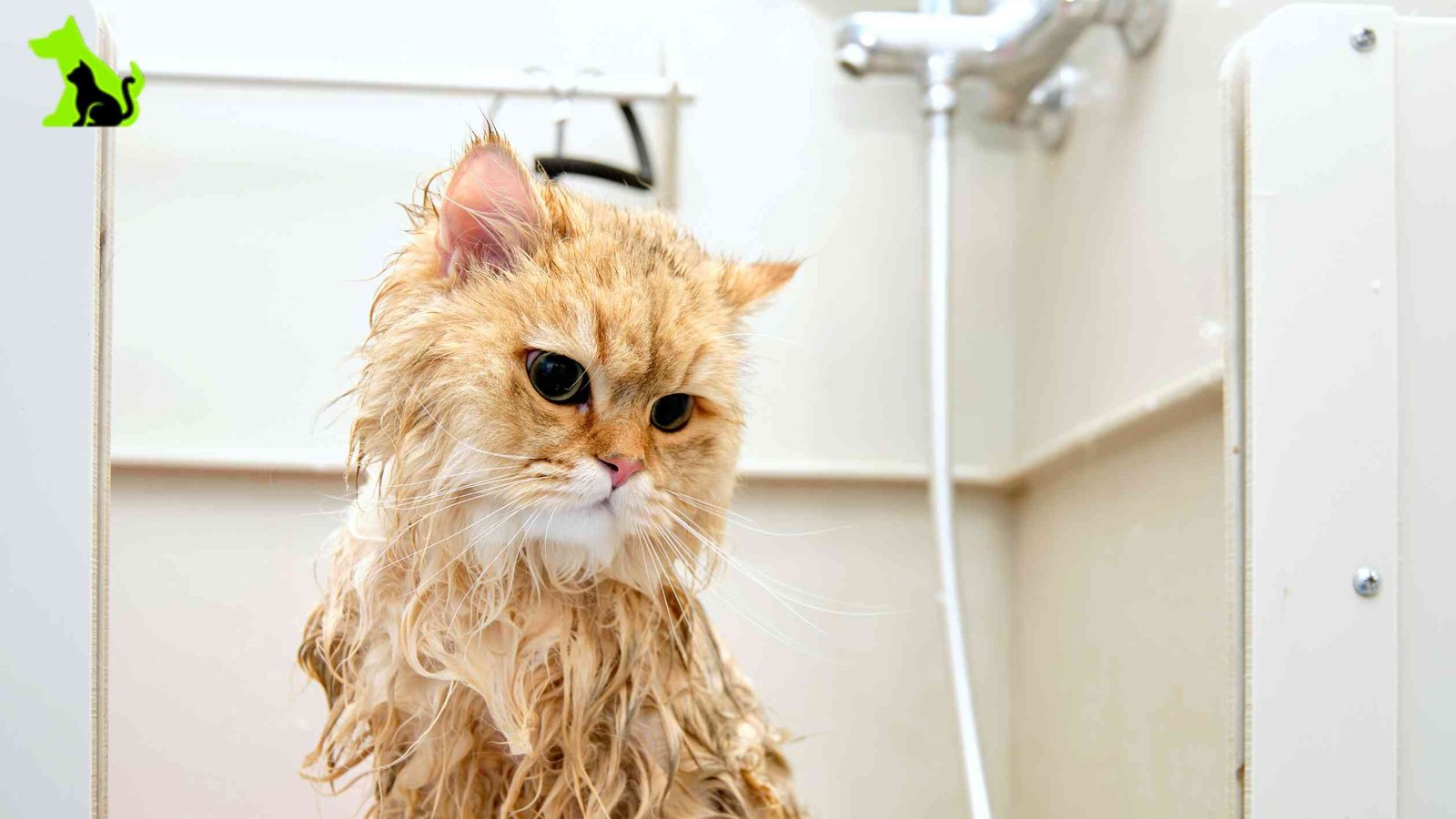
Have you ever noticed your cat licking itself more than usual? You might wonder if your furry friend is over grooming when stressed.
This behavior can be puzzling and worrying for any cat owner. Understanding why your cat over grooms and what it means for their health is key to helping them feel calm and comfortable. Keep reading to discover the surprising reasons behind this habit and how you can support your cat through stressful times.

Credit: pennypaws.com
Stress And Cat Grooming
Stress plays a big role in how cats groom themselves. Grooming is more than just cleaning. It is a way for cats to feel calm and safe. When a cat feels stressed, its grooming habits can change. Sometimes, cats groom too much as a way to deal with stress. Understanding why cats groom helps us see how stress affects them.
Why Cats Groom Themselves
Cats groom for many reasons. It keeps their fur clean and free from dirt. Grooming also helps cats cool down and control their body temperature. It is a way to remove loose fur and prevent matting.
Grooming is also a comfort activity. It helps cats relax and feel secure. Cats may groom after eating or when they are resting. It is a natural behavior that keeps them healthy.
How Stress Affects Grooming Habits
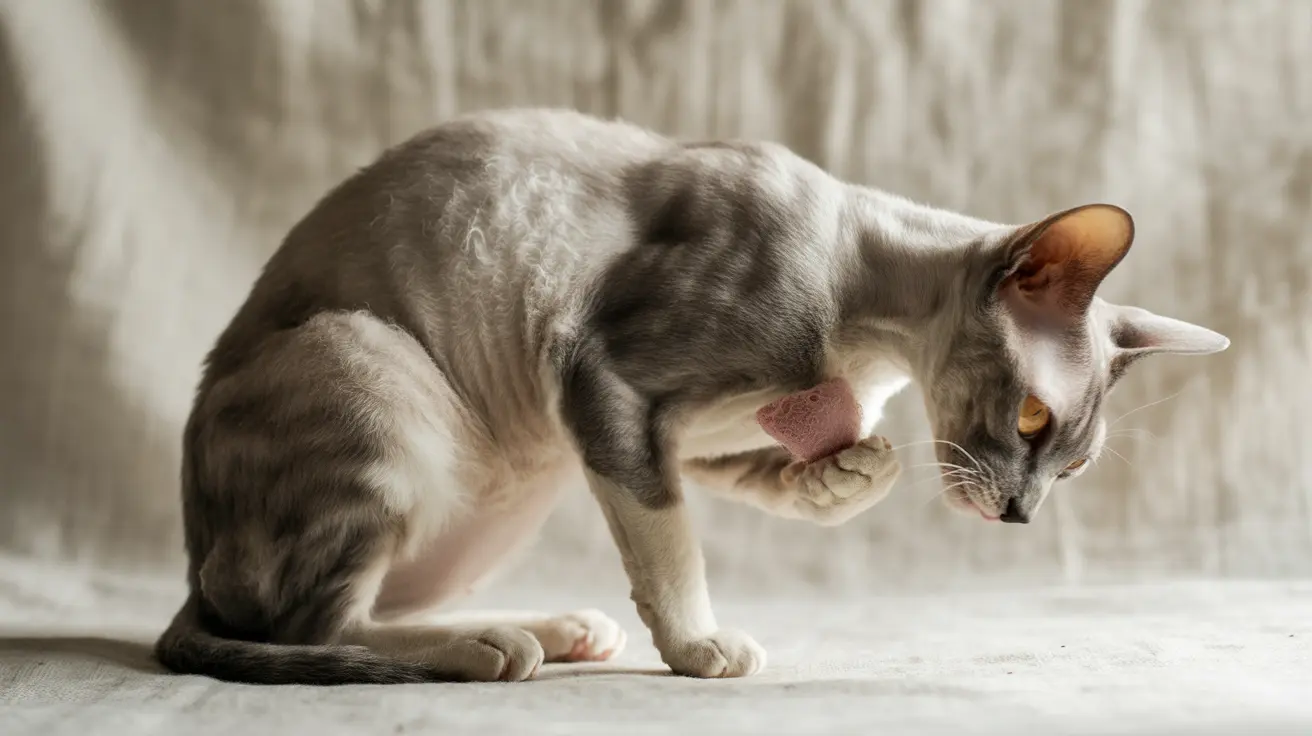
Stress can cause cats to groom more than usual. Over-grooming may lead to bald spots or skin irritation. This behavior is called “psychogenic alopecia.” Stress can come from changes in the environment or loud noises.
Some cats lick or chew their fur to cope with anxiety. This helps them feel better temporarily. But if stress stays for a long time, grooming can become harmful. Watching a cat’s grooming habits can show if it feels stressed.
Signs Of Over Grooming
Recognizing the signs of over grooming in your cat is crucial for their well-being. Over grooming often points to stress or discomfort that your feline friend is trying to manage. Noticing these signs early can help you provide the support your cat needs before the problem worsens.
Bald Patches And Skin Irritation
One of the clearest signs of over grooming is bald patches on your cat’s fur. These spots may appear suddenly and can vary in size. Along with hair loss, you might see redness or raw, irritated skin where the fur is missing.
Have you checked your cat’s coat closely recently? If you spot these signs, it’s time to take action. Ignoring them can lead to infections or further skin damage.
Excessive Licking Behavior
You might notice your cat licking the same area repeatedly, far more than usual grooming habits. This intense licking can last for minutes or even hours at a stretch. It’s a way for your cat to soothe itself, but too much can harm the skin.
Try observing when and where your cat licks the most. Does it happen after a stressful event or when they’re alone? Identifying triggers can help you reduce the behavior and keep your cat comfortable.
Changes In Cat’s Mood And Activity
Over grooming often comes with changes in your cat’s mood or energy levels. Your once playful cat might become withdrawn or irritable. You may also notice less interest in toys or interaction.
Ask yourself if your cat’s behavior feels different lately. These subtle mood shifts can be clues that stress is affecting them deeply. Paying attention can guide you to offer the right comfort and care.
Common Stress Triggers
Understanding what triggers stress in cats is key to spotting when they might be over grooming. Stress doesn’t always come from obvious places. Often, it’s subtle changes or ongoing issues that push your feline friend to lick excessively.
Environmental Changes
Changes in your cat’s environment can cause a lot of stress. Moving to a new home or rearranging furniture might seem minor to you but can feel overwhelming to your cat.
Even small disruptions like new smells, sounds, or unfamiliar visitors can unsettle them. Have you noticed your cat licking more after a loud party or a fresh coat of paint in the house? That’s a sign they’re trying to cope.
Social Stressors
Cats are sensitive to social dynamics. Introducing a new pet or family member can create tension. Your cat may feel their territory or routine is threatened.
Sometimes, the stress is less visible, like jealousy or competition for your attention. If your cat suddenly starts over grooming after a new kitten arrives, it’s their way of managing anxiety.
Health Issues
Stress isn’t always emotional—physical discomfort matters too. Skin allergies, parasites, or pain can make your cat lick obsessively.
Keep an eye out for bald patches or sores from over grooming. If your cat’s behavior changes suddenly, a vet check can rule out health problems that might be causing stress.

Credit: petcube.com
Health Risks From Over Grooming
Cats often groom themselves excessively when feeling stressed. This over grooming can cause skin irritation, hair loss, and infections. Watching for these signs helps protect your cat’s health and comfort.
Over grooming in cats is more than just a quirky habit; it can pose significant health risks. When your feline friend starts grooming excessively due to stress, it can lead to a series of health concerns. Understanding these risks can help you take action and support your cat’s well-being.Skin Infections
When a cat over grooms, its skin becomes vulnerable. Constant licking removes the protective oils, leading to dry, irritated skin. This can make it a breeding ground for bacteria and infections. Imagine dealing with a recurring itch that just won’t go away. For your cat, this can result in painful skin infections, which might require medication or even a visit to the vet.Hair Loss Consequences
Over grooming often results in noticeable bald patches. This isn’t just an aesthetic issue; hair loss can expose delicate skin to more harm. You might notice your cat’s once plush coat thinning and wonder about the cause. Hair loss can lead to further skin damage and reduced insulation against temperature changes.Secondary Health Problems
Stress-induced over grooming can have a domino effect on your cat’s health. The physical effects can lead to secondary issues, affecting their overall well-being. For example, open sores from over grooming can become infected, leading to more serious health complications. It’s crucial to address both the physical and emotional causes to prevent these secondary problems. Have you noticed changes in your cat’s grooming habits? Observing these signs early can make a world of difference for their health and happiness.Behavioral Solutions
Behavioral solutions play a crucial role in managing a cat’s tendency to over groom when stressed. Understanding how to create a supportive environment can help your cat feel safer and more relaxed. These strategies focus on reducing anxiety and redirecting your cat’s energy in positive ways.
Creating A Calm Environment
Your cat’s surroundings greatly affect its stress levels. Make sure your home has quiet spaces where your cat can retreat without disturbance. Soft lighting and cozy bedding can help create a peaceful atmosphere.
Have you noticed your cat avoiding certain rooms or hiding more than usual? This could signal stress. Try to limit sudden changes in your home, such as loud noises or new furniture, which might unsettle your cat.
Interactive Play And Enrichment
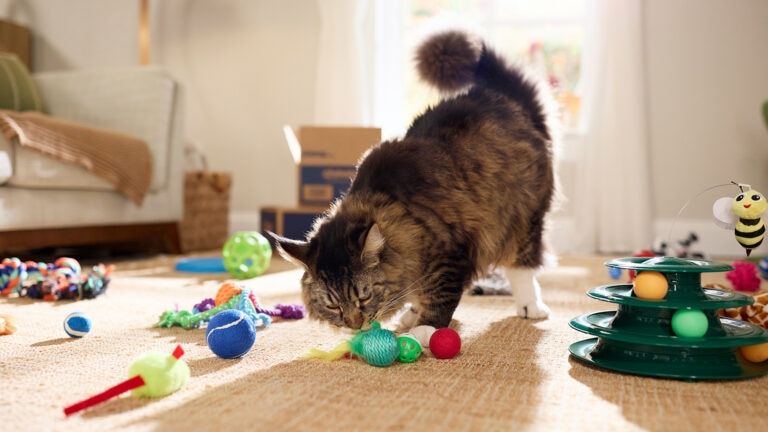
Engaging your cat with interactive toys can divert attention from over grooming. Use wand toys, laser pointers, or puzzle feeders to keep your cat’s mind active and body moving.
Regular play sessions not only reduce boredom but also help release built-up stress. You might find your cat more relaxed and less focused on licking or chewing its fur.
Reducing Stress Triggers
Identifying and minimizing stress triggers can stop over grooming before it starts. Common triggers include changes in routine, introduction of new pets, or loud household noises.
Observe your cat’s behavior closely to pinpoint what causes anxiety. Once identified, try to adjust your cat’s environment or routine to avoid these triggers as much as possible.
Medical And Professional Help
Over grooming in cats can signal more than just a quirky habit—it might point to underlying medical or emotional issues. Recognizing when to seek professional help is crucial for your cat’s well-being. Addressing the problem early can prevent discomfort and restore your feline friend’s happiness.
When To Visit A Veterinarian
If your cat is licking, biting, or scratching excessively, causing bald patches or sores, it’s time to get a vet involved. Sudden changes in grooming behavior often indicate allergies, skin infections, or parasites. Have you noticed your cat losing fur rapidly or showing signs of pain? These symptoms demand prompt medical attention.
Veterinarians can perform skin tests, blood work, and allergy screenings to identify hidden health issues. They can also rule out physical causes before considering stress as the main trigger. Don’t wait for symptoms to worsen; early diagnosis makes treatment more effective.
Possible Treatments And Medications
Treatment depends on the root cause. If allergies or infections are diagnosed, vets may prescribe antihistamines, antibiotics, or medicated shampoos. In some cases, special diets can reduce food-related allergies that cause over grooming.
For stress-related grooming, vets might recommend anti-anxiety medications or calming supplements. These help reduce your cat’s urge to over groom while you work on environmental changes. Have you tried creating a quieter space or adding interactive toys to keep your cat mentally stimulated?
Consulting Animal Behaviorists
If medical causes are ruled out, a certified animal behaviorist can help identify emotional triggers. These experts analyze your cat’s environment and habits to develop personalized behavior modification plans. Their guidance can be vital in managing stress-induced grooming.
Behaviorists often suggest techniques such as:
- Environmental enrichment to reduce boredom
- Positive reinforcement to encourage calm behaviors
- Stress reduction strategies tailored to your cat’s needs
Working with a behaviorist might seem like a big step, but it can transform your cat’s quality of life. Have you considered how small changes at home could make a big difference in your cat’s stress levels?
Preventing Over Grooming
Preventing over grooming in cats is important for their health and happiness. Over grooming can cause skin problems and hair loss. Knowing how to keep your cat calm and comfortable helps reduce this behavior. Simple steps can make a big difference.
Regular Health Checks
Regular vet visits help catch health issues early. Skin allergies, parasites, or pain can cause over grooming. A vet can offer treatments to ease discomfort. Keep vaccinations and parasite control up to date. Healthy cats groom less out of stress or pain.
Maintaining Routine And Stability
Cats love routine. Predictable schedules reduce anxiety. Feed and play with your cat at the same times daily. Provide safe spaces where your cat can relax. Avoid sudden changes in the home environment. Calm surroundings help prevent stress-related grooming.
Using Stress Relief Products
Stress relief products can soothe anxious cats. Pheromone diffusers mimic calming scents cats recognize. Herbal supplements or calming treats may help some cats. Soft bedding and toys provide comfort. These products support a relaxed mood and reduce over grooming.
Credit: www.petscare.com
Frequently Asked Questions
What Causes Cats To Over Groom When Stressed?
Cats over groom when stressed due to anxiety or environmental changes. Grooming releases endorphins, which temporarily reduce stress and provide comfort. Over grooming becomes a coping mechanism that can lead to skin irritation or hair loss.
How Can I Tell If My Cat Is Over Grooming?
Signs of over grooming include bald patches, redness, sores, or scabs on your cat’s skin. You may notice excessive licking or biting in one area. Observing these behaviors early helps prevent further skin damage and discomfort.
Can Stress-related Over Grooming Harm My Cat?
Yes, over grooming can cause skin infections, hair loss, and open wounds. These issues make cats vulnerable to further health problems. Promptly addressing stress and grooming habits is essential for your cat’s well-being.
What Treatments Help Reduce Stress-induced Over Grooming?
Reducing stress through environmental enrichment, routine, and playtime helps. Consult a vet for behavior therapy or medications if needed. Using calming pheromone sprays or anxiety collars can also ease your cat’s stress.
Conclusion
Cats often groom themselves more when feeling stressed. This behavior helps them calm down and feel safer. But too much grooming can harm their skin and fur. Watch your cat closely to spot any signs of over grooming. Try to reduce stress by giving a quiet, comfortable space.
Talk to a vet if the grooming seems extreme or causes wounds. Understanding your cat’s needs helps keep them happy and healthy. Stress affects pets too, so care matters a lot. Keep your cat calm and watch their grooming habits.

Leave a Reply