Are you wondering if kitten food has more protein than adult cat food? If you want the best for your furry friend, understanding what’s inside their bowl is key.
Protein plays a big role in your cat’s health, growth, and energy. But does your growing kitten really need more protein than your adult cat? Keep reading to discover the surprising truth about protein levels in kitten versus adult cat food—and how this knowledge can help you choose the right diet for your pet’s stage of life.
Your cat’s health depends on it!
Credit: www.purina.com
Protein Needs For Kittens
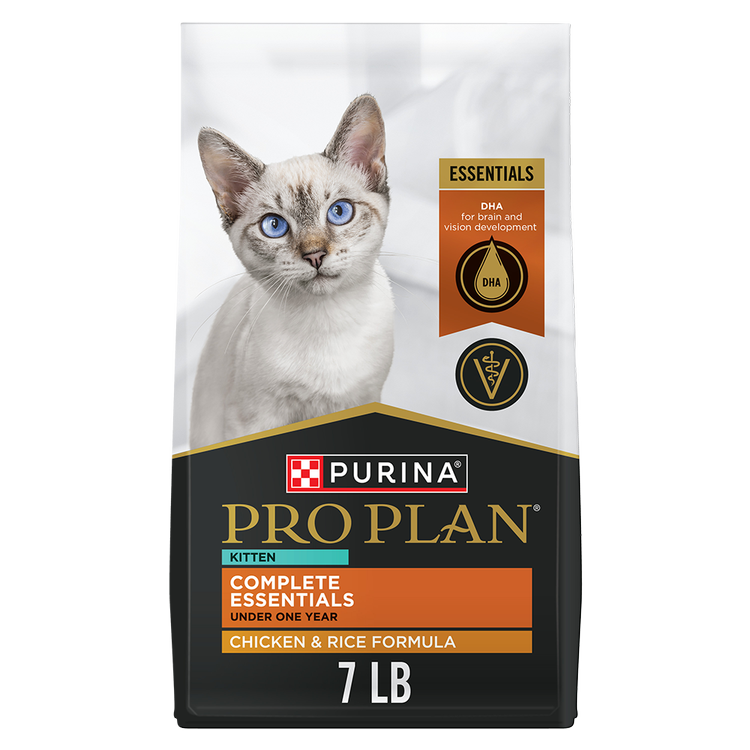
Kittens need more protein than adult cats. Protein supports their fast growth and energy. It helps build muscles, organs, and tissues. Kittens use protein to stay healthy and strong. Their food must meet these special needs.
Growth And Development Requirements
Kittens grow quickly in their first year. Their bodies need protein to develop properly. Protein supplies the building blocks for new cells. Without enough protein, growth slows down. Bones, muscles, and organs need protein to form well. Kittens burn more energy, so they need extra nutrients. High protein food supports this rapid development.
Essential Amino Acids For Kittens
Amino acids are parts of protein. Some are essential, meaning kittens cannot make them. These must come from food. Taurine is one critical amino acid for kittens. It supports heart health and vision. Arginine helps with healing and immune function. Foods rich in essential amino acids keep kittens healthy. Kitten food is designed to have these important nutrients.
Protein Levels In Kitten Food
Understanding the protein levels in kitten food is key to ensuring your young cat grows strong and healthy. Protein supports muscle development, energy, and overall vitality during their rapid growth phase. Let’s look closely at how much protein kitten food typically contains and where this protein comes from.
Typical Protein Content Range
Kitten food generally contains higher protein levels than adult cat food. You’ll often find protein percentages ranging from 30% to 40%on a dry matter basis. This is noticeably higher compared to adult cat food, which usually has protein levels around 25% to 30%.
Why the difference? Kittens need more protein to support their developing bodies and active lifestyles. If you’ve ever noticed your kitten bouncing around all day, this makes perfect sense—they need that extra fuel.
Sources Of Protein In Kitten Food
Not all proteins are created equal. High-quality kitten food sources include:
- Chicken and turkey:Lean meats packed with essential amino acids.
- Fish:Provides omega-3 fatty acids along with protein.
- Eggs:A complete protein source, great for growth.
- Beef:Rich in iron and helps with muscle development.
Many kitten foods use a combination of these to ensure balanced nutrition. Have you checked your kitten’s food label lately? Knowing the protein sources can help you pick the best option for your furry friend’s needs.
Protein Content In Adult Cat Food
Understanding the protein content in adult cat food is essential for keeping your feline friend healthy and active. Protein plays a crucial role in maintaining muscle mass, supporting immune function, and providing energy. But how much protein does an adult cat really need, and how does it compare to kitten food?
Nutritional Needs Of Adult Cats
Adult cats require a balanced diet that meets their specific nutritional needs without excess. Protein remains a vital component, but the amount needed varies based on activity level, health, and age.
Unlike kittens, adult cats don’t need as much protein for rapid growth. Instead, they need enough to maintain muscle and support overall health.
Do you know your cat’s activity level? An active outdoor cat might need more protein than a mostly indoor, sedentary cat.
Common Protein Percentages In Adult Diets
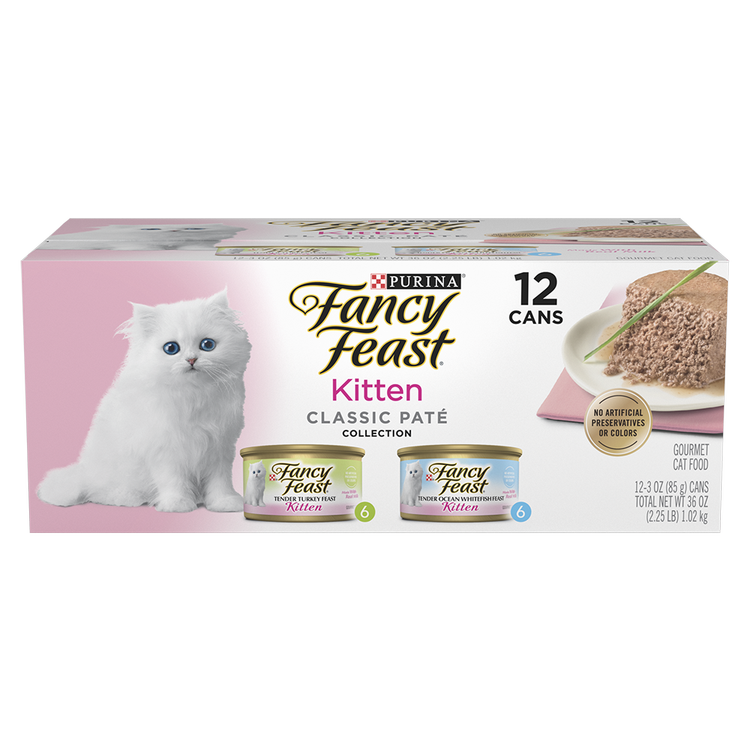
Most adult cat foods contain protein levels ranging from about 26% to 35% on a dry matter basis.
| Type of Adult Cat Food | Typical Protein Percentage |
|---|---|
| Dry Kibble | 26% – 30% |
| Canned Wet Food | 30% – 35% |
| High-Protein Formulas | 35% and above |
Choosing the right protein level depends on your cat’s lifestyle and health. Too little protein can lead to muscle loss, while too much may cause kidney strain in sensitive cats.
Have you checked the protein content on your cat’s food label lately? It’s a simple step that can make a big difference in their wellbeing.
Credit: www.purina.com
Comparing Kitten And Adult Cat Food
Choosing the right food for your feline friend is crucial. Kitten and adult cat food serve different nutritional needs. Kittens grow rapidly. They need more energy and nutrients. Adult cats have different dietary requirements. Understanding these differences helps in selecting the best food.
Differences In Protein Quantity
Kitten food typically contains more protein. This supports their growth and development. High protein helps build strong muscles. Adult cat food has less protein. Adult cats need maintenance, not growth. Check the labels for protein content. This ensures your pet gets the right amount.
Quality Of Protein Sources
Not all proteins are equal. Kitten food often uses high-quality sources. Chicken, fish, and eggs are common. These provide essential amino acids. Adult cat food also has quality proteins. But the focus is on balance and maintenance. High-quality protein supports health and vitality.
Impact Of Protein On Cat Health
Protein plays a crucial role in a cat’s health. It supports growth, repair, and energy. Cats need protein for strong muscles and a healthy immune system. The amount of protein required varies by age and health. Kittens need more protein than adult cats to support their rapid growth. Adult cats need enough protein to maintain body functions without overloading their kidneys. Understanding protein’s impact helps choose the right food for your cat.
Benefits Of High Protein For Kittens
Kittens grow fast and need extra protein for this stage. Protein helps build muscles and organs. It supports brain development and strong bones. A high protein diet keeps kittens active and healthy. This diet also improves their coat and skin condition. Protein provides energy for playful and curious kittens. Feeding kitten food with high protein supports overall development.
Risks Of Excess Protein In Adult Cats
Adult cats require less protein than kittens. Too much protein can strain the kidneys. It might cause digestive problems or dehydration. Excess protein can lead to weight gain if not used for energy. Cats with kidney disease need controlled protein intake. Balancing protein helps keep adult cats healthy and active. Feeding the right protein amount avoids long-term health issues.
Credit: www.zealandiapets.com
Choosing The Right Food For Your Cat
Choosing the right food for your cat is essential for their health and happiness. Cats need different nutrients at various life stages. Kitten food often contains more protein to support growth. Adult cat food focuses on maintaining health and energy. Understanding these differences helps you make the best choice for your pet.
Age-specific Nutritional Guidelines
Kittens require more protein and calories than adult cats. Their bodies grow fast and need extra nutrients. Kitten food usually has higher protein and fat content. Adult cats need balanced nutrition to avoid weight gain. Feeding the wrong food can lead to health problems. Always check the label for age recommendations.
Consulting A Veterinarian
A veterinarian can guide you on the best diet for your cat. They consider your cat’s age, weight, and health. Regular check-ups help adjust food as your cat grows. Vets can recommend special diets for medical conditions. Trust their advice to keep your cat healthy and active.
Frequently Asked Questions
Is Kitten Food Higher In Protein Than Adult Cat Food?
Yes, kitten food contains higher protein levels to support rapid growth and development. Adult cat food has less protein as maintenance is the focus.
Why Do Kittens Need More Protein In Their Diet?
Kittens require more protein for muscle building, organ development, and energy. Protein supports their fast growth during early life stages.
Can Adult Cats Eat Kitten Food Safely?
Adult cats can eat kitten food but it’s not ideal long-term. Kitten food has excess protein and calories, which may cause weight gain.
How Does Protein Content Differ Between Kitten And Adult Cat Food?
Kitten food typically contains 30-40% protein, while adult cat food ranges from 25-30%. The difference meets each life stage’s nutritional needs.
Conclusion
Kitten food usually has more protein than adult cat food. Growing kittens need extra protein to build strong muscles. Adult cats require less protein for maintenance. Feeding the right food supports your cat’s health and energy. Choose food based on your cat’s age and needs.
Always check labels to compare protein content. Proper nutrition helps your cat live a happy life. Remember, protein is just one part of a balanced diet. Consult your vet to find the best food for your cat. Keep your furry friend healthy and active.


Leave a Reply