If you have a cat, you know how important their litter box is for keeping your home clean and smelling fresh. But how often should you really change the litter?
Too little, and your cat might refuse to use it. Too often, and you might be wasting time and money. Finding the right balance is key to keeping your cat happy and your home pleasant. You’ll discover simple tips to keep your cat’s litter box clean without the hassle.
Read on to learn the best routine for changing your cat’s litter box and why it matters more than you might think.

Credit: perfectpetzzz.com
Litter Box Basics
Understanding the basics of litter boxes can make a big difference in how you manage your cat’s hygiene and comfort. The right setup not only keeps your home smelling fresh but also keeps your cat happy and healthy. Let’s break down what you need to know about litter boxes, the materials inside them, and how many you should have.
Types Of Litter Boxes
You have several options when choosing a litter box. Open boxes offer easy access and ventilation, which many cats prefer. Covered boxes help contain odors and litter scatter but may not suit all cats, especially those who like more space.
Self-cleaning litter boxes are becoming popular for busy owners. They can save time but might be noisy or intimidating for some cats. Think about your cat’s personality before selecting a type.
Common Litter Materials
Litter comes in many forms, each with pros and cons. Clay-based litters are affordable and clump well but can be dusty. Silica gel litters control odor and absorb moisture efficiently but tend to be pricier.
Natural litters like wood pellets or corn-based options are biodegradable and less dusty. Your cat’s preferences and any allergies should guide your choice here. Have you noticed your cat avoiding a particular type?
Number Of Boxes Needed
A common rule is to have one more litter box than the number of cats in your home. So if you have two cats, you should have three boxes. This reduces territorial disputes and keeps each cat comfortable.
Place boxes in different quiet locations to give cats privacy and choice. Are you providing enough boxes to prevent accidents and stress? Remember, a clean and accessible litter box setup encourages good habits.

Credit: www.purina.com
Cleaning Frequency Factors
Several factors influence how often a cat’s litter box should be cleaned. Understanding these can help maintain a fresh and hygienic environment for your cat. Cleaning frequency depends on your cat’s lifestyle and health. The type of litter also plays a key role in odor control and waste absorption.
Number Of Cats
The more cats sharing a litter box, the faster it fills up. Multiple cats produce more waste, requiring frequent cleaning. A single cat might need the box cleaned every few days. For two or more cats, daily cleaning is often necessary. Keeping the box clean prevents odors and encourages use.
Cat’s Age And Health
Kittens and older cats may need more frequent litter changes. Older cats might have health issues affecting bathroom habits. Sick cats can produce more urine or diarrhea, requiring extra attention. Clean litter boxes help prevent infections and discomfort. Monitor your cat’s health to adjust cleaning routines.
Type Of Litter Used
Some litters clump better and control odor well. Clumping litters allow easy removal of waste daily. Non-clumping litters may need full changes more often. Natural litters absorb moisture differently than synthetic ones. Choose a litter that suits your cat and your cleaning habits.
Daily Maintenance Tips
Maintaining your cat’s litter box daily is crucial for both your pet’s health and your home’s hygiene. While it may seem like a mundane task, regular attention can significantly reduce odors and keep your feline friend happy. By implementing a few simple daily maintenance tips, you’ll ensure a clean and comfortable environment for your cat.
Scooping Schedule
Consistency is key when it comes to scooping the litter box. Aim to scoop at least once a day to remove waste and clumps. If you have multiple cats, consider scooping twice daily to keep the box fresh.
Set a specific time each day for scooping to make it part of your routine. Whether it’s in the morning or evening, consistency helps maintain cleanliness.
Spot Cleaning Tricks
Spot cleaning is an effective way to manage minor messes without a full box change. Use a damp cloth to wipe off any litter that may have spilled outside the box. This quick action prevents odors and keeps the area tidy.
Keep a small handheld vacuum nearby to quickly suck up any stray litter pieces. This will help maintain a neat and clean space around the litter box.
Have you ever noticed how much happier your cat seems with a clean litter box? A little daily effort goes a long way in ensuring your pet’s comfort and your home’s freshness. By following these tips, you’ll create a cleaner, healthier environment for both you and your furry friend.
When To Change Litter Completely
Changing your cat’s litter box completely is essential for their health and comfort. Knowing the right time to do this helps keep odors away and prevents bacteria buildup. A full litter change ensures a fresh, clean space for your cat to use.
Signs Litter Needs Full Replacement
- Strong, persistent odor even after scooping
- Litter looks clumpy and wet throughout
- Visible discoloration or mold spots
- Cat avoids the litter box or shows stress
- Litter feels hard or crusty at the bottom
Recommended Change Intervals
For most cats, completely changing the litter every one to two weeks works well. Multiple cats may require more frequent changes, about every 3 to 5 days. Using clumping litter can extend the time between full changes but still needs regular refreshing. Clean the litter box itself with mild soap and water during each full change to remove residue and bacteria.
Cleaning The Litter Box
Cleaning the litter box is essential for your cat’s health and comfort. A clean box reduces odors and keeps your home fresh. Regular cleaning also helps prevent litter box avoidance. This section covers the best cleaning products and the steps for thorough cleaning.
Best Cleaning Products
- Mild dish soap: Removes dirt without harsh chemicals.
- White vinegar: Natural deodorizer and disinfectant.
- Baking soda: Controls odors effectively.
- Unscented enzymatic cleaners: Break down organic waste safely.
- Soft scrub brush or sponge: Gentle on the litter box surface.
Steps For Thorough Cleaning
- Empty all litter into a trash bag.
- Rinse the box with warm water.
- Apply mild dish soap and scrub gently.
- Use white vinegar to disinfect and neutralize odors.
- Rinse thoroughly to remove all soap and vinegar.
- Sprinkle baking soda inside for extra odor control.
- Dry the box completely before adding fresh litter.
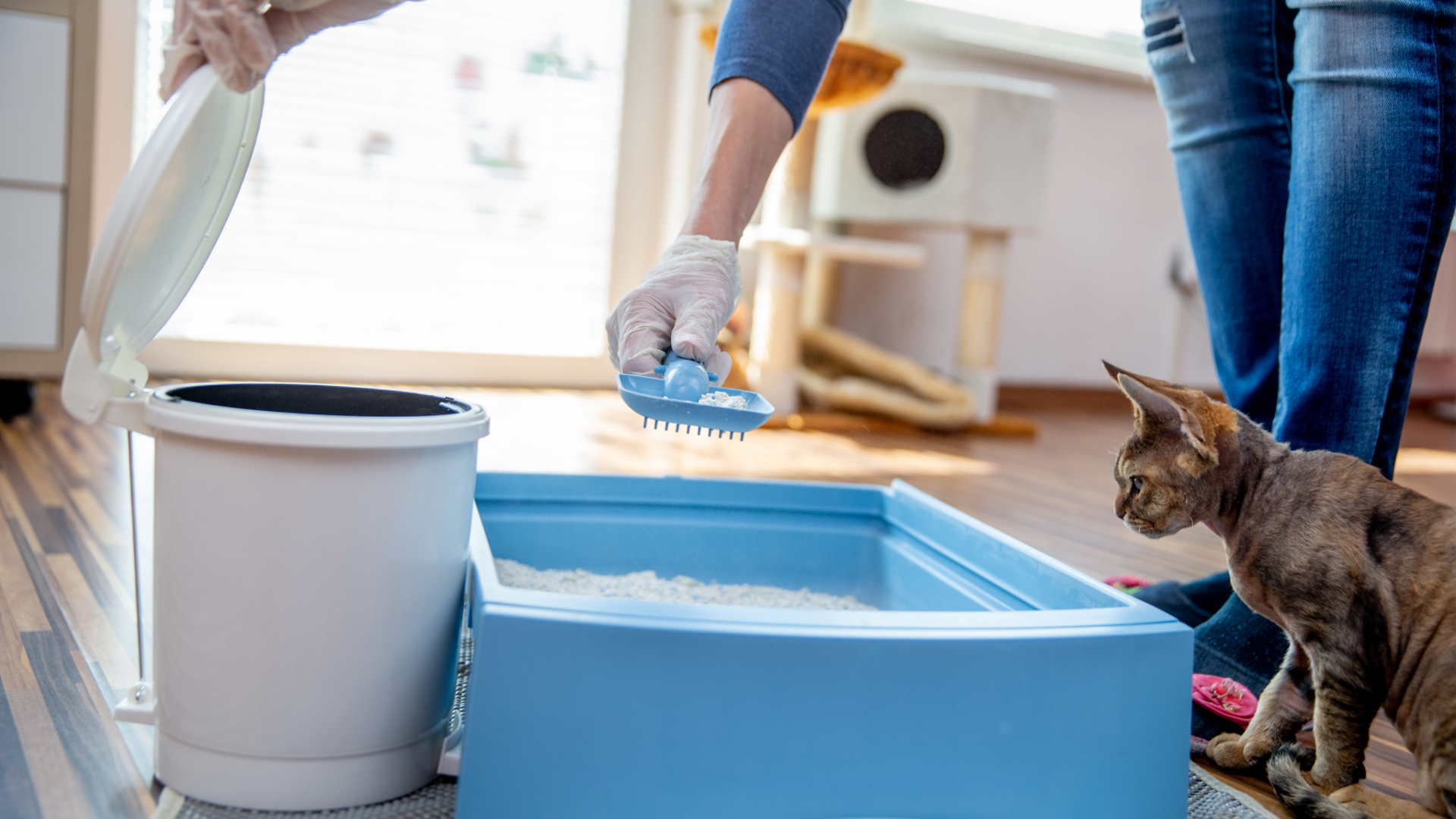
Credit: www.petsradar.com
Avoiding Common Problems
Keeping a cat’s litter box clean is more than just hygiene. It helps avoid problems that affect both you and your pet. Dirty boxes cause bad smells and stress for your cat. This section shows ways to stop these common issues. Simple steps keep the box fresh and your cat happy.
Odor Control Strategies
Bad smells make the house unpleasant and may bother your cat. Use these tips to control odor:
- Scoop waste at least once daily to prevent buildup.
- Change all the litter completely every 1-2 weeks.
- Use clumping litter for easy removal of waste.
- Place the box in a well-ventilated area to reduce smells.
- Try baking soda in the litter to absorb odors naturally.
- Wash the box with mild soap and warm water during litter changes.
Preventing Litter Box Aversion
Cats avoid dirty or uncomfortable litter boxes. This causes accidents outside the box. Prevent this by:
- Keeping the box clean and odor-free.
- Using the right type of litter your cat prefers.
- Placing the box in a quiet, private spot.
- Avoiding strong cleaning chemicals that irritate your cat’s nose.
- Providing enough boxes if you have multiple cats.
- Regularly checking the box for cracks or damage.
Tips For Multi-cat Households
Managing a litter box for multiple cats can quickly become a challenge if you don’t have a clear plan. Each cat has its own habits and preferences, which means keeping the litter box clean is more than just scooping daily. Let’s dive into some practical tips to help you maintain a fresh and inviting space for your feline friends.
Adjusting Cleaning Frequency
With more than one cat, scooping once a day often isn’t enough. You might find yourself needing to scoop twice or even three times daily, depending on how many cats you have and their litter box usage. Paying attention to odors or litter clumping can guide you on when to clean more frequently.
Think about how your cats behave around the litter box. If you notice any signs of avoidance, it could mean the box isn’t clean enough for their liking. Adjusting your cleaning schedule based on their reactions can prevent accidents elsewhere in your home.
Managing Multiple Boxes
The general rule is to have one litter box per cat, plus one extra. So, if you have three cats, you should have at least four boxes. This prevents crowding and reduces stress, which can help maintain harmony among your cats.
Placing litter boxes in different quiet, low-traffic areas can encourage your cats to use them consistently. Avoid putting all boxes in the same spot; this reduces competition and territorial disputes.
- Spread boxes across multiple rooms or corners.
- Use different types of litter if your cats have different preferences.
- Regularly check each box to ensure no one is avoiding any particular one.
Have you ever noticed how your cats might prefer one box over the others? Paying attention to these preferences helps you keep each box in top shape and reduces litter box issues.
Frequently Asked Questions
How Often Should You Scoop A Cat’s Litter Box?
Scoop the litter box daily to remove clumps and waste. This keeps the box clean and odor-free. Regular scooping encourages your cat to use the litter box consistently.
When Is The Best Time To Completely Change Litter?
Change the litter entirely at least once a week. This prevents odor buildup and maintains hygiene. Frequent full changes help keep your cat healthy and happy.
How Does Litter Box Size Affect Cleaning Frequency?
Larger litter boxes may require less frequent complete changes. However, daily scooping remains essential regardless of size. Always monitor the box’s cleanliness to decide when to change litter fully.
What Type Of Litter Lasts Longest Before Changing?
Clumping clay litters tend to last longer and are easier to scoop. Some silica gel litters can last up to a month. Choose litter based on your cat’s preference and cleaning routine.
Conclusion
Changing your cat’s litter box often keeps your home fresh and clean. A clean box helps your cat stay healthy and happy. Scoop daily and fully change the litter weekly or as needed. Watch your cat’s habits to know when to clean more.
A fresh box reduces odors and stops litter tracking. Keep this simple routine for a better life with your cat. Clean litter boxes make a big difference every day. Easy care, happy cat.



Leave a Reply