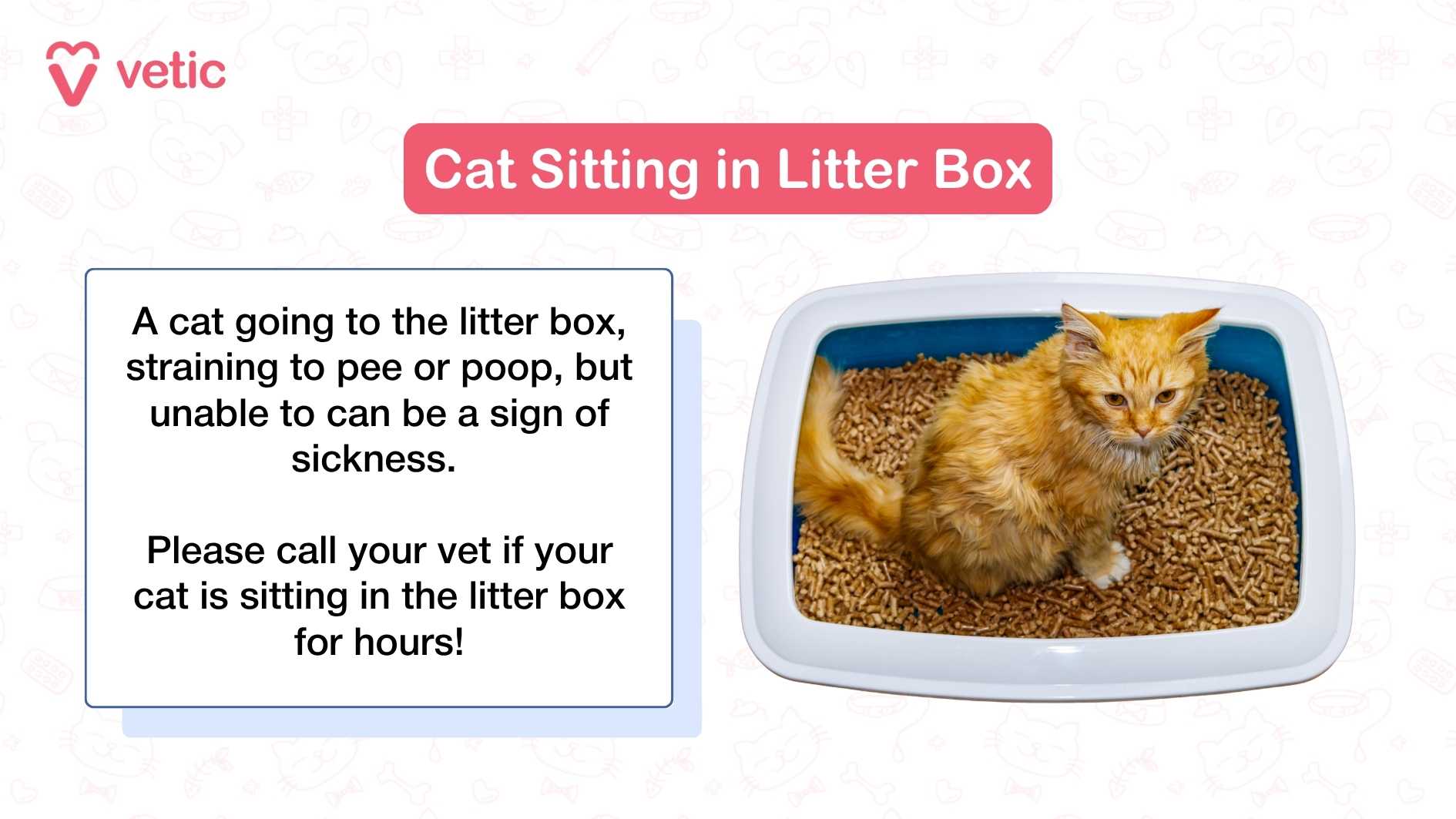
Have you ever found your cat peeing right beside the litter box instead of inside it? It’s frustrating, confusing, and can make you wonder what’s going wrong.
You might feel like you’re missing something important about your cat’s behavior. But don’t worry—there are clear reasons behind this puzzling habit. Understanding why your cat avoids the litter box can help you fix the problem quickly and keep your home clean and stress-free.
Keep reading, and you’ll discover the common causes and easy solutions that will bring peace back to you and your feline friend.

Credit: www.reddit.com
Common Medical Issues
Many cats pee outside the litter box due to health problems. These common medical issues cause discomfort and urgency. Understanding these conditions helps owners seek timely care and reduce accidents.
Urinary Tract Infections
Urinary tract infections (UTIs) cause pain and burning during urination. Cats with UTIs may try to urinate more often but produce little urine. This discomfort can make cats avoid the litter box. Early treatment with antibiotics usually clears the infection.
Bladder Stones
Bladder stones irritate the lining of the bladder. They cause frequent urination and blood in the urine. Stones can block urine flow, creating a medical emergency. Cats with bladder stones may pee beside the litter box due to pain.
Kidney Problems
Kidney problems reduce the ability to concentrate urine. Cats may urinate more often and in unusual places. Kidney disease can cause increased thirst and accidents outside the litter box. Veterinary care is essential for managing this condition.
Litter Box Problems
Understanding why your cat pees beside the litter box often starts with examining the litter box itself. Issues with the litter box can make your feline friend avoid it entirely. By focusing on common litter box problems, you can find practical solutions to keep your home clean and your cat happy.
Dirty Litter Box
Is your cat’s litter box cleaned regularly? Cats are very sensitive to odors and dirt. A dirty box can quickly become unappealing, leading your cat to seek cleaner spots nearby.
Try scooping the litter at least once a day and fully changing it weekly. You might notice an immediate improvement in your cat’s behavior. Have you checked your litter box cleaning routine lately?
Wrong Litter Type
Not all litters suit every cat. Some prefer fine-grained clumping litter, while others dislike scented or rough textures. Using the wrong type can cause discomfort and avoidance.
Observe your cat’s reaction to different litters. You could try offering a few options side by side to see which one they prefer. Could changing the litter type be the key to solving your problem?
Box Size And Location
The size of the litter box matters. If it’s too small, your cat may feel cramped and unwilling to use it. Choose a box that’s big enough for your cat to turn around comfortably.
Location is just as important. A noisy or busy spot can stress your cat, making it avoid the box. Is your cat’s litter box placed somewhere quiet and accessible?
Behavioral Reasons
Cats may pee outside the litter box due to stress or changes in their environment. Territorial behavior and anxiety often cause this problem. Understanding these reasons helps in finding the right solution.
Cats are fascinating creatures, each with their own unique quirks and behaviors. When your feline friend starts peeing outside the litter box, it can be both puzzling and frustrating. Understanding the behavioral reasons behind this can help you address the issue effectively. Let’s explore some common behavioral triggers that might be causing your cat to avoid its litter box.Stress And Anxiety
Cats, much like humans, can experience stress and anxiety. A sudden change in their environment or routine can trigger this. If you’ve recently moved, rearranged furniture, or introduced new pets or family members, your cat might feel uneasy. Stress can manifest in various ways, one of which is avoiding the litter box. To help your cat feel more secure, maintain a consistent routine and provide plenty of hiding spots. Consider using pheromone diffusers to create a calming atmosphere in your home.Territorial Marking
Cats are territorial animals. They often mark their space with urine to establish dominance or ward off perceived threats. If another pet or stray animal has been around, your cat might feel the need to assert its territory. To discourage territorial marking, ensure your cat has enough space and resources like toys and scratching posts. It can also be helpful to clean the marked areas thoroughly with an enzyme cleaner to remove any scent traces that might encourage repeated marking.Changes In Household
Significant changes in your household can disrupt your cat’s sense of security. This could include anything from a new baby to a different work schedule. Such changes can leave your cat feeling uncertain and might lead to litter box avoidance. To ease this transition, try to gradually introduce new elements into your cat’s environment. Spend quality time with your cat to reassure them they are still loved and secure. Consider setting up a quiet, secluded area where they can retreat and feel safe from the hustle and bustle of household changes. Have you noticed any of these behaviors in your cat? Understanding the underlying cause is the first step towards a solution. Addressing these behavioral issues requires patience and empathy, but the bond with your cat will be stronger for it.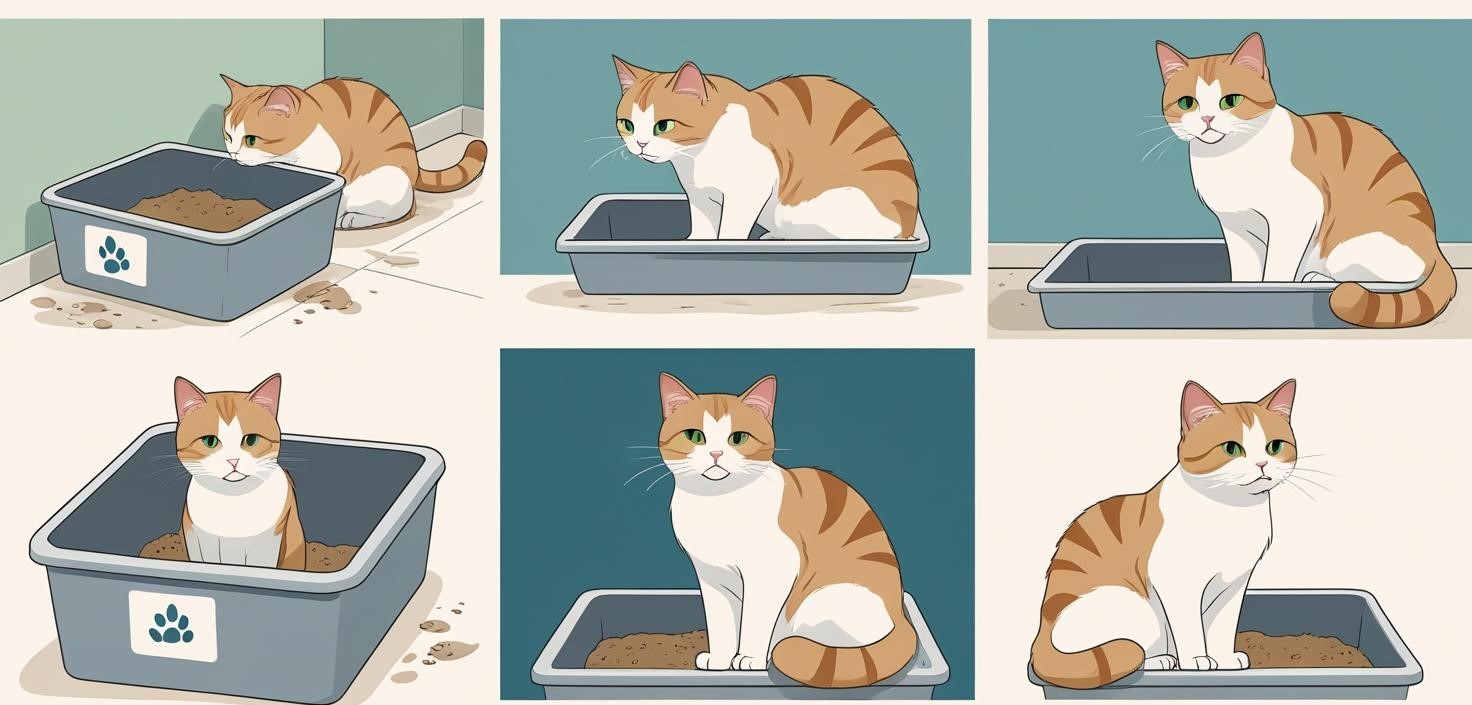
Credit: purrfectinsights.com
Environmental Factors
Environmental factors play a big role in why your cat might choose to pee beside the litter box instead of inside it. Cats are sensitive creatures, and small changes in their surroundings can affect their behavior. Understanding these factors can help you create a more comfortable space for your cat and reduce unwanted accidents.
Multiple Cats
Having more than one cat in your home can cause stress around the litter box. Cats may feel threatened or territorial, especially if there aren’t enough boxes for all of them. This tension can lead one cat to avoid the box and pee nearby instead.
If you have multiple cats, try providing one litter box per cat plus one extra. Placing boxes in different quiet locations can also help reduce competition. Have you noticed your cats guarding the litter box or blocking each other?
Noisy Surroundings
Noise can easily disturb your cat’s bathroom routine. Loud sounds from appliances, TVs, or even kids playing nearby can scare your cat away from the litter box. A sudden noise while your cat is using the box might make them associate it with fear.
Try moving the litter box to a quieter area where your cat feels safe and undisturbed. Soft background noise, like calming music, can sometimes help. Think about your home’s busiest spots—are you asking your cat to use the litter box in the middle of the chaos?
Lack Of Privacy
Cats want privacy when they use the litter box. If the box is in a high-traffic area or a spot where people or pets frequently pass by, your cat might avoid it. They need a calm and private space to feel comfortable enough to do their business.
Choose a secluded corner or a room where your cat can have quiet time. Consider a covered litter box or adding a small barrier for extra privacy. Have you checked if your cat’s litter box location respects their need for solitude?
Solutions And Prevention
Finding out why your cat pees beside the litter box can be frustrating. The good news is that many solutions and preventive measures can help you address this behavior effectively. By focusing on your cat’s health, litter box care, and environment, you can encourage proper bathroom habits and strengthen your bond with your pet.
Regular Vet Checkups
Your cat’s health plays a huge role in their bathroom behavior. Urinary tract infections or kidney issues can cause discomfort and lead to accidents outside the litter box.
Schedule regular vet visits to catch any medical problems early. Have your vet check for infections, bladder stones, or other conditions that might cause your cat to avoid the litter box.
Is your cat suddenly peeing outside the box? Don’t ignore it—health issues might be the hidden cause.
Litter Box Maintenance
Dirty litter boxes are a major turnoff for cats. They prefer a clean, odor-free space to do their business.
Make sure to scoop the litter box daily and change the litter completely once a week. Use unscented, clumping litter to keep things fresh and inviting.
Also, consider the number of litter boxes. The rule of thumb is one box per cat plus one extra. This reduces competition and stress, especially in multi-cat homes.
Creating A Calm Environment
Stress and anxiety can cause your cat to avoid the litter box. Loud noises, sudden changes, or other pets can make them feel unsafe.
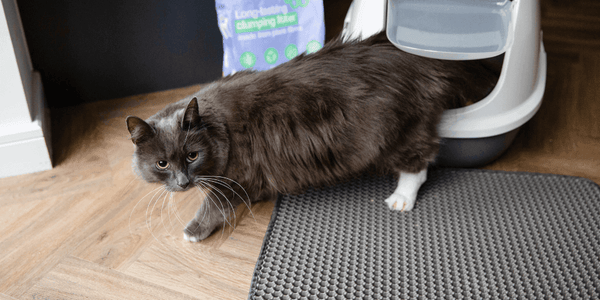
Provide quiet, low-traffic areas for the litter box. Adding a covered box or a privacy screen might help your cat feel more secure.
Have you noticed your cat’s accidents coincide with changes in the household? Sometimes, simply reducing stress can solve the problem.
Credit: www.tippaws.com
Frequently Asked Questions
Why Does My Cat Pee Outside The Litter Box?
Cats may pee outside the litter box due to stress, illness, or litter box issues. It’s important to rule out medical problems first. Clean the box regularly and ensure it’s in a quiet, accessible location to encourage proper use.
Can Medical Issues Cause Litter Box Avoidance?
Yes, urinary tract infections, bladder stones, and kidney problems can make cats avoid the litter box. Pain or discomfort often leads to peeing elsewhere. A vet visit is essential to diagnose and treat any health conditions causing this behavior.
How Does Litter Box Cleanliness Affect My Cat’s Behavior?
Cats prefer a clean litter box. Dirty boxes can deter them and cause accidents nearby. Scoop waste daily and change litter regularly. Maintaining cleanliness helps prevent peeing outside the box and promotes healthy litter habits.
Could Litter Type Influence Where My Cat Urinates?
Yes, cats can be sensitive to litter texture and scent. Using an uncomfortable or scented litter might cause avoidance. Experiment with different types to find one your cat prefers, encouraging consistent use of the litter box.
Conclusion
Cats peeing outside the litter box can be frustrating. Stress, health issues, or litter problems often cause this. Watch your cat’s behavior and check the litter box. Keep the box clean and in a quiet place. A vet visit can rule out medical problems.
Patience and care help your cat feel safe. Small changes can bring big improvements. Understanding your cat’s needs is key. You can fix this with time and attention. Your cat will thank you with happier habits.



Leave a Reply