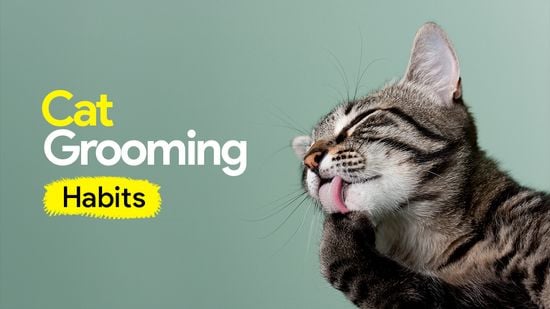
You love your cat and want to keep them looking and feeling their best. But have you ever wondered if you might be grooming your furry friend too much?
It’s easy to think that more grooming means better care, but overdoing it can actually cause problems for your cat’s skin and coat. You’ll discover the signs that show when grooming crosses the line and learn how to find the perfect balance.
Keep reading to make sure your cat stays happy, healthy, and comfortable every day.
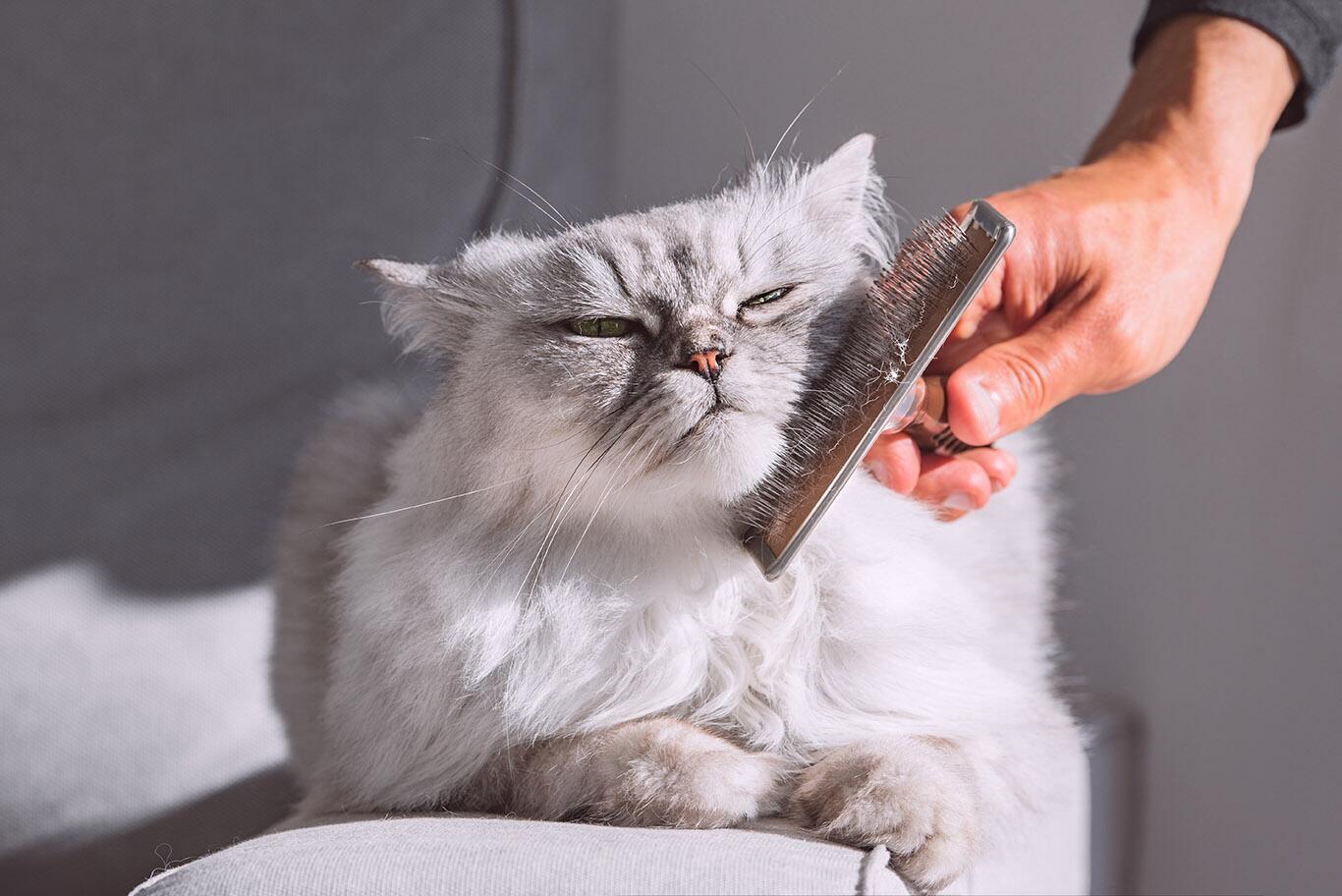
Credit: www.latimes.com
Normal Cat Grooming Habits
Cats are naturally clean animals. Grooming is a key part of their daily life. They spend a good part of the day licking their fur. This keeps them neat and helps their health.
Understanding what normal grooming looks like helps spot any issues early. Grooming habits vary but usually follow a routine. These habits also bring many benefits to cats.
Daily Grooming Routine
Most cats groom themselves several times a day. They use their tongue to clean and untangle fur. Grooming also spreads natural oils across their coat. This keeps the fur soft and shiny.
Cats often lick their paws and face first. Then they reach other parts of their body. Grooming sessions can last from a few minutes to half an hour. Kittens usually groom less but learn from their mother.
Benefits Of Grooming
- Removes dirt and loose hair
- Prevents skin problems and infections
- Helps cool the body in warm weather
- Reduces stress and promotes relaxation
- Strengthens bonds when cats groom each other
Grooming is more than cleanliness. It also supports a cat’s mental and emotional health.
Factors Influencing Grooming Frequency
Several things affect how often cats groom. Age plays a role; older cats may groom less. Long-haired breeds need more grooming than short-haired ones. Health problems can change grooming habits too.
Environment matters. Indoor cats might groom less than outdoor cats. Stress or changes in the home can also affect grooming. Owners should watch for sudden changes in grooming behavior.

Credit: www.latimes.com
Signs Of Excessive Grooming
Excessive grooming in cats can signal stress or health problems. Cats usually groom to clean themselves and feel comfortable. Too much grooming can harm their skin and fur. Recognizing signs early helps protect your cat’s health.
Bald Patches And Hair Loss
One clear sign of over-grooming is bald patches. Cats may lose fur in spots where they lick too much. These patches look smooth and shiny. Hair loss can spread if grooming continues nonstop. Watch for areas with missing fur on your cat’s body.
Skin Irritation And Redness
Excessive licking causes skin irritation. The skin may turn red or inflamed. It might feel warm to touch. Irritated skin often makes cats lick even more. This cycle worsens the problem and causes discomfort. Check your cat’s skin regularly for these signs.
Sores And Scabs
Too much grooming can lead to sores and scabs. The skin breaks from constant licking and biting. Sores might bleed or look raw. Scabs form as the skin tries to heal. These wounds can become infected without treatment. Keep an eye out for any open or crusty spots.
Causes Of Over-grooming
Over-grooming in cats happens when they lick or chew their fur too much. This behavior can cause hair loss, skin damage, and discomfort. Understanding the causes helps in finding the right care and support for your cat. Several factors can lead to over-grooming, ranging from physical problems to emotional stress.
Stress And Anxiety Triggers
Stress is a common cause of over-grooming in cats. Changes in the home, loud noises, or new pets can upset them. Grooming becomes a way to calm down or feel safe. Anxiety may cause repetitive licking, leading to skin sores. Cats need a peaceful and stable environment to feel secure.
Allergies And Skin Conditions
Allergies can irritate a cat’s skin, causing itching and discomfort. Common allergens include certain foods, dust, or pollen. Skin conditions like dermatitis also lead to excessive licking. The cat tries to relieve itching or pain by grooming more than usual. A vet can help identify and treat these issues.
Parasites And Infections
Parasites such as fleas or mites irritate the skin and cause itching. This irritation makes cats lick or scratch their fur constantly. Infections can also cause pain and swelling, leading to over-grooming. Regular parasite control and vet checks are important to keep cats healthy.
Boredom And Behavioral Issues
Bored cats may over-groom to pass the time or seek attention. Lack of toys, playtime, or social interaction can cause this behavior. Grooming becomes a habit or a way to cope with boredom. Providing stimulation and companionship reduces the risk of over-grooming.
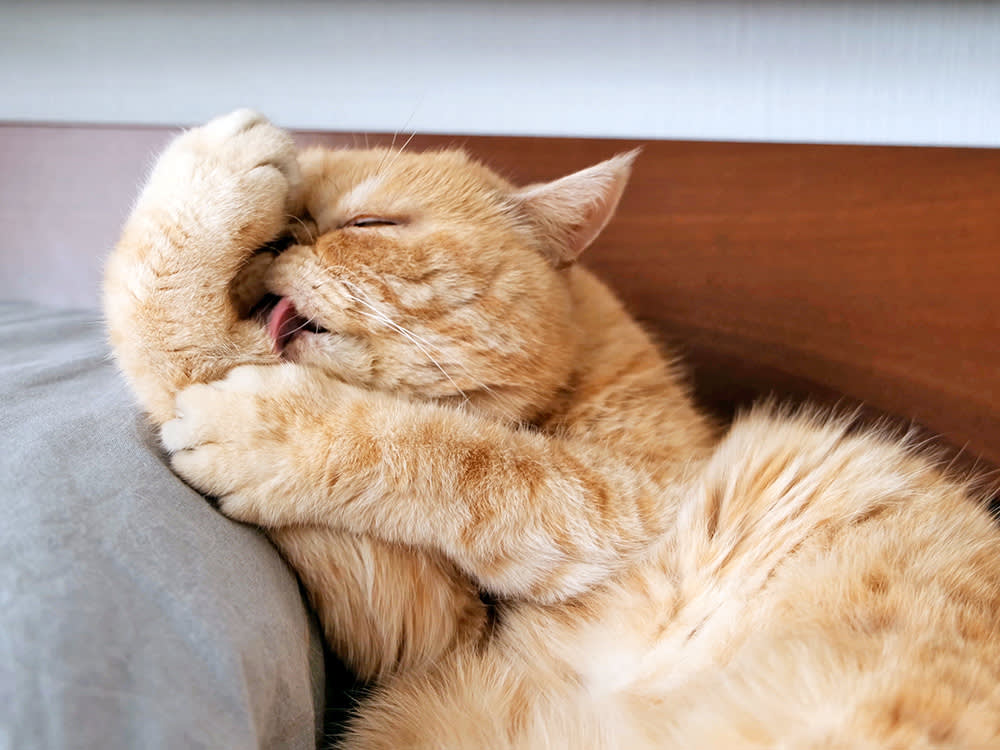
Credit: www.kinship.com
Health Risks From Too Much Grooming
Excessive grooming can cause skin irritation and hair loss in cats. Over-grooming may also lead to stress and infections. Watch for signs like redness or bald spots to protect your pet’s health.
Excessive grooming in cats isn’t just a quirky habit; it can actually lead to several health risks. While grooming is a natural behavior, overdoing it can cause serious issues. Understanding these risks can help you keep your feline friend healthy and happy.Skin Damage And Infection
Cats that groom too much can end up with bald patches, irritated skin, or even open sores. These raw areas are prone to bacterial infections, making them uncomfortable and potentially dangerous for your pet. Have you noticed your cat focusing excessively on a particular area? This could be an early sign of skin damage. A regular check of your cat’s skin can help you catch problems early.Hairballs And Digestive Problems
Hairballs are a common issue in cats, but excessive grooming can make them worse. When a cat swallows too much hair, it can lead to frequent hairballs, which might cause digestive discomfort or even blockages. Keep an eye out for frequent coughing or vomiting, as these can be indications of a more severe problem. Providing your cat with a diet that aids digestion can help manage this issue.Impact On Mental Well-being
Too much grooming isn’t just a physical problem; it can indicate stress or anxiety. Cats often groom to soothe themselves, so excessive grooming might mean your cat is struggling emotionally. Is your cat grooming more after a change in routine or environment? This could be a sign of stress. Creating a calm and stable environment can help reduce your cat’s anxiety and curb excessive grooming.When To Seek Veterinary Help
Knowing when to seek veterinary help for your cat’s grooming habits is crucial. Excessive grooming can sometimes signal underlying health issues that need professional attention. Understanding the signs that require a vet’s intervention can save your cat from discomfort and prevent more serious problems.
Identifying Serious Symptoms
Watch out for open sores, bald patches, or bleeding on your cat’s skin. These signs often mean your cat is over-grooming to the point of injury. Also, if your cat seems restless, constantly licking, or biting themselves, this could indicate pain or irritation.
Is your cat suddenly grooming much more than usual? Check if there are behavioral changes like increased aggression or hiding. These can be clues that something deeper is affecting your cat’s well-being.
Diagnostic Tests And Treatments
Your veterinarian may suggest skin scrapings, allergy tests, or blood work to uncover the root cause of excessive grooming. These tests help identify infections, parasites, or allergies that might be irritating your cat’s skin.
Treatment depends on the diagnosis but can include medicated shampoos, antibiotics, or anti-inflammatory medications. Sometimes, dietary changes or special supplements improve skin health and reduce the urge to over-groom.
Managing Chronic Grooming Issues
Chronic grooming problems often require ongoing care and monitoring. Your vet may recommend environmental changes or stress reduction techniques since anxiety can drive excessive grooming.
Consider interactive toys or pheromone diffusers to keep your cat calm and distracted. Have you tried tracking your cat’s grooming patterns? This can help you and your vet fine-tune the care plan and spot flare-ups early.
Preventing Excessive Grooming
Excessive grooming in cats can lead to skin irritation, hair loss, and discomfort. Preventing this behavior is essential to keep your feline friend healthy and happy. You can help your cat avoid over-grooming by creating a calm environment, managing parasites, providing mental stimulation, and ensuring proper nutrition and skin care.
Creating A Stress-free Environment
Stress is a common trigger for excessive grooming in cats. You can reduce stress by giving your cat safe, quiet spaces to retreat to. Consider using pheromone diffusers or calming sprays, which mimic natural calming scents.
Think about your cat’s daily routine. Are there sudden changes or loud noises that might upset them? Keeping a consistent schedule and minimizing disruptions can make a big difference.
Regular Parasite Control
Parasites like fleas and mites often cause itching that leads to over-grooming. Regularly check your cat’s fur and skin for signs of parasites, especially during warmer months.
Use vet-recommended flea treatments and maintain a clean living area. This proactive approach stops irritation before it starts.
Engaging Activities And Enrichment
Boredom can push cats to groom excessively as a way to occupy themselves. You can prevent this by adding playtime and stimulating toys to your cat’s daily routine.
Try interactive toys like feather wands or puzzle feeders. These activities keep your cat’s mind and body busy, reducing the urge to over-groom.
Proper Nutrition And Skin Care
Healthy skin starts from the inside. Feeding your cat a balanced diet rich in omega-3 fatty acids can improve skin health and reduce itching.
Regular grooming by you also helps. Brushing your cat removes loose fur and distributes natural oils, keeping their coat smooth and less prone to irritation.
Frequently Asked Questions
How Often Should I Groom My Cat Weekly?
Groom your cat 2 to 3 times weekly for most breeds. Long-haired cats may need daily grooming to prevent mats. Over-grooming can cause stress or skin irritation, so balance is key for healthy fur and comfort.
What Are Signs Of Excessive Cat Grooming?
Excessive grooming leads to bald spots, redness, and sores. Watch for constant licking, biting, or chewing of fur and skin. These signs may indicate stress, allergies, or medical issues requiring veterinary attention.
Can Too Much Grooming Harm My Cat’s Skin?
Yes, too much grooming can irritate and damage your cat’s skin. Over-brushing or harsh tools cause redness, dryness, or abrasions. Gentle grooming with appropriate tools keeps fur healthy without harming the skin.
How Do I Stop My Cat From Over-grooming?
Identify stressors or allergies causing over-grooming. Provide enrichment, comfort, and regular vet check-ups. Use calming sprays or pheromones if recommended. Avoid forcing grooming, which may increase stress and worsen behavior.
Conclusion
Cats groom to stay clean and healthy. Too much grooming can show stress or health problems. Watch for bald spots or sores on your cat. Offer a calm space and regular vet visits. Help your cat feel safe and cared for.
Understanding grooming habits keeps your pet happy. Small changes in behavior can mean a lot. Stay alert and support your cat’s well-being.



Leave a Reply