Have you ever met a cat and wondered what breed it is, only to realize you have no clue? You’re not alone.
Many people struggle to recognize different cat breeds, even if they love cats. But why is that? Is it because cat breeds look too similar, or is there something else going on? Understanding this can change the way you see your furry friends and help you connect with them better.
Keep reading to discover the surprising reasons behind this common challenge—and how you can become a cat breed expert yourself.
Common Cat Breeds People Miss
Many cat lovers find it surprisingly tricky to recognize certain cat breeds. The reason? Some breeds look very similar, while others carry traits that overlap with mixed breeds. This makes it easy to miss common breeds that quietly blend into the feline crowd.
Popular Breeds With Subtle Differences
Take the American Shorthair and the British Shorthair, for example. Both have round faces and dense coats, but the American Shorthair usually sports a more athletic build. The British Shorthair tends to have a stockier frame and a plush, teddy bear-like appearance.
Even seasoned cat owners might confuse the Burmese with the Tonkinese. Their color patterns and body shapes are close, yet the Tonkinese often has a softer, more pointed coloration. Spotting these subtle differences sharpens your eye for breed recognition.
Mixed Breeds Vs. Purebreds
Mixed breed cats often carry traits from multiple breeds, which can make identification tricky. A cat might have the sleek body of a Siamese but the coat pattern of a Domestic Shorthair.
You might wonder, does it really matter if a cat is purebred or mixed? The answer lies in understanding behavior and health tendencies. Knowing a cat’s breed background can help you predict its activity level or possible health issues.
Common Traits That Cause Confusion
Many cat breeds share traits like coat length, ear shape, or eye color. For example, both the Maine Coon and Norwegian Forest Cat have long fur and tufted ears, but the Maine Coon usually has a bushier tail.
Another confusing trait is color patterns. The tabby pattern appears in many breeds and mixed cats, making it a poor identifier on its own. When you look beyond color and focus on body structure and personality, breed recognition becomes easier.
Visual Challenges In Identifying Breeds
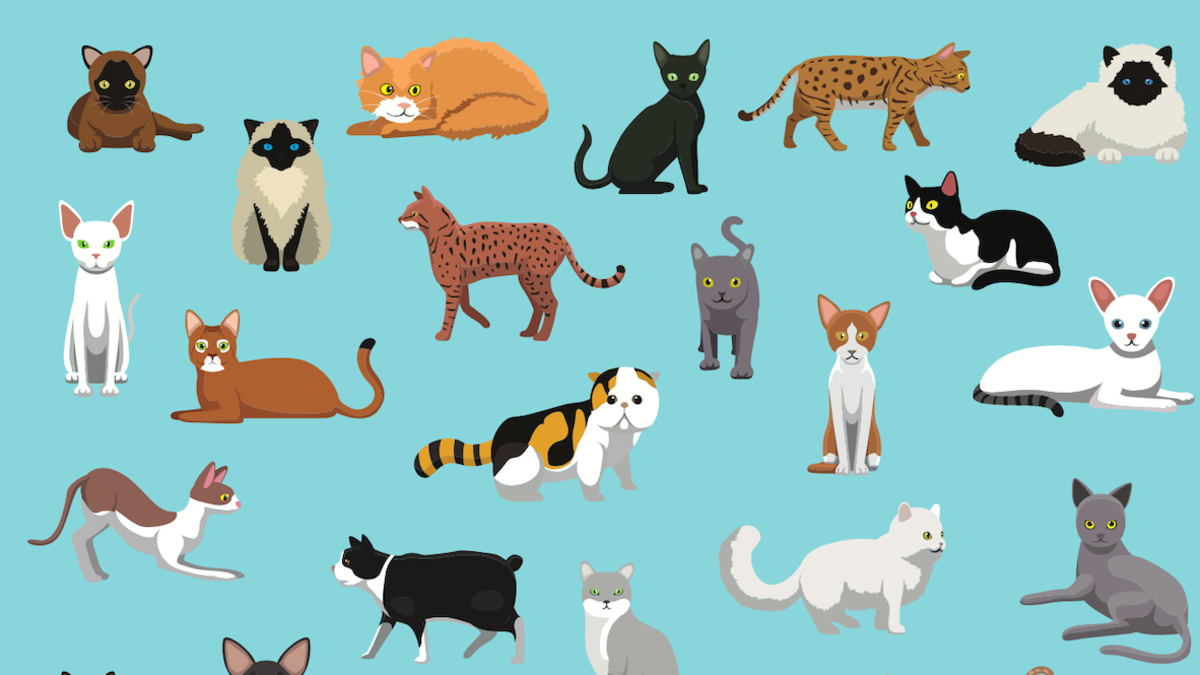
Identifying cat breeds by sight alone can be tricky. Many cats share similar looks, which confuses even experienced cat lovers. Visual challenges make it hard to tell breeds apart just by their appearance. Small differences often go unnoticed, leading to misidentification. Understanding these visual challenges helps explain why people struggle to recognize cat breeds.
Similar Coat Patterns Across Breeds
Many cat breeds have the same coat patterns. Stripes, spots, and patches appear in multiple breeds. A tabby pattern shows up in breeds like the Maine Coon and the American Shorthair. This overlap makes it tough to link a pattern to one breed only. People often rely on coat patterns, but these patterns do not guarantee breed identity.
Size And Shape Overlaps
Cat breeds often share similar body sizes and shapes. Medium-sized cats with slender bodies can belong to various breeds. For example, the Oriental Shorthair and the Siamese look alike in shape. Size alone is not a clear indicator of breed. These overlaps confuse even those who study cats closely.
Color Variations And Their Impact
Color differences add another layer of difficulty. One breed may have many color variants. The Persian breed, for instance, comes in many colors and shades. This variety blurs the lines between breeds. People expect color to help identify a breed, but it often causes mistakes instead.
Lack Of Public Awareness
Many people find it hard to recognize different cat breeds. One main reason is the lack of public awareness. Most people do not get enough information about the variety of cat breeds available.
This lack of knowledge means people often see cats as just pets, not as distinct breeds. Without clear information, breed recognition stays low. Understanding why this happens helps us improve awareness.
Limited Exposure To Cat Breed Information
Most people meet cats in everyday life but rarely learn about their breeds. Pet stores and shelters usually focus on health, not breed education. Without exposure to breed details, people miss the chance to recognize differences.
Cat breed books or websites are not common in many homes. Many rely on friends or family for pet knowledge, which may be limited. This limits the spread of breed awareness in communities.
Media Influence On Breed Recognition
TV shows and movies often show cats but rarely name their breeds. Famous cat characters usually look like common cats, not special breeds. This shapes public view and limits breed knowledge.
Social media posts about cats focus on cuteness, not breed info. Viral cat videos rarely mention breed names. This weakens public understanding of breed diversity.
Role Of Education In Breed Identification
Schools and community programs rarely teach about cat breeds. Animal clubs and pet fairs do offer information, but they reach few people. Better education can increase breed recognition significantly.
Simple guides, workshops, and events can help people learn breeds. Teaching children about different breeds builds early awareness. Education creates a long-term impact on breed knowledge.
Behavioral Traits And Breed Recognition
Cat breeds often look alike, making it hard to tell them apart. Many people focus on behavior, which varies more than looks. This causes confusion in recognizing specific breeds.
Understanding why people don’t recognize cat breeds often comes down to the similarities in behavioral traits across different breeds. While some dog breeds have distinct physical and behavioral characteristics that make them easily recognizable, cats often present more subtle differences. This can make it challenging for even the most dedicated cat lover to distinguish between breeds based solely on behavior.Common Behaviors Shared Among Breeds
Cats, regardless of breed, share a lot of common behaviors which can blur the lines when trying to identify a specific breed. Most cats enjoy a good nap, grooming themselves, and playing with toys. These universal cat traits are comforting but don’t help much in distinguishing between, say, a Maine Coon and a British Shorthair. Another shared behavior is the famous cat curiosity. Almost every cat, whether a Siamese or a Ragdoll, will investigate new objects or people with the same intensity. So, when you see a cat batting at a dangling string, it could be any breed. This sameness in behavior can make breed recognition tricky.Personality Differences That Are Overlooked
While many cats share common behaviors, there are subtle personality differences that are often overlooked. Some breeds, like the Siamese, are known for their vocal nature. They tend to be chatty and will engage in conversations with their owners, which could be a hint at their breed. On the other hand, Persians are known for their laid-back and gentle demeanor. They are less likely to be as vocal or active as a Siamese. Noticing these differences can be key to recognizing a cat’s breed, but they are often subtle and require careful observation. Recognizing these personality traits can deepen your understanding and appreciation of your feline companion. Have you ever noticed a unique quirk in your cat that might hint at its breed? Paying attention to these small details can make a world of difference in breed recognition.Impact Of Mixed Breeding
Mixed breeding plays a big role in why many people cannot recognize cat breeds. Cats with mixed ancestry often show traits from several breeds. This mix makes it harder to identify a clear breed type. The diversity in looks and personality can confuse even cat lovers. Understanding the impact of mixed breeding helps explain the challenge in breed recognition.
Rise Of Hybrid Cats
Hybrid cats come from crossing two different breeds or species. These cats often have unique features not seen in pure breeds. Popular hybrids include Bengal, Savannah, and Chausie cats. Their varied appearances make it tough to label them under one breed. Hybrid cats grow in popularity because of their rare looks and traits. This rise adds to the mix of cat types people see daily.
How Mixed Breeding Blurs Breed Lines
Mixed breeding blends physical traits from various breeds. Cats may have mixed coat patterns, colors, and body shapes. These blends break clear breed standards used for identification. Even experts find it difficult to place some cats in one breed. Mixed breeding also affects behavior and temperament, adding to confusion. As a result, breed lines become less distinct and more fluid.

Credit: www.reddit.com
Role Of Breeders And Cat Shows
Breeders and cat shows play a crucial role in shaping how cat breeds are recognized and understood. They set the stage where distinct breeds are defined, displayed, and judged. Yet, despite their efforts, many people still struggle to identify or differentiate cat breeds accurately.
Breed Standards And Their Importance
Breed standards are detailed descriptions of what a particular cat breed should look like and behave. These standards guide breeders in selecting cats to mate, ensuring the breed’s unique traits are passed on. Without these clear standards, it becomes difficult for anyone, even experts, to recognize breeds consistently.
Think about it like a blueprint. If the blueprint changes from breeder to breeder, the final product looks different each time. That inconsistency confuses people outside the breeding community.
Cat shows rely heavily on these standards to judge cats. They highlight the best examples of a breed and create a reference point for everyone. But if you haven’t seen a cat show or studied these standards, you might not realize the subtle differences that define breeds.
Public Access To Breeder Knowledge
Breeders hold a wealth of knowledge about specific breeds, but this information isn’t always easy to access. They often share details within their networks or at cat shows, making it hard for casual cat lovers to learn.
Imagine you’re curious about a breed you saw online. If breeders don’t share clear, simple information publicly, you’re left guessing. This gap keeps many people from truly recognizing breeds and appreciating their unique qualities.
Increasing public access to breeder knowledge through blogs, social media, and community events could change this. When breeders explain breed traits in everyday language, you can start spotting differences yourself. What if more breeders made their expertise accessible to you?
Technology And Breed Identification
Technology plays a growing role in identifying cat breeds. Many tools use photos and data to guess a cat’s breed. These tools help people learn about cats quickly. Still, technology has limits in breed recognition. Understanding these helps explain why many cats remain unrecognized.
Apps And Tools For Cat Breed Recognition
Several apps let users upload cat photos for breed analysis. These apps compare images to large databases. They offer quick results and breed information. Some popular features include:
- Photo-based breed matching
- Detailed breed descriptions
- User-friendly interfaces
- Suggestions for similar breeds
These tools make breed learning easy and accessible. They guide cat lovers and help with identification.
Limitations Of Technology In Accurate Id
Technology struggles with mixed or rare breeds. Many cats have traits from multiple breeds. This confuses apps and tools. Poor photo quality also lowers accuracy. Lighting, angles, and fur patterns affect results.
Technology cannot replace expert human judgment. Breed traits often overlap, making clear ID hard. Some apps rely on limited breed databases. This leaves many cats unrecognized or misclassified.

Credit: medium.com
Credit: paradepets.com
Frequently Asked Questions
Why Do People Struggle To Identify Cat Breeds?
People often confuse cat breeds due to similar physical traits. Many cats are mixed breeds, making identification harder. Lack of breed-specific knowledge also contributes to this challenge.
How Can I Easily Recognize Different Cat Breeds?
Focus on unique features like fur pattern, ear shape, and body size. Learning breed history and origin helps improve recognition. Using breed guides or apps can assist in identification.
Does Cat Breed Recognition Affect Pet Adoption Choices?
Yes, breed recognition influences adoption decisions. People often prefer specific breeds for temperament or appearance. However, recognizing mixed breeds encourages adopting cats needing homes.
Are Cat Breeds Less Distinct Than Dog Breeds?
Yes, cat breeds generally show less variation in appearance than dogs. This subtlety makes breed recognition more difficult for casual observers and new cat owners.
Conclusion
Many people find it hard to recognize cat breeds. Cats often look very similar to each other. Some breeds share traits that confuse observers. People usually know cats by their personality, not breed. Learning small details helps, but takes time.
Seeing cats often improves breed recognition skills. Remember, every cat is special, no matter the breed. Enjoying a cat’s company matters most of all.



Leave a Reply