Are you wondering how much food your adult male cat really needs? Feeding your feline the right amount is key to keeping him healthy and happy.
Too much food can lead to weight gain and health problems, while too little might leave him hungry and weak. You’ll discover simple, practical tips to find the perfect feeding balance for your furry friend. Keep reading to learn how to give your cat just the right portion every day.
Daily Food Needs
Understanding your adult male cat’s daily food needs is essential for keeping him healthy and happy. Feeding the right amount helps maintain his ideal weight, energy, and overall well-being. Too much food can lead to obesity, while too little may cause nutritional deficiencies. Let’s break down how to find that perfect balance.
Calorie Requirements
Adult male cats generally need between 200 and 300 calories per day, but this varies by individual factors. Neutered cats often require fewer calories because their metabolism slows down. If your cat is very active or has a lean build, he might need closer to the higher end of this range.
Have you noticed your cat’s energy levels dipping? It might be time to adjust his calorie intake. Checking the calories on your cat food package can help you plan meals more accurately.
Portion Sizes By Weight
Portion sizes should match your cat’s current weight to avoid overfeeding or underfeeding. Here’s a quick guide:
| Cat Weight (lbs) | Daily Food Amount (grams) | Daily Calories |
|---|---|---|
| 8-10 | 50-70 | 200-250 |
| 11-13 | 70-90 | 250-300 |
| 14-16 | 90-110 | 300-350 |
Weigh your cat regularly and adjust portions as needed. Smaller, frequent meals often work better than one big meal.
Activity Level Impact
Is your cat a couch potato or a playful hunter? Activity level greatly affects how much food he needs. Active cats burn more calories and need extra fuel to stay fit.
If you notice your cat gaining weight without an obvious reason, consider his daily activity. Increasing playtime can help balance calorie intake and prevent obesity. On the other hand, less active cats might need smaller portions to avoid weight gain.
What’s your cat’s usual energy like? Tailoring his food to match that can improve his health and happiness.
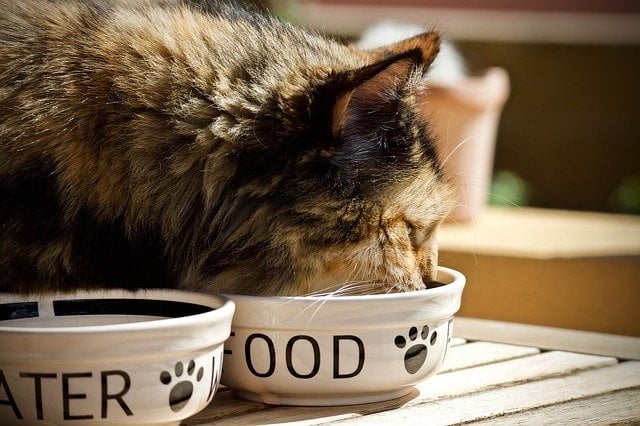
Credit: companion-vets.com
Types Of Cat Food
Choosing the right food for your adult male cat is crucial. It impacts their health, energy, and longevity. Cats have specific dietary needs that vary based on their lifestyle. Understanding different types of cat food can help you make informed choices. Below, we explore the benefits of dry, wet, and raw diets.
Dry Food Benefits
Dry cat food, or kibble, is convenient. It stays fresh longer and is easy to store. Many cats enjoy the crunchy texture. It can help maintain dental health by reducing plaque buildup. Dry food is often more affordable. It provides complete nutrition when well-formulated.
Wet Food Advantages
Wet food contains more moisture, which is beneficial. It helps keep your cat hydrated, especially if they drink little water. Wet food is often more palatable, enticing picky eaters. It can also help with weight management due to its lower calorie density. It is ideal for cats with urinary issues.
Raw And Homemade Diets
Raw diets mimic a cat’s natural eating habits. They offer high protein and low carbohydrates. Homemade diets allow full control over ingredients. This can be beneficial for cats with allergies. Always consult a vet to ensure balance and safety. Raw and homemade diets require careful preparation and handling.
Age And Health Factors
Age and health play a big role in deciding how much food an adult male cat needs. Cats change as they grow older. Their energy levels, metabolism, and health needs shift. Feeding the right amount helps keep your cat healthy and happy. Monitor changes closely and adjust feeding accordingly.
Senior Cat Adjustments
Older cats need fewer calories because they are less active. Their digestion can slow down, so food should be easier to digest. Protein is still important but in moderate amounts. Wet food can help keep them hydrated. Watch for weight loss or gain and adjust portions carefully.
Weight Management Tips
Overweight cats need fewer calories to avoid health problems. Measure food portions to control intake. Choose foods with balanced nutrients but lower calories. Encourage play and exercise to burn calories. Avoid free-feeding to prevent overeating.
Special Dietary Needs
Cats with health issues may need specific diets. Kidney disease, diabetes, and allergies require tailored food plans. Consult a vet for the best diet choice. Use prescription or special cat food when recommended. Always introduce new food slowly to avoid stomach upset.
Feeding Frequency
Feeding frequency plays a vital role in keeping an adult male cat healthy and happy. Cats have natural eating habits that vary from one to another. Understanding how often to feed your cat helps maintain proper weight and good digestion. It also prevents hunger or overeating problems.
Meal Timing Options
Cats can eat at different times depending on their lifestyle and health. Some owners prefer to feed their cat twice a day, once in the morning and once at night. This schedule fits many busy households and helps control portion sizes.
Other cats do well with three or more small meals a day. This can mimic their natural hunting behavior, where they eat several small prey throughout the day. Smaller meals reduce the risk of overeating and keep energy levels steady.
Free-feeding Vs Scheduled
Free-feeding means leaving food out all day for the cat to eat anytime. It suits cats that self-regulate well and don’t overeat. This method requires dry food, as wet food can spoil quickly if left out.
Scheduled feeding involves giving measured meals at set times. This method helps monitor your cat’s food intake closely. It also makes it easier to spot changes in appetite or health problems early.
- Free-feeding: more convenient but risk of overeating
- Scheduled feeding: better control but requires routine
Signs Of Overfeeding
Overfeeding can lead to weight gain and health issues in cats. Watch for these signs:
- Excessive weight gain over a few weeks
- Fat deposits around the abdomen and chest
- Less active behavior or reluctance to play
- Frequent begging or eating fast
Adjust portion sizes and feeding frequency if these signs appear. Consult a vet for advice on a healthy feeding plan.
Monitoring And Adjusting
Keeping an eye on your adult male cat’s food intake is key to maintaining his health. Feeding amounts aren’t set in stone—they should change as your cat’s needs evolve. Monitoring and adjusting his portions ensures he stays fit without overfeeding or undernourishing him.
Tracking Body Condition
Check your cat’s body condition regularly by feeling his ribs and looking at his waist. You should be able to feel ribs easily without too much fat covering and see a slight waist when viewed from above. If your cat feels too skinny or too chunky, it’s a sign to adjust his food.
Use a simple chart or app to record his weight and body condition score weekly. This habit helps you spot trends before they become problems. Have you noticed your cat gaining weight after a holiday of extra treats?
When To Change Portions
Adjust portions based on activity level, age, and health changes. If your cat becomes more active, he may need more calories. Conversely, less exercise or aging often means cutting back on food.
Also, watch for changes in appetite or digestion. A sudden drop or increase in how much your cat eats can signal health issues that need attention. Don’t hesitate to tweak meal sizes bit by bit and observe how he responds.
Consulting A Veterinarian
Veterinarians are your best resource when you’re unsure about feeding amounts. They can offer tailored advice based on your cat’s weight, health status, and lifestyle. Regular check-ups provide a chance to discuss diet and get professional guidance.
Remember, what worked last year might not work today. If you see unusual weight changes or health concerns, schedule a vet visit. They can help you create a feeding plan that fits your cat’s current needs perfectly.
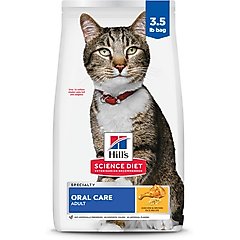
Credit: www.chewy.com
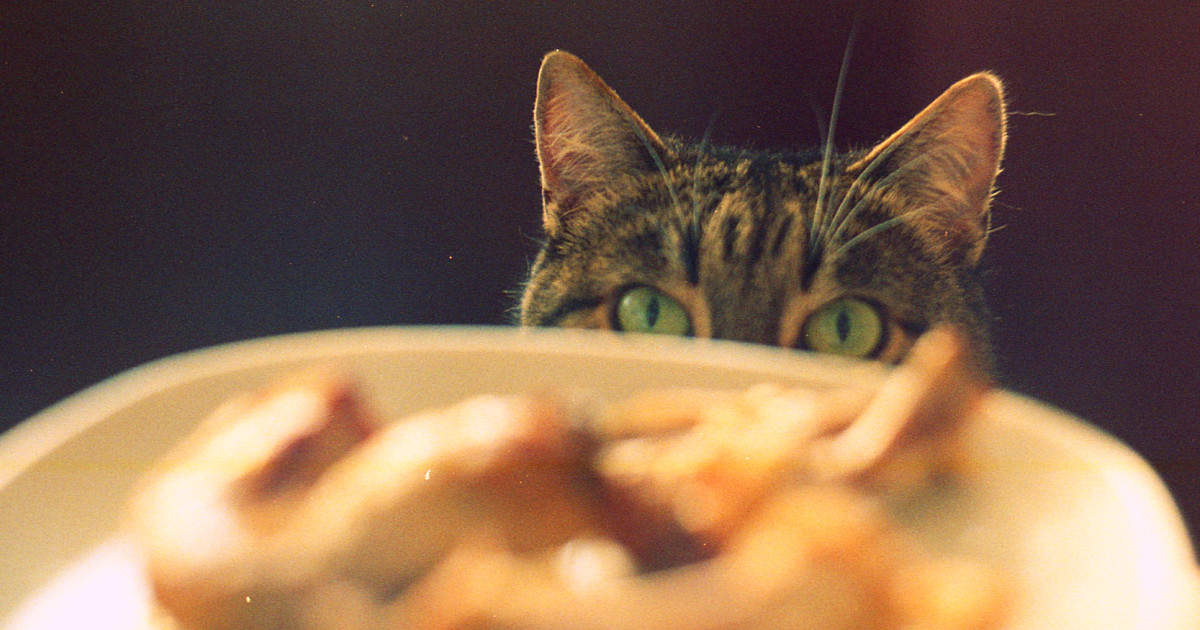
Credit: pethelpful.com
Frequently Asked Questions
How Much Food Does An Adult Male Cat Need Daily?
An adult male cat typically needs 200-300 calories per day. This equals about 6-8 ounces of wet food or 1/4 to 1/3 cup of dry food, depending on the brand and formula. Adjust based on activity and health.
What Factors Affect Adult Male Cat Food Quantity?
Age, weight, activity level, and health status impact food needs. More active cats require more calories. Overweight cats need less food. Always consult your vet for personalized feeding advice.
How Often Should I Feed My Adult Male Cat?
Feed adult male cats twice daily, morning and evening. This helps maintain metabolism and prevents overeating. Some cats prefer small, frequent meals; adjust feeding schedule accordingly.
Can Feeding Too Much Harm Adult Male Cats?
Yes, overfeeding causes obesity, diabetes, and joint problems in cats. Monitor weight regularly and adjust food portions. Provide balanced nutrition to keep your cat healthy and active.
Conclusion
Feeding an adult male cat the right amount keeps him healthy and happy. Watch his weight and adjust food as needed. Quality food and fresh water are important every day. Pay attention to his energy and body shape. This helps you know if he eats enough or too much.
Regular vet visits help spot any problems early. Small changes can make a big difference in his health. Caring for your cat’s diet shows love and keeps him strong. Simple steps lead to a happy, active cat.


Leave a Reply