
Are you tired of sneezing and itchy eyes every time you’re around cats? You’re not alone.
Many people love cats but struggle with allergies that make living with them difficult. What if you could find a cat breed that fits your lifestyle without triggering those uncomfortable reactions? You’ll discover the best cat breeds for allergies—those special furry friends who might just be the perfect match for you.
Keep reading to find out which cats could bring joy to your home without the sniffles.
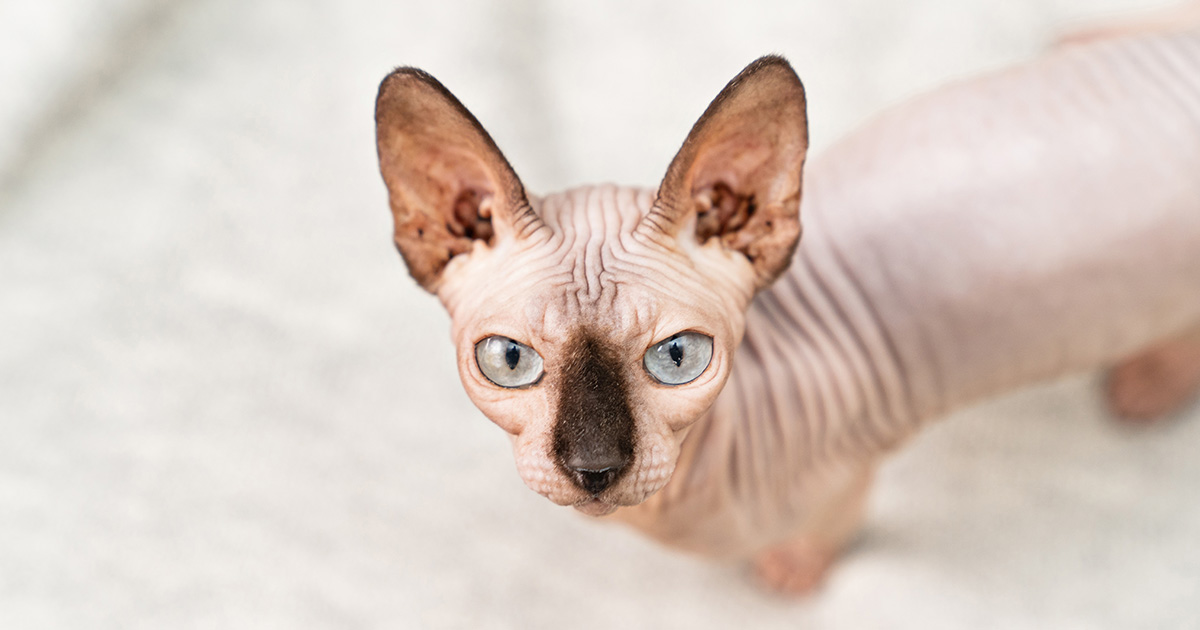
Credit: www.diamondpet.com
Hypoallergenic Cats And Allergies
Hypoallergenic cats offer hope for people who suffer from allergies. These cats produce fewer allergens than other breeds. This helps reduce allergic reactions in sensitive individuals. Choosing the right breed can make pet ownership easier. Understanding allergens and how allergies occur is essential.
How Cat Allergies Occur
Allergies happen when the immune system reacts to certain proteins. These proteins are harmless to most people. In allergic individuals, the immune system treats them as threats. This causes symptoms like sneezing, itching, and watery eyes. Cat allergies mainly involve proteins found in skin flakes, saliva, and urine. When these allergens spread in the air or on surfaces, they trigger reactions.
Common Allergens In Cats
- Fel d 1:The primary allergen produced in cat saliva and skin.
- Fel d 4:Found in cat saliva, less common but still a trigger.
- Skin flakes (dander):Tiny bits of dead skin that carry allergens.
- Urine proteins:Allergens released when cats mark territory.
Hypoallergenic cats produce less Fel d 1 allergen. This lowers the chance of allergy symptoms. Some breeds also shed less, reducing dander spread. Knowing these facts helps in picking the best cat breed for allergies.
Traits Of Hypoallergenic Cats
Choosing the right cat breed can ease allergy symptoms. Hypoallergenic cats have traits that reduce allergens. These cats can help minimize sneezing and itching. Understanding these traits is essential for allergy sufferers.
Low Shedding And Allergens
Low shedding cats release fewer allergens into the air. Less hair means fewer proteins that cause allergies. Breeds like the Bengal and Siamese shed less. They produce fewer allergens, making them great choices.
Coat Types That Reduce Allergies
Certain coat types can lessen allergies. Cats with short, dense coats trap fewer allergens. The Cornish Rex has a unique coat that minimizes shedding. Its short fur makes it easier to maintain and clean. The Sphynx is another breed with a hairless coat. It produces less dander, making it a popular choice.
Top Hypoallergenic Cat Breeds
If you suffer from cat allergies but still want a feline companion, choosing a hypoallergenic cat breed can make a huge difference. These breeds produce fewer allergens, making them more suitable for sensitive individuals. Let’s look at some of the top hypoallergenic cat breeds that might fit your lifestyle and home.
Siberian Cats
Siberian cats are known for their luxurious triple coats, but surprisingly, they produce less of the Fel d 1 protein that triggers allergies. Many allergy sufferers report fewer symptoms around Siberians. Their affectionate nature and playful personality make them a wonderful choice for families.
Balinese Cats
Often called the “long-haired Siamese,” Balinese cats have fine, silky fur that sheds less dander. This breed is vocal and social, so you’ll get a chatty companion who loves interaction. If you want an active cat that doesn’t trigger sneezing fits, Balinese cats are worth considering.
Devon Rex Cats
Devon Rex cats have curly, soft coats with minimal shedding. Their unique fur texture means fewer allergens spread in your home. Plus, their playful and curious nature keeps things fun, especially if you enjoy interactive playtime.
Cornish Rex Cats
Cornish Rex cats boast a short, wavy coat that hardly sheds. This breed’s low dander levels often help allergy sufferers breathe easier. Their slender bodies and energetic personalities make them charming companions who love to explore.
Sphynx Cats
Sphynx cats are nearly hairless, which might seem like an obvious choice for allergy sufferers. However, they still produce oils and allergens, so regular bathing is essential. Their affectionate and people-oriented behavior often wins over those who appreciate a very hands-on pet.
Russian Blue Cats
Russian Blues have dense, short coats and are known to produce fewer allergens. Their shy but loyal disposition suits quieter households. If you want a calm, low-maintenance cat with allergy-friendly qualities, this breed is a solid pick.
Oriental Shorthair Cats
Oriental Shorthairs have sleek, short fur that reduces dander spread. They are intelligent and outgoing, often forming strong bonds with their owners. If you crave an interactive pet that also helps with allergy management, consider this breed.
Choosing The Right Hypoallergenic Cat
Choosing the right hypoallergenic cat means finding a breed that fits your home and allergy needs. Hypoallergenic cats produce fewer allergens, but not all breeds affect people the same. Some cats shed less, while others create fewer allergy triggers. Understanding your lifestyle helps pick a cat that suits your daily routine and environment.
Matching Lifestyle And Breed
Consider your living space size and activity level. Some hypoallergenic cats need more playtime and attention. Others prefer quiet, calm surroundings. Think about grooming needs too. Cats with longer hair may require frequent brushing. Short-haired breeds often need less care but still vary in allergen levels. Match a breed that fits your time and home situation.
Spending Time Before Adoption
Spend time with the cat before adopting. Visit shelters or breeders to interact with different breeds. Notice how your allergies react during and after contact. This test helps find a cat that triggers fewer symptoms. Observe the cat’s behavior and energy to ensure a good fit. Taking time now can prevent allergy problems later.
Managing Allergies With Cats
Managing allergies with cats requires a careful approach to reduce allergens in the home. Allergens come mainly from cat saliva, skin flakes, and urine. Simple changes in cleaning, grooming, and air quality can make a big difference. These steps help allergy sufferers enjoy the company of cats without constant discomfort.
Cleaning Tips To Reduce Allergens
Regular cleaning cuts down on cat allergens around the house. Vacuum floors and furniture often using a vacuum with a HEPA filter. Wash cat bedding and blankets once a week in hot water. Use damp cloths to wipe surfaces instead of dry dusting. This method traps allergens instead of spreading them into the air.
Grooming Practices
Grooming your cat reduces loose fur and dander. Brush your cat daily to remove dead skin and hair. Bathing cats occasionally can wash away allergens on their fur. Use cat-friendly shampoos recommended by veterinarians. Wearing gloves during grooming can protect sensitive skin from allergens.
Air Purifiers And Environmental Control
Air purifiers with HEPA filters capture airborne allergens. Place purifiers in rooms where your cat spends most time. Keep windows closed during high pollen seasons to avoid extra allergens. Use washable curtains and clean carpets regularly. These actions help create a cleaner, allergy-friendly home environment.

Credit: www.thepioneerwoman.com

Credit: shamelesspets.com
Frequently Asked Questions
What Cat Breeds Are Best For Allergy Sufferers?
Breeds like the Siberian, Balinese, and Sphynx produce fewer allergens. These cats are often better tolerated by allergy sufferers. However, individual reactions may vary, so spending time with a breed before adopting is recommended.
Why Do Some Cat Breeds Trigger Fewer Allergies?
Certain breeds produce less Fel d 1 protein, the main allergen. Reduced shedding and dander also lower allergic reactions. These traits make specific breeds more suitable for people with allergies.
Are Hypoallergenic Cats Completely Allergy-free?
No, hypoallergenic cats still produce allergens but in smaller amounts. They reduce allergy symptoms but don’t eliminate them completely. Allergy sufferers should still take precautions when living with these cats.
How Can I Reduce Cat Allergies At Home?
Regular grooming and cleaning help reduce allergens. Use air purifiers and wash cat bedding frequently. Keeping cats out of bedrooms also minimizes allergen exposure.
Conclusion
Choosing the right cat breed can help reduce allergy problems. Some breeds produce fewer allergens and shed less fur. These cats make life easier for allergy sufferers. Remember, no cat is fully allergy-free. Spending time with a cat before adopting helps a lot.
Clean your home often to lower allergen levels. Enjoying a cat’s company is possible with the right breed. Find a pet that fits your health and lifestyle. A happy home with a loving cat is within reach.

Leave a Reply