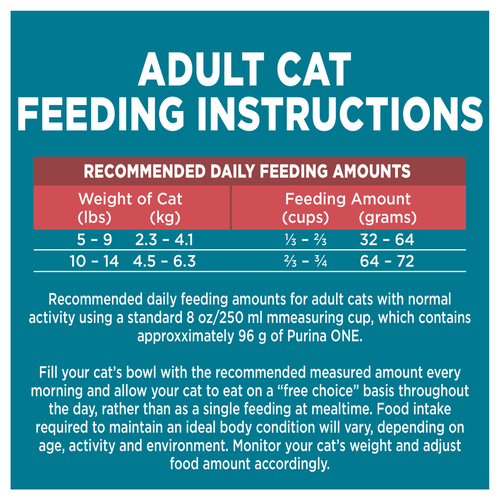
Are you wondering how much food your adult cat really needs each day? Feeding your cat the right amount is key to keeping them healthy and happy.
Too little food can leave them hungry and weak, while too much can lead to weight gain and health problems. You’ll discover simple, clear guidelines to help you find the perfect feeding routine for your furry friend. Keep reading to learn how to make every meal count for your cat’s well-being.
Credit: www.walmart.ca
Daily Calorie Needs
Understanding your adult cat’s daily calorie needs is key to keeping them healthy and happy. Cats require a balanced amount of calories to maintain their weight, energy, and overall wellbeing. But how do you figure out the right amount? It depends on their lifestyle, age, and weight.
Calories For Indoor Cats
Indoor cats tend to be less active, so their calorie needs are lower. On average, an indoor adult cat needs about 20 calories per pound of body weight each day. For example, if your cat weighs 10 pounds, they might need around 200 calories daily.
Feeding too many calories can lead to weight gain, which causes health issues. Have you noticed your indoor cat gaining weight without changing their food? It might be time to adjust their portion size.
Calories For Active Cats
Active cats or outdoor cats burn more energy and need more calories. These cats may require up to 30 calories per pound of body weight daily. So, a 10-pound active cat could need about 300 calories per day.
Think about your cat’s daily routine. Do they spend hours playing or exploring outside? If yes, you should increase their food intake to match their activity level to keep them energized.
Adjusting For Age And Weight
Older cats often need fewer calories because they are less active and their metabolism slows down. On the other hand, kittens and younger cats require more calories to support growth. Adjust calories carefully based on your cat’s current weight and health.
Is your cat gaining or losing weight unexpectedly? This is a clear sign to reassess their calorie intake. Monitoring their weight regularly helps you keep their diet on track.
Credit: www.walmart.ca
Types Of Cat Food
Choosing the right type of food for your adult cat can feel overwhelming. Cats have unique dietary needs, and the type of food you select affects their health and happiness. Understanding the different options helps you make smarter decisions for your furry friend’s daily meals.
Dry Food Benefits
Dry cat food is popular because it’s easy to store and usually more affordable. It helps keep your cat’s teeth cleaner by reducing plaque buildup through chewing. Plus, you can leave it out for longer periods without worrying about spoilage, which is convenient if you’re not home all day.
Have you noticed your cat enjoys crunching on kibble? That texture isn’t just satisfying—it also supports dental health. However, always ensure fresh water is available, as dry food contains less moisture.
Wet Food Advantages
Wet food has a high moisture content, which helps keep your cat hydrated. This is especially important if your cat doesn’t drink much water on its own. The soft texture is also easier to chew for older cats or those with dental problems.
Many cats find wet food more flavorful and appetizing, which can be a solution if your cat is a picky eater. Serving wet food can add variety to their diet and may encourage them to eat more regularly.
Raw And Homemade Diets
Some cat owners prefer raw or homemade diets to control exactly what their cat eats. These diets often include fresh meats and avoid fillers or preservatives found in commercial foods. Preparing food at home can also be a bonding experience that lets you tailor meals to your cat’s preferences and needs.
However, raw diets require careful handling to avoid bacterial contamination. It’s important to research or consult a vet to ensure the diet is balanced and safe. Could preparing your cat’s meals at home improve their energy and coat condition? Many owners report positive changes after switching.
Portion Sizes By Weight
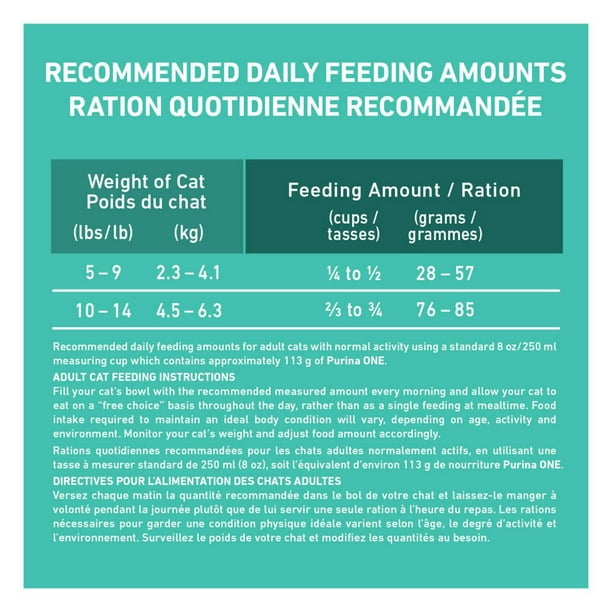
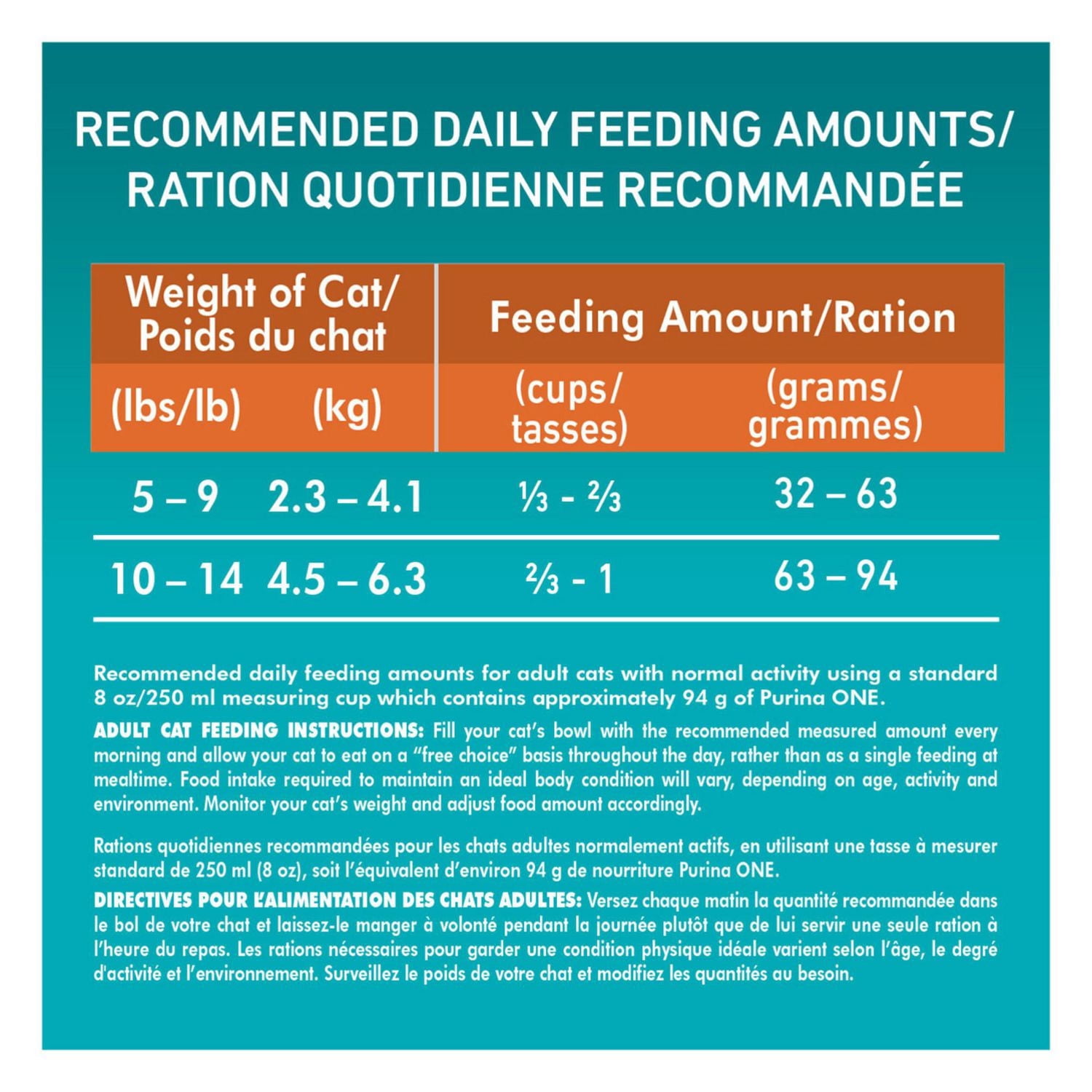
Adult cats usually need about 40 to 60 grams of food per kilogram of body weight daily. This amount varies based on their activity and health. Measuring food by weight helps ensure proper nutrition and prevents overfeeding.
Understanding how much food your adult cat needs is crucial for maintaining their health. Portion sizes should be tailored according to their weight, ensuring they get the right amount of nutrients without overeating. Each cat’s needs can vary significantly, so it’s important to adjust portions based on their weight category.Small Cats
Cats weighing around 5-10 pounds are considered small. These petite felines typically need about 150-200 calories per day. Opt for a high-protein diet that keeps their energy levels up without adding extra weight. Monitor their weight regularly. Even a small amount of weight gain can be significant for a small cat. You might notice they become less active or have trouble jumping onto surfaces they once reached easily.Medium Cats
Medium-sized cats usually weigh between 10-15 pounds. They require approximately 200-300 calories daily. It’s important to provide a balanced diet that includes both wet and dry food to ensure they receive all necessary nutrients. Consider splitting their meals into smaller, more frequent portions. This not only helps with digestion but also keeps them satisfied throughout the day. Have you ever noticed how a medium cat might beg for food more often? Smaller meals can help manage this behavior.Large Cats
Large cats, often weighing over 15 pounds, may need 300-400 calories each day. However, large doesn’t always mean obese. Some breeds are naturally bigger, like Maine Coons, and have higher energy requirements. Ensure that their diet is rich in protein to maintain muscle mass. Regular exercise is equally important. A laser pointer or feather toy can keep them active and support a healthy weight. Are you providing enough playtime for your large cat? Feed your cat according to their specific needs. Adjust portion sizes as they age or if their activity level changes. Being attentive to these details ensures your cat stays healthy and happy.Feeding Frequency
Feeding frequency is vital for an adult cat’s health and well-being. It helps maintain energy levels and supports digestion. Choosing the right feeding schedule can prevent overeating and obesity. Understanding when and how often to feed your cat ensures a happy pet.
Meal Timing Tips
Feed your cat at consistent times each day. Cats thrive on routine and expect regular meals. Divide the daily food into smaller portions for better digestion. Most adult cats do well with two meals per day. Feed once in the morning and once in the evening. Avoid feeding late at night to prevent stomach upset. Observe your cat’s behavior and adjust timing if needed.
Free Feeding Vs Scheduled Meals
- Free Feeding:Food is available all day in a bowl. Cats eat whenever they want. This method suits cats that self-regulate their intake.
- Scheduled Meals:Food is given at set times only. This helps control portion sizes and weight. It also strengthens the bond during feeding times.
Scheduled meals allow better monitoring of your cat’s appetite. Free feeding may lead to overeating in some cats. Choose the method that fits your cat’s habits and your lifestyle.
Hydration Needs
Hydration plays a vital role in your adult cat’s health. Water supports digestion, nutrient absorption, and temperature regulation. Cats often get water from their food, but direct water intake remains essential. Dehydration can cause serious health issues. Understanding your cat’s hydration needs helps maintain their well-being.
Water Intake Recommendations
Adult cats need about 50-60 ml of water per kilogram of body weight daily. For example, a 4 kg cat requires roughly 200-240 ml of water each day. Wet food provides some moisture, but additional fresh water is necessary. Monitor your cat’s water bowl regularly. Replace the water at least once a day to keep it fresh.
Encouraging Drinking Habits
Some cats drink little water naturally. Encourage drinking by placing multiple water bowls around the house. Use shallow, wide bowls to make drinking easier. Try running water sources like pet fountains. Cats often prefer moving water to still water. Adding a small amount of tuna juice or broth can increase interest. Always avoid any ingredients harmful to cats.
Special Diets And Conditions
Every cat is unique, and their dietary needs can vary widely, especially when special health conditions or lifestyles come into play. Tailoring your cat’s food intake to address specific concerns can make a big difference in their well-being. Let’s look at how to handle some common special diets and conditions effectively.
Weight Management
Keeping your cat at a healthy weight helps prevent many serious health issues like diabetes and joint problems. If your cat is overweight, reducing calorie intake without sacrificing nutrition is key. You can do this by choosing foods labeled for weight control, which often have fewer calories and more fiber.
Feeding smaller, more frequent meals can also help your cat feel full and satisfied. Have you noticed your cat begging for food more often? Try distracting them with play or affection instead of extra treats. Remember, every cat’s metabolism is different, so adjust the portions based on your cat’s activity level and body condition.
Food Allergies
Some cats develop allergies to certain ingredients, causing itching, digestive upset, or even ear infections. Identifying the allergen often requires a food trial under veterinary guidance. Limited ingredient diets or hypoallergenic foods can be a lifesaver here, as they reduce exposure to common allergens.
Keep a detailed record of your cat’s reactions to different foods or treats. This will help you and your vet pinpoint the problem faster. Have you ever experienced the frustration of your cat’s unexplained itching? A food allergy might be the culprit, and changing their diet could bring relief.
Senior Cat Nutrition
As cats age, their nutritional needs shift. They may require diets lower in calories but richer in protein to maintain muscle mass. Joint supplements like glucosamine and omega-3 fatty acids can support mobility and comfort in older cats.
Dental health also becomes more important, so offering wet food or specially formulated kibble can ease chewing. Notice your senior cat’s eating habits closely—are they eating less or showing signs of discomfort? Adjusting their diet to meet these changes can enhance their quality of life significantly.
Signs Of Overfeeding And Underfeeding
Knowing the signs of overfeeding and underfeeding helps keep your cat healthy. Cats need the right amount of food daily to stay active and fit. Too much or too little food can cause health problems. Watch your cat’s behavior and body for clues about its diet. Spotting these signs early prevents serious issues.
Weight Gain Indicators
- Your cat’s ribs become hard to feel under fat.
- The belly starts to sag or look round.
- Cat moves less and seems lazy or tired.
- Noticeable increase in eating or begging for food.
- Difficulty jumping or climbing as before.
Weight Loss Warning Signs
- Ribs and spine become easy to see and feel.
- Loss of muscle tone and a bony appearance.
- Less energy and hiding more than usual.
- Decreased appetite or refusal to eat.
- Changes in grooming habits or dull coat.
Tips For Transitioning Foods
Changing your adult cat’s food requires care and attention. Abrupt switches can upset their stomach or lead to refusal to eat. You want to make the transition smooth, so your cat stays healthy and happy.
Gradual Changes
Start by mixing a small amount of the new food with the old. A good rule is to begin with 25% new food and 75% old food. Over the next 7 to 10 days, increase the new food portion while decreasing the old.
This slow change helps your cat’s digestive system adjust. I once switched my cat’s diet too quickly, and she had diarrhea for days. Taking it slow prevents these issues and makes the new food more appealing.
- Mix the foods thoroughly to avoid picky eating.
- Keep feeding times consistent.
- Watch if your cat sniffs or rejects the new mix.
Monitoring Reactions
Pay close attention to your cat’s behavior and health during the switch. Look for signs like vomiting, diarrhea, or changes in appetite.
Also, notice if your cat seems less energetic or stressed. Sometimes, subtle signs like hiding more or licking paws excessively can indicate discomfort.
If any negative reactions last more than a couple of days, consider slowing the transition or consulting your vet. Your cat’s comfort is the priority, and catching problems early helps avoid bigger health issues.
Credit: www.purina.com
Frequently Asked Questions
How Much Food Should An Adult Cat Eat Daily?
An adult cat typically needs 20-30 calories per pound daily. This equals about 1/3 to 1 cup of dry food or 5. 5 ounces of wet food. Adjust portions based on activity, age, and health for optimal weight.
What Factors Affect An Adult Cat’s Daily Food Intake?
Age, activity level, metabolism, and health conditions affect food needs. Indoor cats often eat less than outdoor cats. Consult your vet for personalized feeding advice to ensure balanced nutrition and healthy weight.
Can Feeding Too Much Harm An Adult Cat?
Yes, overfeeding causes obesity, diabetes, and joint problems. Monitor portions and avoid free-feeding. Use measured meals to maintain a healthy weight and improve lifespan.
How Often Should I Feed My Adult Cat?
Feed adult cats two meals per day, spaced 8-12 hours apart. This routine supports digestion, prevents overeating, and maintains consistent energy levels throughout the day.
Conclusion
Feeding your adult cat the right amount of food keeps them healthy and happy. Watch their weight and energy to adjust portions as needed. Fresh water is important every day. Balanced meals help your cat live a long life. Remember, each cat is different, so pay attention to their needs.
Regular feeding times create good habits. Caring for your cat’s diet shows you love them. Small changes can make a big difference in their health. Keep feeding simple and consistent for best results.


Leave a Reply