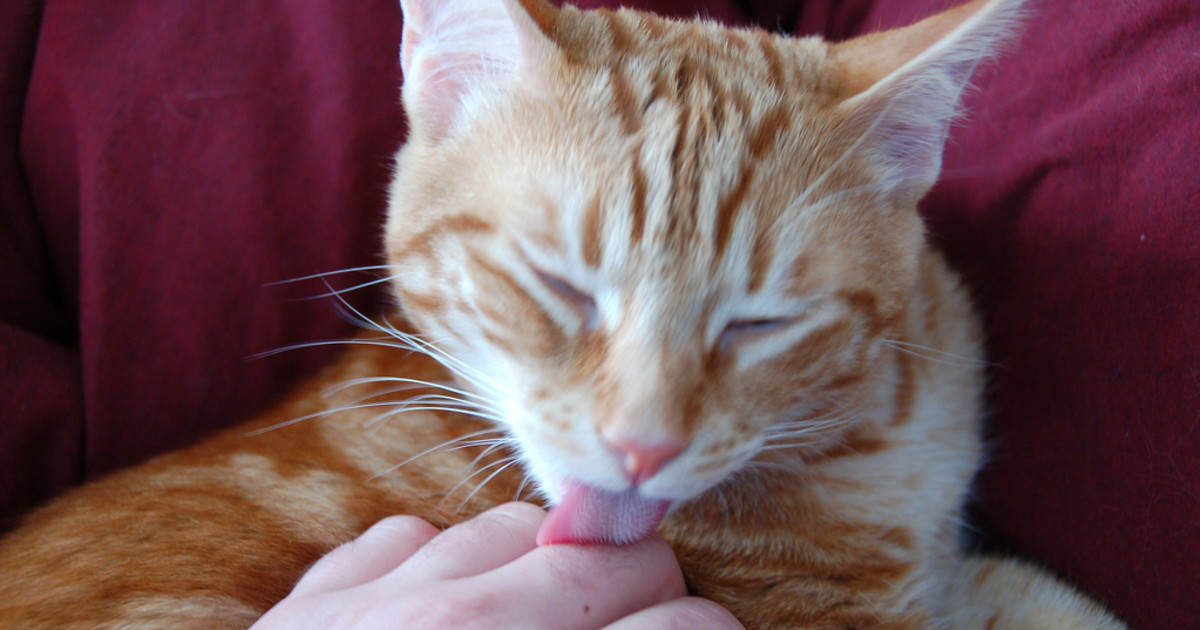
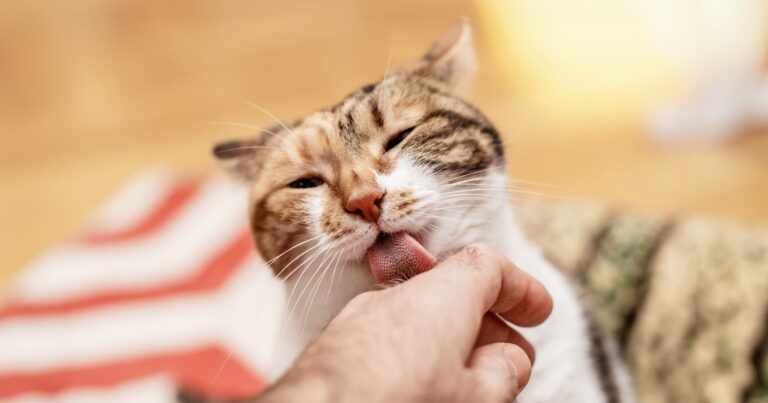
Have you ever wondered why your cat keeps trying to groom you? It might seem strange at first—after all, grooming is something cats usually do to themselves or each other.
But when your furry friend licks your skin or nibbles your hair, they’re actually sending you a message. Understanding this behavior can bring you closer to your cat and make your bond even stronger. Keep reading to discover the surprising reasons behind your cat’s grooming habit and what it means for your relationship.

Credit: www.moopetcover.com
Cat Grooming Behavior
Cat grooming behavior is more than just a way for your feline friend to stay clean. It is a vital part of their daily routine that reflects their instincts, social bonds, and emotional health. When your cat tries to groom you, they are often expressing trust and affection, but understanding why requires a closer look at how grooming works in both wild and domestic cats.
Grooming In Wild And Domestic Cats
Wild cats groom themselves to remove dirt, parasites, and loose fur. This keeps their coat healthy and helps regulate body temperature. Grooming also reduces scent, which helps them stay hidden from predators and prey.
Domestic cats still follow these instincts. However, because they live in safe environments, grooming often becomes a calming activity rather than a survival tactic. Have you noticed how your cat licks themselves or even you during moments of relaxation? That’s a sign they feel safe and comfortable around you.
Social Grooming Among Cats
Social grooming, or allogrooming, is a behavior where cats groom each other to strengthen social bonds. It helps reduce tension and promotes group harmony. Cats usually groom areas that are hard to reach themselves, like the head and neck.
When your cat tries to groom you, they treat you like part of their social group. They are showing affection and acceptance. Next time your cat licks you, think about how they’re inviting you into their circle of trust.

Credit: www.kinship.com
Reasons Cats Groom Humans
Cats grooming humans might seem odd at first, but it’s a behavior packed with meaning. Your cat isn’t just cleaning you; it’s communicating in its own unique way. Understanding why your feline friend tries to groom you can deepen your bond and help you respond in a way that feels good for both of you.
Marking Territory With Scent
Cats have scent glands around their face and body. When they lick you, they’re spreading their scent to mark you as part of their territory. It’s their way of saying, “You belong with me.”
Have you noticed your cat rubbing its head or licking your hands after you’ve been outside? This is a scent-sharing ritual that makes you smell familiar and safe to them. It’s an invisible badge of trust and ownership.
Showing Affection And Bonding
Grooming is a social activity among cats, and when your cat licks you, it’s a sign of affection. It’s like your cat is saying “I care about you” in the only way it knows how.
Think about how cats groom each other in groups—they are building and maintaining friendships. When your cat grooms you, it’s including you in its social circle. Have you felt a sudden calm or happiness after your cat starts licking you? That’s the power of bonding.
Seeking Comfort And Security
Sometimes cats groom their humans to feel safe and calm themselves. The repetitive motion of licking can soothe them, especially in stressful situations.
If your cat starts grooming you more during thunderstorms or when you’re feeling down, it’s a sign they’re looking for comfort. This mutual grooming can become a comforting ritual that helps both of you cope with anxiety.
What Your Cat’s Grooming Means
Understanding why your cat insists on grooming you can deepen your bond with your furry friend. Cats communicate through grooming, and their actions can be a window into their emotions and intentions. Let’s dive into what your cat’s grooming behavior might mean for your relationship.
Signs Of Trust And Attachment
When your cat grooms you, it’s a clear sign of trust. Cats are naturally cautious creatures, and grooming is a vulnerable act. By licking your hand or hair, they’re indicating that they feel safe and connected to you.
Your cat sees you as part of their family. It’s their way of saying, “You’re one of us.” If your cat regularly grooms you, it might be their unique way of showing affection.
Expressing Care And Protection
Grooming can also be a sign of care. Just like a mother cat grooms her kittens, your cat might be trying to take care of you. It’s a nurturing behavior that signifies protection and love.
Have you noticed your cat grooming you when you’re feeling down or unwell? They might be sensing your mood and attempting to provide comfort and support.
Stress And Anxiety Indicators
Sometimes grooming can be a sign of stress or anxiety. Cats may groom themselves or others excessively to self-soothe. If your cat seems unusually persistent in grooming you, it might be worth assessing any changes in their environment or routine.
Pay attention to your cat’s body language. Are they more anxious or on edge? This behavior could indicate they’re looking for reassurance from you.
By understanding these nuances, you can better support your cat’s emotional needs and strengthen your bond. Does your cat exhibit any of these grooming behaviors? Observing their actions can provide valuable insights into their world.
How To Respond To Cat Grooming
Understanding how to respond when your cat tries to groom you can deepen your connection and make your interactions more enjoyable. Cats use grooming as a way to show affection and trust, but your reaction can shape how often and in what way they engage with you. Let’s look at ways to encourage positive behavior, set limits respectfully, and turn grooming into a meaningful bonding experience.
Encouraging Positive Interaction
When your cat starts grooming you, gently respond by petting or softly talking to them. This reinforces the behavior as a form of affection both of you enjoy. Try mimicking their slow, gentle movements to make the experience calming for your cat.
Offering treats right after they groom you can also encourage them to see this action as rewarding. Have you noticed how your cat reacts when you smile or purr back at them? These small signals can make your cat feel more connected and willing to repeat the behavior.
Setting Boundaries When Needed
It’s okay to set limits if grooming becomes too intense or happens at inconvenient times. Use a calm but firm voice to say “no” or gently move your cat away. Avoid sudden movements that might scare them or make them feel rejected.
Redirect their grooming impulse by offering a soft brush or a favorite toy. This helps your cat understand when and where it’s appropriate to groom. Have you tried creating a specific “grooming zone” where your cat feels comfortable without invading your personal space?
Using Grooming As A Bonding Tool
Turn grooming sessions into special moments by making them part of your daily routine. Sit together in a quiet place and allow your cat to groom you while you stroke their fur. This mutual grooming strengthens your relationship and reduces stress for both of you.
Notice how your cat’s behavior changes during these moments. Do they purr more or nuzzle closer? Using grooming as a bonding tool helps both of you feel safe and loved. How often do you take the time to enjoy these peaceful connections with your cat?
When To Consult A Vet
Knowing when to consult a vet is important for your cat’s health and your peace of mind. Cats groom their owners as a sign of affection and bonding. But sometimes, this behavior can signal an underlying issue. Watching for changes in grooming habits helps catch problems early.
Excessive Grooming Concerns
Excessive grooming can cause skin irritation or hair loss. It might indicate stress, allergies, or skin infections. If your cat grooms you too often or aggressively, it might be a sign of discomfort.
Look for these signs:
- Red or raw skin on your cat or yourself
- Swelling or sores
- Continuous licking that does not stop
These signs mean a vet visit is necessary to rule out health issues.
Behavioral Changes To Watch For
Changes in your cat’s behavior may signal health or emotional problems. Notice if your cat:
- Stops grooming itself properly
- Becomes unusually clingy or distant
- Shows signs of anxiety or aggression
- Has changes in appetite or sleep patterns
Such changes require a professional checkup to ensure your cat’s well-being.
Credit: www.diamondpet.com
Frequently Asked Questions
Why Does My Cat Lick Me Often?
Cats lick to show affection and bond with you. Grooming is a natural behavior that strengthens your relationship. It also helps them mark you with their scent, signaling you belong to their social group.
Is Cat Grooming A Sign Of Love?
Yes, grooming is a cat’s way of expressing love and trust. When your cat grooms you, it means they feel safe and comfortable around you. It’s a positive sign of emotional connection.
Can Cat Grooming Be A Stress Behavior?
Sometimes, cats groom owners to relieve stress or anxiety. Excessive licking might indicate nervousness or a need for comfort. Observing your cat’s overall behavior helps identify if grooming is stress-related.
How Can I Stop My Cat From Grooming Me?
Distract your cat with toys or gentle play when they start grooming. Offering treats or redirecting attention helps reduce excessive licking. Consistent positive reinforcement encourages appropriate behavior.
Conclusion
Cats groom their owners to show love and trust. This behavior helps build a strong bond between you and your cat. It also means your cat feels safe and comfortable around you. Understanding this can deepen your connection. Enjoy these moments as signs of affection.
Keep your cat happy with gentle care and attention. Small acts can strengthen your friendship every day. Your cat’s grooming is a sweet way to say, “You belong to me. ”



Leave a Reply