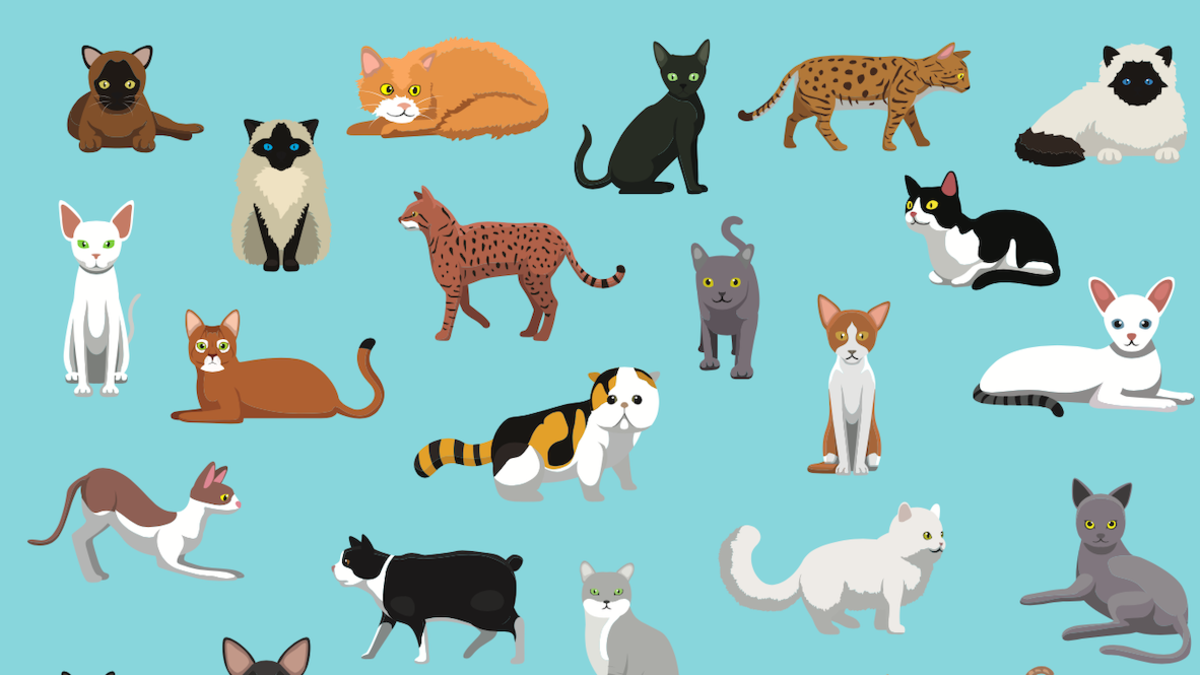
Have you ever wondered how many official cat breeds exist? If you’re a cat lover, this question might have popped into your mind more than once.
Knowing the variety of cat breeds can help you understand your feline friend better or even guide you if you’re thinking about adding a new furry member to your family. You’ll discover the exact number of recognized cat breeds and what makes each one unique.
By the end, you’ll feel more connected to your cat and confident in spotting different breeds wherever you go. Keep reading—you’re about to become a true cat breed expert!

Credit: www.threads.com
Cat Breed Recognition Bodies
Cat breed recognition bodies play a key role in defining and approving official cat breeds worldwide. These organizations set the standards and rules for recognizing new breeds. They ensure breed consistency and help protect the unique traits of each breed. Their work impacts breeders, cat shows, and cat lovers alike.
Major International Organizations
Several major international groups oversee cat breed recognition globally. They work across countries to unify breed standards. Examples include:
- The International Cat Association (TICA)
- The Cat Fanciers’ Association (CFA)
- The Fédération Internationale Féline (FIFe)
Each organization has its own list of recognized breeds. They also conduct worldwide cat shows and promote breed education.
Regional Cat Associations
Regional cat associations focus on specific countries or areas. They may recognize breeds popular locally or newly developed ones. Examples include:
- The Governing Council of the Cat Fancy (GCCF) in the UK
- The Japan Cat Association (JCA)
- The Australian Cat Federation (ACF)
These groups often collaborate with international bodies. They ensure regional breeds meet global standards.
Breed Standards And Criteria
Breed standards describe the ideal traits of a cat breed. This includes appearance, size, coat type, and personality. Criteria for recognition usually cover:
- Genetic stability and consistency
- Distinct physical features
- Health and temperament
- Documented breeding history
Recognition bodies require breeders to follow these standards strictly. This helps maintain breed quality and authenticity over time.
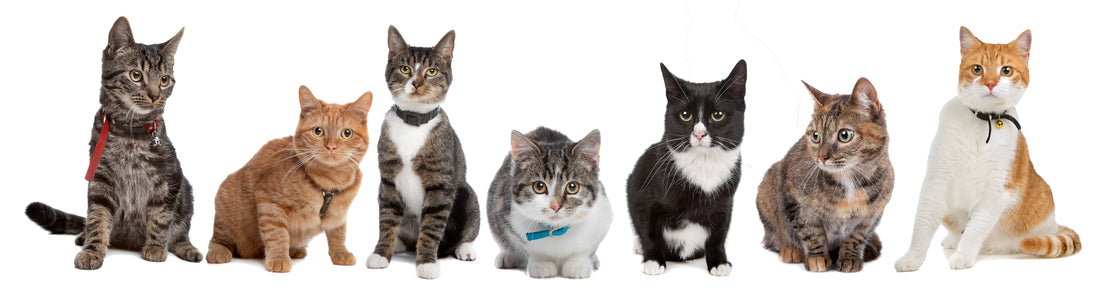
Credit: meowfia.us
Total Number Of Official Cat Breeds
Understanding the total number of official cat breeds can be surprisingly complex. Different cat associations recognize varying numbers of breeds based on their standards. Knowing these differences helps you appreciate the diversity in the feline world and guides you if you’re considering adopting or showing a cat.
Global Breed Counts
Worldwide, the number of officially recognized cat breeds ranges roughly between 40 and 75. This wide range depends largely on the organization you consult. Some groups focus on traditional breeds, while others include newer or less common types.
- The Cat Fanciers’ Association (CFA) recognizes 44 breeds.
- The International Cat Association (TICA) lists around 73 breeds.
- The Fédération Internationale Féline (FIFe) acknowledges about 48 breeds.
These numbers show how varied cat breeding is globally. If you thought all cat breeds were the same everywhere, this might surprise you.
Differences Among Organizations
Each cat registry has its own rules and criteria for recognizing breeds. Some require a breed to have a long history and stable characteristics. Others are more open to newer breeds or hybrids.
For instance, CFA is known for its conservative approach, often focusing on well-established breeds. On the other hand, TICA embraces emerging breeds, giving them a platform for recognition faster. This difference affects how many breeds you see listed and which ones you might encounter in cat shows.
Recent Additions And Emerging Breeds
New cat breeds continue to appear as breeders experiment with genetics and traits. Some recent breeds include the Lykoi, often called the “werewolf cat,” known for its unique fur pattern. Another example is the Serengeti, a breed developed to resemble wild cats without wild DNA.
These emerging breeds challenge traditional definitions and expand what you might expect from a “typical” cat. Are you curious about how these new breeds will influence the future of feline companionship? Watching these developments can be exciting if you follow cat breeding trends closely.
Popular Cat Breeds Around The World
Popular cat breeds capture the hearts of feline enthusiasts worldwide. Each breed brings its unique charm and personality, making them beloved companions in homes across the globe. Whether you’re a seasoned cat lover or considering welcoming a cat into your life, understanding the diversity among these breeds can be both fascinating and helpful.
Top Recognized Breeds
According to major cat associations like the Cat Fanciers’ Association (CFA) and The International Cat Association (TICA), there are 73 officially recognized cat breeds. Some of the top recognized breeds include:
- Persian:Known for their long, luxurious coats and calm demeanor.
- Siamese:Famous for their striking blue eyes and vocal nature.
- Maine Coon:The gentle giants of the cat world, known for their large size and tufted ears.
- Bengal:Sporting a wild appearance with leopard-like spots, they are energetic and playful.
These breeds are just the tip of the iceberg, each offering something unique to potential cat owners.
Distinctive Traits And Characteristics
Each cat breed has its own set of distinctive traits that make them special. Persians, for instance, are known for their laid-back and affectionate nature, making them great lap cats. On the other hand, Siamese cats are highly social and require a lot of interaction, making them perfect for active households.
If you’re looking for a cat that acts more like a dog, the Maine Coon might be your match with their friendly and playful demeanor. Meanwhile, Bengals, with their energetic antics, can turn your home into a lively playground. What traits do you value most in a feline friend?
Breed Popularity Trends
Trends in cat breed popularity often reflect cultural shifts and lifestyle changes. The rise of the Bengal cat in recent years can be attributed to a growing interest in exotic-looking pets. Similarly, the demand for hypoallergenic breeds, like the Russian Blue, has increased due to more people seeking allergy-friendly options.
Social media also plays a significant role in popularizing certain breeds. Viral videos of Scottish Folds and their adorable folded ears have led to a surge in their popularity. As your lifestyle evolves, does your preference in pet companions change too?
Rare And Lesser-known Breeds
Many cat lovers know popular breeds like the Siamese or Maine Coon. Yet, there are many rare and lesser-known cat breeds that few people recognize. These unique cats often have distinct looks and interesting histories. Exploring these breeds offers a fresh view of the feline world. They add diversity to the official list of recognized cat breeds.
Unique Breed Features
Rare cat breeds often show unusual traits. Some have curly or hairless coats. Others might have extra toes or unique eye colors. These special features make them stand out from common cats. For example, the Lykoi has a werewolf-like appearance with patchy fur. The Sokoke has a striking, spotted coat like wild cats. Each breed has characteristics that make it one of a kind.
Geographic Origins
Many rare breeds come from specific regions. Some developed naturally in isolated places. Others were bred for certain traits in small communities. The Kurilian Bobtail comes from the Kuril Islands, between Russia and Japan. The Serengeti breed was developed in the USA but inspired by wild cats from Africa. These origins shape the breed’s size, fur, and behavior.
Conservation And Preservation Efforts
Some rare breeds face risks of disappearing. Their small populations need protection. Cat clubs and breeders work to save these breeds. They focus on careful breeding to keep the gene pool healthy. Raising awareness helps people understand the value of these cats. Conservation also keeps their unique traits alive for future generations.
How Breeds Are Classified
Classifying cat breeds involves examining many key traits. Experts study physical features and behavior. These details help organize cats into recognized groups. Breed classification shows the rich variety in the feline world.
Coat Patterns And Colors
One main factor is the cat’s coat. Patterns like stripes, spots, or solid colors stand out. Colors range from black, white, orange to mixed shades. Some breeds have unique markings, such as points or tuxedo styles. These traits often give clues about the breed’s origin.
Body Type And Size
Body shape helps identify breeds too. Cats can be slender, muscular, or compact. Size varies from small to large breeds. Some breeds have long legs and tails, while others are short and stocky. This physical diversity helps separate one breed from another clearly.
Temperament And Behavior
Personality traits also guide classification. Some cats are playful and active, others calm and reserved. Social habits, vocal sounds, and energy levels are considered. These characteristics help match cats to specific breed profiles. Behavior often reflects the cat’s history and environment.

Credit: www.ebay.com
Factors Affecting Breed Recognition
Understanding why some cat breeds gain official recognition while others don’t involves more than just looks. Several key factors influence this process, shaping which breeds become part of the official cat family tree. These elements can affect your ability to find or even own certain breeds.
Genetic Diversity And Health
Breed recognition often depends on the genetic health of the cat population. Breeds with limited genetic diversity risk health problems, which can delay or block official recognition. You might notice some breeds have strict breeding guidelines to maintain healthy gene pools.
For example, the Savannah cat’s recognition faced challenges because breeders needed to ensure a stable genetic foundation without health issues. Would you consider how health impacts your choice of a breed?
Breeding Practices
How breeders manage mating plays a huge role in breed recognition. Consistent breeding standards help maintain a breed’s unique traits, making it easier for cat associations to recognize them officially. Irregular or mixed breeding can cause confusion and slow down the recognition process.
Many breeders focus on preserving distinct physical features and behaviors, which helps create clear breed profiles. If you are thinking about breeding cats, do you know how your practices affect a breed’s future?
Cultural And Regional Influences
Different regions and cultures value certain cat traits differently, impacting which breeds get recognized locally or internationally. A breed popular in one country may be unknown or unofficial in another. This variation shapes the global cat breed list you see today.
For instance, the Kurilian Bobtail is officially recognized in Russia and parts of Europe but less known elsewhere. How much do cultural preferences influence your views on cat breeds?
Frequently Asked Questions
How Many Official Cat Breeds Exist Worldwide?
There are about 70 to 75 official cat breeds recognized globally. Different cat associations may vary slightly in their counts. These breeds have distinct physical traits and personalities.
Which Organizations Recognize Official Cat Breeds?
Major organizations like CFA, TICA, and FIFe recognize official cat breeds. Each group has its own breed standards and recognition criteria. They ensure breed consistency and promote breed health.
What Defines An Official Cat Breed?
An official cat breed has specific traits and documented lineage. It is recognized by cat associations after meeting strict criteria. These breeds have consistent appearance and behavior.
Are New Cat Breeds Still Being Recognized?
Yes, new cat breeds are regularly developed and recognized. Breeders introduce unique traits through selective breeding. Associations evaluate and approve new breeds after thorough assessment.
Conclusion
Cat breeds vary in number depending on the organization. Most groups recognize between 40 and 70 breeds. Each breed has unique traits and histories. This variety shows how diverse cats can be. Whether you prefer short or long hair, there’s a breed for you.
Understanding official breeds helps in choosing the right pet. It also shows how cats have changed over time. Enjoy learning about these wonderful animals and their many types.


Leave a Reply