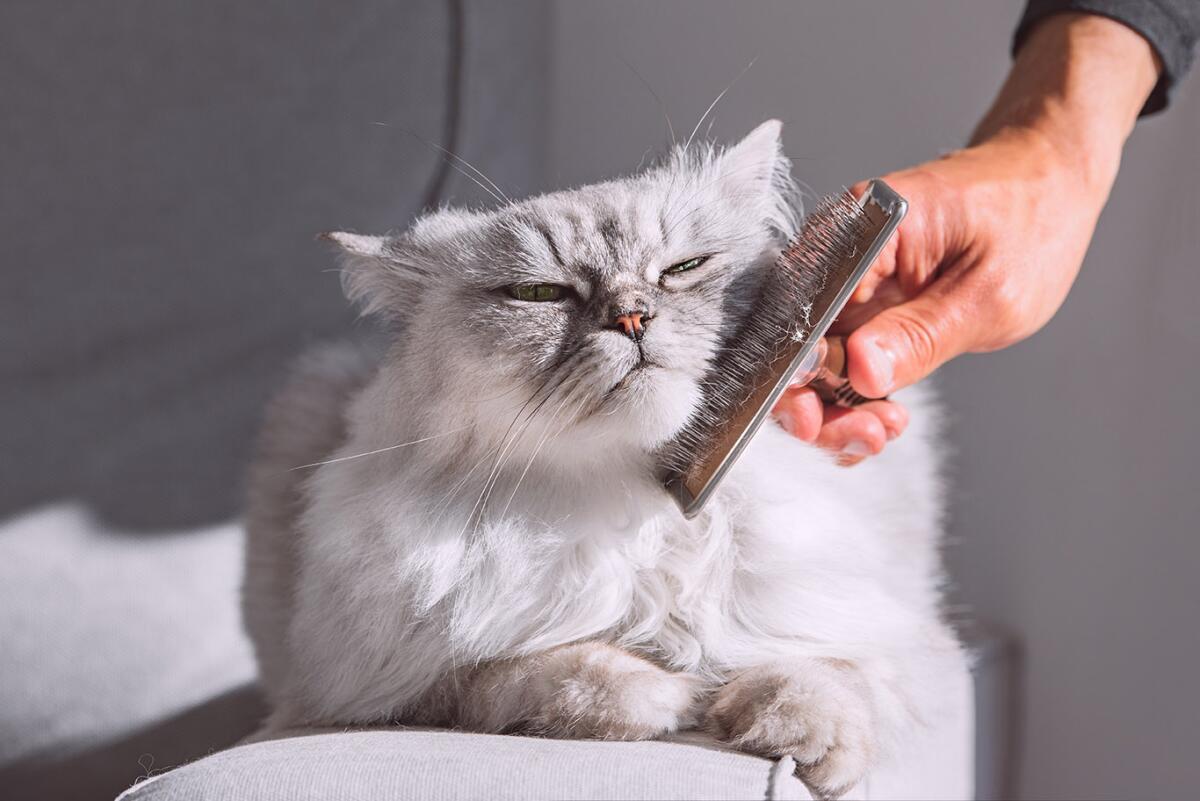
Have you ever wondered if grooming is really good for your cat? You might think cats clean themselves well enough, but there’s more to it than just a quick lick.
Grooming can help keep your furry friend healthy, happy, and comfortable. If you want to learn how grooming can make a difference in your cat’s life—and what you can do to make it a positive experience—keep reading. Your cat will thank you for it!
Benefits Of Cat Grooming
Grooming your cat goes beyond just keeping them looking neat. It plays a crucial role in maintaining their overall health and happiness. Understanding the benefits of regular grooming can help you create a stronger bond with your feline friend and ensure they stay comfortable every day.
Improved Coat Health
Regular brushing removes dirt, dead hair, and oils from your cat’s fur. This helps prevent matting and keeps the coat shiny and smooth. Have you noticed how your cat’s fur looks brighter and feels softer after a grooming session? That’s the positive effect of keeping their coat clean and well-maintained.
Reduced Shedding
Shedding can be a hassle, especially if you want to keep your home clean. Grooming helps by catching loose hair before it falls all over your furniture. You might find that consistent brushing cuts down on the amount of hair you find on your clothes and floors.
Early Detection Of Health Issues
While grooming, you get a chance to check your cat’s skin for lumps, bumps, or wounds. This close inspection can help catch health problems early, even before your cat shows signs of discomfort. Have you ever found something unusual during grooming that led you to visit the vet? That quick check can make a big difference in your cat’s health.
Types Of Grooming Techniques
Grooming cats keeps them clean and healthy. Different techniques help with their fur, nails, and overall care. Each type has its own purpose and benefits. Understanding these grooming types can make the process easier and more effective.
Brushing And Combing
Brushing removes loose fur and dirt from your cat’s coat. It prevents hairballs by reducing shedding. Use a soft brush for short hair and a comb for long hair. Brush gently to avoid hurting your cat’s skin. Regular brushing keeps the coat shiny and smooth.
Bathing Your Cat
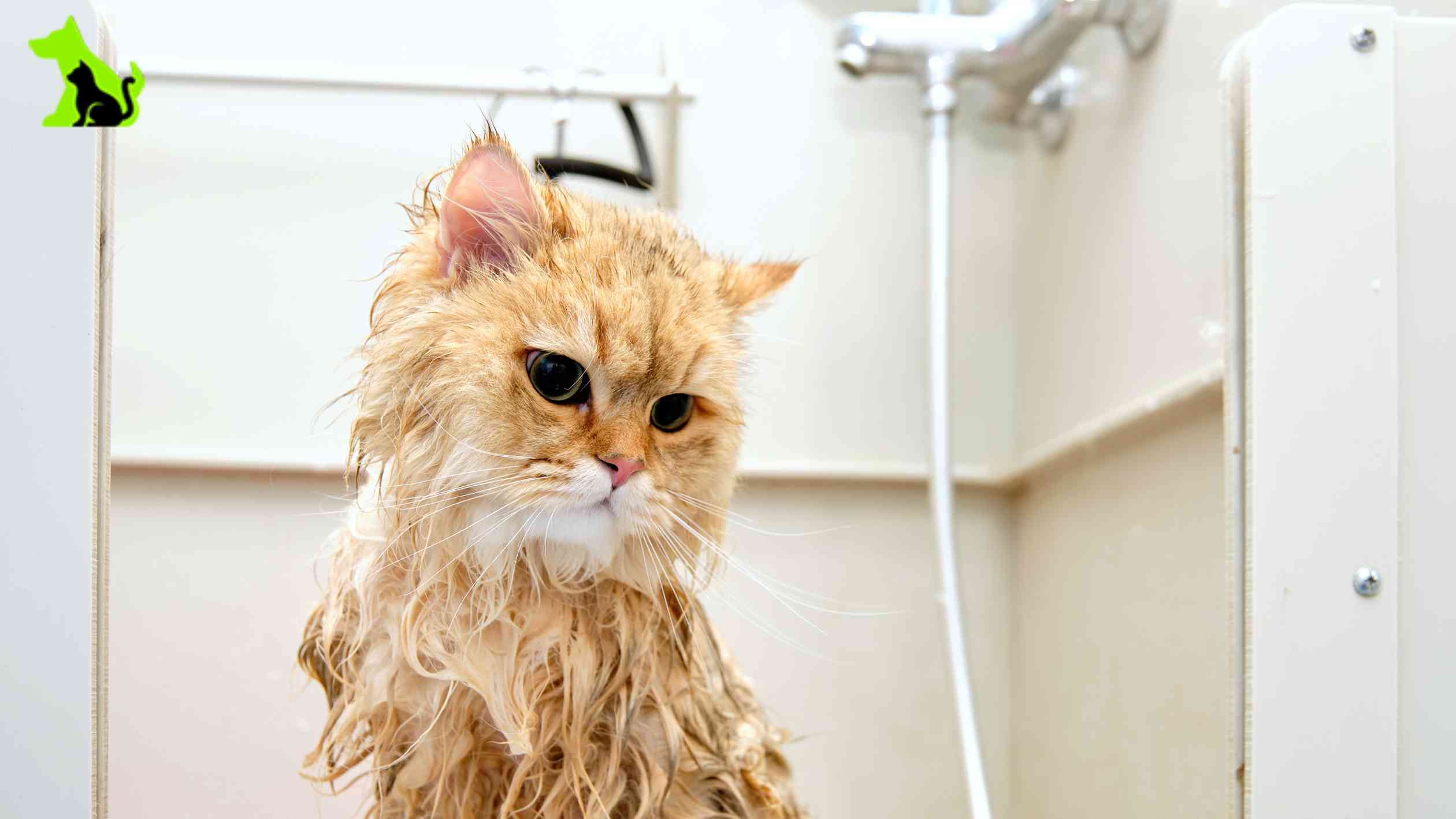
Bathing is not often needed but can help if your cat is very dirty. Use a cat-safe shampoo and warm water. Wet your cat slowly and rinse thoroughly. Dry your cat with a towel after the bath. Bathing helps remove dirt and odors safely.
Nail Trimming
Trimming your cat’s nails prevents scratches and damage to furniture. Use special pet nail clippers for safety. Trim just the sharp tips, avoiding the quick inside the nail. Regular nail care keeps your cat comfortable and reduces injury risk.
Ear And Eye Care
Check your cat’s ears and eyes regularly for dirt or discharge. Use a soft cloth or cotton ball to clean gently. Avoid inserting anything deep into the ear canal. Keeping ears and eyes clean helps prevent infections and irritation.
How Often To Groom Your Cat
Knowing how often to groom your cat helps keep them healthy and happy. Grooming removes dirt, loose fur, and prevents matting. The frequency depends on several factors like coat type, age, and health. Regular grooming also reduces hairballs and skin problems. Some cats need daily care, while others only a few times a week. Understanding your cat’s needs makes grooming easier for both of you.
Factors Affecting Grooming Frequency
- Coat length and thickness
- Cat’s age and activity level
- Health conditions like allergies or skin issues
- Seasonal changes and shedding patterns
- Indoor vs. outdoor lifestyle
Grooming Tips For Long-haired Cats
- Brush daily to avoid tangles and mats
- Use a wide-toothed comb followed by a soft brush
- Check ears and eyes regularly for debris
- Trim hair around the rear to keep clean
- Watch for signs of skin irritation
Grooming Tips For Short-haired Cats
- Brush once or twice a week to remove loose fur
- Use a rubber brush or grooming glove for gentle care
- Keep nails trimmed to prevent scratching
- Wipe with a damp cloth to clean dirt
- Monitor for any lumps or skin changes

Credit: www.latimes.com
Tools For Effective Grooming
Grooming your cat is more than just a routine; it’s a way to keep them healthy and happy. The right tools make this task easier and more effective for both you and your feline friend. Without proper equipment, grooming can become stressful, so selecting the right items is essential.
Choosing The Right Brush
Not all brushes work the same for every cat. Short-haired cats often do well with a rubber brush that removes loose hair gently. Long-haired cats benefit from a slicker brush, which helps detangle mats and prevent knots.
Think about your cat’s coat type and sensitivity. You might want to test a few brushes to see which your cat tolerates best. Have you noticed your cat’s reaction to different brushes? Their comfort matters most.
Safe Nail Clippers
Trimming your cat’s nails is crucial, but using the wrong clippers can cause pain or injury. Look for clippers designed specifically for cats, usually with a small, sharp blade and a safety guard. This reduces the risk of cutting too deep.
Try to make nail trimming a calm experience. If your cat resists, use treats and take breaks. Have you found any tricks that help keep your cat calm during nail trims?
Other Useful Grooming Supplies
- De-shedding tools:These help reduce shedding and hairballs, especially in breeds with thick undercoats.
- Grooming wipes:Great for quick clean-ups between baths or for cats that dislike water.
- Ear cleaner:Keeps your cat’s ears free from wax and dirt, preventing infections.
- Dental wipes or brushes:Essential for maintaining your cat’s oral health.
Have you ever tried grooming wipes or ear cleaners? These small tools can make a big difference in your cat’s hygiene and comfort.
Handling Grooming Challenges
Grooming cats can bring challenges that require patience and care. Cats may resist grooming for various reasons. Some feel scared, while others may develop mats or tangles in their fur. Understanding these challenges helps keep grooming sessions calm and effective. Proper handling improves your cat’s comfort and health.
Dealing With A Fearful Cat
Fearful cats need gentle and slow approaches. Start by creating a quiet space for grooming. Use soft voices and calm movements. Let the cat sniff the brush before using it. Offer treats as positive rewards. Short sessions work better than long ones. Patience is key to building trust.
Managing Mats And Tangles
Mats can hurt and irritate your cat’s skin. Use a wide-toothed comb to gently work through mats. Hold the fur close to the skin to avoid pulling. For tough tangles, try a detangling spray made for cats. Regular brushing prevents mats from forming. Check your cat’s fur often, especially in thick areas.
When To Seek Professional Help
Some grooming problems need a vet or groomer’s care. Seek help if mats cover large areas. Avoid cutting mats with scissors yourself. Look for signs of skin infection or bleeding. Professional groomers have tools and skills for tough cases. Your cat’s safety and comfort come first.

Credit: www.latimes.com
Grooming And Cat Behavior
Cats are known for their meticulous grooming habits. Grooming is more than just a cleaning ritual for them. It plays a crucial role in their behavior and social interactions. Understanding this behavior can enhance the bond between you and your feline friend.
Building Trust Through Grooming
Grooming can be a trust-building activity between you and your cat. Regular grooming sessions help your cat feel safe and cared for. It shows them that you respect their boundaries. A gentle brushing can mimic the soothing touch of a cat’s tongue. This can create a calming effect, strengthening your bond.
Start with short sessions to build comfort. Gradually increase the time as your cat gets used to it. Speak softly and use gentle strokes. This reassures your cat that grooming is a positive experience. In time, they may even seek out grooming as a bonding activity.
Recognizing Signs Of Discomfort
It’s important to notice signs of discomfort during grooming. Cats may show discomfort if they feel stressed or in pain. Watch for tail twitching, growling, or attempts to flee. These behaviors indicate they are not enjoying the session.
Stop grooming if your cat seems upset. Allow them to calm down before trying again. Use treats and praise to create positive associations. This approach can make future grooming sessions more enjoyable for your cat.
Understanding your cat’s behavior during grooming can improve your relationship. It helps create a more harmonious living environment. Pay attention to their signals and adjust your approach as needed. This ensures grooming remains a pleasant experience for both you and your cat.
Credit: hellopetsinc.com
Frequently Asked Questions
Why Is Grooming Important For Cats?
Grooming helps remove dirt, loose fur, and prevents matting. It reduces hairballs and keeps your cat’s coat healthy and shiny. Regular grooming also allows early detection of skin issues or parasites, promoting overall well-being.
How Often Should I Groom My Cat?
Frequency depends on your cat’s breed and coat length. Short-haired cats benefit from weekly grooming, while long-haired cats may need daily brushing. Regular grooming prevents tangles and reduces shedding, keeping your cat comfortable and clean.
Can Grooming Reduce Cat Hair Allergies?
Yes, grooming reduces loose fur and dander that trigger allergies. Regular brushing minimizes airborne allergens in your home. Bathing, if suitable for your cat, also helps lower allergen levels effectively.
What Tools Are Best For Cat Grooming?
Use a soft-bristle brush or rubber grooming mitt for short-haired cats. For long-haired cats, a wide-toothed comb and slicker brush work well. Choose tools that suit your cat’s coat to ensure gentle and effective grooming.
Conclusion
Grooming helps keep cats clean and healthy. It reduces hairballs and prevents mats. Cats often enjoy gentle brushing and petting. Regular care can strengthen your bond with your cat. Watch for signs of discomfort during grooming. Keep tools clean and use the right brush.
Simple grooming routines make cats happier and calmer. Taking time to groom shows you care. It’s a small effort with big benefits for your cat’s well-being.



Leave a Reply