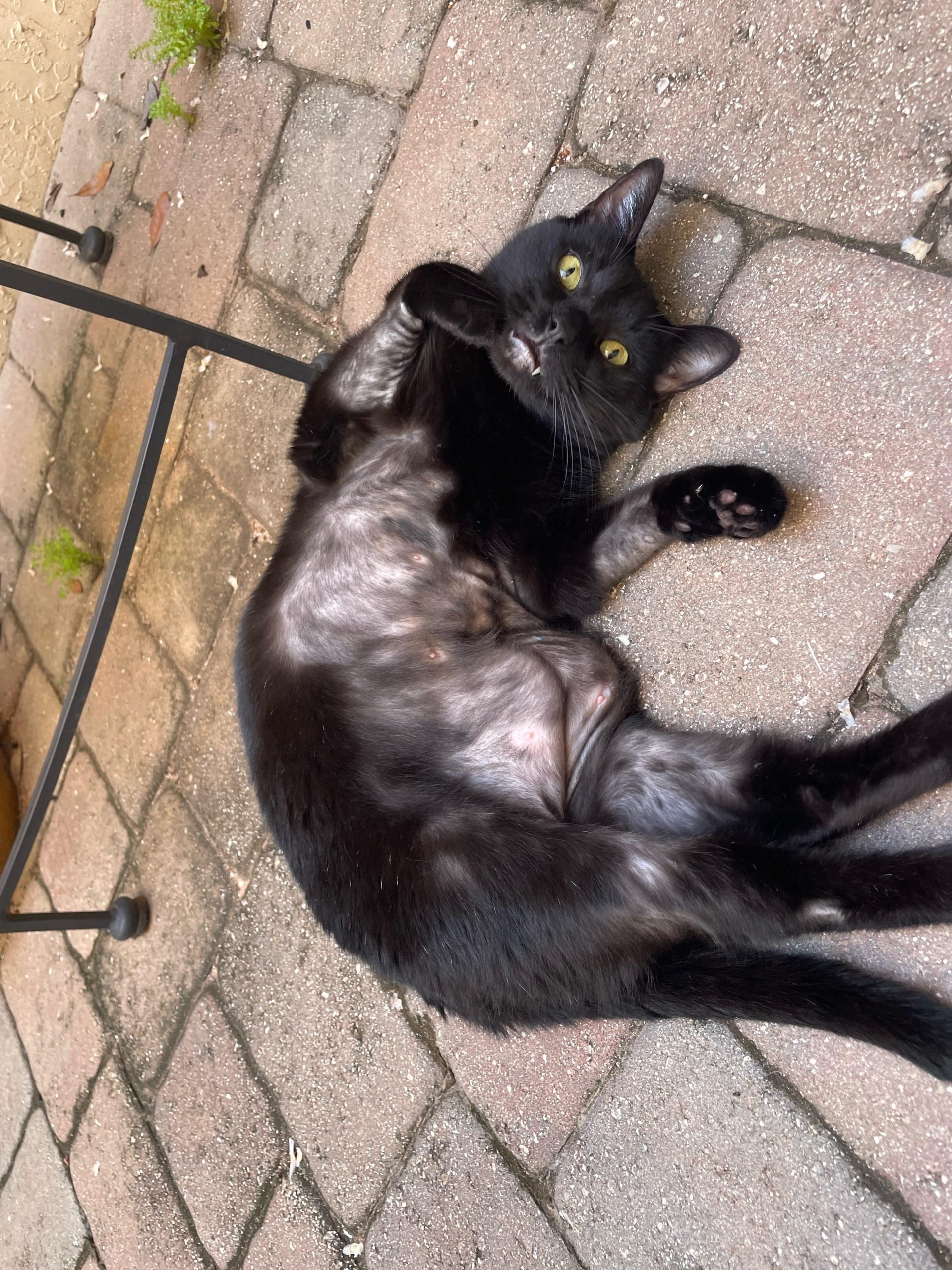
Is your cat grooming itself too much, leaving you worried and unsure what to do? Excessive grooming can cause skin problems and discomfort for your furry friend.
You want to help your cat feel better, but where do you start? This article will guide you step-by-step on how to stop your cat’s overgrooming. By understanding the reasons behind this behavior and learning practical tips, you’ll be able to bring comfort back to your pet’s life.
Keep reading to discover simple, effective ways to protect your cat’s health and happiness.
Reasons Cats Over-groom
Cats groom themselves to stay clean and healthy. But sometimes, they groom too much. This over-grooming can harm their skin and cause hair loss. Understanding why cats over-groom helps in finding the right solution. Several reasons can lead to this behavior. Some are physical, others emotional or behavioral.
Stress And Anxiety
Cats feel stress from changes in their environment. Loud noises, new pets, or moving homes can cause anxiety. Grooming more than usual helps them calm down. It is a way to cope with fear or discomfort. Stress-related grooming can lead to bald spots and skin sores.
Skin Allergies
Allergies irritate a cat’s skin. Common allergens include pollen, dust, and certain foods. Cats scratch and lick to relieve the itch. This can turn into constant licking and biting. Allergies often cause redness, swelling, and hair loss in affected areas.
Parasites And Infections
Fleas, ticks, and mites cause itching and discomfort. Cats try to remove these pests by grooming frequently. Skin infections may develop if parasites stay too long. Over-grooming worsens the problem by damaging the skin. Regular parasite control helps prevent this issue.
Boredom And Behavioral Issues
Cats need mental and physical stimulation every day. Lack of play or attention may lead to boredom. Over-grooming can become a habit from too much free time. It acts as a self-soothing activity. Providing toys and interaction reduces this behavior.

Credit: brooklynpetspa.com
Signs Of Excessive Grooming
Excessive grooming in cats can signal health or stress problems. It is important to spot the signs early. Watch your cat closely for changes in their skin and behavior. These clues help you understand if grooming is too much. Acting quickly can prevent serious issues.
Bald Patches And Redness
Look for areas where fur is missing. These bald patches often appear in spots your cat can reach easily. The skin underneath may look red or irritated. This redness shows the skin is inflamed or hurt. Such marks mean your cat is grooming too hard or too often.
Scabs And Sores
Check the skin for scabs and open sores. These wounds can form from constant licking or biting. Scabs are a sign the skin is healing but still damaged. Open sores may cause pain and infection. These signs show your cat needs help to stop over-grooming.
Changes In Behavior
Notice if your cat acts differently than usual. Excessive grooming often comes with changes in mood or habits. Your cat might hide more or seem restless. Some cats become more aggressive or anxious. These behavior changes often connect to stress or discomfort from grooming.
Creating A Calm Environment
A calm space helps reduce your cat’s stress and stops over-grooming. Soft sounds, gentle lighting, and quiet corners make your cat feel safe and relaxed.
Creating a peaceful environment is key to curbing excessive cat grooming. Cats are sensitive creatures, and their grooming habits can be directly linked to their surroundings. A calm setting can make a world of difference in reducing stress-induced grooming. Here’s how you can transform your home into a serene sanctuary for your feline friend.Reducing Stress Triggers
Identify what might be causing your cat’s stress. Is it loud noises, sudden movements, or perhaps the presence of other animals? Once you’ve pinpointed these triggers, you can take steps to minimize or eliminate them. Consider setting up a quiet room where your cat can retreat. Keep it free from disturbances such as loud music or foot traffic. Use soft lighting and gentle sounds, like classical music, to soothe your cat.Providing Safe Spaces
Cats need a place where they feel safe and secure. Create cozy nooks with soft bedding in areas your cat frequents. These spaces provide a sense of security and can help reduce anxiety. A window perch can also offer a comforting distraction. Watching the world go by is both entertaining and relaxing for cats. Ensure your cat has access to vertical spaces, as they often feel safer when they can observe their surroundings from above. By focusing on creating a calm environment, you’re actively supporting your cat’s well-being. What changes can you make today to help your cat feel more at ease?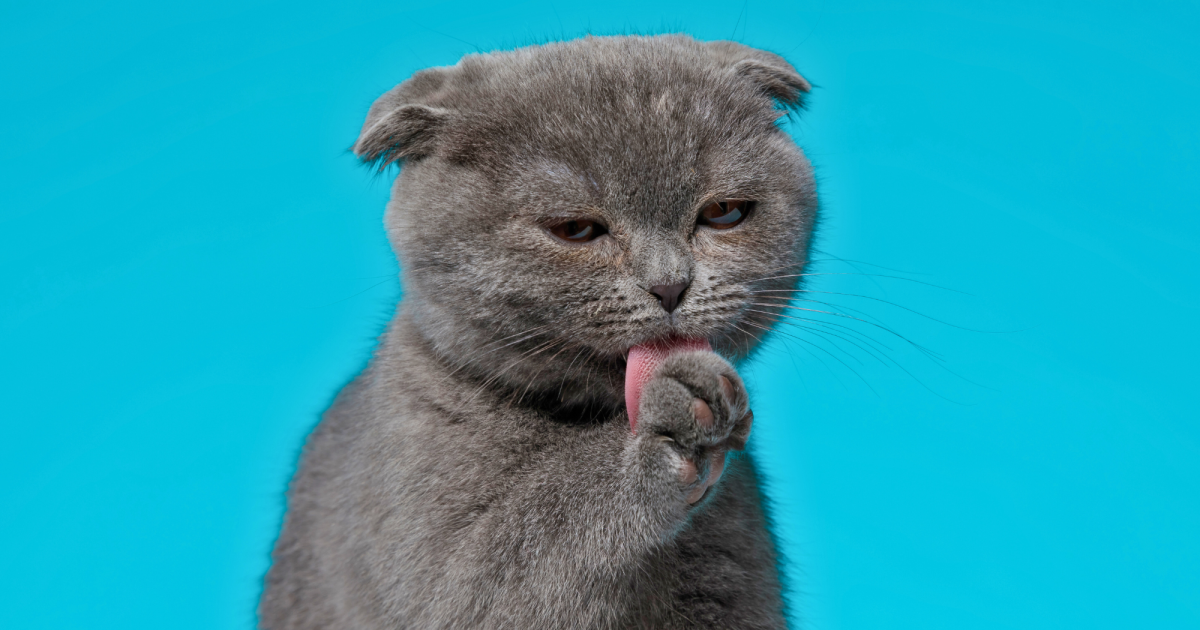
Credit: pethelpful.com
Diet And Nutrition Tips
Diet plays a big role in stopping excessive cat grooming. A healthy diet can improve your cat’s skin and fur. It helps reduce itching and discomfort that cause over-grooming. Feeding your cat the right nutrients supports overall well-being and fur quality.
Balanced Diet For Skin Health
A balanced diet keeps your cat’s skin healthy and less itchy. Choose foods rich in essential fatty acids like omega-3 and omega-6. These fats help reduce inflammation and dryness.
- Include high-quality protein for skin repair.
- Ensure vitamins A and E are present for skin protection.
- Provide enough water to keep the skin hydrated.
Check the ingredient list for natural sources of these nutrients. Avoid foods with artificial additives that can irritate the skin.
Supplements To Improve Fur Quality
Supplements can boost fur health and reduce grooming urges. Fish oil capsules or liquid add omega-3 fatty acids easily. These improve shine and softness of the fur.
- Biotin supports hair growth and strength.
- Zinc helps heal skin and fur damage.
- Vitamin B complex promotes healthy skin cells.
Consult your vet before starting supplements. Proper doses ensure safety and effectiveness for your cat.
Using Protective Gear
Using protective gear is a practical way to stop your cat from grooming excessively. It creates a physical barrier that prevents them from reaching certain areas. This helps wounds heal faster or stops them from irritating sensitive skin.
Elizabethan Collars
Elizabethan collars, also known as e-collars or cones, are a classic choice. They fit around your cat’s neck and stop them from licking or biting specific spots.
While some cats may initially resist wearing a collar, many adjust within a day or two. Choose a lightweight and flexible version to keep your cat comfortable. You might notice your cat bumping into furniture at first—this is normal as they get used to the new gear.
Think about your cat’s personality before using a collar. If your cat is very anxious, a softer alternative might be better. Have you seen how some cats seem to wear their collar like a badge of honor? It’s interesting how quickly they adapt.
Soft Recovery Suits
Soft recovery suits are fabric garments that cover the cat’s body, blocking access to wounds or itchy areas. They are a great alternative if your cat hates collars or if the problem is on the torso or legs.
These suits allow your cat to move freely and keep warm without the discomfort of a hard plastic cone. I once used a recovery suit for my cat after surgery, and she was much calmer without the collar restricting her head movements.
When picking a recovery suit, look for breathable materials and a snug fit that doesn’t restrict movement. You can even find adjustable ones with velcro or snaps for easy dressing. Does your cat like cozy clothes? This might be a win-win for both of you.
Regular Grooming Practices
Regular grooming helps reduce your cat’s urge to over-groom itself. It keeps their coat clean and healthy. Grooming also lowers stress and prevents skin problems. Consistent care builds trust between you and your cat. It can stop hair loss from excessive licking.
Here are simple grooming practices to follow at home. They make a big difference in your cat’s well-being.
Brushing Techniques
Use a soft brush suited for your cat’s fur type. Gently brush in the direction of hair growth. Avoid pulling or tugging on knots. Regular brushing removes loose fur and dirt. It helps spread natural oils for a shiny coat.
- Brush short-haired cats twice a week.
- Brush long-haired cats daily to avoid mats.
- Start brushing sessions short and calm.
- Reward your cat with treats after brushing.
Bathing Guidelines
Bathing is not often needed but helps if your cat is very dirty. Use lukewarm water and a cat-safe shampoo. Avoid water in the ears and eyes. Rinse thoroughly to remove all soap. Dry your cat well with a towel afterward.
- Keep baths short and calm.
- Bath every 4 to 6 weeks if necessary.
- Brush fur before the bath to remove loose hair.
- Use a non-slip mat in the sink or tub.
When To Visit The Vet
Knowing when to visit the vet is key to stopping your cat’s excessive grooming. Sometimes, this behavior signals health problems. Early vet visits help catch issues before they worsen. Pay close attention to changes in your cat’s grooming habits or skin condition.
Identifying Medical Issues
Excessive grooming can mean pain or discomfort. Look for signs like:
- Red, swollen, or irritated skin
- Hair loss or bald patches
- Open sores or scabs
- Constant licking or biting a specific area
- Changes in behavior or mood
These signs suggest a medical problem. Allergies, infections, parasites, or stress might cause the grooming. A vet can find the root cause through examination and tests.
Treatment Options
After diagnosis, vets offer treatments to reduce grooming. They may prescribe:
- Medications for allergies or infections
- Flea or parasite control products
- Anti-anxiety medicine for stress-related grooming
- Special shampoos or topical creams
- Diet changes for food sensitivities
Follow the vet’s advice closely. Proper treatment stops discomfort and heals the skin. It also helps your cat feel calm and happy again.

Credit: pennypaws.com
Behavioral Training And Distraction
Behavioral training and distraction are effective ways to reduce excessive cat grooming. Instead of just trying to stop the behavior, you guide your cat toward healthier habits. This approach helps your cat stay mentally and physically engaged, which often reduces stress-related grooming.
Engaging Playtime
Keeping your cat busy with interactive play can divert attention from over-grooming. Use toys that mimic hunting, like feather wands or laser pointers, to capture their interest. Short, frequent play sessions throughout the day work best to release pent-up energy.
Have you noticed how your cat reacts when you introduce a new toy? Sometimes the novelty can be the perfect distraction. Try mixing up different toys and play styles to find what excites your cat the most.
Using Positive Reinforcement
Reward your cat when it stops grooming excessively or chooses to play instead. Use treats, petting, or gentle praise immediately after the desired behavior. This helps your cat connect good things with stopping the unwanted grooming.
Consistency matters. If you reward your cat only occasionally, it might get confused about what behavior you want. Keep rewards timely and predictable, and watch your cat learn quickly.
Frequently Asked Questions
Why Is My Cat Grooming Excessively?
Excessive grooming may signal stress, allergies, or parasites. It can also indicate skin infections or pain. Observe your cat’s behavior and consult a vet for accurate diagnosis and treatment.
How Can I Reduce My Cat’s Grooming Habits?
Provide mental stimulation, regular playtime, and a calm environment. Use positive reinforcement when your cat stops grooming excessively. Consult a vet for underlying health issues or behavioral therapy.
When Should I Worry About My Cat’s Grooming?
Worry if grooming causes bald spots, sores, or bleeding. Persistent excessive grooming may indicate medical or psychological problems. Seek veterinary advice promptly to prevent further complications.
Can Diet Affect My Cat’s Grooming Behavior?
Yes, poor nutrition can cause skin irritation and increased grooming. Ensure a balanced diet rich in essential fatty acids. Consult your vet to recommend the best diet for your cat.
Conclusion
Stopping cat grooming takes patience and care. Watch your cat’s behavior closely. Offer distractions like toys or gentle petting. Keep your cat calm and comfortable. Consult a vet if grooming seems excessive. Remember, your cat’s health comes first. Small changes can make a big difference.
Stay consistent and kind during this process. Your cat will feel better with time.

Leave a Reply