You want your cat’s litter box to stay clean and fresh, but how often should you really change it? If you’re like most cat owners, you’ve probably wondered whether daily scooping is enough or if a full litter change should happen more often.
The truth is, getting this right can make a big difference—not just for your cat’s health and happiness but for your home’s smell and cleanliness too. Keep reading, and you’ll discover simple, effective tips to keep your cat’s litter box in top shape without extra hassle.
Your cat will thank you, and so will your nose!
Litter Box Basics
Understanding the basics of a litter box is essential for keeping your cat healthy and happy. A clean litter box prevents bad smells and encourages your cat to use it regularly. Choosing the right litter and box type makes maintenance easier and more effective.
Types Of Cat Litter
Cat litter comes in many forms, each with unique benefits. Clay-based litter is common and absorbs moisture well. Clumping litter makes cleaning simple by forming solid clumps. Natural litters, like corn or wheat, are eco-friendly and biodegradable. Silica gel litter controls odor and lasts longer. Choose a litter type that suits your cat’s needs and your cleaning routine.
Choosing The Right Litter Box
The size and shape of the litter box affect your cat’s comfort. Larger boxes give more space to move and dig. Covered boxes help control odors but may trap moisture. Open boxes allow better airflow and are easier to clean. Consider your cat’s size, age, and preferences when selecting a box. Make sure to place the box in a quiet, accessible spot.
Credit: www.petsradar.com
Daily Cleaning Routine
Maintaining a daily cleaning routine for your cat’s litter box is crucial for your cat’s health and your home’s freshness. A consistent approach helps prevent odors and keeps your cat comfortable, encouraging proper litter box use. Let’s break down what your daily tasks should look like to keep things under control.
Scooping Frequency
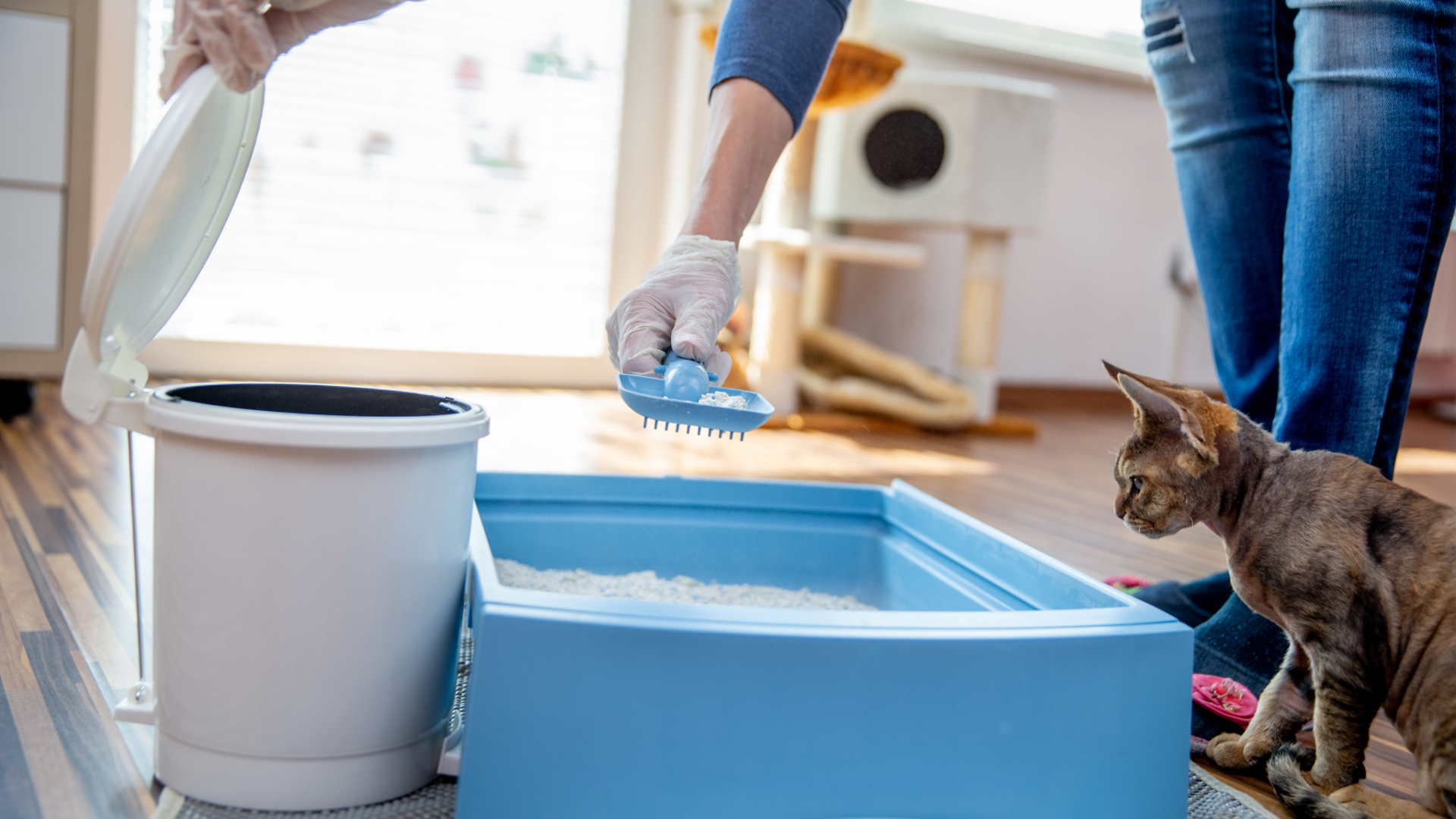
How often you scoop depends on the number of cats you have and the type of litter you use. For one cat, scooping at least once a day is essential. If you have multiple cats, you might need to scoop twice or even three times daily to keep the box clean and inviting.
Remember, leaving waste in the box for too long can cause your cat to look for other spots. I learned this the hard way when my cat started avoiding her box after just a day of neglect. Daily scooping keeps odors down and shows your cat you care about their space.
Spot Cleaning Tips
Besides scooping, spot cleaning helps manage any accidental messes or tracked litter. Use a damp cloth or pet-safe wipes to clean around the box area. This simple step prevents buildup and keeps the surrounding floor tidy.
Check for clumps sticking to the sides or corners of the box daily. Removing these spots quickly stops odors from spreading. Have you noticed your cat’s behavior change when the box area isn’t clean? Spot cleaning can make a big difference in their comfort.
Full Litter Change Schedule
Knowing how often to perform a full litter change is key to keeping your cat happy and your home smelling fresh. A full litter change means removing all the old litter, cleaning the box, and refilling it with new litter. This routine helps prevent odor buildup and keeps your cat’s bathroom area hygienic.
When To Replace All Litter
Replace all the litter at least once a week if you have a single cat. Multiple cats or larger litter boxes might need a full change every 3 to 4 days. If you notice strong odors or clumps sticking to the box, it’s a clear sign the litter needs a full refresh.
Sometimes, you might find yourself cleaning the box more often after a stomach bug or dietary change in your cat. Don’t wait for the smell to become unbearable; a fresh start keeps your cat more willing to use the box and avoids accidents elsewhere.
Factors Affecting Change Frequency
- Number of Cats:More cats mean more waste, so you’ll need to change the litter more frequently.
- Litter Type:Clumping litters often last longer before a full change, while non-clumping ones may require more frequent replacement.
- Box Size:Smaller boxes fill up faster and may need more frequent attention.
- Ventilation:Poor airflow in the litter area can increase odors, pushing you to change litter sooner.
- Your Cat’s Habits:Some cats are messier or produce stronger odors, which can affect how often you need to change the litter.
Have you noticed that some days your cat’s litter box seems fine, but other days it smells quickly? This variation is normal and influenced by these factors. Paying attention to these details helps you avoid unpleasant surprises and keeps your cat comfortable.

Credit: www.purina.com
Deep Cleaning Process
To ensure your cat’s litter box stays clean, deep cleaning is essential. This process helps maintain hygiene and keeps your cat comfortable. A regular deep clean removes bacteria and odor, extending the box’s life.
Cleaning The Box Itself
Start by emptying the litter box completely. Dispose of old litter in a sealed bag to prevent odors. Use a scoop to remove any stuck-on waste. Rinse the box with warm water to loosen debris.
Scrub the box using a dedicated brush or sponge. Pay extra attention to corners and edges. Rinse thoroughly to remove all soap residues. Dry the box with a towel or let it air dry completely.
Safe Cleaning Products
Choose cleaning products that are safe for pets. Avoid harsh chemicals and strong fragrances. Opt for mild dish soap or a vinegar-water solution. These options clean effectively without harming your cat.
After cleaning, ensure all product residues are rinsed away. Cats are sensitive to chemicals, so a thorough rinse is vital. Once dry, refill the box with fresh litter to welcome your cat back.
Managing Multiple Cats
Managing multiple cats means paying extra attention to their litter boxes. Each cat has unique habits and preferences, and these differences can impact how often you need to clean their litter areas. If you overlook this, it might lead to unpleasant odors or even litter box avoidance.
Adjusting Cleaning Frequency
The more cats you have, the faster the litter box gets dirty. You might think once a week is enough, but with multiple cats, daily scooping becomes necessary. In fact, some cat owners with three or more cats find themselves cleaning twice a day to keep things fresh.
Pay attention to your cats’ behavior. Are they sniffing around the box before using it? Avoiding it altogether? These signs tell you it’s time to clean more often. Don’t wait for a smell to remind you.
Number Of Litter Boxes Needed
Here’s a rule that many experts agree on: provide one litter box per cat, plus one extra. If you have two cats, offer three boxes. This reduces competition and helps prevent accidents outside the box.
Think about where you place each box. Spread them out across your home to give your cats privacy and choices. Crowding several cats around a single box can cause stress and territorial disputes.
Have you noticed any specific litter box habits in your cats? Sometimes, the right number and placement of boxes can solve problems you didn’t expect.

Credit: perfectpetzzz.com
Signs Your Cat Dislikes The Litter Box
Cats show clear signs when they dislike their litter box. Watching these signs helps keep your cat happy and healthy. Ignoring the issue may cause accidents and stress for your pet. Knowing what to look for can guide you to fix the problem quickly.
Behavioral Clues
- Your cat scratches outside the box instead of inside.
- They avoid entering the litter box altogether.
- Sudden changes in bathroom habits occur.
- Frequent vocalizing near the box signals discomfort.
- Your cat digs frantically without using the box.
- They urinate or defecate in unusual places.
- Signs of stress like pacing or hiding appear near the box.
Litter Box Avoidance Reasons
- The litter box is dirty or smells bad.
- The box is too small for your cat’s size.
- Location is noisy or hard to reach.
- Type of litter feels uncomfortable under paws.
- Recent changes in litter brand or box style.
- Health issues causing pain while using the box.
- Presence of other pets causing fear or stress.
Tips To Keep Litter Box Fresh
Keeping the cat litter box fresh is important for both you and your pet. A clean box reduces odors and encourages your cat to use it regularly. Simple tips can help maintain a fresh environment without extra effort.
Using Deodorizers
Deodorizers help control bad smells in the litter box. Choose products made for cats to avoid harming them. Sprinkle a small amount of baking soda at the bottom before adding litter. Use scented or unscented deodorizing powders or sprays designed for litter boxes. These can absorb odors and keep the box smelling clean longer.
Proper Ventilation
Good airflow reduces moisture and odors in the litter area. Place the litter box in a well-ventilated room or near a window. Avoid tight, closed spaces where smells can build up. Use a small fan or air purifier nearby if the room lacks fresh air. Proper ventilation keeps the box dry and fresh for your cat’s comfort.
Frequently Asked Questions
How Often Should I Scoop My Cat’s Litter Box?
Scoop the litter box daily to remove waste and control odor. Regular scooping keeps the box clean and your cat healthy. It also prevents litter clumps from forming and maintains a fresh environment for your cat.
When Should I Completely Change Cat Litter?
Change the entire litter and clean the box every 1 to 2 weeks. This prevents bacterial buildup and odors. Frequency depends on the number of cats and litter type. More cats require more frequent changes.
Can Infrequent Litter Changing Harm My Cat?
Yes, infrequent litter changes can cause health issues. Dirty litter boxes increase bacteria and ammonia levels. This can lead to urinary infections and discourage your cat from using the box. Regular cleaning is vital for your cat’s wellbeing.
Does Litter Type Affect How Often To Change It?
Yes, clumping litters often require less frequent full changes than non-clumping types. Some litters absorb odor better, extending time between changes. Always follow the manufacturer’s recommendations for best results.
Conclusion
Changing your cat’s litter box regularly keeps your home fresh and clean. A good rule is to scoop daily and change all litter weekly. This helps stop bad smells and keeps your cat happy. Watch your cat’s habits; they can tell you when it’s time.
Clean litter boxes mean healthy cats and a pleasant home. Simple steps make a big difference in care and comfort. Keep it easy and consistent for the best results. Your cat will thank you with love and trust.



Leave a Reply