If you have a cat, you probably want to keep your home clean and your furry friend happy. One question that often comes up is: how many litter boxes does your cat really need?
It might seem simple, but the answer can make a big difference in your cat’s comfort and your peace of mind. Keep reading, because finding the right number of litter boxes can prevent messes, reduce stress for your cat, and save you from unexpected surprises.
Let’s get into what works best for you and your feline companion.
Ideal Number Of Litter Boxes
Knowing the ideal number of litter boxes is key for a happy cat and a clean home. Cats are very particular about their bathroom habits. The right number of boxes helps avoid accidents and stress. It also keeps your cat healthy and comfortable.
Basic Rule For One Cat
The simple rule is to have one litter box per cat plus one extra. For one cat, that means two litter boxes. This gives the cat options and reduces the chance of accidents. Cats like to have separate places for peeing and pooping. Two boxes also help if one gets dirty or blocked. It keeps the cat happy and your home cleaner.
Exceptions To The Rule
Some cats need more or fewer boxes depending on their habits and health. Older cats or those with medical issues might need extra boxes. Cats with anxiety or stress may also benefit from more litter boxes. If your home is large or multi-level, spread out boxes on different floors or rooms. This makes it easier for the cat to reach them. Watch your cat’s behavior to decide if changes are needed.
Factors Influencing Litter Box Needs
Choosing the right number of litter boxes depends on several important factors. These elements help ensure your cat stays comfortable and healthy. Understanding these factors can prevent accidents and keep your home clean.
Cat’s Age And Health
Older cats may need easier access to litter boxes. Cats with health problems might require more boxes. Illnesses can affect how often cats use the litter box. Younger cats usually have fewer needs but watch for changes.
Behavioral Patterns
Some cats prefer privacy and quiet places for their litter boxes. Others might mark territory and need multiple boxes. Stress or anxiety can change litter box habits. Observing your cat’s behavior helps decide box placement and number.
Living Space Layout
Large homes may need more litter boxes in different areas. Small spaces might limit box placement but keep boxes separate. Avoid placing boxes near food or noisy appliances. Good layout reduces accidents and keeps cats happy.
Choosing The Right Litter Box
Choosing the right litter box for your cat is crucial for their comfort and your sanity. A well-chosen box can mean the difference between a happy kitty and a messy home. Let’s dive into the specifics that can help you make the best choice.
Size And Type Options
When selecting a litter box, size matters. Your cat needs enough space to turn around and dig without feeling cramped. Consider the size of your cat; larger breeds like Maine Coons might need jumbo-sized boxes.
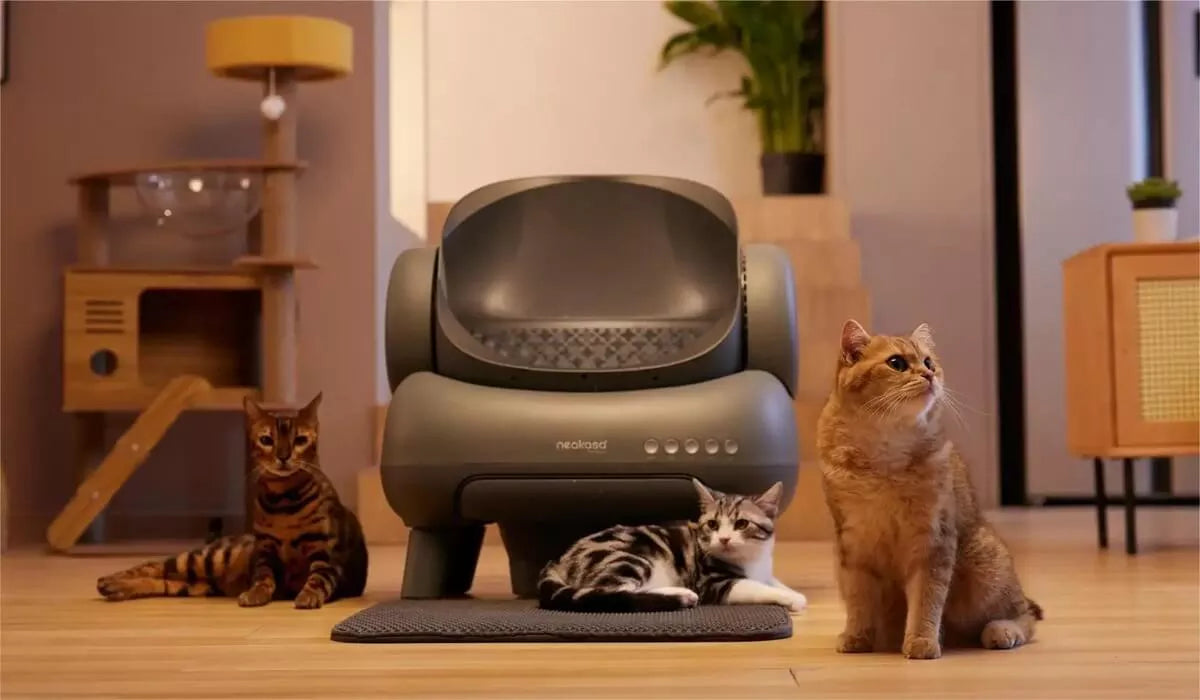
Think about the type of litter box too. Standard, top-entry, and self-cleaning options are available. Each has its pros and cons, so think about your cat’s habits and your lifestyle.
Covered Vs. Open Boxes
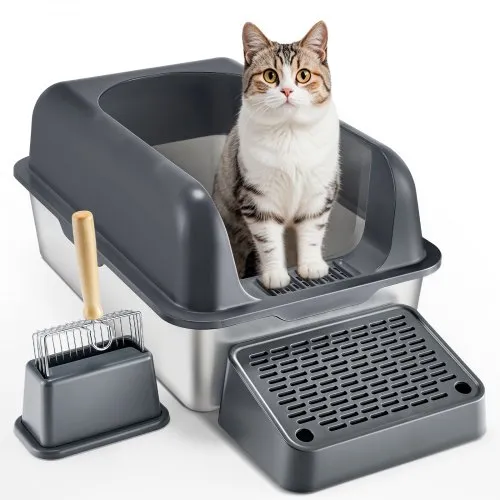
Covered boxes offer privacy and can help contain odors. However, some cats dislike feeling trapped and may avoid them.
Open boxes provide easy access and allow for better ventilation. If your cat is new to litter training, an open box might be less intimidating.
Have you noticed any preferences in your cat’s behavior? Observing them can give you clues about what they might prefer.
Materials And Durability
The material of the litter box impacts its durability and cleanliness. Plastic is the most common material, offering affordability and ease of cleaning.
Look for boxes with smooth surfaces to prevent waste from sticking. Also, consider the thickness of the plastic; sturdier boxes will last longer.
Think about how often you are willing to replace the box. Investing in a high-quality box might save you money and hassle in the long run.

Credit: www.amazon.com
Placement Tips For Litter Boxes
Choosing the right place for your cat’s litter box can make all the difference in their comfort and cleanliness. Placement is more than just finding an empty corner—it’s about creating a space your cat feels safe using every day. Here are some practical tips to help you find the perfect spots for your cat’s litter boxes.
Quiet And Accessible Spots
Your cat needs a peaceful place to do their business. Look for areas that are away from loud noises like washing machines or televisions. Quiet spots help reduce stress and encourage your cat to use the box consistently.
Accessibility is just as important. Make sure the litter box is easy to reach without obstacles. This is especially true for older cats or those with mobility issues—you want to avoid any frustration or hesitation.
Avoiding High-traffic Areas
Think about where people often walk or gather in your home. Placing a litter box in these busy areas can make your cat uncomfortable. Cats prefer privacy and may avoid using a box that feels exposed or where they might be startled.
Try to steer clear of doorways, hallways, or near noisy appliances. Instead, choose corners or rooms where foot traffic is minimal. Have you noticed your cat hesitating near certain spots? That’s a clear sign the area might be too busy for their liking.
Multiple Floor Levels
If your home has more than one floor, consider placing litter boxes on each level. This makes it easier for your cat to find a box quickly without having to climb stairs. Cats appreciate convenience just like we do.
Think about your cat’s daily routes. Are they spending time upstairs and downstairs? Adding a box on different floors helps prevent accidents and keeps your cat happy. Have you ever found surprises on the carpet? This simple step could be the fix.
Maintenance And Cleaning
Keeping your cat’s litter box clean is essential for their health and happiness. Regular maintenance prevents odors and encourages your cat to use the box consistently. It also saves you from bigger cleaning jobs later on.
Daily Scooping Routine
Make scooping a daily habit. Removing waste every day keeps the litter fresh and comfortable for your cat. It only takes a few minutes but makes a big difference in odor control and hygiene.
Use a scoop with wide slots to catch clumps easily. Have a dedicated trash bin nearby to dispose of waste quickly. This small routine helps you stay on top of cleanliness without feeling overwhelmed.
Deep Cleaning Schedule
Set aside time once a week to deep clean the litter box. Empty all the litter and wash the box with mild soap and warm water. Avoid strong chemicals that can irritate your cat’s sensitive nose.
Dry the box completely before adding new litter. This prevents clumping issues and keeps the environment healthy. Have you noticed how a sparkling clean box invites your cat back happily?
Litter Replacement Tips
Don’t wait too long to replace the litter entirely. Depending on the type you use, a full change every 1-2 weeks is ideal. Clumping litters often last longer, but regular replacement is still necessary.
Mix fresh litter with the old before fully replacing it to ease the transition for your cat. Keep an eye on the smell and texture; if the litter feels damp or smells strong, it’s time for a change. What signs do you notice that tell you your cat’s litter needs replacing?
Signs Your Cat Needs More Boxes
Recognizing when your cat needs more litter boxes is key to keeping both your pet and home happy. Cats often show subtle signs before you notice a problem with their bathroom habits. Watching closely for these signs can help you decide if adding another litter box will improve your cat’s comfort and health.
Behavioral Changes
Has your cat started spending more time pacing or sniffing around certain areas? These behaviors can signal frustration with the current litter box setup.
You might notice your cat hesitating before entering the box or leaving it quickly. This can mean the box is too dirty, too small, or simply not enough for their needs.
Sometimes, a cat may avoid the box altogether and become more withdrawn or restless. These changes can hint that your cat wants more options to relieve itself comfortably.
Accidents Outside The Box
Finding urine or feces outside the litter box is a strong indicator your cat is unhappy with their current number of boxes.
Accidents often happen when a box is occupied or smells unpleasant. Your cat might be trying to tell you they need easier access to a clean box.
Instead of scolding, consider if adding an extra box in a quiet, accessible spot could solve the problem quickly.
Stress And Anxiety Indicators
Stress can cause your cat to avoid the litter box. Look for signs like excessive grooming, hiding, or vocalizing more than usual.
If your cat is anxious, providing additional litter boxes can reduce tension by giving them more control over their bathroom habits.
Think about your cat’s environment: Are there multiple cats competing? Is the litter box location noisy or crowded? More boxes in calm, separate areas often ease anxiety.
Common Mistakes To Avoid
Many cat owners make simple mistakes when setting up litter boxes. These errors can cause stress for cats and lead to unwanted behaviors. Avoiding these common pitfalls helps keep your cat happy and your home clean.
Using Too Few Boxes
One litter box is not always enough. Cats like having options for their bathroom needs. The rule is to have one litter box per cat, plus one extra. This prevents accidents and keeps cats comfortable. Using only one box can cause your cat to avoid it or go elsewhere.
Poor Placement Choices
Location matters a lot for litter boxes. Putting boxes in noisy or busy areas scares cats away. Avoid placing boxes near food or water bowls. Cats prefer quiet, private spots for their bathroom. Good placement encourages your cat to use the box regularly.
Neglecting Regular Cleaning
Dirty litter boxes are a major problem. Cats dislike using boxes that smell bad or are full of waste. Scoop the litter daily and change it completely often. Clean boxes keep your cat healthy and prevent bad odors in your home.
Credit: www.vevor.com

Credit: www.amazon.com
Frequently Asked Questions
How Many Litter Boxes Does One Cat Need?
One cat typically needs at least two litter boxes. This prevents accidents and keeps the cat comfortable. It’s recommended to have one more box than the number of cats in your home.
Why Have Multiple Litter Boxes For A Single Cat?
Multiple boxes reduce territorial stress and avoid litter box aversion. Cats prefer clean, accessible boxes, and more options promote better hygiene and comfort. This prevents health and behavior issues.
Where Should I Place Litter Boxes For One Cat?
Place litter boxes in quiet, accessible, and separate locations. Avoid noisy or high-traffic areas. Proper placement encourages regular use and reduces accidents or avoidance.
What Size Litter Box Suits One Cat Best?
Choose a litter box large enough for your cat to turn comfortably. Bigger boxes provide more space and reduce litter scatter, improving cleanliness and cat satisfaction.
Conclusion
One cat usually needs at least one litter box. Having two boxes helps keep things clean and fresh. Cats like privacy and space for their needs. A clean box prevents accidents outside the litter. Place boxes in quiet, easy-to-find spots.
Clean the boxes daily to keep cats happy. This simple habit improves your cat’s health and mood. Remember, a happy cat is a good companion. Small steps like these make a big difference. Give your cat the comfort it deserves every day.

Leave a Reply