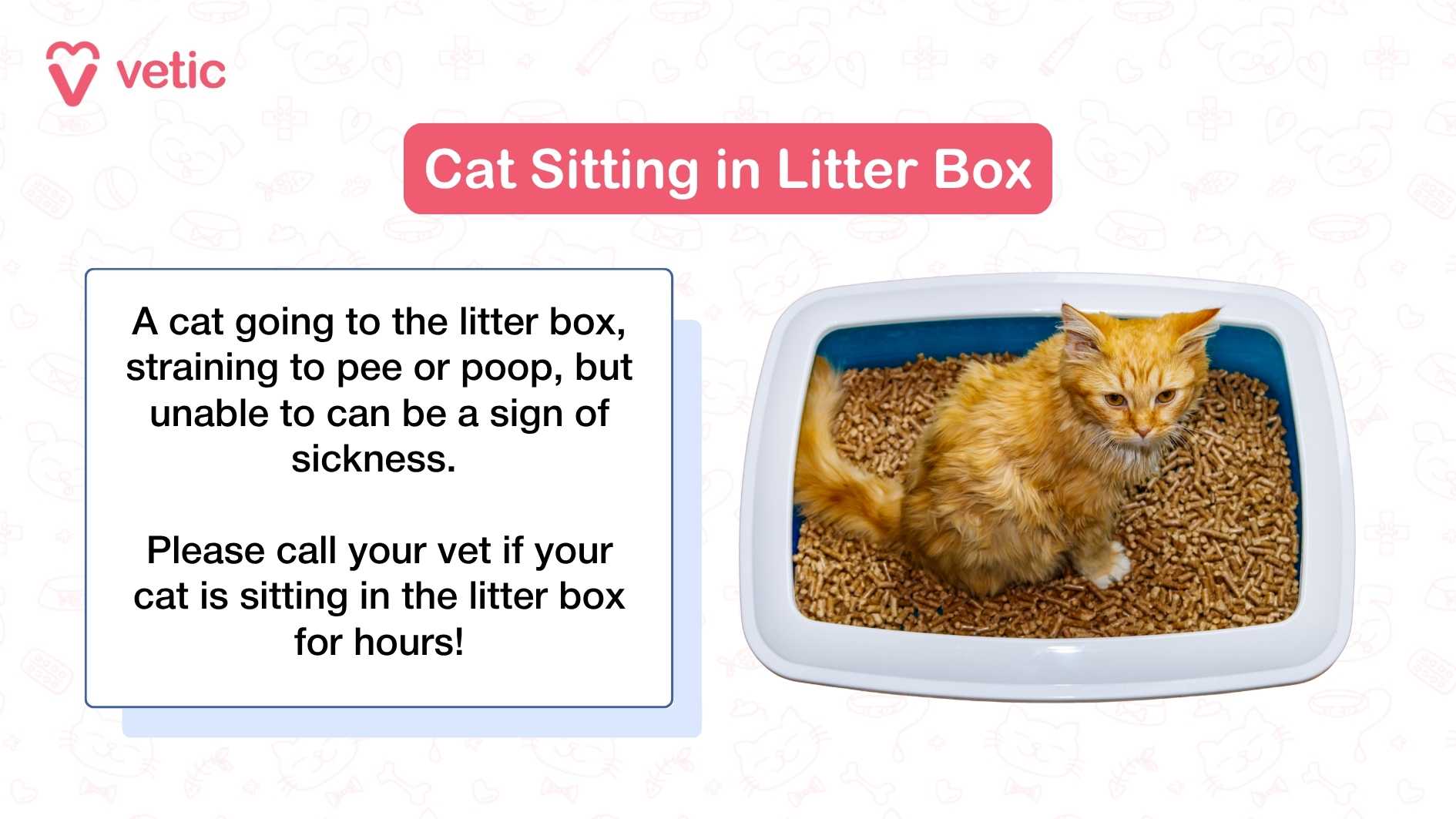
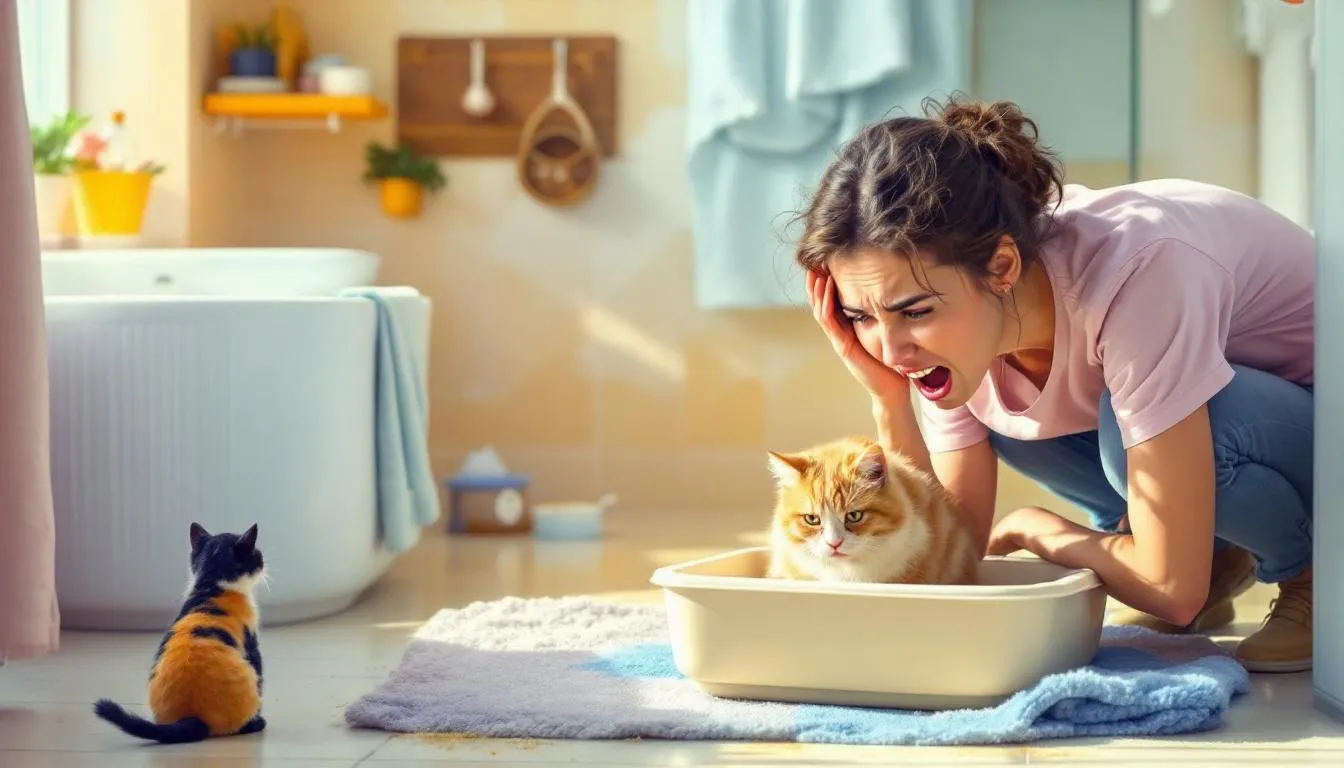
Is your cat suddenly avoiding the litter box? You’re not alone, and it can be frustrating and confusing.
When your furry friend stops using their litter box, it’s more than just a bad habit—it could be a sign of something deeper. You want to understand why this is happening and find a solution that works for both you and your cat.
Keep reading to uncover the common reasons behind this behavior and learn simple, effective ways to get your cat back on track. Your home—and your peace of mind—depends on it.

Credit: www.yahoo.com
Common Reasons Cats Avoid Litter Boxes
Cats often avoid litter boxes due to cleanliness issues or discomfort with the box type. Stress, illness, or changes in their environment can also cause this behavior. Understanding these reasons helps address why a cat is not using its litter box.
Sometimes, cats avoid using their litter boxes, leaving pet owners scratching their heads in frustration. There could be a myriad of reasons behind this behavior, and understanding these can help you address the issue effectively. From health complications to environmental stressors, let’s explore some common reasons why your feline friend might be avoiding their litter box.Health Issues Affecting Litter Box Use
Cats may avoid the litter box if they are experiencing pain or discomfort. Urinary tract infections, kidney stones, and arthritis can make using the box painful. If you notice your cat straining or crying while in the box, a trip to the vet might be necessary.Litter Box Cleanliness Problems
Cats are notoriously clean animals. A dirty litter box might be the simplest explanation for their reluctance. Ensure you scoop the box daily and perform a full clean weekly to keep your cat satisfied.Litter Type And Texture Preferences
Your cat might be picky about the type of litter you use. Some cats prefer clumping litter, while others might like a softer texture. Experiment with different types to find what your cat prefers.Litter Box Location Matters
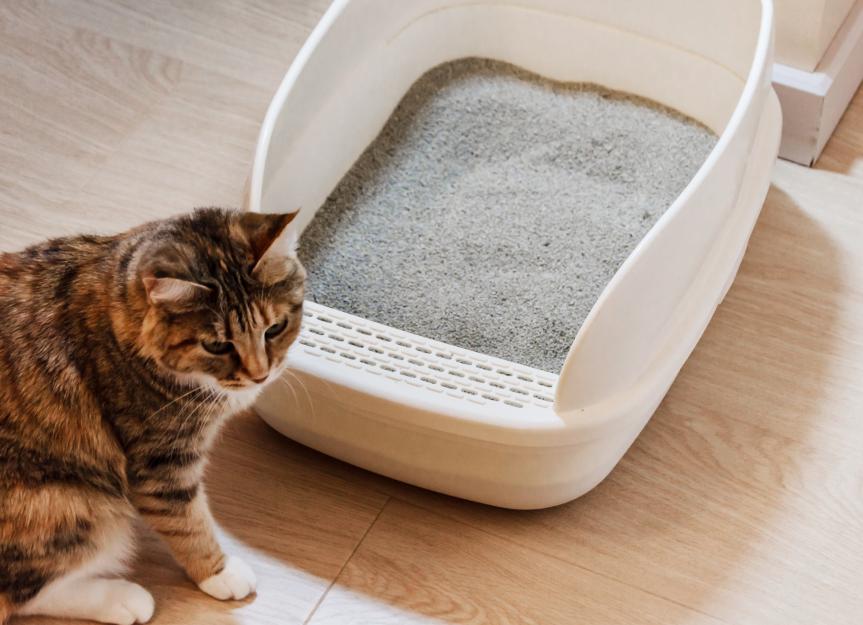
The location of the litter box can greatly affect its usage. Cats need privacy but also easy access. Consider placing the box in a quiet, low-traffic area of your home.Stress And Environmental Changes
Changes in your home environment can stress your cat and lead to litter box avoidance. New pets, moving, or even rearranging furniture can unsettle them. Try to maintain a consistent routine to help your cat feel secure.Territorial Marking And Behavioral Causes
Cats may avoid the litter box if they feel the need to mark their territory. This behavior is common in multi-cat households. Providing multiple litter boxes can help reduce territorial disputes and encourage proper use. Understanding your cat’s behavior requires patience and observation. Which of these factors do you think might be affecting your cat’s litter box habits?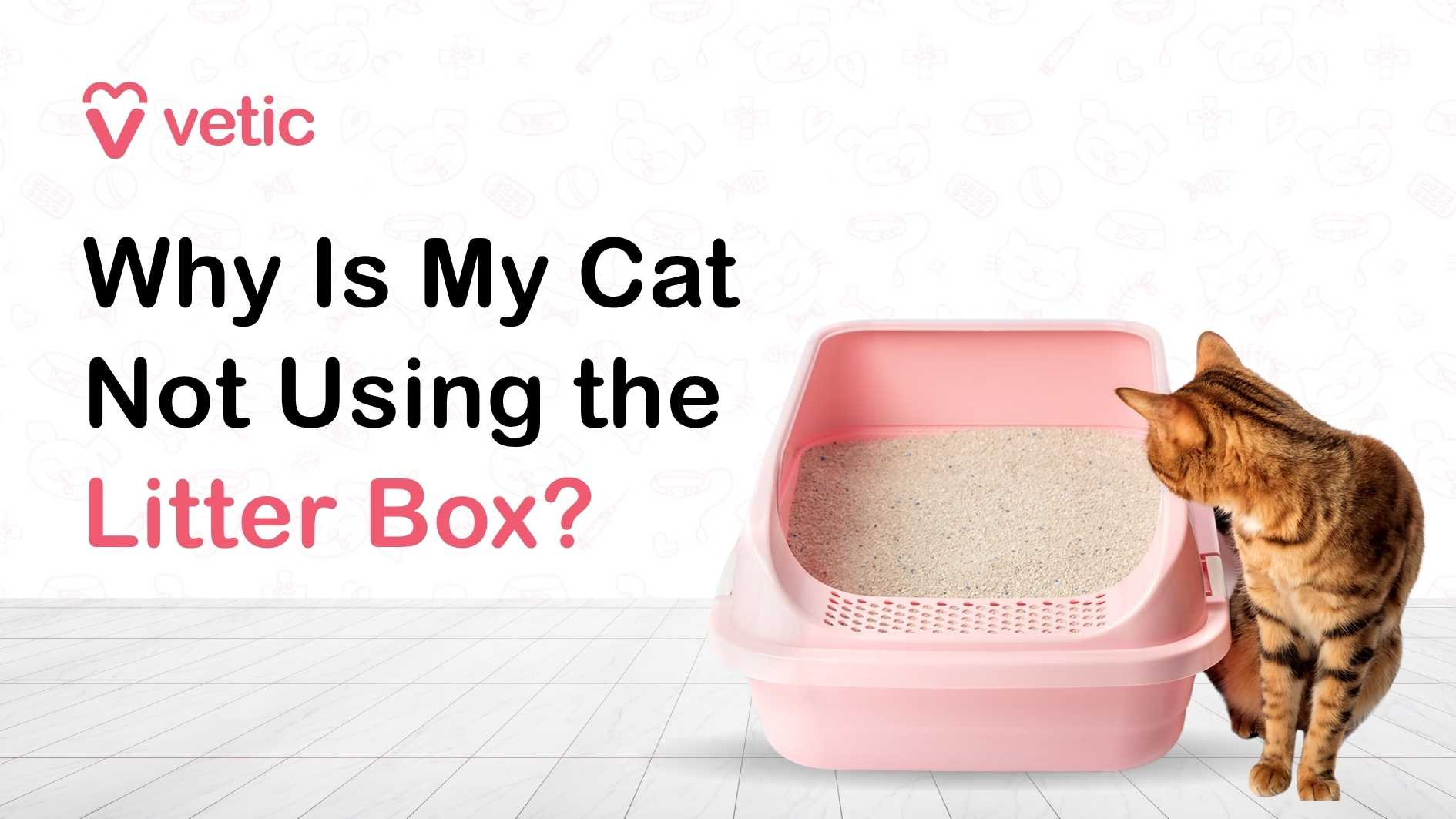
Credit: vetic.in
How Health Problems Impact Bathroom Habits
Health issues can greatly affect your cat’s bathroom habits, making litter box avoidance a sign you shouldn’t ignore. When your cat suddenly stops using the litter box, it might be trying to tell you about discomfort or pain. Understanding the connection between health problems and toileting behavior can help you spot early signs and get your cat the care it needs.
Urinary Tract Infections
Urinary tract infections (UTIs) are a common reason cats avoid the litter box. The infection causes pain and burning during urination, so your cat might try to urinate outside the box to avoid discomfort. You may notice frequent attempts to pee with little success or blood in the urine.
If your cat suddenly changes where it urinates, you should watch closely for these signs and visit your vet. Treating a UTI quickly can prevent more serious complications.
Kidney Disease And Pain
Kidney disease can cause increased thirst and urination, leading your cat to use the litter box more often or sometimes miss it if it struggles to reach the box in time. Pain and discomfort from kidney problems may also make your cat reluctant to move or jump in and out of the box.
Have you noticed your cat drinking more water than usual or seeming lethargic? These clues paired with litter box issues could point to kidney problems that require veterinary attention.
Digestive Disorders
Digestive problems like constipation or diarrhea can disrupt your cat’s bathroom routine. Constipation might make it painful for your cat to defecate, causing it to avoid the litter box. On the other hand, diarrhea can sometimes cause accidents outside the box due to urgency.
If your cat seems uncomfortable or strains in the litter box, or if you find loose stools around the house, it’s time to consult your vet. Adjusting diet and treating digestive issues often improves litter box habits quickly.
Improving Litter Box Conditions
Improving the litter box conditions often solves many problems with cats avoiding their box. Cats are sensitive to their environment. Small changes can make a big difference in their comfort and behavior.
Creating a clean, comfortable, and inviting litter box encourages cats to use it regularly. Understanding their preferences helps prevent accidents and keeps both cat and owner happy.
Choosing The Right Litter
Not all cat litter is the same. Cats prefer soft, fine-grained litter that feels gentle on their paws. Unscented litter often works best because strong smells can repel cats.
Clumping litter makes cleaning easier and helps control odors. Some cats prefer natural or dust-free litter to avoid irritation. Experiment with different types to find your cat’s favorite.
Cleaning Frequency Tips
Regular cleaning is crucial. Scoop waste at least once a day. Cats dislike dirty litter and may avoid a smelly box.
Wash the litter box with mild soap and water once a week. Avoid harsh chemicals that can leave strong odors. Fresh litter improves the box’s appeal and keeps your cat comfortable.
Optimal Box Size And Type
The litter box should be large enough for your cat to turn around easily. A small box feels cramped and uncomfortable. Consider a box at least 1.5 times your cat’s length.
Open boxes offer easy access and good ventilation. Covered boxes provide privacy but may trap odors. Watch your cat’s preference and adjust accordingly. The box’s location also matters—quiet, private spots work best.
Managing Stress To Encourage Litter Use
Stress plays a significant role in why your cat might avoid the litter box. Managing this stress can make a big difference in encouraging your feline friend to use the litter consistently. Understanding how stress affects your cat and taking active steps to reduce it can transform both your pet’s behavior and your daily routine.
Identifying Stress Triggers
Start by observing your cat’s environment closely. Changes like new pets, loud noises, or rearranged furniture can unsettle your cat. Even subtle shifts, like a different cleaning product for the litter box, may cause discomfort.
Ask yourself: Has anything changed in your home recently? Your cat’s stress triggers might be hiding in everyday details you haven’t considered. Spotting these triggers early is key to helping your cat feel safe.
Creating A Calm Environment
Make your cat’s space quiet and predictable. Provide multiple litter boxes in different, low-traffic areas to give your cat options and privacy.
Try to keep feeding, play, and rest times consistent. Soft lighting and cozy spots can also help your cat relax. Have you noticed how your cat responds to gentle routines versus chaotic moments?
Using Pheromone Products
Pheromone sprays and diffusers mimic natural cat calming signals. These products can ease anxiety and encourage normal litter habits.
Place a diffuser near the litter area or spray the box before your cat uses it. Many cat owners report noticeable improvements within days. Could this simple addition be the missing piece in your litter box puzzle?
Behavioral Training And Solutions
Understanding why your cat refuses to use the litter box can feel frustrating. Behavioral training offers practical ways to guide your cat back to good habits without stress for either of you. These solutions focus on positive experiences and clear communication to reshape your cat’s habits effectively.
Positive Reinforcement Techniques
Reward your cat immediately after they use the litter box correctly. This could be with a favorite treat, gentle petting, or enthusiastic praise. Cats respond well to encouragement, so make every success a moment to celebrate.
Consistency is key. Keep treats and praise consistent every time your cat uses the box, and avoid punishment, which can cause fear or confusion. Have you noticed how your cat’s behavior improves with more positive attention?
Redirecting Inappropriate Elimination
If your cat eliminates outside the box, gently redirect them back to the litter box without scolding. Clean the soiled area thoroughly with an enzymatic cleaner to remove odors that might attract repeat accidents.
Try placing a litter box near the problem spot initially. This simple step can help your cat connect the box with the urge to eliminate. Gradually move the box to your preferred location once your cat is consistent.
When To Seek Professional Help
If behavioral adjustments don’t work, it might be time to consult a veterinarian or a cat behaviorist. There could be underlying medical issues or deeper behavioral problems at play.
Do not hesitate to reach out for expert advice if your cat’s litter box avoidance continues. Early intervention can prevent long-term frustration and health issues for both you and your feline friend.
Credit: www.petmd.com
Frequently Asked Questions
Why Is My Cat Avoiding The Litter Box Suddenly?
Cats may avoid the litter box due to stress, illness, or dirty conditions. Check for medical issues and clean the box regularly to encourage use.
How Can I Fix My Cat’s Litter Box Habits?
Ensure the litter box is clean, accessible, and in a quiet area. Use the right litter type and consider multiple boxes for multi-cat homes.
Can Health Problems Cause Litter Box Avoidance?
Yes, urinary tract infections, bladder stones, or pain can cause avoidance. A vet checkup is essential to rule out medical causes.
Does Litter Box Location Affect My Cat’s Behavior?
Yes, cats prefer quiet, private areas for their litter box. Avoid noisy or high-traffic spots to make your cat comfortable using it.
Conclusion
Cats avoid litter boxes for many reasons. Stress, illness, or a dirty box can cause this. Changing the type of litter or box location might help. Keep the litter box clean and quiet. Watch your cat’s behavior closely. Sometimes, a visit to the vet is needed.
Patience and care are key to solving this issue. Your cat will feel better and use the box again. Small changes often make a big difference in habits. Stay calm and give your cat time to adjust.

Leave a Reply