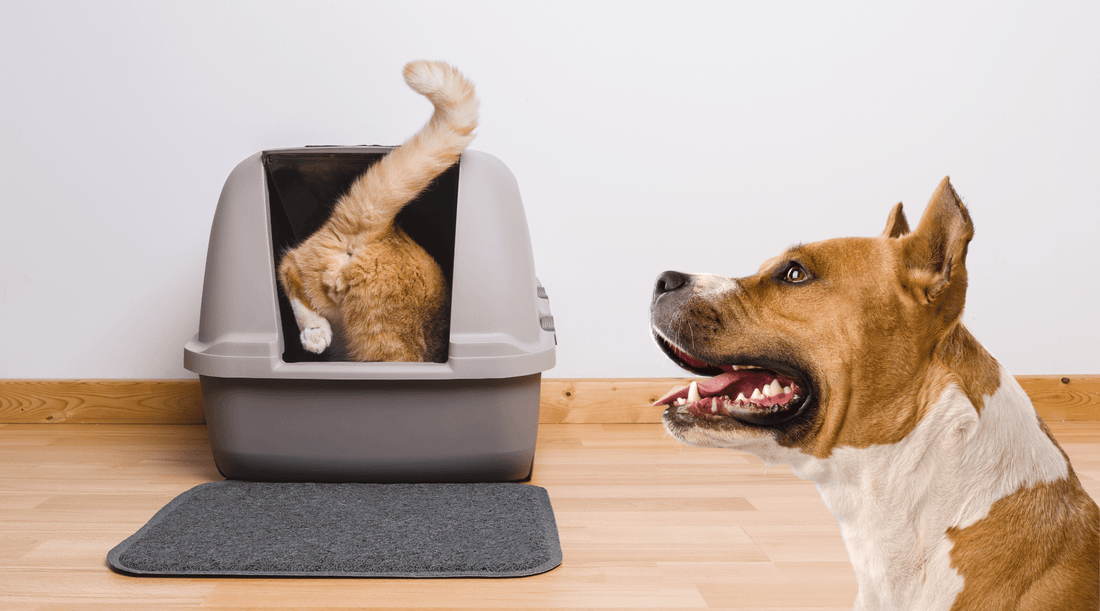
Have you ever caught your dog sneaking into the litter box and eating cat poop? It’s a strange and unpleasant habit that can leave you puzzled and worried.
You might wonder why your dog does this and if it’s harmful. Understanding the reasons behind this behavior is the first step to stopping it. You’ll discover the surprising causes and practical solutions to keep your dog safe and your home clean.
Keep reading—you’ll be glad you did.
Credit: animals.howstuffworks.com
Reasons Behind The Behavior
Dogs eating cat poop from the litter box is a behavior that puzzles many pet owners. Understanding the reasons behind it can help you address the issue effectively. It’s not just about bad habits; there are several factors driving this unusual attraction.
Nutritional Deficiencies
Sometimes, dogs eat cat poop because their diet lacks certain nutrients. Cat feces can contain undigested proteins and fats that appeal to a dog’s nutritional needs.
If your dog’s food doesn’t meet all their dietary requirements, they might seek out alternative sources, including the litter box. Have you noticed if your dog is picky about their food or seems constantly hungry?
Curiosity And Exploration
Dogs use their mouths to explore the world, especially when they’re young or bored. The litter box is just another intriguing place full of new smells and textures for them to investigate.
This behavior can be more common in puppies or dogs left alone for long periods. Are you providing enough mental stimulation and playtime to keep your dog engaged?
Attraction To Smell And Taste
Cat poop has a strong odor that might attract dogs. The smell comes from the cat’s diet and the natural scent markers left in their feces.
Dogs have a powerful sense of smell and may find the scent and taste oddly appealing, even if it seems gross to you. Have you tried using covered litter boxes or odor neutralizers to reduce the temptation?
Health Implications For Dogs
Eating cat poop from the litter box can cause health problems for dogs. Cat feces may contain harmful germs and substances. These can affect your dog’s health in different ways. Understanding these risks helps keep your dog safe and healthy.
Potential Parasites And Infections
Cat poop can carry parasites like roundworms and hookworms. These parasites can infect dogs and cause illness. Bacteria such as E. coli and Salmonella may also be present. These infections can lead to vomiting, diarrhea, and fever.
Digestive Issues
Eating cat feces can upset a dog’s stomach. It may cause diarrhea or constipation. Some dogs might vomit after eating litter box waste. Digestive discomfort can make your dog feel weak or tired.
Toxicity Risks
Cat litter sometimes contains chemicals or clumping agents. These substances can be toxic if swallowed by dogs. Certain medications cats eat may pass through their feces. These medicines might harm dogs if ingested.
Behavioral Causes
Understanding why dogs eat cat poop can be puzzling. Behavioral causes play a significant role. Dogs often exhibit certain behaviors due to underlying reasons. Let’s explore some common behavioral causes.
Boredom And Anxiety
Dogs may eat cat poop out of boredom. Lack of mental stimulation can lead to such behavior. Dogs need activities to keep their minds active. Anxiety can also trigger this behavior. Stressful situations make dogs seek comfort. Eating cat poop becomes a coping mechanism.
Attention-seeking Actions
Dogs crave attention from their owners. Eating cat poop might be their way to get noticed. Owners often react strongly to this behavior. Even negative attention can be rewarding for dogs. They learn that this action gets them noticed.
Learned Habits
Some dogs develop habits based on past experiences. Puppies explore the world using their mouths. They might start eating cat poop as a curious behavior. Over time, it becomes a habit. Dogs continue this behavior even as adults.
Credit: getodie.com
Ways To Prevent The Habit
Stopping dogs from eating cat poop takes patience and consistent effort. Several strategies help reduce this habit effectively. Focus on creating an environment that discourages this behavior while keeping your pets healthy and happy.
Keeping The Litter Box Clean
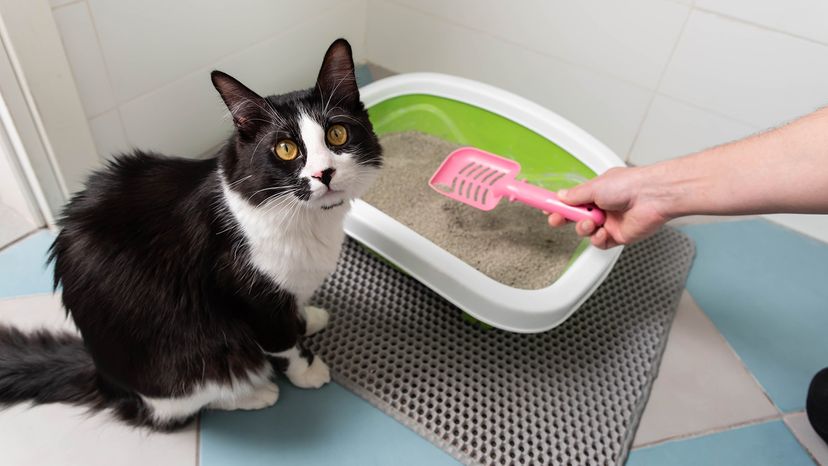
Clean the litter box frequently to remove waste quickly. Dogs are less likely to eat fresh cat poop if the box stays spotless. Scoop at least once a day and change litter regularly. Place the box in a quiet, hard-to-reach spot for your dog. This limits your dog’s access and reduces temptation.
Providing Proper Nutrition
Ensure your dog eats a balanced diet with all essential nutrients. Sometimes, dogs eat cat poop due to nutrient deficiency or boredom. Consult your vet to choose the right food for your dog’s needs. Feeding your dog enough high-quality food reduces cravings for unusual items.
Using Deterrents And Barriers
Use safe deterrents near the litter box to keep your dog away. Bitter sprays or scents dogs dislike can discourage sniffing and eating. Build physical barriers like baby gates or covered litter boxes. These prevent your dog from accessing the cat’s waste area.
Training And Positive Reinforcement
Train your dog to respond to commands like “leave it” or “no.” Reward good behavior with treats and praise. Redirect your dog’s attention when it approaches the litter box. Consistent training helps your dog understand which behaviors are unwanted.
When To Consult A Veterinarian
Recognizing the right moment to seek veterinary advice is crucial. Eating cat poop can sometimes signal deeper problems. Early consultation helps protect your dog’s health and well-being.
Identifying Underlying Health Issues
Dogs may eat cat feces due to nutritional gaps or digestive problems. Conditions like enzyme deficiencies, parasites, or diabetes can cause unusual eating habits. A vet can perform tests to find hidden illnesses. Treating these conditions often stops the behavior.
Behavioral Therapy Options
Sometimes, the habit stems from boredom or anxiety. A veterinarian can suggest behavior modification techniques. These include training, environmental enrichment, and stress reduction. Professional help ensures the dog learns better habits safely and effectively.
Credit: animals.howstuffworks.com
Frequently Asked Questions
Why Do Dogs Eat Cat Poop From Litter Boxes?
Dogs eat cat poop because it contains undigested nutrients. Their natural curiosity and scavenging instincts also drive this behavior. Sometimes, they seek extra protein or are bored. Understanding these reasons helps address and prevent this habit effectively.
Is Eating Cat Poop Harmful To Dogs?
Yes, eating cat poop can be harmful. It may contain parasites, bacteria, or toxins. These can cause digestive issues or infections in dogs. It is important to discourage this behavior to protect your dog’s health.
How Can I Stop My Dog From Eating Cat Poop?
Keep the litter box in a dog-proof area or use a covered box. Clean it frequently to reduce temptation. Training your dog with commands and providing distractions can also help prevent this habit.
Does Eating Cat Poop Indicate A Nutritional Deficiency?
Sometimes, dogs eat cat poop due to nutritional deficiencies. They might seek missing vitamins or minerals. However, it can also stem from boredom or habit. Consult a vet to rule out health issues if this behavior persists.
Conclusion
Dogs eating cat poop can seem strange but has simple reasons. Curiosity, boredom, or nutrition needs often lead them there. Cleaning the litter box quickly helps stop this habit. Providing enough food and toys keeps dogs busy and happy. Watch your pets closely to keep them safe and healthy.
Understanding this behavior helps improve your pets’ well-being. Small changes can make a big difference in their habits. Stay patient and consistent for best results. Caring for your pets means knowing their little quirks well.

Leave a Reply