
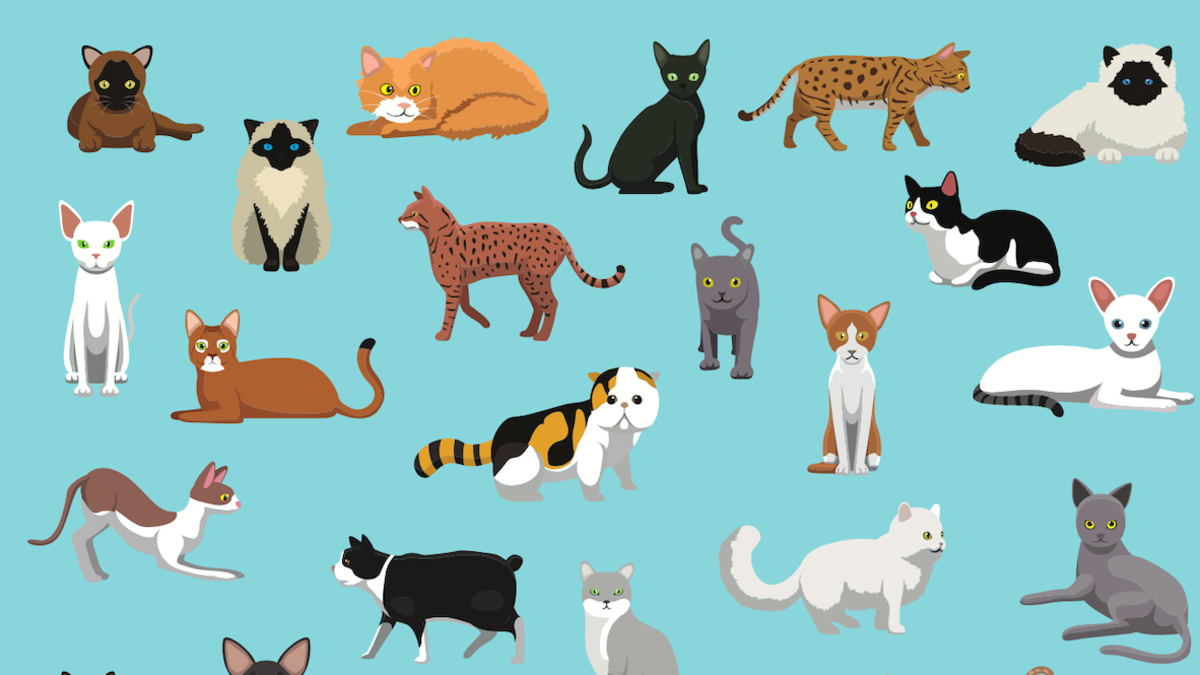
Have you ever wondered just how many different types of cat breeds exist? Whether you’re thinking about adding a furry friend to your home or you’re simply curious about these fascinating creatures, understanding the variety of cat breeds can surprise and delight you.
From fluffy and playful to sleek and mysterious, each breed has its own unique charm. Keep reading, and you’ll discover which breeds might match your personality and lifestyle perfectly. This guide will help you see cats in a whole new light.

Credit: www.rd.com
Cat Breed Categories
Cats come in many different breeds, grouped into clear categories. These categories help us understand their origins, traits, and care needs. Cat breeds fall mainly into three groups: pedigree cats, non-pedigree cats, and hybrid breeds. Each group has unique features and histories. Knowing these categories makes choosing a cat easier and more fun.
Pedigree Cats
Pedigree cats have a documented family tree. They belong to recognized breeds with specific features. Breeders carefully select parents to keep traits pure. Examples include Siamese, Persian, and Maine Coon. These cats often have unique looks and behaviors. They usually need special care and grooming.
Non-pedigree Cats
Non-pedigree cats are also called domestic or moggies. They do not belong to any official breed. Their ancestry is mixed or unknown. These cats come in many shapes, sizes, and colors. They are healthy, friendly, and popular as pets. Non-pedigree cats adapt well to different homes.
Hybrid Breeds
Hybrid breeds come from crossing wild cats with domestic ones. Breeders aim to combine wild traits with friendly nature. Examples include the Bengal and Savannah cats. These cats look exotic and have strong personalities. Hybrid cats need special care and space. They are not for everyone but attract cat lovers seeking something unique.
Popular Cat Breeds
Cats come in many shapes, sizes, and personalities. Some breeds are well-known for their unique looks and friendly nature. These popular cat breeds attract many cat lovers worldwide. Each breed has special traits that make them stand out. Learning about these breeds helps in choosing the right pet for your home.
Siamese
The Siamese cat is famous for its striking blue eyes and sleek body. It has short fur and a pointed color pattern on its ears, face, paws, and tail. Siamese cats are very vocal and enjoy being around people. They are playful and intelligent, making them great companions.
Maine Coon
Maine Coons are one of the largest domestic cat breeds. They have thick, long fur and tufted ears. This breed is known for its friendly and gentle nature. Maine Coons love to play and often act like dogs. They are good with children and other pets.
Persian
Persian cats have long, luxurious coats and flat faces. They are calm and enjoy relaxing in quiet places. This breed needs regular grooming to keep its fur clean and tangle-free. Persians are affectionate and like to be pampered by their owners.
Bengal
Bengal cats look wild with their leopard-like spots and marbled fur. They are very active and love to climb and explore. Bengals are smart and curious, needing lots of playtime. They form strong bonds with their families and enjoy attention.
Sphynx
The Sphynx cat is unique because it has little to no fur. This breed feels warm and soft to touch. Sphynx cats are very social and love to cuddle. They need regular baths to keep their skin clean. These cats are playful and full of energy.
Rare And Exotic Breeds
Rare and exotic cat breeds captivate many cat lovers. These breeds stand out because of their unique looks and origins. They often have unusual features or histories that make them special. Many of these cats are hard to find and can be true treasures for collectors and enthusiasts.
These breeds often come from distant places or have rare genetic traits. They may have different coat colors, shapes, or personalities. Their rarity makes them interesting to learn about and admire.
Khao Manee
The Khao Manee is a rare breed from Thailand. It has a pure white coat and striking eyes. Some Khao Manee cats have one blue eye and one gold eye, a trait called heterochromia. This breed is known for its playful and affectionate nature. It is often called the “Diamond Eye” cat because of its bright eyes.
Peterbald
The Peterbald originated in Russia and has a unique look. It can have a hairless or short coat. Its body is slim and elegant, with large ears and almond-shaped eyes. The Peterbald is friendly and social. It enjoys being around people and other pets. This breed is perfect for those who want a cat with a modern appearance.
Kurilian Bobtail
The Kurilian Bobtail comes from the Kuril Islands between Russia and Japan. It is famous for its short, bobbed tail that looks like a pom-pom. This breed has a strong, muscular body and thick fur. Kurilian Bobtails are good hunters and very intelligent. They are loyal and form strong bonds with their owners.

Credit: www.amazon.ca
Breed Recognition By Cat Associations
Cat breeds are diverse, each with unique traits and characteristics. Breed recognition by cat associations is crucial. These organizations set standards for cat breeds. Different associations recognize various breeds. This recognition helps in the classification and promotion of cat breeds.
Cfa Recognized Breeds
The Cat Fanciers’ Association (CFA) is a prominent cat registry. They recognize 44 cat breeds. Some popular ones include the Persian, Maine Coon, and Siamese. The CFA has strict guidelines for breed recognition. These guidelines ensure the quality and preservation of each breed.
Tica Recognized Breeds
The International Cat Association (TICA) recognizes more breeds than CFA. They recognize 71 cat breeds. TICA includes newer breeds like the Bengal and Savannah. Their flexible approach welcomes diversity in cat breeds. TICA’s recognition helps in promoting lesser-known breeds.
Fife Recognized Breeds
The Fédération Internationale Féline (FIFe) is a European cat association. They recognize 48 cat breeds. Breeds like the Norwegian Forest Cat and British Shorthair are included. FIFe’s standards are respected globally. Their recognition aids in maintaining breed standards.
Physical Traits Across Breeds
Cats come in a wide variety of physical traits that make each breed unique. These traits include coat patterns, colors, size, build, and eye colors. Each feature can differ greatly, even among cats of the same breed. This diversity makes exploring cat breeds fascinating.
Coat Patterns And Colors
Cat coats show many patterns and colors. Some breeds have solid coats, while others display stripes, spots, or patches. Common patterns include:
- Tabby: stripes or swirls in shades of brown, gray, or orange
- Calico: large patches of white, black, and orange
- Tortoiseshell: mixed black and orange, often with little white
- Pointed: lighter body with darker ears, face, paws, and tail
Colors range from pure white and black to shades of gray, cream, red, and blue. Coat length also varies, with short-haired and long-haired breeds.
Size And Build Variations
Cat breeds differ in size and body shape. Some are small and slender, while others are large and muscular. For example:
- Siamese cats are slim and graceful.
- Maine Coons are large with broad chests and thick fur.
- British Shorthairs have round faces and stocky bodies.
These size and build differences affect a cat’s movement and energy levels.
Eye Colors
Eye color varies widely among cat breeds. Common colors include green, blue, yellow, and copper. Some cats even have two different eye colors, called heterochromia.
Eye color can enhance a cat’s overall appearance and often complements its coat color. For example, blue eyes are common in pointed breeds like the Siamese.
Temperament Differences
Cat breeds differ not only in looks but also in temperament. Understanding these differences helps in choosing the right cat for your home. Temperament affects how cats interact with people and other pets. Some cats love to play and stay active. Others seek cuddles and affection. Some prefer to be left alone more often. Let’s explore these temperament groups.
Playful Breeds
Playful cats enjoy toys and games. They stay active and curious throughout the day. These cats need mental and physical exercise to stay happy. Examples include breeds like the Abyssinian and Bengal. They often chase balls, pounce, and climb. Playful cats make great companions for families with children.
Affectionate Breeds
Affectionate cats love being close to their humans. They often seek attention and enjoy petting. These breeds may follow you from room to room. Ragdolls and Siamese cats are well known for their loving nature. They often purr loudly and snuggle on laps. Affectionate cats thrive on companionship and bonding.
Independent Breeds
Independent cats prefer spending time alone. They may enjoy brief moments of play but value their space. Breeds like the Russian Blue and Scottish Fold tend to be more reserved. These cats do not demand constant attention. They are low-maintenance and adapt well to quiet homes. Independent cats suit owners who want a calm pet.
Choosing The Right Breed
Choosing the right cat breed can shape your experience as a cat owner. Each breed carries unique traits that may or may not fit your daily routine, living space, and even health considerations. Spending time thinking about what suits your lifestyle can save you from future challenges and deepen your bond with your feline friend.
Lifestyle Considerations
Ask yourself how much time you can dedicate to your cat daily. Active breeds like the Abyssinian or Bengal need plenty of playtime and mental stimulation. If you prefer a more relaxed companion, breeds like the British Shorthair or Persian might be better.
Consider your living environment too. Larger breeds or those with high energy may struggle in small apartments. Do you travel often? Some cats tolerate being alone better than others.
Allergy-friendly Breeds
If allergies are a concern, certain breeds can help reduce sneezing and itching. Cats like the Siberian, Balinese, or Sphynx are known for producing fewer allergens. However, no cat is 100% hypoallergenic, so spending time with a breed before adopting is wise.
Think about how sensitive you or your family members are. Sometimes, grooming habits and cleaning routines play a bigger role in managing allergies than breed alone.
Care Requirements
Different breeds come with different grooming and health needs. Long-haired cats like the Maine Coon need regular brushing to avoid mats and hairballs. Short-haired breeds usually require less maintenance but may have specific health issues to watch for.
Consider your willingness to commit to these tasks. Are you prepared to handle regular vet visits, grooming sessions, or special diets? Matching your commitment level with the breed’s needs can lead to a happier home for both of you.
Credit: paradepets.com
Frequently Asked Questions
How Many Cat Breeds Exist Worldwide?
There are approximately 70 to 100 recognized cat breeds globally. Different cat associations may recognize varying numbers based on breed standards and classifications.
What Are The Most Popular Cat Breeds?
Popular breeds include Persian, Siamese, Maine Coon, Ragdoll, and Bengal. These breeds are loved for their unique looks and friendly temperaments.
How Are New Cat Breeds Developed?
New breeds develop through selective breeding to emphasize specific traits. Breeders focus on appearance, behavior, and health to create distinct breeds over time.
Do Cat Breeds Differ In Personality?
Yes, cat breeds often have unique personality traits. Some breeds are more affectionate, playful, or independent, influencing their suitability as pets.
Conclusion
Cats come in many breeds, each with its own charm and traits. From fluffy Persians to sleek Siamese, the variety is vast. Knowing about these breeds helps you appreciate cats more. Every breed has unique looks and personalities. Whether you want a playful kitten or a calm companion, there is a cat breed for you.
Exploring different breeds can be fun and rewarding. Cats bring joy and comfort to many homes worldwide. The world of cats is rich and full of surprises.



Leave a Reply