
Have you ever wondered if your cat really enjoys those noisy toys you bring home? You might think that sounds excite your furry friend, but the truth isn’t always that simple.
Understanding what truly grabs your cat’s attention can make playtime more fun and keep your pet happier. Keep reading to discover whether sound-making toys are a hit or miss for your cat—and how you can choose the best toys to spark their natural curiosity.

Credit: www.goodhousekeeping.com
Cats And Sound Sensitivity
Cats rely heavily on their sense of hearing. Sound plays a big role in their daily lives. It helps them detect prey, avoid danger, and communicate. Understanding cats’ sound sensitivity helps explain their reactions to toys that make noise. Some cats love noisy toys, while others may avoid them. Their response depends on how they hear and what sounds attract them.
How Cats Hear
Cats have sharp hearing, better than humans. They can hear sounds from 45 Hz up to 64,000 Hz. Humans only hear up to 20,000 Hz. Cats use their ears to locate sounds quickly. Their ears can turn 180 degrees to catch sounds from all sides. This helps cats find small animals hiding nearby. The sensitivity also means loud or sudden noises can scare them easily.
Common Sounds That Attract Cats
Cats are drawn to sounds that remind them of prey or play. These sounds include:
- High-pitched squeaks similar to small rodents
- Rustling noises like leaves or paper
- Soft chirping or bird calls
- Gentle jingling or bell sounds
Toys that mimic these noises often catch a cat’s attention. Quiet or soft sounds usually work better than loud ones. Each cat has unique preferences. Observing your cat’s reactions helps find the best sound toys for them.
Types Of Sound Toys For Cats
Sound toys can capture your cat’s attention in unique ways. Different types of sound toys offer varied experiences, which can keep your feline friend curious and engaged. Understanding these types helps you choose what fits your cat’s personality best.
Interactive Sound Toys
Interactive sound toys respond to your cat’s actions, making playtime feel like a game. For example, some toys produce chirps or squeaks when your cat bats or paws at them. This immediate feedback encourages your cat to keep playing and exploring.
These toys often combine sound with movement, like a ball that rolls and makes noise as it moves. This appeals to your cat’s hunting instincts and keeps their mind sharp. Have you noticed how your cat reacts differently when a toy makes a sound compared to when it doesn’t?
Electronic Vs. Manual Sound Toys
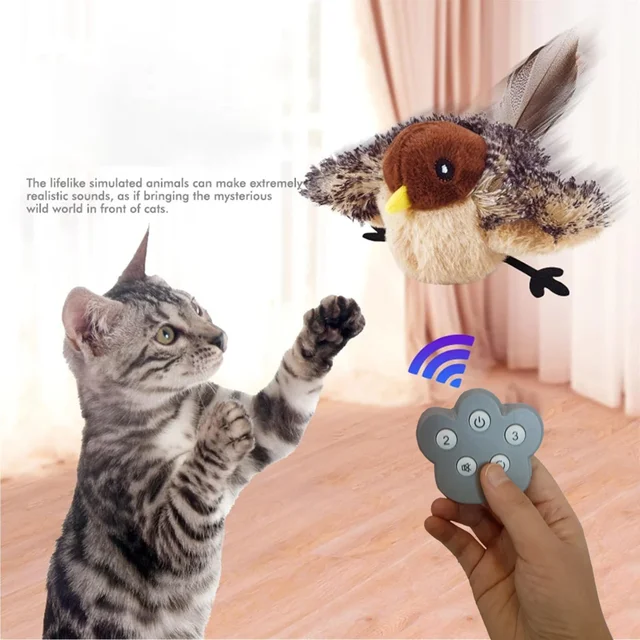
Electronic sound toys use batteries or sensors to produce sounds automatically or when triggered. They can mimic prey noises, like birds or mice, which can excite your cat. However, some cats may find the unpredictable sounds overwhelming.
Manual sound toys, on the other hand, require you to create the noise, such as shaking a rattle or pressing a squeaker. This allows you to control the timing and tone, making play more interactive between you and your cat. Which do you think suits your cat’s play style more—an automatic surprise or a sound you create together?
Why Some Cats Prefer Sound Toys
Cats often show a clear preference for toys that make sounds. These toys catch their attention quickly. The noises mimic the sounds of prey or other animals. This triggers their natural curiosity and playfulness. Some cats find silent toys boring. Sound toys add an exciting layer to their playtime. They react more eagerly to chirps, squeaks, or crinkles. This section explores why some cats prefer sound toys.
Stimulating Hunting Instincts
Sound toys simulate real-life hunting scenarios. Cats hear noises similar to small animals moving. This activates their natural hunting instincts. The sounds make play feel more like a chase. Cats get a chance to practice their stalking skills. It keeps their instincts sharp and alive. The unpredictable noises encourage cats to pounce and explore. This makes playtime more rewarding and fun.
Engagement And Mental Exercise
Sound toys keep cats mentally active and engaged. The noises spark curiosity and problem-solving efforts. Cats try to locate the source of the sound. This challenge boosts their cognitive skills. Playing with sound toys prevents boredom and stress. It helps reduce destructive behavior from inactivity. The variety of sounds keeps cats interested longer. This mental exercise is important for indoor cats especially.

Credit: www.doba.com
Cats That Avoid Sound Toys
Not all cats enjoy toys that make sounds. Some cats avoid these toys completely. Their reactions can surprise many cat owners. Understanding why helps in choosing the right toys for your feline friend.
Fear Or Anxiety Triggers
Sound toys can scare some cats. Loud or sudden noises may cause stress. Cats are sensitive to sounds in their environment. Unfamiliar noises might feel threatening to them.
This fear can make cats hide or run away. Some cats show signs of anxiety like trembling or hissing. Avoiding sound toys helps them feel safer and calmer.
Individual Personality Differences
Each cat has its own personality. Some are bold and curious. Others are shy and cautious. Personality affects how cats react to sound toys.
Play preferences vary widely among cats. Some love noisy toys for stimulation. Others prefer quiet toys or soft textures. Respecting these differences improves their playtime experience.
Choosing The Right Sound Toy
Cats often enjoy toys that make sounds, as these can spark their natural hunting instincts. Choosing toys with soft, gentle noises helps keep their interest without causing stress. Observing your cat’s reaction to different sounds guides the best toy choice.
Choosing the Right Sound Toy Cats love toys that make sounds. But not every sound toy suits every cat. Picking the right one involves considering your cat’s needs and safety. Let’s explore how to choose the perfect sound toy for your feline friend.Age And Energy Levels
Kittens have lots of energy. They enjoy toys that chirp or jingle. Older cats might prefer softer, soothing sounds. Observe your cat’s behavior. Do they pounce often or take long naps? This can guide your choice. An energetic cat might enjoy a toy that squeaks when batted. A less active cat might prefer a gentle bell sound.Safety Considerations
Safety is crucial with sound toys. Ensure there are no small parts your cat can swallow. Check for secure stitching. Avoid toys with sharp edges. Some sound toys use batteries. Ensure the battery compartment is secure. Choose durable toys that can withstand rough play. Always supervise your cat with new toys. This ensures they are safe and enjoying themselves.Tips To Introduce Sound Toys
Introducing sound toys to your cat can be an exciting way to boost their playtime. However, not every feline welcomes sudden noises right away. To make this experience positive, you need a gentle approach and close attention to your cat’s behavior.
Slow Introduction Techniques
Start by letting your cat see and sniff the toy without turning on the sound. This helps them get familiar with the new object in their space.
Next, activate the sound quietly from a distance. You might notice your cat’s curiosity or hesitation—both are normal reactions.
- Keep the volume low initially to avoid startling your cat.
- Gradually bring the toy closer during play sessions.
- Mix sound toys with your cat’s favorite silent toys to balance excitement and comfort.
Do you notice your cat approaching the toy more confidently after each session? That’s a good sign they’re warming up to the new plaything.
Observing Cat Reactions
Watch your cat’s body language closely. Are their ears forward, tail relaxed, and eyes bright? These show interest and enjoyment.
On the other hand, if your cat freezes, hides, or swats at the toy aggressively, it might be too much for them right now.
| Positive Signs | Negative Signs |
|---|---|
| Purring or gentle pawing | Hissing or growling |
| Playful chasing or batting | Running away or hiding |
| Relaxed posture and blinking | Ears flattened or tail twitching |
Have you ever seen your cat’s reaction change after repeated exposure to a sound toy? Sometimes patience reveals hidden preferences you didn’t expect.
Alternatives To Sound Toys
Not all cats enjoy toys that make sounds. Some cats find noise stressful or distracting. Alternatives to sound toys can keep your cat happy and entertained without loud noises. These toys focus on texture, movement, and interaction. They can provide fun and exercise while being gentle on your cat’s sensitive ears.
Silent Toys That Engage
Silent toys stimulate your cat’s senses without noise. Many cats love toys with interesting textures. Soft plush toys, crinkly fabric, or rubbery surfaces attract attention. Toys that move or roll gently also engage cats. Balls, feather wands, and laser pointers encourage play without sound. These toys help cats stay active and curious.
- Feather wands for chasing and pouncing
- Soft balls that roll easily
- Crinkly fabric toys for gentle rustling
- Rubber mice for chewing and carrying
- Laser pointers for quick, silent movement
Diy Toy Ideas
Homemade toys offer fun and low-cost options. Simple materials around the house can become exciting toys. Cardboard boxes and paper bags make great hideouts. Crumpled paper balls invite batting and chasing. String or yarn can become interactive toys when supervised. Homemade toys stimulate creativity and strengthen your bond.
- Cardboard boxes for hiding and jumping
- Crumpled paper balls for batting
- Paper bags for exploring and hiding
- String or yarn for gentle tug play
- Toilet paper rolls filled with treats
Credit: www.aliexpress.com
Frequently Asked Questions
Do Cats Enjoy Toys That Make Sounds?
Many cats are attracted to toys that produce sounds. Sounds stimulate their hunting instincts and keep them engaged. However, individual preferences vary, so some cats might prefer silent toys.
What Types Of Sound Toys Do Cats Prefer?
Cats often enjoy toys with crinkling, jingling, or squeaking sounds. These noises mimic prey, triggering their natural curiosity and playfulness. Soft, interactive sounds usually work best.
Can Sound Toys Cause Stress In Cats?
Loud or sudden noises from toys can sometimes stress sensitive cats. It’s best to observe your cat’s reaction and avoid overly loud or harsh sounds to keep playtime enjoyable.
How Do Sound Toys Benefit A Cat’s Health?
Sound toys encourage physical activity and mental stimulation. They help reduce boredom and anxiety, promoting overall well-being. Engaging toys can improve a cat’s mood and fitness.
Conclusion
Cats often enjoy toys that make sounds. These toys catch their attention quickly. Sounds can spark their natural hunting instincts. Not every cat likes noisy toys, though. Some prefer quiet or soft toys instead. Watch your cat’s reaction to find out.
Choosing the right toy helps keep cats happy. Playtime with sound toys can strengthen your bond. Try different toys to see what excites your cat most. Keep play sessions short and fun for best results. Toys with sounds add variety to your cat’s day.



Leave a Reply