
Have you ever watched your cat carefully licking its fur and wondered, “Do cats groom their butt too?” It’s a question that might seem a little funny, but it’s actually important for your cat’s health and comfort. If you want to understand how your feline friend keeps clean and what their grooming habits mean for you, keep reading.
By the end, you’ll know exactly why your cat spends time on those hard-to-reach spots—and what you can do to help if needed. Let’s dive in!
Cat Grooming Habits
Cats are known for their fastidious grooming habits. They spend a lot of time cleaning themselves to stay healthy and comfortable. Grooming helps cats remove dirt, loose fur, and parasites. It also keeps their skin and coat in good condition. Understanding where and how often cats groom reveals much about their behavior.
Common Grooming Areas
Cats clean many parts of their body carefully. Their tongue is rough, perfect for catching loose fur and dirt. They focus on:
- Face and head, especially around the eyes and ears
- Neck and chest areas
- Legs and paws
- Back and sides
- Tail and base of the tail
These spots get the most attention as cats remove oils and dirt. Cats also groom their hindquarters, including the area near their anus. It helps keep them clean and prevents irritation.
Frequency Of Grooming
Cats groom themselves several times a day. On average, they spend up to 50% of their waking hours grooming. Younger cats often groom more than older ones. Stress or illness can change how often they clean themselves. Regular grooming helps cats cool down and relax. It also strengthens bonds when cats groom each other.

Credit: www.youtube.com
Butt Grooming Behavior
Cats are very clean animals. They spend a lot of time grooming themselves, including their rear areas. This behavior helps keep them healthy and comfortable. Grooming their butt is a natural and important habit for cats.
Why Cats Groom Their Rear
Cats groom their rear to stay clean and avoid infections. The area around their anus can collect dirt, debris, and waste. Cleaning helps prevent bad smells and skin problems. It also reduces the chance of attracting insects or parasites.
Grooming this area supports good hygiene. It keeps the fur smooth and free from mats. Cats also remove any leftover food or litter stuck near their rear. This keeps them feeling fresh and healthy.
Techniques Cats Use
Cats use several ways to clean their rear area. Their tongue plays a key role. It has tiny, rough structures called papillae that work like a brush.
- They turn around and bend their bodies to reach the rear.
- The tongue scrapes and licks the fur and skin gently.
- Sometimes cats use their front paws to wipe or rub the area.
- They may also use their teeth to remove tough dirt or mats.
This combination of licking, scratching, and biting keeps their rear clean. Cats do this regularly to maintain comfort and hygiene.
Health Benefits Of Grooming
Cats groom themselves for many health reasons. Grooming keeps their bodies clean and helps avoid illnesses. It is a natural way for cats to stay healthy and comfortable. Their careful licking includes all body parts, even the areas around their butt. This behavior plays a big role in their overall well-being.
Hygiene And Cleanliness
Cats use their tongues to remove dirt and waste from their fur. This keeps their skin clean and free from irritants. Grooming the butt area prevents buildup of feces and smells. It helps cats stay fresh and reduces the chance of attracting pests. Clean fur also lowers the risk of matting and skin problems.
Preventing Infections
Regular grooming removes bacteria and parasites that cause infections. Licking the butt area helps stop germs from spreading. This is important because the area is close to the anus and can harbor harmful microbes. Grooming keeps the skin healthy and reduces inflammation. It supports the immune system by limiting exposure to harmful agents.
When Grooming Becomes A Problem
Cats are known for their grooming habits. They often clean every part of their body, including their behind. But sometimes, grooming can become a problem. This occurs when a cat grooms excessively. It can lead to health issues and discomfort. Understanding the signs of overgrooming and the potential health problems is crucial for cat owners.
Overgrooming Signs
Recognizing overgrooming can help prevent further issues. Look for these signs:
- Thinning fur or bald spots
- Red or irritated skin
- Frequent licking or biting specific areas
- Changes in grooming habits
These signs can indicate a problem. It’s important to observe your cat’s behavior closely.
Possible Health Issues
Excessive grooming may signal health problems. Common issues include:
- Allergies causing itchiness
- Parasites like fleas or ticks
- Skin infections or irritations
- Stress or anxiety
If you notice these signs, consult a veterinarian. Early intervention can prevent serious complications.
How Owners Can Help
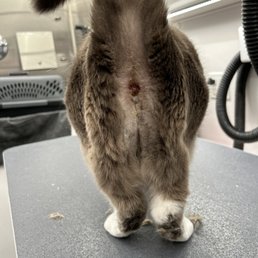
Cats groom themselves regularly, but sometimes they need extra help. Owners can support their cats’ hygiene to keep them healthy and comfortable. This is especially true for older cats or those with health issues. Paying attention to cleanliness around the rear area prevents infections and odors. Gentle care and observation make a big difference in a cat’s well-being.
Regular Cleaning Tips
- Use a soft, damp cloth to gently clean around the anus.
- Trim excess fur near the rear to avoid matting and dirt buildup.
- Check for stuck feces or debris after litter box use.
- Bathtub wipes made for cats can be helpful for spot cleaning.
- Maintain a clean litter box to reduce mess on your cat’s fur.
- Be gentle and calm to avoid stressing your cat during cleaning.
When To See A Vet
- Notice persistent dirt or bad smells around the rear.
- Watch for signs of irritation, redness, or swelling.
- Look for excessive licking or biting of the area.
- Observe changes in your cat’s bathroom habits.
- Seek help if your cat shows pain or discomfort.
- Consult a vet if grooming problems last more than a few days.

Credit: www.rover.com
Credit: m.yelp.com
Frequently Asked Questions
Do Cats Groom Their Butt Regularly?
Yes, cats groom their butt regularly. It helps them stay clean and prevents infections. Their flexible bodies allow easy access.
Why Do Cats Lick Their Rear End?
Cats lick their rear end to clean it and remove dirt or waste. This behavior is natural and essential for hygiene.
Can Cats Over-groom Their Butt Area?
Yes, cats can over-groom their butt if stressed or irritated. Over-grooming may indicate allergies, parasites, or infections needing vet attention.
Is It Normal For Cats To Use Their Tongue For Grooming?
Absolutely. Cats use their rough tongues to groom efficiently. Their tongues help remove dirt and loose fur, keeping them clean.
Conclusion
Cats clean their bodies carefully, including their rear areas. This grooming helps them stay healthy and avoid infections. Sometimes, they may need extra help if they cannot reach certain spots. Watching a cat groom shows how natural and important this behavior is.
Understanding this can help you care for your pet better. Keep an eye on your cat’s grooming habits for any changes. Healthy grooming means a happy cat. Simple care makes a big difference.

Leave a Reply