
Have you ever wondered if some cat breeds naturally keep their teeth healthier and stronger than others? If you’re a cat owner or thinking about becoming one, knowing which breeds might have an edge when it comes to dental health can save you time, money, and worry.
Your cat’s smile isn’t just cute—it’s a window into their overall well-being. You’ll discover surprising facts about cat breeds and their teeth, helping you make smarter choices for your furry friend’s health. Keep reading to learn what every cat lover needs to know!
Cat Teeth Basics
Cats have unique teeth that help them eat and stay healthy. Understanding their teeth is important for good care. Cat teeth differ from human teeth in shape and number. They use their teeth for biting, chewing, and grooming. Knowing the basics of cat teeth helps spot problems early.
Types Of Cat Teeth
Cats have four main types of teeth. Each type has a special job.
- Incisors:Small teeth at the front. Used for nibbling and grooming.
- Canines:Long, sharp teeth. Help catch and hold prey.
- Premolars:Located behind canines. Used for cutting and tearing food.
- Molars:Found at the back. Help grind food before swallowing.
Adult cats usually have 30 teeth. Their teeth are sharp and pointed.
Normal Tooth Loss In Cats
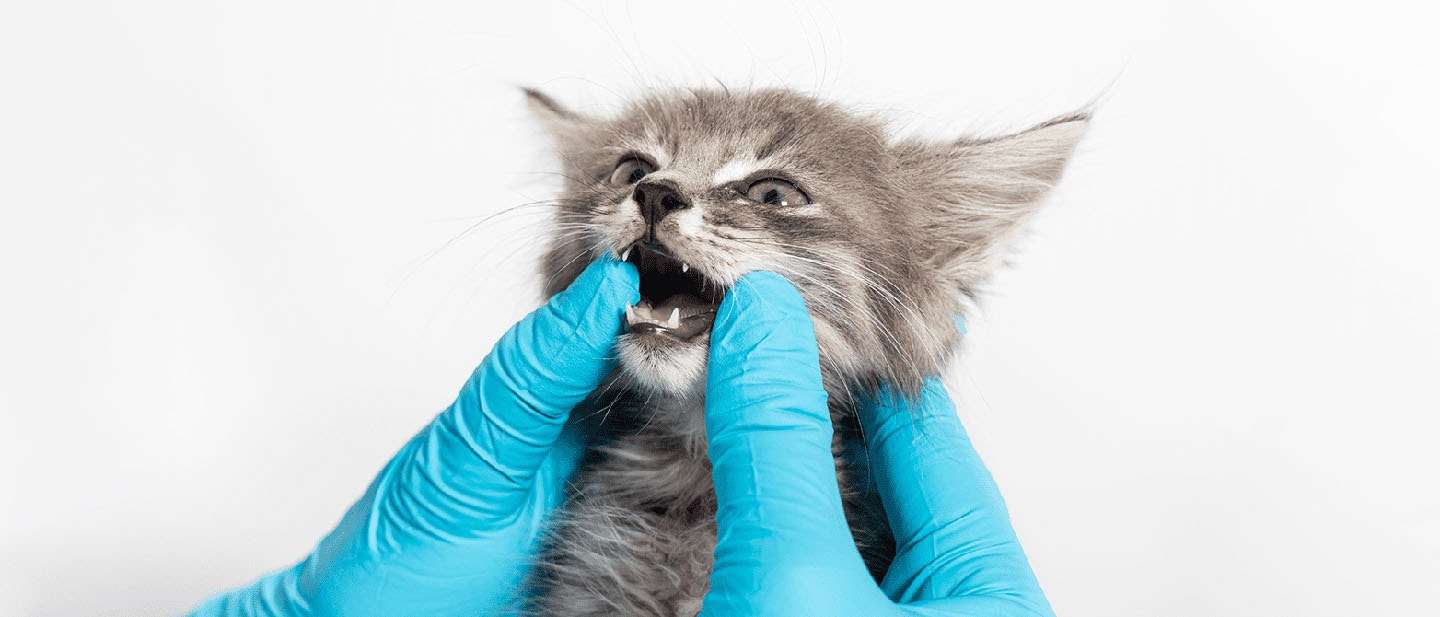
Kittens lose baby teeth as they grow. This is natural and healthy. Baby teeth fall out between 3 to 6 months old. Adult teeth then take their place.
Adult cats should not lose teeth often. Losing teeth in adults may signal health issues. Regular dental check-ups help keep teeth strong. Watch for signs like bad breath or difficulty eating.

Credit: www.purina.com
Breed Variations In Dental Health
Cat breeds show clear differences in dental health. Some breeds face more dental problems than others. Genetics, diet, and care all affect teeth strength and health.
Understanding these breed variations helps pet owners provide better dental care. Certain breeds naturally have stronger teeth. Others need more attention to avoid common dental issues.
Common Dental Issues By Breed
- Persian Cats:Prone to gum disease and tooth resorption.
- Siamese Cats:Often develop gingivitis early in life.
- Maine Coons:May suffer from plaque buildup and tartar.
- Burmese Cats:Higher risk of cavities and enamel defects.
- Scottish Folds:Can experience tooth crowding and misalignment.
Breeds With Stronger Teeth
- British Shorthair:Known for strong jaw muscles and durable teeth.
- Abyssinian:Generally maintain good dental health with fewer issues.
- Russian Blue:Less prone to dental decay due to genetics.
- Norwegian Forest Cat:Robust teeth that handle tougher diets well.
- Bengal:Strong enamel and fewer cavities reported.
Cats That Keep Their Baby Teeth
Some cats retain their baby teeth longer than expected. This condition, known as retained deciduous teeth, occurs when the baby teeth fail to fall out. It can lead to dental issues if not addressed. Understanding which breeds are prone can help in managing their dental health.
Reasons For Retained Baby Teeth
Retained baby teeth can result from several factors. One primary reason is genetic predisposition. In some breeds, the adult teeth do not push out the baby teeth. This can cause overcrowding in the mouth. Overcrowding leads to misalignment and dental problems. Another reason is insufficient root resorption. Normally, the roots of baby teeth dissolve to make way for adult teeth. If this process is incomplete, baby teeth remain in place.
Breeds Prone To Retained Teeth
Certain cat breeds are more likely to keep their baby teeth. Persian cats are one example. They often have dental issues due to their flat faces. Siamese cats also experience retained baby teeth frequently. Their slender jaw structure can lead to overcrowding. Another breed prone to this condition is the Burmese. Their genetic makeup makes them susceptible to dental anomalies.

Credit: hartforanimals.org
Dental Care Tips For Cats
Taking care of your cat’s teeth is key to keeping them healthy and happy. Dental problems can cause pain and lead to tooth loss. Good dental care helps avoid these issues and supports your cat’s overall health. Here are some simple tips to keep your cat’s teeth strong and clean.
Preventing Tooth Loss
Tooth loss in cats often comes from poor dental health. Plaque and tartar build-up cause gum disease, which can loosen teeth. Regular cleaning reduces plaque and protects gums.
- Feed balanced food to support dental health.
- Offer dental treats designed to reduce plaque.
- Watch for signs of dental pain like bad breath or difficulty eating.
At-home Dental Care
Brushing your cat’s teeth daily helps remove plaque before it hardens. Use a soft-bristled toothbrush made for cats and pet-safe toothpaste. Start slow to make your cat comfortable. Besides brushing, dental wipes and water additives can help maintain oral hygiene.
- Brush gently using small circular motions.
- Give praise or treats to encourage your cat.
- Check your cat’s mouth regularly for redness or swelling.
Professional Dental Treatments
Veterinary dental cleanings remove tartar build-up that home care can’t reach. Your vet may need to sedate your cat for a thorough cleaning. Regular check-ups catch dental issues early and prevent serious problems.
- Schedule dental exams at least once a year.
- Follow your vet’s advice on treatments or extra care.
- Ask about dental X-rays to assess tooth roots and bones.
Impact Of Diet On Cat Teeth
Your cat’s diet plays a huge role in the health of their teeth. What you feed your feline friend can either protect their teeth or cause problems like plaque buildup and gum disease. Understanding which foods help keep teeth strong and which ones harm them can make a big difference in your cat’s oral health.
Foods That Strengthen Teeth
Crunchy foods can act like natural toothbrushes, scraping away some plaque as your cat chews. Dry kibble designed specifically for dental health often contains ingredients that help reduce tartar. Adding certain treats with enzymes can also support clean teeth and fresh breath.
- Dental-specific kibble:These are formulated to reduce plaque and tartar.
- Raw meaty bones:If your cat enjoys them, they help clean teeth naturally by chewing.
- Cat treats with enzymes:Some treats are designed to break down plaque buildup.
Have you noticed your cat prefers dry food over wet? That preference might be helping their teeth more than you realize.
Foods To Avoid
Sticky and sugary foods can cling to teeth, encouraging bacteria growth that damages enamel. Soft wet foods, especially those high in carbohydrates, may promote plaque formation if your cat doesn’t get enough dental care. Avoid giving your cat human snacks that contain sugar or starch.
- Sticky treats:These tend to stick to teeth and cause decay.
- High-carb wet food:Can increase plaque if not balanced with other dental care.
- Human junk food:Often contains sugars and additives harmful to cat teeth.
Could changing your cat’s diet reduce their dental visits? It’s worth considering the impact of what’s in their bowl.
Signs Of Dental Problems In Cats
Dental problems in cats can cause pain and affect their overall health. Detecting these issues early helps prevent serious complications. Cats often hide their discomfort, so owners must watch for subtle signs. Recognizing changes in behavior and physical symptoms is crucial to catch dental problems on time.
Behavioral Changes
- Reduced appetite or refusal to eat hard food
- Dropping food while eating
- Excessive drooling or pawing at the mouth
- Avoiding grooming or less frequent cleaning
- Increased irritability or hiding more than usual
Physical Symptoms
- Bad breath with a strong, unpleasant odor
- Red, swollen, or bleeding gums
- Visible tartar buildup on teeth
- Loose or missing teeth
- Swelling around the jaw or under the eyes
Credit: www.whiskas.com.ph
Frequently Asked Questions
Do Some Cat Breeds Keep Their Baby Teeth Longer?
Certain cat breeds may retain baby teeth longer than others. This condition is called retained deciduous teeth. It often requires veterinary attention to prevent dental issues.
Which Cats Are Prone To Dental Problems?
Breeds like Persians and Siamese cats are more prone to dental problems. Regular dental care is essential for these breeds to avoid tooth loss and infections.
Can Adult Cats Keep All Their Teeth Naturally?
Most adult cats lose their baby teeth and grow permanent ones. However, some may retain baby teeth, which can cause dental complications if untreated.
How To Care For Cats’ Teeth Effectively?
Regular brushing, dental check-ups, and a healthy diet keep cat teeth strong. Use vet-approved toothpaste and toys to promote dental health in cats.
Conclusion
Cats of all breeds usually lose their baby teeth and grow adult teeth. No breed naturally keeps all their baby teeth for life. Regular dental care helps cats keep strong, healthy teeth longer. Watch for signs of dental problems like bad breath or difficulty eating.
Visit the vet regularly to check your cat’s teeth. Healthy teeth mean a happier, more comfortable cat. Taking care of your cat’s teeth matters no matter the breed. Simple habits make a big difference in your cat’s smile.



Leave a Reply