
Choosing the right cat breed for your family can make all the difference, especially when you have kids. You want a furry friend who is gentle, playful, and patient with little hands and big hearts.
But with so many breeds out there, how do you know which ones fit best with your family life? This guide will help you discover the cat breeds that are not only great companions for your kids but also bring joy and harmony to your home.
Keep reading to find the perfect match for your family!
Credit: www.pumpkin.care
Traits Of Kid-friendly Cats
Choosing a cat that fits well with children requires understanding certain traits. Kid-friendly cats have qualities that make them gentle and fun companions. They adapt well to the lively and sometimes unpredictable nature of kids. These traits ensure a positive and safe relationship between cats and children.
Temperament To Look For
Look for cats that are calm and patient. Friendly cats enjoy being around people and rarely show aggression. They tolerate noise and sudden movements without stress. Cats that are social and affectionate create a warm bond with kids. Avoid cats that are shy or easily scared, as they may react negatively.
Energy Levels And Playfulness
Active and playful cats match well with energetic children. They enjoy interactive play and toys that keep them engaged. Cats with moderate energy avoid being too wild or too lazy. Balanced playfulness helps children learn how to interact with pets gently. Cats that like to explore and chase are often great playmates.
Tolerance To Handling
Children often touch and hold cats in many ways. Tolerant cats allow gentle petting and hugging without fuss. They do not scratch or bite when handled carefully. Cats used to human contact from a young age usually accept handling better. Teaching kids how to respect a cat’s space makes this easier.
Credit: www.pumpkin.care
Top Cat Breeds For Families
Choosing a cat breed that fits well with your family life can make a huge difference in the happiness of both your kids and your new furry friend. Some cats naturally enjoy the lively energy kids bring, while others prefer a quieter environment. Knowing which breeds tend to be patient and playful helps you make a choice that benefits everyone in your household.
Ragdoll
Ragdolls are famous for their calm and gentle nature. They often go limp when you pick them up, which shows just how relaxed they are. If your children love cuddling and carrying pets around, a Ragdoll might be the perfect companion because they rarely resist.
They enjoy being involved in family activities without getting overwhelmed. You’ll notice how they follow family members from room to room, seeking attention but never demanding it. This breed adapts well to busy homes where kids are active and noisy.
Maine Coon
Maine Coons are like the gentle giants of the cat world. They are large but incredibly friendly and patient with children. Their playful and social personality makes them great for families who want a lively pet that can keep up with energetic kids.
These cats love interactive play and are known for their dog-like loyalty. If your kids enjoy games like fetch or chasing toys, Maine Coons will happily join in. Their thick fur requires regular grooming, but the bonding time during brushing can be a special family moment.
Siamese
Siamese cats are vocal and affectionate, often forming strong bonds with family members. They thrive on social interaction and can become upset if left alone for long periods. If your kids are looking for a chatty and engaging pet, Siamese cats offer lots of personality.
Keep in mind, their high energy means they need plenty of playtime. This breed can teach your children responsibility through daily interaction and mental stimulation. You might find your Siamese helping to create fun routines around play and care.
Birman
Birmans are known for their silky coats and gentle disposition. They rarely scratch or bite, making them a safe choice for younger children still learning how to handle pets properly. Their calm and affectionate behavior helps build trust between kids and cats.
They enjoy being near people but aren’t overly demanding. This balance makes Birmans ideal for families who want a loving pet without the constant attention some breeds require. Watching a Birman quietly observe family life can be a soothing presence for children.
Scottish Fold
Scottish Folds have unique folded ears and a sweet temperament that often captures everyone’s heart. They are adaptable and usually get along well with children and other pets. Their playful yet calm nature fits well in homes where kids want a pet that’s both entertaining and easygoing.
Their moderate energy means they enjoy playtime but also appreciate quiet moments. Scottish Folds can be great companions for kids learning about gentle pet care. Do you think your children would enjoy a cat that’s curious but never overwhelming?
Choosing The Right Cat For Your Family
Families benefit from choosing cat breeds known for gentle and patient behavior. Breeds like Ragdolls and Maine Coons often enjoy playing with children. These cats usually adapt well to busy, noisy homes.
Choosing the Right Cat for Your Family Selecting the perfect cat for your family involves more than just picking the cutest kitten at the shelter. It’s about finding a pet that fits seamlessly into your home life and meets the needs of all family members. This process requires careful consideration of various factors, from age and activity level to health needs and potential allergies.Age And Activity Compatibility
Consider the age of your children and their energy levels when selecting a cat. Kittens can be playful and full of energy, which might be overwhelming for very young kids. Older cats often have calmer temperaments and can be more patient, making them a great match for families with toddlers. Think about your family’s lifestyle, too. If your household is bustling with activity, a cat breed known for its playful nature, like the Abyssinian, might be a good fit. Conversely, if you enjoy quieter evenings, a laid-back breed such as the Ragdoll could be ideal.Health Considerations
When welcoming a cat into your home, consider the health needs of different breeds. Some cats, like the Maine Coon, are prone to specific health issues like hip dysplasia. Researching these potential health concerns will help you prepare for any future veterinary needs. Additionally, ensure that you have a vet nearby who is familiar with the breed you choose. Having access to specialized care can make a big difference in your cat’s well-being.Allergy-friendly Options
If your family has allergies, it doesn’t mean you can’t enjoy the companionship of a cat. Some breeds, such as the Siberian or Balinese, are known to produce fewer allergens. This makes them more suitable for families with allergy concerns. It’s essential to spend time with the cat before making a decision. Notice how everyone in the family reacts. This can help you determine if this breed is truly a good fit for your home. Choosing a cat is a personal journey for every family. What priorities will guide your decision?
Credit: www.pumpkin.care
Preparing Kids For A Cat
Bringing a cat into a home with children requires thoughtful preparation. Kids need to understand how to treat a cat with care. This helps build a safe and happy bond between them. Teaching children about cats before meeting one can prevent stress for both sides.
Children learn best through clear rules and hands-on guidance. Setting expectations early creates respect for the pet’s needs. Adults play a key role in guiding this new friendship. Let’s explore ways to prepare kids for life with a cat.
Teaching Gentle Handling
Show kids how to touch a cat softly. Use slow movements and gentle strokes. Explain why pulling fur or tail hurts the cat. Practice petting on a stuffed animal first. Teach kids to watch the cat’s reactions carefully. Stop petting if the cat looks scared or upset.
Setting Boundaries
Make clear rules about where the cat can go. Explain that cats need quiet space and rest. Teach children not to chase or corner the cat. Use simple signs or phrases to remind kids of limits. Respecting boundaries keeps the cat calm and safe. Boundaries protect both the cat and the children.
Supervising Interactions
Always watch young children and cats together. Stay close to stop rough play quickly. Help children understand the cat’s signals and moods. Guide them on how to respond kindly. Supervision prevents accidents and builds good habits. It helps kids and cats learn to trust each other.
Caring For Family Cats
Caring for a family cat means more than just providing a loving home. It involves understanding their unique needs and creating an environment where they feel safe and healthy around your children. Thoughtful care helps your cat thrive and makes family life more enjoyable for everyone.
Feeding And Nutrition
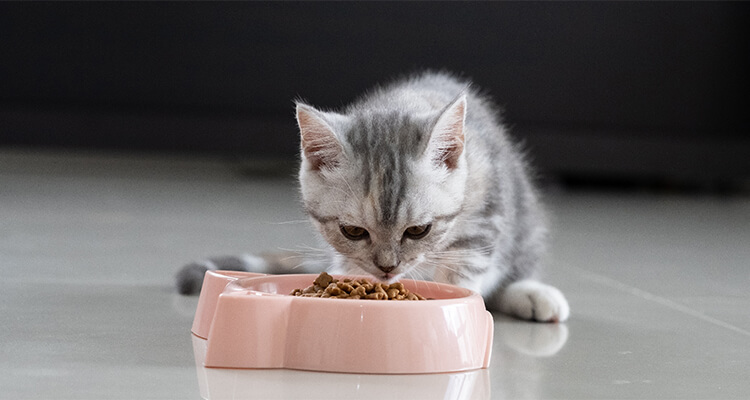
Choosing the right food is essential for your cat’s health and energy. Cats need a balanced diet rich in protein, so look for high-quality cat food with real meat as the first ingredient.
Did you know some cats can be picky eaters, especially around kids? Keep their feeding area quiet and consistent to avoid stress during mealtime. Avoid giving them human food, as many common snacks can be harmful to cats.
Regular Vet Visits
Keeping up with vet appointments ensures your cat stays healthy and prevents illness. Vaccinations, flea control, and dental checks are key parts of these visits.
Have you ever noticed your cat hiding or acting differently? Regular vet visits can catch health issues early before they become serious. It also gives you a chance to ask the vet about your cat’s behavior around children.
Creating Safe Spaces
Your cat needs places where they can retreat and feel secure, especially in a busy household with kids. Providing cozy beds, cat trees, or quiet corners helps them relax.
Try to teach your children to respect these safe spaces and avoid disturbing the cat when it’s resting. Have you observed how cats often pick high spots to observe? Adding shelves or window perches can give your cat a perfect hideaway.
Frequently Asked Questions
Which Cat Breeds Are Safest For Young Children?
Breeds like Ragdolls, Maine Coons, and British Shorthairs are gentle and patient. They tolerate kids’ play well and rarely show aggression. These cats adapt easily to family life, making them ideal for households with young children.
How Do Cat Breeds Differ In Child-friendliness?
Some breeds are naturally more tolerant and social. For example, Siamese cats are affectionate but can be vocal. Scottish Folds are calm and enjoy quiet play. Understanding breed traits helps match a cat’s temperament with your family’s needs.
Can Hypoallergenic Cats Be Good With Kids?
Yes, breeds like Siberian and Balinese cats are hypoallergenic and kid-friendly. They shed less and produce fewer allergens. These cats are playful and enjoy interaction, making them suitable for families with allergy concerns and children.
What Should I Consider When Choosing A Cat For Kids?
Focus on temperament, energy level, and size. Calm, patient breeds suit younger children best. Also, consider the cat’s history with kids. Proper introductions and supervision ensure a positive relationship between your child and the cat.
Conclusion
Choosing a cat breed that gets along well with kids makes family life happier. Gentle, patient cats help children learn kindness and care. Some breeds are known for their playful and calm nature. These cats enjoy being part of a lively home.
Remember, every cat has its own personality. Spend time with the cat before bringing it home. A good match creates a loving bond for years. Kids and cats can become best friends with the right choice. Love and respect will grow between them every day.


Leave a Reply