Are you looking for fun and affordable ways to keep your cat entertained? Making cat toys from household items is easier than you think.
Not only will you save money, but you’ll also create toys that your cat will love. Imagine watching your furry friend play happily with something you made yourself. Ready to discover simple ideas that turn everyday objects into exciting toys?
Keep reading, and you’ll learn how to make safe, fun, and creative cat toys right at home.
Choosing Safe Materials
Choosing safe materials is the first step in making cat toys at home. Cats explore the world by biting and pawing, so safety matters. Using the right items keeps cats healthy and happy. Avoid anything that could hurt or choke them. Focus on simple, common objects that pose no harm. This makes playtime fun and worry-free.
Non-toxic Items
Non-toxic materials keep cats safe from poisons and chemicals. Plain cotton, felt, and untreated wood are good choices. Avoid plastics or fabrics with dyes that can be harmful. Natural fibers like wool or cotton cause fewer allergies. Check labels to confirm items are free of harmful substances. Choose things that your cat can chew without risk.
Avoiding Small Parts
Small parts can easily break off and cause choking. Skip beads, buttons, and tiny bells unless securely attached. Use glue or stitching to keep pieces in place. Larger pieces are safer and harder to swallow. Inspect toys regularly to remove loose parts. Safety means preventing accidents before they happen.
Durable Household Objects
Durability matters because cats play hard. Strong materials like thick cardboard, sturdy fabric, and solid wood last longer. Avoid thin paper or fragile plastic. Durable toys resist tearing and breakage. This keeps your cat engaged and safe. Use items designed to handle rough play and sharp claws.
Simple String And Yarn Toys
Creating cat toys with household items is fun and cost-effective. Cats love simple toys like string and yarn. These materials are easy to find at home. They provide endless entertainment for your furry friend. Let’s explore some exciting string and yarn toy ideas.
Basic Yarn Balls
Yarn balls are classic and easy to make. Roll some yarn into a tight ball. Secure it by tucking the end inside. Cats enjoy batting and chasing these around. Use different yarn colors for variety.
Tassel Teasers
Tassel teasers are lively toys that cats adore. Cut several strands of yarn, each about eight inches long. Gather them together and tie a knot at one end. Attach the tassel to a stick or string. Wave it around to engage your cat in play.
Feather And String Combos
Feathers and strings create irresistible toys. Tie a feather to a length of string. Secure the feather with a knot. Dangle it in front of your cat. This simple toy mimics a bird in flight. Watch your cat pounce with joy.
Creative Paper And Cardboard Toys
Paper and cardboard make excellent materials for cat toys. They are safe, affordable, and easy to find in most homes. These materials also allow for creativity and customization. Cats love to scratch, bat, and chase lightweight toys. Paper and cardboard toys engage your cat’s natural instincts. They encourage play and exercise without much effort from you.
Crumpled Paper Balls
Crumpled paper balls are simple and fun. Take a small piece of paper and scrunch it into a tight ball. Use plain or colored paper for variety. The lightweight ball moves unpredictably, which excites cats. They enjoy chasing and batting it across the floor. You can make several balls to keep your cat entertained longer.
Cardboard Scratchers
Cardboard scratchers satisfy a cat’s urge to scratch. Use layers of corrugated cardboard stacked together. Cut it into shapes like rectangles or circles. Glue or tape the layers securely. Place the scratcher on the floor or lean it against a wall. Cats love the texture and can sharpen their claws safely. This also helps protect your furniture from damage.
Paper Tube Puzzles
Paper tubes turn into engaging puzzle toys. Use empty toilet paper or paper towel rolls. Cut small holes or slots along the tube’s sides. Insert treats or small toys inside the tube. Your cat will try to reach the goodies by pawing or biting. This toy stimulates your cat’s mind and keeps them busy. It is simple to customize by changing the size or placement of holes.

Credit: www.yahoo.com
Repurposing Fabric Scraps
Repurposing fabric scraps is a fun way to create cat toys at home. Small pieces of old clothes or leftover fabric can turn into playful treasures for your cat. These scraps are soft, safe, and easy to work with. Simple sewing or tying can make them into exciting toys that cats love to chase and cuddle.
Sock Mice
Use old socks to make little mice toys. Fill the sock with fabric scraps or cotton balls. Add a small piece of string for a tail. Tie the open end tightly to keep the filling inside. Cats enjoy batting these soft toys around and carrying them in their mouths.
Fabric Kickers
Cut long strips of fabric and sew or tie them into tubes. Stuff these tubes with fabric scraps or catnip for extra fun. Cats love to kick and wrestle with these soft, lightweight toys. The fabric’s texture is perfect for scratching and biting.
Stuffed Toy Shapes
Cut fabric scraps into simple shapes like stars, hearts, or fish. Sew two pieces together, leaving a small gap to add stuffing. Fill with fabric scraps or a pinch of catnip, then close the gap. These small stuffed toys are easy for cats to carry and bat around.
Using Household Containers
Using household containers to make cat toys is a smart way to save money and recycle items you already have. These containers are often sturdy and come in fun shapes, which naturally attract your cat’s curiosity. Plus, you can customize them easily to suit your cat’s play style.
Bottle Cap Chasers
Bottle caps are small, lightweight, and perfect for a game of chase. Your cat will love batting these around on hard floors where they can spin and slide.
Try tossing a few caps in different rooms to encourage your cat to explore and exercise. You can even add a bit of catnip to the caps for extra excitement.
Plastic Lid Spinners
Plastic lids from jars or containers make excellent spinning toys. Simply place the lid on a smooth surface and give it a gentle push.
Your cat will be fascinated by the spinning motion and may try to catch or stop it. Adding a small bell inside the lid can make the toy even more engaging by adding sound.
Box Hideouts
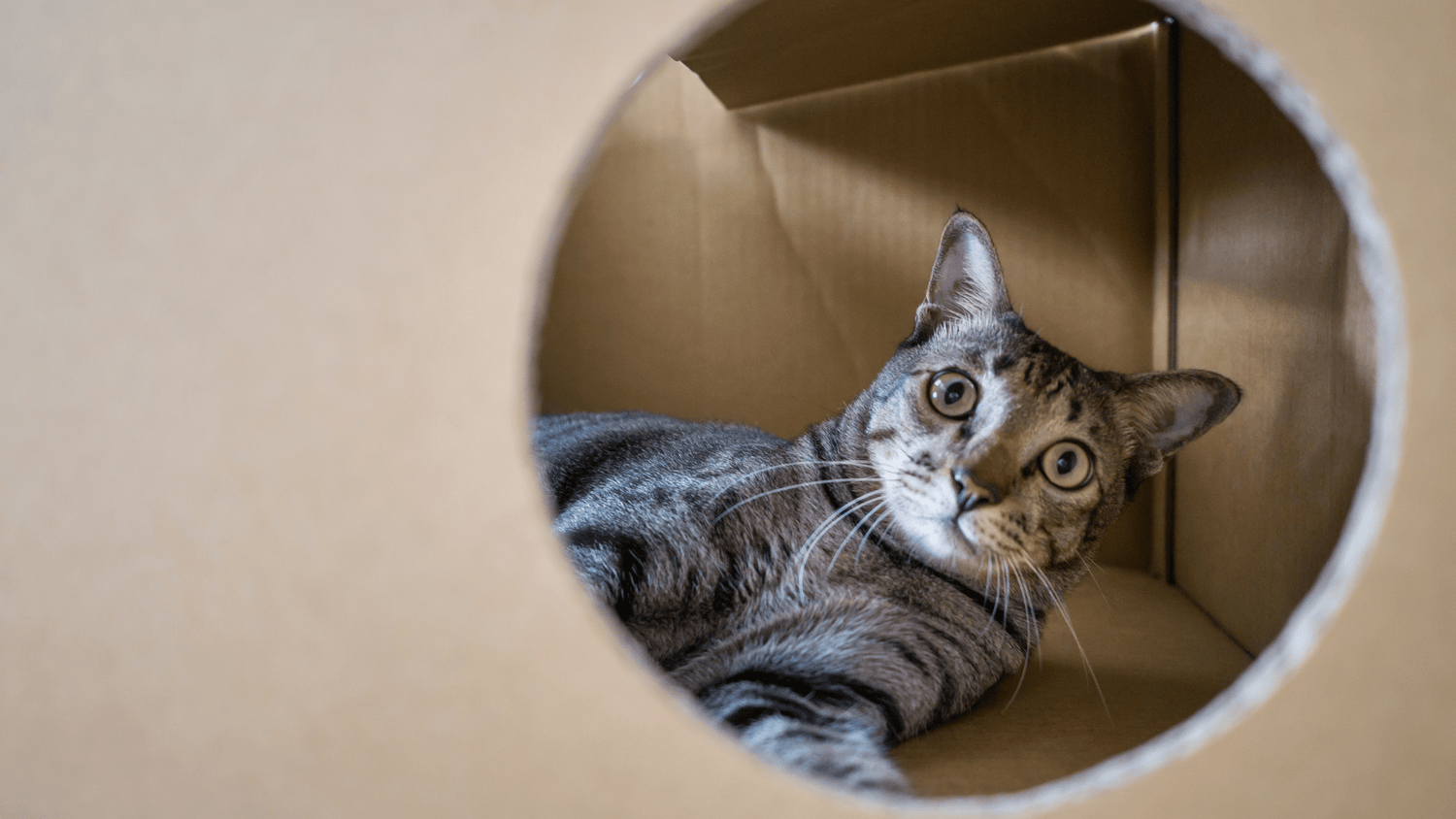
Empty boxes are a classic favorite for cats to hide, pounce, and play in. You can cut holes or flaps in cardboard boxes to create tunnels or peek-a-boo spots.
Try stacking a few boxes to build a mini playground. Have you noticed how cats often prefer a simple box over expensive toys? It’s a reminder that creativity often beats cost.

Credit: www.hgtv.com
Incorporating Catnip And Treats
Adding catnip and treats to your homemade cat toys can instantly boost your cat’s interest and make playtime more rewarding. Cats often respond strongly to the scent of catnip, which can turn a simple toy into an irresistible plaything. Treats add an element of surprise and motivation, encouraging your cat to interact more actively with the toy.
Have you noticed how your cat’s eyes light up when they catch a whiff of catnip? Using catnip and treats cleverly can keep your cat entertained for longer and stimulate their natural hunting instincts.
Homemade Catnip Pouches
Creating catnip pouches is easy and fun. Take a small piece of fabric, like an old sock or scrap cloth, and fill it with dried catnip. Sew or tie the pouch tightly so the catnip doesn’t spill out during play.
You can make multiple pouches and hide them around the house to encourage your cat to hunt and explore. Try mixing fresh catnip with a few drops of cat-safe essential oils like valerian for a new twist your cat might love.
Treat Dispensers
Turn simple household items into treat dispensers to challenge your cat’s problem-solving skills. Use a clean plastic bottle with small holes cut into it, just big enough for treats to fall through. Fill it with your cat’s favorite small treats and watch as they bat and roll the bottle to get the rewards.
Alternatively, use an empty tissue box or egg carton to hide treats inside. Your cat will have to figure out how to retrieve the treats, which provides both mental and physical stimulation.
Scented Toy Ideas
Enhance your cat’s toys by adding scents they love. Dab a bit of catnip oil or sprinkle dried catnip on stuffed fabric toys or crumpled paper balls. You can also use a small amount of tuna juice or chicken broth on cotton balls as a different scent option.
Think about how scent can change the way your cat interacts with toys. What new scents might excite your cat’s curiosity? Experiment with different natural aromas to keep playtime fresh and engaging.
Safety Tips For Diy Toys
Making cat toys from household items is a fun and budget-friendly way to keep your feline entertained. However, safety should always be your top priority. Ensuring your DIY toys are safe protects your cat from accidental injuries and keeps playtime stress-free for you.
Supervised Play
Always watch your cat when they play with homemade toys. Some materials can break apart or have small parts that your cat might swallow. By staying nearby, you can step in quickly if the toy starts to fall apart or if your cat shows signs of chewing something unsafe.
Have you noticed your cat’s favorite toys wear out faster than others? That’s a good reason to keep an eye on them during play. Supervision helps you understand how your cat interacts with the toy and whether it’s truly safe.
Regular Inspection
Check your DIY toys often for any damage or loose parts. A frayed string or torn fabric can become a choking hazard. Make it a habit to inspect toys weekly, especially those made from paper, cardboard, or fabric scraps.
If you find any broken pieces, repair or discard the toy immediately. Keeping your cat’s playthings in good shape prevents accidents and extends their fun life. This simple step saves you from unexpected trips to the vet.
Proper Toy Size
Choose sizes that fit your cat’s play style and size. Toys that are too small can be swallowed or get stuck in your cat’s throat. On the other hand, toys that are too large might discourage your cat from engaging with them.
Think about your cat’s age and activity level. Kittens may need smaller, lighter toys, while adult cats often prefer something sturdier. What size toy does your cat chase around the most? Matching the toy size to your cat’s preferences makes playtime safer and more enjoyable.
Encouraging Interactive Play
Encouraging interactive play is key to keeping your cat happy and healthy. It helps build a stronger bond between you and your furry friend. Plus, it keeps their mind sharp and their body active, which is essential for their well-being.
Engaging Your Cat
To get your cat interested, use toys that move or make noise. Cats love chasing small objects, so try attaching a string to a homemade toy. You can also wiggle a paper ball or use a crumpled tissue to spark their curiosity.
Pay attention to what excites your cat the most. Some cats prefer chasing, while others like batting or pouncing. Tailor your playtime to their preferences to keep them coming back for more.
Rotating Toys
Keeping the same toys out all the time can make your cat bored. Try rotating their toys every few days to keep things fresh and exciting. Hide some toys away and swap them out regularly to renew your cat’s interest.
Even simple household items like bottle caps or fabric scraps can become new favorites when reintroduced. Have you noticed your cat’s excitement when a “new” toy appears? Use that to your advantage and rotate often.
Combining Diy And Store-bought
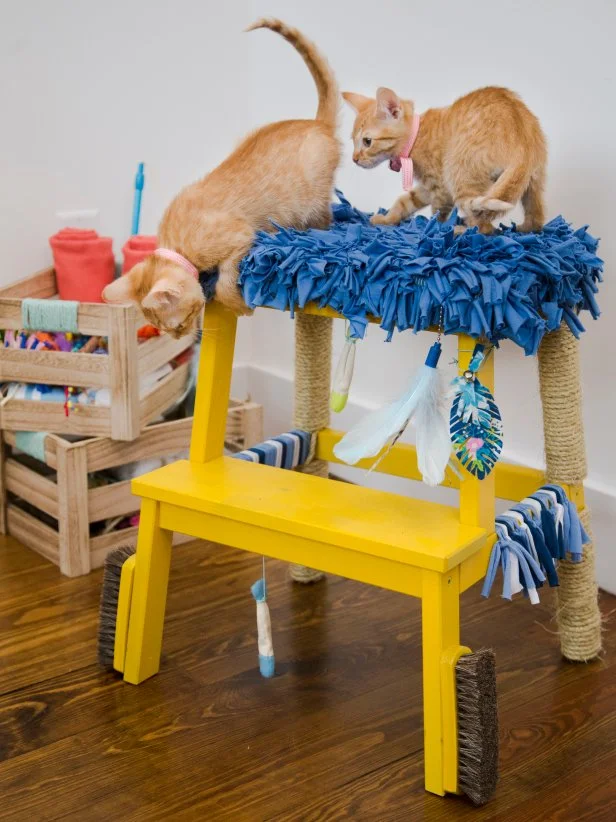
Mixing homemade toys with store-bought ones can give your cat the best of both worlds. Store-bought toys often have features like bells or feathers that DIY toys might lack. Meanwhile, DIY toys add a personal touch and can be customized to your cat’s play style.
Try pairing a DIY string toy with a purchased wand toy to create a more dynamic play session. This variety keeps your cat mentally and physically engaged. What combinations have you tried that your cat loves?
Credit: www.hgtv.com
Frequently Asked Questions
What Household Items Make The Best Cat Toys?
Common household items like paper balls, cardboard boxes, and bottle caps make great cat toys. They are safe, easy to find, and cats love to chase or scratch them. Adding strings or feathers can increase their appeal and stimulate your cat’s hunting instincts effectively.
How Can I Safely Make Cat Toys At Home?
Use non-toxic materials and avoid small parts that can be swallowed. Always supervise your cat during playtime with homemade toys. Secure loose strings or parts firmly to prevent choking hazards. Keep the toys clean and inspect them regularly for wear and tear.
Can Old Socks Be Used To Create Cat Toys?
Yes, old socks can be stuffed with cotton or catnip to create soft, scented toys. They are easy to make and can be tied off to keep the filling inside. Socks provide a safe and affordable way to entertain your cat at home.
How Do I Add Scent To Homemade Cat Toys?
You can add catnip or silvervine inside the toy to attract your cat. Alternatively, use a few drops of tuna water or safe essential oils. These scents stimulate your cat’s senses and encourage playful behavior, making the toys more engaging.
Conclusion
Making cat toys from household items is simple and fun. You save money and reduce waste. Cats love new toys that move and make noise. Use things like paper, string, or bottle caps safely. Watch your cat play and enjoy their happiness.
Creating toys at home brings you closer to your pet. Try different ideas and see what your cat likes best. Playtime becomes special with just a little effort. Give your cat joy with easy DIY toys today.




Leave a Reply