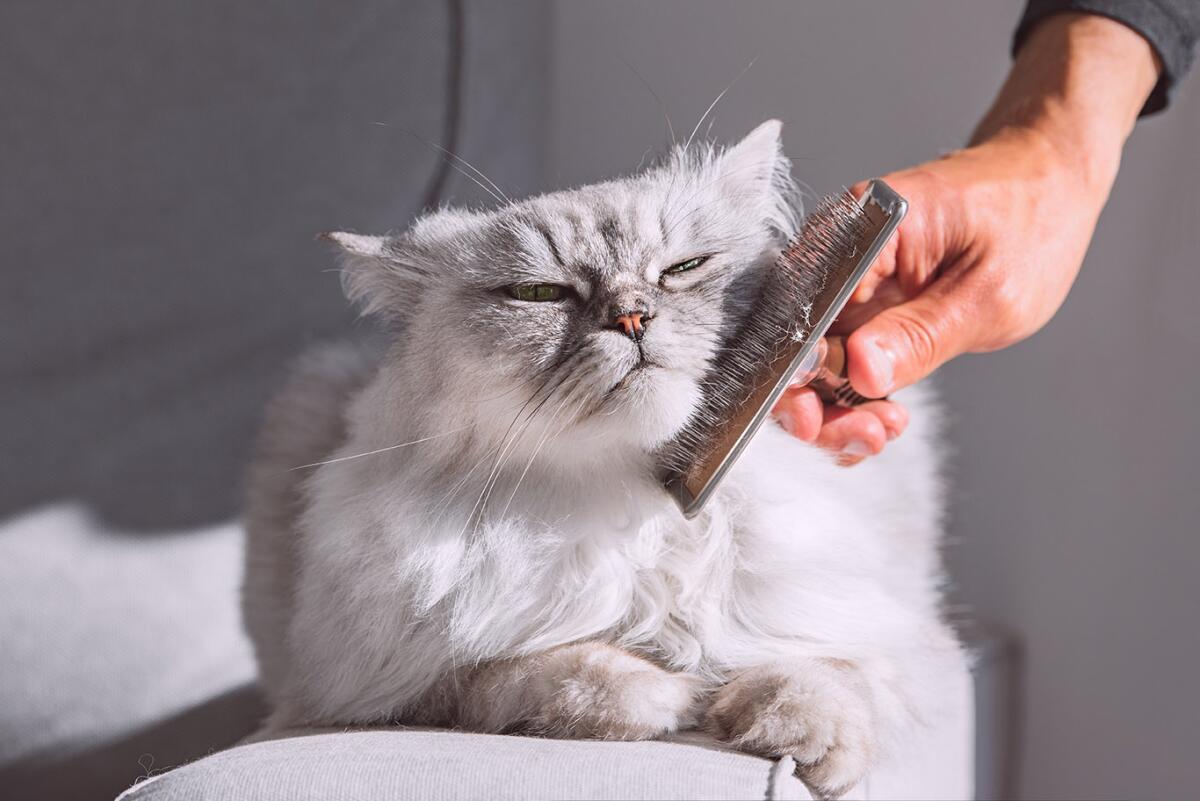
Have you ever wondered, can you get cats groomed? If your furry friend struggles with shedding, mats, or just looks like they could use a little TLC, grooming might be the answer.
But is it safe? How often should it be done? And what exactly does it involve? Keep reading, because understanding cat grooming could make a huge difference in your pet’s health and happiness. You’ll discover simple tips that can save you time and keep your cat comfortable—without the stress.
Ready to learn how to give your cat the care they deserve? Let’s dive in.
Benefits Of Grooming Cats
Grooming your cat is more than just keeping them looking neat. It plays a crucial role in their overall well-being. Understanding the benefits can motivate you to make grooming a regular part of your cat’s routine.
Health Advantages
Regular grooming helps remove dirt, dead hair, and parasites like fleas. This reduces the risk of skin infections and irritations.
Brushing stimulates blood flow and distributes natural oils, keeping your cat’s coat shiny and healthy. It also helps you spot lumps, wounds, or abnormalities early before they become serious.
Behavioral Improvements
Grooming can calm anxious or hyperactive cats by providing a soothing sensory experience. Many cats feel more relaxed after a gentle brushing session.
It also reduces excessive shedding, which means less fur around your home and fewer hairballs for your cat to deal with. Wouldn’t you prefer fewer surprises on your clothes and furniture?
Bonding Opportunities
Spending time grooming your cat strengthens your connection. It shows your cat that you care about their comfort and well-being.
During grooming, you learn more about your cat’s likes and dislikes, making future care easier. Have you noticed how your cat purrs or nuzzles during brushing? Those moments build trust and affection.
When To Groom Your Cat
Knowing when to groom your cat is just as important as knowing how to do it. Cats don’t always tell you when they need grooming, so it’s up to you to watch for signs and develop a routine that fits your cat’s needs. Timing can make grooming a positive experience for both of you and keep your cat healthy and comfortable.
Signs Your Cat Needs Grooming
Look out for visible signs that your cat needs grooming. Matted fur or tangles are clear indicators. If your cat’s coat looks dull or greasy, it’s time to step in.
Watch your cat’s behavior too. Excessive scratching or biting at their fur may mean discomfort caused by dirt, fleas, or skin irritation. You might also notice hairballs forming more frequently, which suggests your cat could benefit from brushing to remove loose hair.
Sometimes, your cat’s grooming might slow down due to age, illness, or obesity. If you spot any bald patches or unusual skin conditions, it’s a good idea to groom gently and consult your vet.
Seasonal Grooming Tips
Different seasons call for different grooming approaches. During spring and summer, your cat will shed more. Regular brushing helps manage shedding and keeps your home cleaner.
In colder months, your cat’s fur may thicken. Grooming helps remove dead hair and prevents mats that can trap moisture and cause skin problems. Check your cat’s paws for dryness or cracking caused by winter weather.
Adjust your grooming frequency based on your cat’s activity and coat length. Long-haired cats often need grooming several times a week, while short-haired cats might only need it once a week. Have you noticed how your cat’s grooming needs change with the seasons?
Preparing For A Grooming Session
Preparing for a grooming session helps make the experience smooth and stress-free for your cat. Taking time to get ready can calm your pet and ensure you have everything needed. This preparation boosts your cat’s comfort and safety during grooming.
Creating A Calm Environment
Choose a quiet room with few distractions. Close windows and doors to limit noise. Soft lighting helps your cat feel relaxed. Speak in a gentle voice to keep your cat calm. Avoid sudden movements that might scare your pet. Let your cat explore the space before grooming starts.
Gathering Essential Supplies
Having all supplies ready saves time and reduces stress. Gather these items:
- Cat-friendly brush or comb
- Pet-safe shampoo
- Soft towels
- Nail clippers made for cats
- Styptic powder for nail trims
- Treats to reward good behavior
- A comfortable grooming table or mat
Check all tools for cleanliness and safety. Keep everything within reach to avoid leaving your cat alone during grooming.

Credit: www.latimes.com
Step-by-step Grooming Guide
Grooming your cat can strengthen your bond and keep them healthy. This guide walks you through the essential steps of cat grooming. It covers brushing, bathing, nail trimming, and ear and eye care. Follow these steps to ensure your feline friend looks and feels their best.
Brushing Techniques
Regular brushing keeps your cat’s coat healthy and shiny. Use a brush suited for your cat’s fur type. For short-haired cats, use a soft-bristle brush. Long-haired cats need a wide-toothed comb. Brush in the direction of hair growth to avoid discomfort. Start from the head and move towards the tail. Be gentle around sensitive areas like the belly and legs.
Bathing Tips
Not all cats need frequent baths. When bathing, use lukewarm water. Choose a cat-friendly shampoo. Wet your cat gently, avoiding the face. Lather the shampoo and rinse thoroughly. Dry your cat with a soft towel. Keep them warm until fully dry. Bathing can be stressful, so be calm and patient.
Nail Trimming
Regular nail trimming prevents overgrown nails and scratches. Use cat-specific nail clippers. Hold your cat’s paw and press gently to extend the nail. Trim the sharp tip, avoiding the quick. The quick is the pink area within the nail. Trim a little at a time to avoid injury. Reward your cat with treats to make the experience positive.
Ear And Eye Care
Check your cat’s ears weekly for dirt or wax. Use a damp cotton ball to clean gently. Never insert anything into the ear canal. For eye care, wipe any discharge with a soft cloth. Use a separate cloth for each eye to prevent infection. Regular checks ensure healthy ears and eyes.
Choosing Professional Groomers
Choosing a professional groomer for your cat is a decision that impacts more than just their appearance. It affects their comfort, health, and overall happiness. Finding the right groomer means understanding what to look for, knowing the right questions to ask, and having clear expectations about costs.
What To Look For
Look for groomers who specialize in cats rather than just dogs. Cats have different needs and temperaments, so experience matters a lot.
Check if the salon is clean, calm, and cat-friendly. Stress can make grooming a bad experience for your feline friend.
Reviews and recommendations from other cat owners can reveal a lot about a groomer’s skill and care.
Questions To Ask
- How do you handle nervous or aggressive cats?
- What grooming services do you offer specifically for cats?
- Are you certified or trained in feline grooming techniques?
- What products do you use on cats, and are they safe for sensitive skin?
- How do you manage emergencies or injuries during grooming?
These questions help you understand how your cat will be treated and what safety measures are in place.
Cost Expectations
Grooming costs vary depending on your cat’s size, coat condition, and the services needed.
Expect to pay more for specialized care like de-matting or medical grooming.
Some groomers offer packages or discounts for regular appointments, which can save you money in the long run.
Remember, cheaper isn’t always better when it comes to your cat’s well-being.

Credit: services.petsmart.com
Handling Difficult Cats
Handling difficult cats during grooming can test your patience and skills. Cats may resist due to fear, discomfort, or unfamiliarity with the process. Understanding how to calm them and knowing when to ask for help can make grooming smoother and safer for both of you.
Calming Strategies
Start by creating a quiet and comfortable environment. Use soft voices and gentle touches to reassure your cat. Sometimes, playing their favorite music or using pheromone sprays can reduce anxiety.
Try breaking grooming into short sessions to avoid overwhelming your cat. You might groom just a little at a time, rewarding your cat with treats or affection afterward. This helps build positive associations with grooming.
Use tools that are gentle and designed for cats, like soft brushes or combs. Watch your cat’s body language closely—if you see signs of stress like flattened ears or tail flicking, pause and give them space. Have you noticed your cat relax when you stroke a certain spot? Focus on those areas first to build trust.
When To Seek Help
If your cat is extremely aggressive or fearful, it may be safer to involve a professional groomer or a veterinarian. They have the experience and equipment to handle challenging cats without causing harm.
Consider professional help if grooming causes your cat extreme distress or injury risks to either of you. Some cats require sedation for thorough grooming, which only a vet can provide safely.
Asking for help doesn’t mean you’ve failed; it means you’re prioritizing your cat’s well-being. Have you ever felt stuck with a difficult grooming situation? Reaching out can make a big difference in your cat’s comfort and health.
Maintaining Grooming Between Sessions
Maintaining your cat’s grooming between professional sessions is essential. It keeps their coat healthy and skin clean. Regular care prevents mats and reduces shedding problems. It also builds a stronger bond between you and your cat.
Daily Care Tips
Brush your cat gently every day. Use the right brush for their fur type. Short-haired cats need a soft-bristle brush. Long-haired cats benefit from a comb or slicker brush. Brushing removes dirt and loose hair. It also stimulates natural oils in the skin. Check for any bumps or skin issues while grooming. Wipe their eyes and ears with a damp cloth. Trim nails carefully to avoid scratches. Offer treats to make grooming a positive experience.
Dealing With Shedding
Shedding happens naturally, but it can be managed. Brush more often during heavy shedding seasons. Use a de-shedding tool to remove loose undercoat fur. Keep your home clean by vacuuming and sweeping regularly. Provide a healthy diet to improve coat condition. Hydration helps reduce dry skin and excess shedding. Bathing your cat occasionally can help with fur health. Use cat-friendly shampoos and avoid over-bathing. Monitor shedding patterns; sudden changes might need a vet check.
Credit: www.squeakycleangrooming.com
Frequently Asked Questions
Can You Get Cats Professionally Groomed?
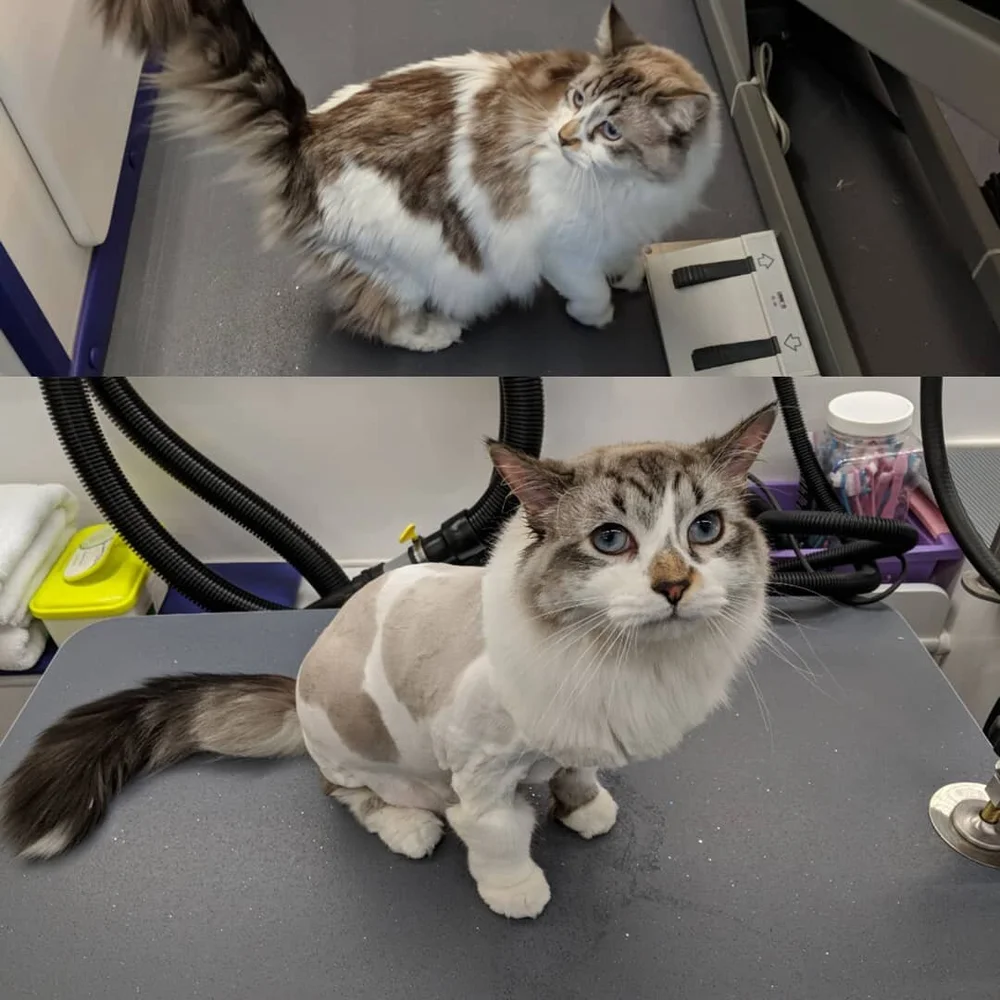
Yes, many pet salons offer professional cat grooming services. Groomers handle bathing, brushing, nail trimming, and fur trimming safely and comfortably for cats.
How Often Should A Cat Be Groomed?
Cats with long fur need grooming weekly, while short-haired cats require it monthly. Regular grooming prevents mats and reduces shedding.
Is Grooming Stressful For Cats?
Grooming can be stressful if the cat is unaccustomed. Professional groomers use gentle techniques to minimize stress and ensure a calm experience.
What Services Are Included In Cat Grooming?
Typical services include brushing, bathing, nail trimming, ear cleaning, and sometimes haircuts. Some groomers offer flea treatments as well.
Conclusion
Cats can enjoy grooming just like dogs do. Regular grooming keeps them clean and healthy. It also helps reduce shedding and hairballs. Some cats need professional grooming, especially long-haired ones. Gentle care makes grooming easier for shy cats. Always use tools made for cats to avoid harm.
Start grooming early to build trust and comfort. A clean cat is a happy cat. Taking time for grooming shows love and care. Simple steps make a big difference in your cat’s life.




Leave a Reply