
Are you looking for fun and easy ways to keep your cat happy and active? Making your own cat toys can be a game-changer for both you and your furry friend.
Not only will you save money, but you’ll also create toys that perfectly match your cat’s personality and play style. Imagine the joy on your cat’s face when you surprise them with a toy made just for them. Ready to discover simple, creative ideas that anyone can try?
Keep reading, and you’ll learn how to make great cat toys that your kitty will love.

Credit: www.yahoo.com
Choosing Safe Materials
Choosing safe materials is the foundation of making great cat toys that your furry friend can enjoy without risks. Cats explore their world with their mouths and paws, so every fabric and component you pick must be free from harmful chemicals and hazards. Your cat’s safety depends on your careful selection of materials that are both durable and gentle.
Non-toxic Fabrics And Fillings
Opt for natural fabrics like cotton, wool, or felt, which are less likely to irritate your cat’s skin or cause allergies. Avoid synthetic materials that may contain harmful dyes or chemicals. When choosing fillings, use organic cotton, untreated wool, or even catnip—these options are safe if your cat manages to tear open the toy.
Remember, some cats love chewing, so the stuffing should never be something that could cause choking or digestive issues. Have you checked the labels on your fabric and fillings to confirm they are pet-safe?
Avoiding Small Parts
Small beads, buttons, or plastic eyes may look cute, but they can be dangerous if swallowed. Instead, sew on features with thread or use embroidery to create faces and patterns. This reduces the risk of choking and keeps your cat safe during playtime.
Think about how your cat plays—is it rough or gentle? Tailoring your toy design to your cat’s behavior helps you avoid using parts that might come loose easily. Have you noticed your cat trying to eat or pull off small pieces from toys before?
Eco-friendly Options
Using eco-friendly materials not only protects your cat but also helps the environment. Consider recycled fabrics, organic cotton, or bamboo fibers that are sustainable and safe. These materials often have fewer chemicals and additives, making them a healthier choice for your pet.
Eco-friendly fillings like dried lavender or catnip grown without pesticides add a natural scent that cats love. Have you tried making toys with materials that come from sustainable sources? It’s a rewarding way to care for your cat and the planet.
Credit: www.youtube.com
Simple Toy Designs
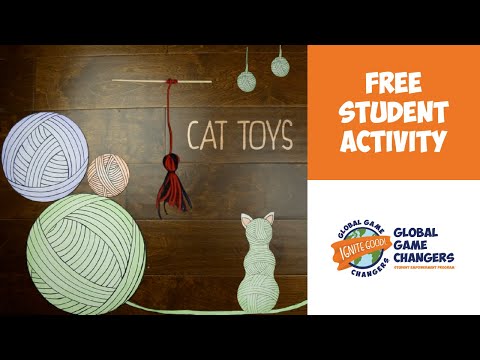
Simple toy designs keep cats entertained without much effort. They use basic materials found at home. These toys stimulate your cat’s natural hunting and playing instincts. The best part? They are easy to make and safe for your furry friend.
Sock Toys With Catnip
Use an old sock and fill it with catnip for an instant favorite. Tie the end tightly to keep the catnip inside. Cats love to bite and bat these soft toys. The smell of catnip makes playtime more exciting.
Feather Wands
Attach colorful feathers to a stick or a string. Move it slowly to mimic a bird’s flight. Cats enjoy chasing and jumping after the feathers. This toy encourages exercise and helps reduce boredom.
Pom-pom Balls
Make small balls from yarn or buy soft pom-poms. These lightweight toys are easy to bat around. Cats like to chase and carry them in their mouths. Pom-poms are safe and perfect for indoor play.
Interactive Toys
Interactive toys keep your cat mentally sharp and physically active. They encourage natural hunting skills and prevent boredom. Building these toys yourself adds a personal touch that your cat will appreciate.
Diy Puzzle Feeders
Puzzle feeders challenge your cat to work for their food, making mealtime more engaging. You can create one using a muffin tin and some tennis balls. Place treats or kibble in the cups and cover them with the balls—your cat will enjoy figuring out how to remove the balls to get the food.
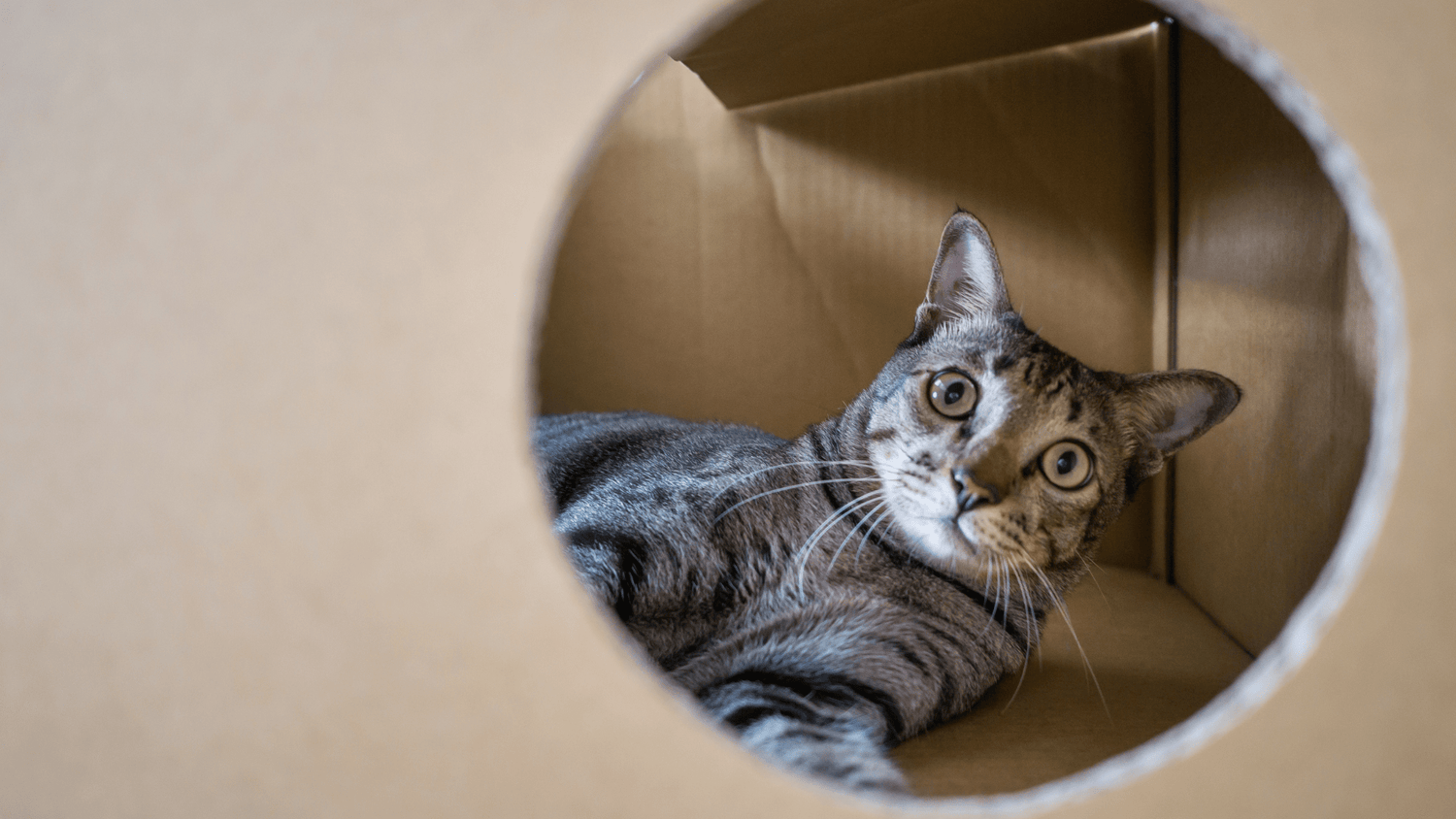
Another simple idea is to cut small holes in a cardboard box and fill it with crumpled paper and treats. Watch your cat paw through it, exercising their problem-solving skills. Have you noticed how your cat’s focus sharpens with these puzzles?
Treat Dispensing Toys
Treat dispensing toys reward your cat with goodies when they play. You can make one by cutting holes in a plastic bottle and filling it with small treats. As your cat bats the bottle around, treats fall out, encouraging active play.
Try using different sized holes to control how quickly treats come out. This keeps your cat intrigued for longer. Have you seen how a simple bottle can turn into a favorite toy with just a few tweaks?
Hide And Seek Games
Hide and seek games turn playtime into a fun challenge for your cat. Hide small toys or treats around the house and let your cat find them. This taps into their natural hunting instincts and keeps them mentally engaged.
You can make it more exciting by using boxes, paper bags, or tunnels to hide the items. Notice how your cat’s curiosity spikes when the hunt becomes a game. What new hiding spots can you discover together?
Credit: thekindpet.com
Upcycling Household Items
Transform old socks, cardboard, and yarn into fun, safe toys for your cat. Simple materials at home can keep your pet happy and active. Creativity turns everyday items into playful treasures for your furry friend.
Upcycling household items into cat toys is not only eco-friendly but also a fun and creative way to engage your feline friend. You likely have many items around your home that can be transformed into delightful playthings for your cat. With a little creativity, these everyday objects can become the ultimate source of entertainment for your pet.Cardboard Creations
Cardboard boxes are a cat’s playground. They love the texture and the hiding spots it offers. Cut a few holes in a medium-sized box for your cat to peek through and explore. You can also stack smaller boxes to create a multi-level fort. Attach them with tape for stability. Add some dangling strings or feathers for extra fun.Bottle Cap Toys
Bottle caps are perfect for batting around on hard floors. Simply clean and remove any sharp edges. You can glue a small bell inside for a jingling effect. Another option is to put a few caps inside a larger plastic container for a rattle toy. Your cat will love the sound and movement as they swat it around.Paper Roll Fun
Empty paper rolls can be transformed into a variety of toys. Cut them into smaller rings and connect them into a chain. Your cat will enjoy the challenge of batting it apart. Alternatively, stuff a roll with tissue or a small treat and fold the ends. This creates a puzzle toy that will keep your cat entertained for hours. By using these simple ideas, not only do you provide entertainment for your cat, but you also reduce waste. What’s the most creative item you’ve upcycled into a cat toy? Share your ideas and let your creativity inspire others!Customizing For Your Cat
Customizing cat toys makes playtime more fun and engaging. Each cat has unique tastes and styles. Tailoring toys to fit those preferences keeps cats interested and happy.
Observing Play Preferences
Watch your cat closely during play. Notice if it likes chasing, pouncing, or batting toys. Some cats prefer fast-moving toys. Others enjoy soft, cuddly ones. Use these clues to pick the best toy style. Personal observation helps you create toys your cat will love.
Adjusting Toy Size And Texture
Choose toy sizes that match your cat’s body and paws. Small cats may prefer tiny toys they can carry. Larger cats might enjoy bigger toys to wrestle with. Texture matters too. Soft fabrics, crinkly materials, or smooth surfaces offer different experiences. Test various textures to find your cat’s favorite.
Incorporating Favorite Scents
Scents attract cats and boost play interest. Use catnip or silvervine for a natural scent boost. Some cats like toys with familiar household smells. Try adding a few drops of safe essential oils or herbs. Always check that scents are safe for cats. Scented toys can make playtime more exciting and comforting.
Safety Tips For Diy Toys
Creating DIY cat toys is a rewarding way to keep your furry friend entertained, but safety should always be your top priority. Homemade toys can sometimes have hidden risks that aren’t obvious at first glance. Taking simple safety steps helps protect your cat and lets you enjoy playtime without worry.
Regular Inspection
Check your DIY cat toys often for any signs of wear and tear. Loose threads, broken parts, or small pieces coming off can become choking hazards. I learned this the hard way when a fabric strip started to unravel—catching it early saved my cat from swallowing something dangerous.
Make it a habit to inspect toys before and after every play session. Replace or repair any damaged parts immediately to keep your cat safe.
Supervised Playtime
Never leave your cat alone with a new DIY toy until you’re sure it’s safe. Some homemade toys may have small components that can be swallowed or cause injury. Watching your cat interact with the toy helps you spot any potential problems quickly.
Supervised play also allows you to see what your cat enjoys and how they play, so you can adjust the toy for more fun and safety. Have you noticed your cat’s favorite type of toy? Use that insight to guide your DIY projects.
Proper Storage
Store DIY cat toys in a safe, clean place when not in use. Leaving toys scattered can lead to them getting dirty or damaged, increasing the risk of harm. I keep mine in a dedicated box, so toys stay intact and ready for the next play session.
Organizing your cat’s toys also helps you track which ones need repair or replacement. How often do you tidy up your pet’s play area? A little effort here can prevent bigger problems later.
Frequently Asked Questions
What Materials Are Best For Homemade Cat Toys?
Use soft fabrics, feathers, and untreated wood. Avoid toxic substances and small parts that can be swallowed. Safe, durable materials keep cats engaged and secure during playtime.
How Do I Make A Simple Diy Cat Toy?
Tie feathers or fabric strips to a string or stick. This creates a fun, interactive toy that stimulates your cat’s hunting instincts. Simple designs encourage exercise and mental activity.
Can I Use Recycled Items For Cat Toys?
Yes, clean cardboard, paper, and bottle caps work well. Ensure no sharp edges or toxic residues remain. Recycled toys save money and reduce waste while entertaining your cat.
How Often Should I Replace Homemade Cat Toys?
Replace toys every few months or when damaged. Worn toys can pose choking hazards or lose appeal. Regularly inspect and refresh toys to maintain your cat’s interest and safety.
Conclusion
Making great cat toys can be fun and simple. Use safe materials your cat loves. Watch your cat play and learn what excites them. Small, soft toys or things that move usually work well. Remember to keep toys clean and replace broken ones.
Happy cats mean happy homes. Try making different toys and see which ones your cat enjoys most. Your effort will bring joy and keep your cat active. Give it a try today!

Leave a Reply