Have you ever wondered if cats need grooming like dogs do? You might think cats take care of themselves, but the truth is, grooming your cat can make a big difference in their health and happiness.
If you want your furry friend to look their best and feel comfortable, understanding how and why to groom them is key. Keep reading, because what you learn here could change the way you care for your cat every day.
Benefits Of Grooming Cats
Grooming your cat isn’t just about making them look good. It plays a key role in their overall health and happiness. Regular grooming sessions can strengthen your bond while keeping your feline friend comfortable and clean.
Improved Coat Health
Brushing your cat helps remove dirt, debris, and loose fur from their coat. This keeps their fur shiny and smooth, preventing mats and tangles that can cause discomfort. You’ll notice your cat’s coat looking healthier and feeling softer to the touch after consistent grooming.
Reduced Shedding And Hairballs
Shedding can be a challenge for many cat owners. Grooming helps catch loose hair before it falls around your home, cutting down on mess. It also lowers the amount of hair your cat swallows while grooming themselves, which means fewer painful hairballs for both of you to deal with.
Early Detection Of Health Issues
Regular grooming lets you check your cat closely for unusual lumps, bumps, or skin problems. You might spot signs of fleas, ticks, or infections before they become serious. Catching these issues early can save your cat from discomfort and costly vet visits.
Grooming Tools For Cats
Grooming cats keeps their fur clean and healthy. It also helps reduce hairballs and matting. Using the right tools makes grooming easier and safer for your cat. Choose tools that fit your cat’s coat and comfort level.
Types Of Brushes And Combs
Brushes and combs come in many styles. Each style suits different fur types and grooming needs.
- Slicker brushes:Great for removing loose hair and tangles. Work well on medium to long fur.
- Bristle brushes:Gentle on the skin. Ideal for short-haired cats to remove dust and dirt.
- Wide-tooth combs:Perfect for detangling mats and knots. Use carefully to avoid hurting your cat.
- Flea combs:Have very fine teeth to catch fleas and debris. Useful for flea checks.
Nail Clippers And Trimmers
Keeping a cat’s nails trimmed prevents scratches and damage. Use clippers made for pets to avoid splitting nails.
- Scissor-style clippers:Look like small scissors. Easy to control for beginners.
- Guillotine clippers:Have a hole where the nail fits before cutting. Provide clean cuts.
- Electric nail grinders:Smooth and round sharp edges. Quiet models reduce cat’s fear.
Shampoo And Wipes
Bathing cats is rare but sometimes needed. Use gentle shampoos made for cats only.
- Cat-specific shampoo:Formulated to protect skin and fur. Avoid harsh chemicals.
- Waterless shampoo:Helps clean without a full bath. Good for shy or anxious cats.
- Pet grooming wipes:Convenient for quick clean-ups. Remove dirt and odors between baths.
How To Groom Your Cat
Grooming your cat is more than just keeping them clean—it’s a way to bond and check their health regularly. Knowing how to groom your cat effectively can make the process smooth for both of you. Let’s look at some practical tips that help you care for your feline friend with confidence.
Brushing Techniques
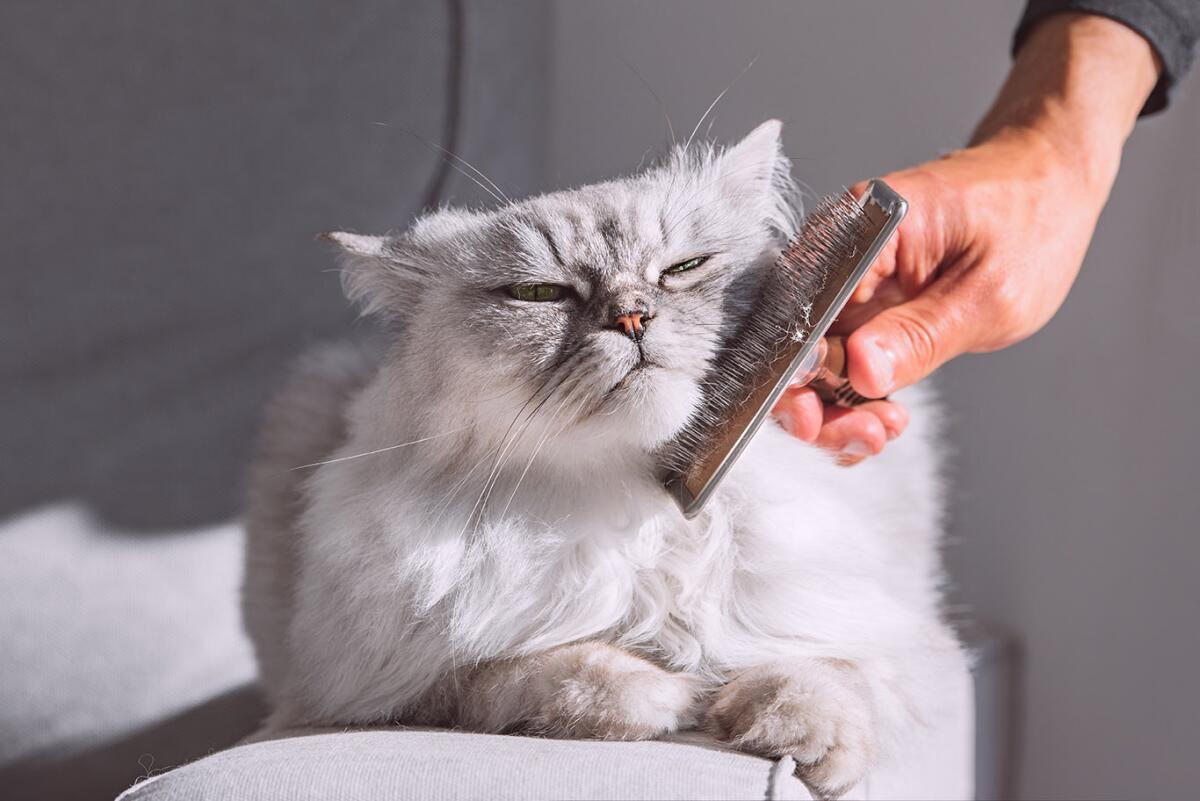
Start by choosing a brush suited to your cat’s fur type—slicker brushes work well for long hair, while rubber brushes are great for short fur. Brush gently in the direction of hair growth to avoid hurting your cat’s skin.
Pay close attention to areas where mats tend to form, like behind the ears and under the legs. If your cat resists brushing, try short sessions and offer treats to create a positive experience. Have you noticed your cat relaxing during grooming? That’s a good sign you’re doing it right.
Bathing Your Cat Safely
Bathing isn’t always necessary, but some cats benefit from it, especially if they get into something sticky or dirty. Use lukewarm water and a shampoo made specifically for cats to protect their skin and coat.
Keep the bath area quiet and calm. Hold your cat gently but firmly, and avoid getting water in their ears and eyes. If your cat struggles, consider using a damp cloth to clean them instead—sometimes less is more.
Trimming Nails Without Stress
Trim your cat’s nails regularly to prevent overgrowth and scratching damage. Use a sharp, cat-specific nail trimmer and hold your cat’s paw gently but securely.
Look for the pink part inside the nail called the quick; avoid cutting it to prevent pain and bleeding. If your cat is nervous, try trimming one or two nails at a time to keep stress low. Have you found a spot where your cat feels comfortable during nail trims? That spot can make all the difference.
Dealing With Common Grooming Challenges
Many cat owners wonder if cats need grooming. Yes, regular brushing helps reduce hairballs and keeps their coat healthy. Patience and gentle handling make grooming easier for both you and your cat.
Dealing with grooming challenges in cats can be quite tricky. Cats are independent animals, and grooming can sometimes stress them. Yet, regular grooming is essential for their health and comfort. Let’s explore how to handle some common grooming issues.Handling A Resistant Cat
Grooming a resistant cat requires patience and calmness. Approach your cat slowly and speak softly. Use treats to create positive associations with grooming. Reward your cat after each grooming session. Try to make grooming sessions short. Stop if your cat becomes too stressed.Managing Mats And Tangles
Mats and tangles can form in a cat’s fur. Gently work through tangles with a wide-toothed comb. Hold the fur close to the skin to avoid pulling. For severe mats, consider using a mat splitter. In extreme cases, seek professional grooming help. Regular brushing prevents mats from forming.Avoiding Skin Irritations
Some grooming tools can irritate a cat’s skin. Choose brushes with soft bristles. Check the skin for redness or rashes after grooming. Use hypoallergenic shampoos if bathing is necessary. Keep your cat’s skin healthy with a balanced diet. Regular vet check-ups can also help prevent skin issues.When To Seek Professional Grooming
Knowing when your cat needs professional grooming can save you both stress and discomfort. While many cats manage their own grooming, some situations require expert help to keep your feline friend healthy and happy. Recognizing these moments early ensures your cat stays comfortable and avoids potential health issues.
Signs Your Cat Needs Expert Care
Is your cat struggling with tangled or matted fur that you can’t brush out? Matted fur can cause pain and skin infections, making professional grooming essential. Also, if your cat shows signs of excessive shedding, foul odor, or skin irritation, it’s time to consider a groomer.
Older cats or those with mobility issues often can’t groom themselves properly. You might notice they have greasy coats or dirt buildup. These are clear signals that expert care will help maintain their coat and skin health.
Finding A Reliable Groomer
Choosing the right groomer means looking for someone with experience in handling cats specifically. Ask for recommendations from your vet or fellow cat owners to find trusted professionals. Visiting the grooming salon beforehand can give you a sense of their cleanliness and how they treat animals.
Don’t hesitate to ask about their methods and how they handle anxious or aggressive cats. A good groomer will explain the process and be patient with your pet. This transparency helps you feel confident that your cat is in safe hands.
Costs And Frequency Of Professional Grooming
Professional grooming costs vary depending on your cat’s size, coat type, and specific needs. Basic grooming can range from $40 to $80, while special treatments or dematting may increase the price. It’s worth budgeting for regular sessions if your cat’s coat requires frequent attention.
How often should you schedule grooming? Long-haired cats might need professional help every 6 to 8 weeks, while short-haired cats could go longer between visits. Monitor your cat’s coat condition and behavior to decide the best schedule for them.
Additional Tips For Happy Cats
Keeping cats happy involves more than just grooming. Small steps help create a calm and pleasant experience for your pet. These tips build trust and make grooming easier for both of you.
Creating A Relaxing Grooming Routine
Choose a quiet place free from noise and distractions. Use soft brushes that feel gentle on your cat’s skin. Keep sessions short, about five to ten minutes. Watch your cat’s body language for signs of stress. Stop if your cat seems upset and try again later. Regular grooming makes your cat feel safe and loved.
Using Treats And Positive Reinforcement
Offer small treats during and after grooming. Praise your cat with a soft voice or gentle petting. Use favorite toys to distract and reward good behavior. This helps your cat link grooming with positive feelings. Over time, your cat will enjoy grooming sessions more.
Maintaining Overall Cat Health
Healthy cats have better coats and skin. Provide a balanced diet rich in nutrients. Regular vet visits catch health issues early. Keep your cat hydrated with fresh water daily. Check for fleas, ticks, or skin problems often. Healthy cats stay happier and need less grooming stress.
Frequently Asked Questions
Who Usually Grooms Cats Regularly?
Cat owners or professional pet groomers typically groom cats. Regular grooming helps maintain cats’ coat health and cleanliness.
How Often Should Cats Be Groomed?
Cats should be groomed at least once a week. Long-haired cats may require more frequent grooming.
Can Grooming Reduce Cat Hairballs?
Yes, grooming helps remove loose fur. This reduces the amount cats ingest, lowering hairball formation.
Is Professional Grooming Necessary For Cats?
Professional grooming is helpful for cats with thick or matted fur. It ensures thorough cleaning and nail trimming.
Conclusion
Cats need grooming to stay healthy and clean. Regular brushing helps remove loose fur and prevents mats. Grooming also lets you check for skin problems or bugs. Most cats enjoy gentle brushing and feel relaxed afterward. Even short grooming sessions build trust between you and your cat.
Taking time to groom your cat shows care and keeps them happy. Simple tools and a calm approach work best. Remember, grooming is part of good cat care every pet owner should know.

Leave a Reply