Have you ever wondered how vets manage to keep cats looking so clean and healthy? Grooming a cat isn’t just about making them look good—it’s about their health and comfort too.
If you’ve tried grooming your furry friend at home, you know it can be tricky and sometimes stressful for both of you. But vets have special skills and tools to make the process easier and safer. You’ll discover exactly how vets groom cats, why it’s important, and what you can learn to help your kitty feel their best.
Keep reading to unlock the secrets behind professional cat grooming!
Cat Grooming Basics
Cat grooming is an essential part of keeping your feline friend healthy and happy. It involves more than just brushing fur. Grooming helps maintain skin health, removes dirt, and prevents hairballs. Understanding the basics of cat grooming can make the process easier for both you and your cat.
Importance Of Grooming
Grooming keeps a cat’s coat clean and shiny. It helps reduce shedding and hairballs. Regular grooming allows vets to spot health issues early. It improves blood circulation and reduces stress in cats. Grooming also strengthens the bond between you and your pet.
Types Of Cat Coats
Cat coats vary widely. Some cats have short hair, while others have long or medium-length fur. Coats can be smooth, curly, or dense. Each coat type needs special care. For example, long-haired cats require more frequent brushing to avoid mats and tangles.
Essential Grooming Tools
- Brushes:Slicker brushes for long hair, bristle brushes for short hair.
- Combs:Fine-toothed combs help remove loose fur and dirt.
- Nail Clippers:Keep claws trimmed to prevent injury.
- Grooming Wipes:Useful for quick cleanups and sensitive areas.
- Ear Cleaner:Keeps ears free from wax and debris.
Preparing Your Cat
Preparing your cat for grooming is essential for a smooth experience. Cats are sensitive to new environments and handling. Taking time to prepare helps reduce stress and makes grooming easier for both you and your cat. Understanding your cat’s behavior and needs is key before starting any grooming session.
Creating A Calm Environment
Choose a quiet room with minimal noise and distractions. Soft lighting helps your cat feel safe and relaxed. Avoid sudden movements and loud sounds. Use gentle voices to soothe your cat. Keep the grooming tools nearby but out of sight until needed. A calm space encourages your cat to stay calm and cooperative.
Getting Your Cat Comfortable
Spend a few minutes petting your cat before grooming. Let your cat explore the grooming tools to reduce fear. Offer treats to create positive associations. Handle your cat gently, focusing on areas they like touched. Short sessions at first help your cat get used to grooming. Patience and kindness build trust and comfort.
Checking For Health Issues
Inspect your cat’s skin and coat before grooming. Look for redness, bumps, or wounds. Check for fleas, ticks, or other parasites. Notice any unusual lumps or bald spots. Healthy skin and coat make grooming easier. If you find health issues, consult a vet before grooming. Early detection can prevent bigger problems later.
Brushing Techniques
Brushing your cat is more than just a grooming task; it’s a way to keep their coat healthy and bond with them. The right brushing techniques can make a big difference in how comfortable your cat feels and how effective the grooming is. Understanding what tools to use and how to brush different types of fur can help you avoid stress for both you and your feline friend.
Choosing The Right Brush
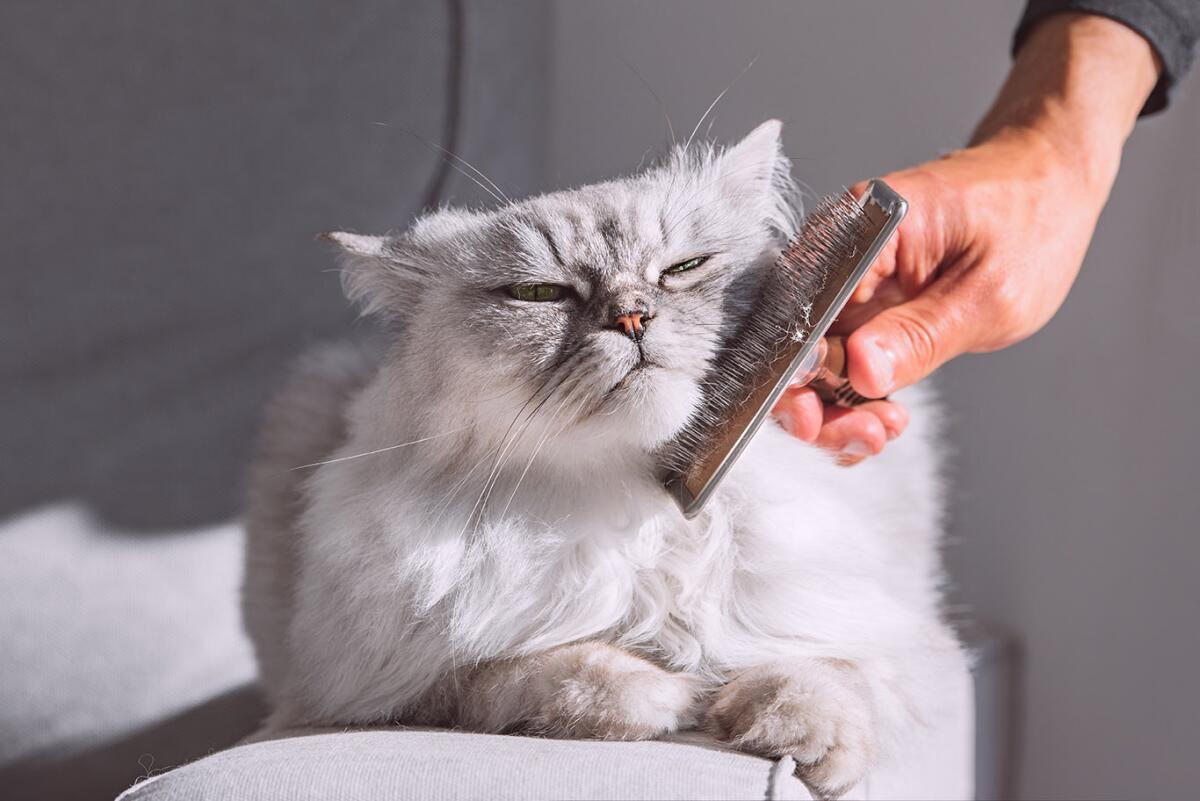
Selecting the correct brush depends largely on your cat’s coat type and sensitivity. For short-haired cats, a soft-bristle brush or rubber grooming mitt works well to remove loose hair without irritating the skin.
Long-haired cats benefit from a slicker brush that can reach deep into the fur to prevent knots. If your cat has sensitive skin, try a brush with rounded tips to avoid discomfort.
Have you noticed your cat’s reaction to certain brushes? Paying attention to their behavior can help you pick the one they tolerate best.
Brushing Short-haired Cats
Short-haired cats usually require less frequent brushing, but it’s still important to remove loose fur regularly. Use gentle, slow strokes along the direction of hair growth to avoid pulling or hurting your cat.
Focus on areas like the neck, back, and tail base, where shedding tends to be heavier. Brushing in circular motions can stimulate the skin and distribute natural oils, keeping the coat shiny.
Try brushing your cat after a nap or play session when they are more relaxed—it often makes the process smoother.
Brushing Long-haired Cats
Long-haired cats need more frequent brushing to prevent tangles and mats. Start by separating the fur into sections and brushing each gently but thoroughly.
Use a combination of a wide-tooth comb to detangle and a slicker brush to smooth the coat. Don’t rush; patience is key to keep your cat calm and cooperative.
Have you noticed how long-haired cats sometimes hide when grooming starts? Creating a calm environment with treats or soft talking can help ease their anxiety.
Dealing With Mats And Tangles
Mats can be painful for cats, so addressing them early is important. Use a dematting comb or a mat splitter carefully to break up stubborn knots without pulling too hard.
If mats are too tight or close to the skin, it’s safer to visit a professional groomer or vet. Trying to remove these mats yourself can cause injury or distress to your cat.
Regular brushing reduces the chance of mats forming, but when they do, patience and gentle handling make a huge difference. How do you handle mats when they appear on your cat?
Bathing Tips
Bathing your cat can feel like a daunting task, but with the right tips, it becomes manageable and even stress-free. Knowing when and how to bathe your cat not only keeps them clean but also supports their overall health. Let’s look at practical advice to help you make bath time smoother for both you and your feline friend.
When To Bathe Your Cat
Cats generally groom themselves well, so bathing isn’t needed often. You should consider a bath if your cat gets into something sticky, dirty, or smelly that they can’t clean off themselves.
Older cats or those with health issues might need occasional baths. If your cat has a skin condition, your vet might recommend regular bathing with special shampoos. Always ask yourself: does your cat really need a bath right now, or is brushing enough?
Safe Bathing Steps
- Prepare everything first:warm water, cat-friendly shampoo, towels, and a non-slip surface.
- Use lukewarm water:too hot or too cold can scare your cat or cause discomfort.
- Keep calm and gentle:speak softly and avoid sudden movements.
- Wet carefully:use a cup or sprayer, keeping water away from your cat’s face and ears.
- Shampoo sparingly:a small amount is enough; lather gently and avoid their eyes.
- Rinse thoroughly:leftover shampoo can irritate their skin.
I once had a cat who absolutely hated water. By staying calm and using a handheld sprayer gently, I managed to bathe her without a scratch. It’s amazing how your patience and approach can change your cat’s experience.
Drying Your Cat Properly
After the bath, drying your cat quickly is key to prevent chills. Use a soft towel to blot excess water gently—rubbing can tangle fur or irritate skin.
If your cat tolerates it, a hairdryer on the lowest, coolest setting can help speed drying. Watch for signs of stress and stop if your cat gets too anxious.
Make a cozy warm spot for your cat to relax while they finish drying naturally. Have you noticed how a calm environment speeds up your cat’s recovery after a bath?
Nail Trimming
Vets trim cats’ nails carefully to avoid hurting them. They use special clippers and hold the paws gently. This keeps cats comfortable and safe during grooming.
Trimming your cat’s nails is a vital part of their grooming routine. Not only does it keep your feline friend comfortable and prevent damage to furniture, but it also ensures their health and well-being. Many cat owners hesitate to trim nails due to fear of hurting their pet or simply not knowing where to start. Understanding the process can make it a manageable and stress-free task for both you and your cat.Tools For Nail Care
Having the right tools can make all the difference in nail trimming. Vets typically use specialized cat nail clippers that are designed to safely trim without splintering the nail. Consider investing in a pair of these clippers, or opt for a nail grinder if your cat is particularly sensitive to clippers. Additionally, having styptic powder on hand is wise. This powder can quickly stop bleeding if you accidentally cut the nail too short. Keeping these tools handy will prepare you for a smooth grooming session.Trimming Safely
Safety is the top priority when trimming your cat’s nails. Begin by gently holding your cat’s paw and pressing lightly to extend the nail. Focus on cutting just the sharp tip, avoiding the pink area known as the “quick.” Trimming in a well-lit area can help you see the nail clearly. If you’re unsure about the length, trim a small amount at a time. This cautious approach minimizes the risk of cutting too deep and causing discomfort.Handling Nervous Cats
Handling a nervous cat during grooming can be challenging. If your cat is anxious, try wrapping them in a towel, leaving one paw exposed at a time. This can create a comforting cocoon effect, reducing their stress. Another method is to associate nail trimming with positive experiences. Offer treats or gentle strokes after each successful trim. Over time, your cat will begin to associate nail trimming with positive rewards. Have you ever noticed how some cats seem more relaxed during grooming than others? Understanding your cat’s unique preferences and behavior can make the process smoother. What techniques have you found effective in calming a nervous cat during nail trimming?Ear And Eye Care
Caring for a cat’s ears and eyes is a vital part of grooming. Vets pay close attention to these sensitive areas to keep cats healthy and comfortable. Dirt, wax, and discharge can cause irritation or infections. Regular checks and gentle cleaning help prevent problems early.
Understanding how vets clean ears and manage eye discharge helps cat owners maintain their pet’s hygiene safely at home.
Cleaning Ears Safely
Vets start by examining the cat’s ears for redness or swelling. They use a soft cotton ball or gauze, never cotton swabs, to avoid injury. A special ear cleaner is applied to loosen wax and debris. The vet gently wipes the ear canal and outer ear. This process removes dirt and prevents infections.
Signs vets watch for include:
- Strong odor
- Excess wax buildup
- Redness or swelling
- Scratching or shaking head
These signs might mean an ear infection or mites, requiring treatment.
Managing Eye Discharge
Eye discharge can be normal or a sign of illness. Vets carefully clean around the eyes using a damp, soft cloth. They remove crusts and dirt without touching the eyeball. If discharge is thick, yellow, or green, vets check for infections or allergies.
Common causes of eye discharge include:
- Conjunctivitis (pink eye)
- Blocked tear ducts
- Allergies or irritants
Vets may prescribe medication for infections or suggest changes to reduce irritation. Keeping the eye area clean reduces discomfort and prevents further problems.
Professional Grooming Advice
Professional grooming advice is essential for keeping your cat healthy and comfortable. Vets and groomers bring expertise that goes beyond what most pet owners know. Their guidance helps prevent common issues and ensures your cat’s coat and skin stay in top shape.
When To Visit A Vet Or Groomer
Knowing the right time to seek professional help can make a big difference. If your cat has a thick or long coat, regular visits are necessary to avoid painful mats and tangles. Cats that shed a lot or have skin conditions also benefit from expert grooming.
You might wonder, “How often should I schedule grooming?” Generally, every 4 to 6 weeks works for long-haired cats, while short-haired cats may need less frequent sessions. However, health issues like obesity or arthritis can make self-grooming hard, so more frequent visits might be needed.
Signs Your Cat Needs Expert Help
Pay close attention to your cat’s behavior and appearance. Excessive scratching, bald patches, or a greasy coat can indicate skin problems that require a vet’s attention. Difficulty grooming or signs of discomfort during brushing are red flags too.
One cat I cared for suddenly stopped cleaning itself and developed matted fur. A vet visit revealed arthritis was limiting its movement. This shows why professional assessment is crucial when you notice changes in grooming habits.
Look for these signs that call for expert grooming:
- Severe matting that you can’t safely remove
- Visible skin infections or wounds
- Unusual odors coming from the coat
- Excessive hair loss or dandruff
- Behavioral changes such as irritability during grooming
Safety Tips For Cat Grooming
Vets use gentle handling and proper tools to keep cats calm during grooming. They trim nails carefully and check for skin problems to ensure safety. Keeping cats relaxed helps prevent injuries while grooming.
Grooming your cat at home can be a rewarding experience, strengthening the bond between you and your feline friend. However, it’s crucial to prioritize safety to ensure a pleasant experience for both of you. Understanding how to prevent stress and injury, as well as recognizing signs of discomfort, is key to effective and safe grooming.Avoiding Stress And Injury
Cats can easily become stressed during grooming, leading to potential injury. To minimize stress, create a calm environment. Play soothing music, and ensure the grooming area is free from loud noises and distractions. Use the right tools to prevent injuries. A brush with soft bristles and a gentle comb can make a world of difference. Regularly check the condition of your grooming tools; dull or broken tools can harm your cat’s skin. Consider your cat’s mood and health before starting. If your cat seems agitated or unwell, it’s best to postpone grooming. Have you ever tried to groom a cat after a vet visit? It rarely ends well.Recognizing Warning Signs
Keep an eye out for signs that your cat is uncomfortable or distressed. Hissing, growling, or trying to escape are clear indicators that it’s time to stop. Pay attention to more subtle signs like flattened ears or a swishing tail. If your cat shows signs of stress, take a break. Short, frequent grooming sessions can be more effective than one long session. Are you able to recognize when your cat has had enough? Always monitor for any physical signs of injury after grooming. Check your cat’s skin for redness or cuts. If you notice anything unusual, consult your vet immediately. Your vigilance can prevent minor issues from becoming serious problems.Frequently Asked Questions
How Do Vets Groom Cats Safely?
Vets use gentle handling and calm techniques to groom cats safely. They trim nails, clean ears, and remove mats carefully. Sedation may be used for anxious cats to prevent stress and injury during grooming.
What Grooming Tools Do Vets Use For Cats?
Vets use specialized tools like clippers, brushes, nail trimmers, and ear cleaning solutions. These tools ensure effective grooming while minimizing discomfort. Professional grooming tools help maintain cats’ hygiene and coat health.
How Often Should Cats Be Groomed By Vets?
Cats with long or thick fur may need grooming every 4 to 6 weeks. Short-haired cats usually require less frequent grooming. Regular vet grooming prevents matting, reduces shedding, and helps spot health issues early.
Why Do Vets Groom Cats Instead Of Owners?
Vets groom cats to handle difficult or anxious pets safely. They have expertise in managing cats’ stress and health needs. Professional grooming ensures thorough care, especially when owners struggle with their cat’s grooming.
Conclusion
Vets help keep cats clean and healthy through grooming. They trim fur, clean ears, and cut nails carefully. Grooming helps prevent matting and skin problems. It also reduces hairballs and keeps cats comfortable. Regular grooming by vets supports your cat’s well-being.
Trust their skills to handle your pet gently. Healthy fur and skin show a happy cat. Simple care routines at home also help maintain grooming. Regular vet visits make sure your cat stays in good shape. Taking care of grooming keeps your cat feeling its best.

Leave a Reply