Grooming your cat can be a stressful experience for both of you. You might wonder, “Should I drug my cat to groom?” It’s a question many pet owners face when their furry friend resists brushing or nail trimming.
Before you reach for any medication, it’s important to understand the risks and alternatives. You’ll discover what you need to know to keep your cat calm and safe during grooming. Keep reading to find out how to make grooming easier—without putting your pet’s health in danger.
Risks Of Drugging Cats For Grooming
Drugging cats for grooming might seem like a quick fix. Yet, it carries serious risks. Cats react differently to medications than humans or dogs. Their bodies process drugs more slowly. This can lead to dangerous side effects. Knowing these risks helps you make safer choices for your cat’s health.
Common Side Effects
- Drowsiness or excessive sleep
- Loss of balance and coordination
- Vomiting or nausea
- Increased heart rate or breathing difficulties
- Unusual aggression or irritability
These effects may last hours or even days. Watch your cat closely after giving any medication.
Long-term Health Concerns
Repeated drug use can harm your cat’s organs. The liver and kidneys are at high risk. These organs break down and remove drugs.
Continuous exposure to sedatives may cause lasting damage. It can weaken the immune system. Your cat may become vulnerable to infections.
Potential For Overdose
Overdosing is a real danger with sedatives. Cats need very small doses. A slight mistake can cause serious harm or death.
Signs of overdose include:
- Severe lethargy
- Difficulty breathing
- Unconsciousness
- Seizures
Always consult a vet before giving any drug. Never guess the dosage or type of medication.
Safe Alternatives To Medication
Choosing safe alternatives to medication for grooming your cat protects their health and comfort. Many cats get anxious or stressed during grooming. Medication might seem like a quick fix but it carries risks. Gentle methods and natural options offer effective ways to calm your pet without drugs.
These alternatives help keep grooming sessions calm and safe. They improve your cat’s experience and reduce stress. Exploring calming techniques, professional grooming, and natural remedies can make grooming easier for both you and your cat.
Calming Techniques
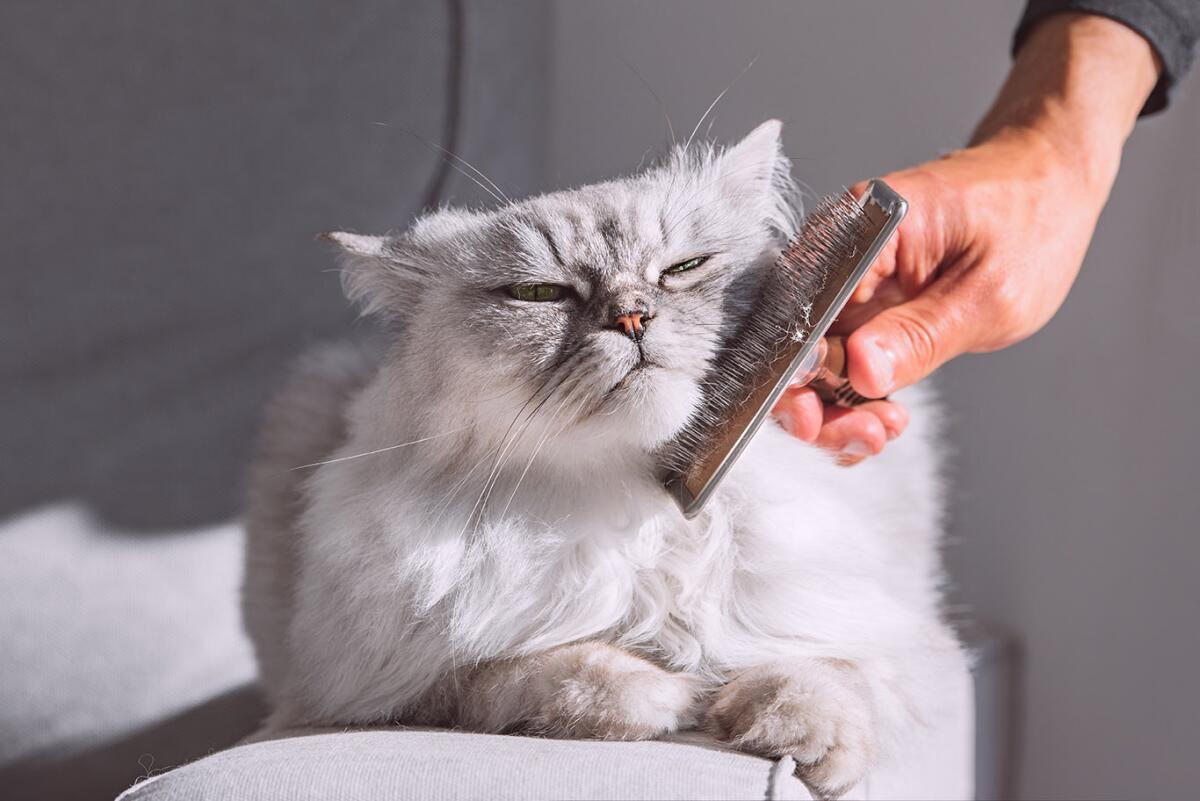
Use soft voices and slow movements to soothe your cat. Create a quiet space with few distractions. Offer treats to reward calm behavior. Regular grooming helps cats get used to the process. Try brushing your cat when they feel relaxed, like after a nap. Play soft music or use white noise to reduce anxiety. Use pheromone sprays or diffusers designed to calm cats.
Professional Grooming Services
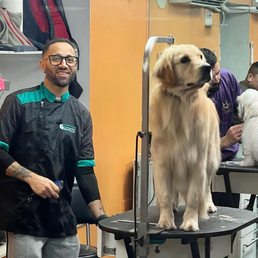
Trained groomers know how to handle anxious cats gently. They have special tools to make grooming quick and stress-free. Professionals can trim nails, clean ears, and remove mats safely. Some groomers offer mobile services at your home. This reduces travel stress. Discuss your cat’s needs and fears with the groomer. Choose a groomer who uses positive reinforcement techniques.
Using Natural Remedies
Natural remedies can calm your cat without side effects. Herbal supplements like valerian root or chamomile help reduce stress. Essential oils such as lavender must be used carefully and diluted. Never apply oils directly on your cat. Consult your vet before trying any natural product. Offer calming treats made with natural ingredients. Use calming collars infused with safe herbs to help your cat relax during grooming.
When Medication Might Be Necessary
Sometimes, grooming a cat can be very stressful for both the pet and the owner. Cats that resist grooming may become aggressive or anxious. In such cases, medication might help calm the cat and make grooming safer and easier. Medication should only be used when absolutely necessary and under expert guidance.
Veterinarian Recommendations
A veterinarian must assess the cat’s health before any sedatives are given. They understand which medications are safe and suitable for your cat’s condition. The vet can also suggest alternatives or behavioral techniques to reduce stress. Always follow the vet’s advice to avoid harm.
Types Of Safe Sedatives
Some sedatives are designed specifically for cats. Common options include:
- Gabapentin – often used to calm anxiety during grooming
- Alprazolam – a mild sedative sometimes prescribed
- Medetomidine – used for short-term sedation in veterinary clinics
These medications are safer when given in the correct dose. Never use human medication without veterinary approval.
Proper Dosage And Monitoring
The right dose depends on your cat’s weight, age, and health. Too much medication can cause serious side effects. The cat should be watched closely during and after grooming. Signs of overdose include excessive sleepiness, breathing problems, or uncoordinated movements. Contact your vet immediately if these occur.
Preparing Your Cat For Grooming
Preparing your cat for grooming is essential to make the experience less stressful for both of you. Grooming doesn’t have to be a battle if you take time to help your cat feel comfortable and safe. The key is to build positive associations and create a routine that your cat can trust.
Creating A Calm Environment
Your cat can sense tension and chaos, which makes grooming harder. Choose a quiet room where your cat feels secure, away from loud noises and other pets. Soft lighting and a comfortable surface, like a towel or a favorite blanket, can help your cat relax.
Try playing gentle music or using a pheromone diffuser to reduce anxiety. Have all your grooming tools ready beforehand to avoid rushing or interruptions. A calm setting sets the stage for a smoother grooming session.
Gradual Grooming Habits
Jumping straight into a full grooming session can overwhelm your cat. Instead, start with short, gentle touches and slowly increase the time you spend grooming. Focus on areas your cat likes being touched, such as behind the ears or under the chin.
Consistency is crucial—try to groom your cat at the same time and place regularly. This helps your cat get used to the process and lowers resistance. Ask yourself, how can you make grooming a part of your cat’s daily comfort rather than a chore?
Using Treats And Positive Reinforcement
Rewards can turn grooming into a positive experience your cat looks forward to. Use small, tasty treats or your cat’s favorite snacks during and after grooming sessions. Praise your cat softly and offer gentle petting to reinforce good behavior.
Mix grooming with playtime or cuddles to keep the mood light and fun. Over time, your cat will start associating grooming with positive feelings instead of fear or stress. What treats does your cat love the most? Keep those handy!
Signs Your Cat Needs Medical Attention
Understanding your cat’s health is crucial, especially during grooming. Cats often hide their discomfort. Recognizing signs of distress is essential. If your cat shows unusual symptoms, it may need medical help.
Behavioral Changes
Changes in behavior can signal health issues. Does your cat hide more than usual? Maybe it’s avoiding its favorite spots. Watch for increased aggression or irritability. These may indicate pain or stress.
Physical Symptoms
Physical symptoms are often more visible. Check for excessive scratching or licking. Look for bald patches or irritated skin. Notice any changes in weight or appetite. Vomiting or diarrhea can also be warning signs.
Emergency Situations
Some situations require immediate attention. Difficulty breathing or severe coughing is serious. Seizures or paralysis demand urgent care. If your cat collapses, seek help fast. Time is critical in emergencies.
Frequently Asked Questions
Is It Safe To Drug My Cat For Grooming?
Drugs can pose health risks and stress to cats. Always consult a vet before using sedation for grooming. Natural calming techniques are safer alternatives.
What Are Alternatives To Drugging Cats For Grooming?
Use gentle brushing, treats, and calm environments. Try pheromone sprays or consult a professional groomer. These methods reduce stress without medication.
When Should I Consider Medicating My Cat For Grooming?
Only consider medication if grooming causes extreme stress or aggression. Always get a vet’s advice for safe sedation options.
Can Drugging Affect My Cat’s Health Long-term?
Yes, sedation can cause side effects like breathing issues or organ stress. Frequent drugging is not recommended without veterinary guidance.
Conclusion
Drugging your cat for grooming is not the best choice. It can cause health risks and stress. Instead, try gentle brushing and patience. Regular grooming helps keep your cat happy and healthy. Talk to a vet for safe alternatives if needed.
Caring for your cat with love works better than drugs. Remember, your cat’s comfort matters most. Safe and calm grooming creates trust between you and your pet. Keep grooming simple and stress-free. Your cat will thank you with purrs and affection.

Leave a Reply