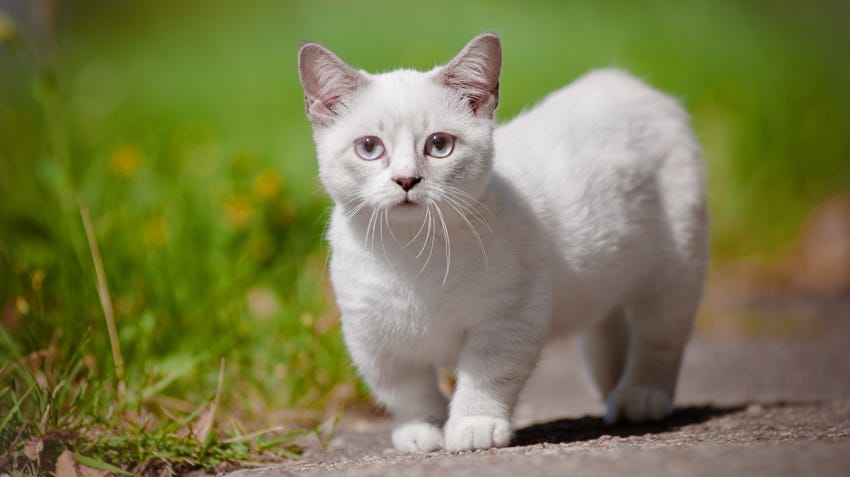
Have you ever wondered if short leg cats face special health challenges? If you’re thinking about bringing one into your home or already have one cuddling with you, it’s important to know what to expect.
These adorable pets may look extra cute with their short legs, but does that come with hidden health risks? Keep reading to discover the truth behind their health and how you can keep your furry friend happy and strong for years to come.
Your cat’s well-being depends on it!

Credit: www.fidobiotics.com
Short Leg Cats Explained
Short leg cats capture attention with their unique and adorable stature. Their legs are noticeably shorter than those of typical cats, giving them a distinct look. But what exactly causes these short legs, and does it affect their health? Understanding the basics helps you care for these special felines better.
Breed Examples
Several cat breeds are known for their short legs. The Munchkincat is the most famous, often called the “dachshund of the cat world.” Their legs are naturally short due to a genetic mutation but they remain active and playful.
Other breeds include the Scottish Fold, which sometimes has shorter legs combined with folded ears, and the Napoleon, a cross between the Munchkin and Persian breeds. Each breed has a slightly different build, but the short legs are a common trait.
Genetic Traits
Short legs in cats mainly result from a genetic mutation affecting bone growth. This mutation is usually a form of dwarfism called achondroplasia. It changes how the long bones in the legs develop, leading to the shortened limbs you see.
Because this is a genetic trait, it’s important to understand how it impacts the cat’s overall health. Not all cats with short legs experience problems, but some may have joint issues or mobility challenges. Knowing this can help you spot early signs of discomfort and seek veterinary care quickly.
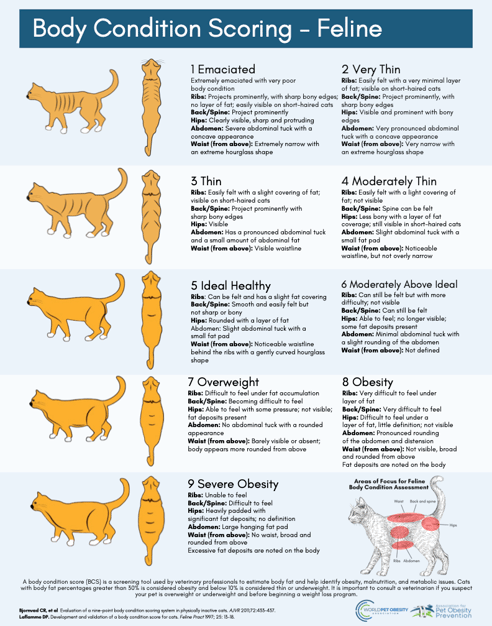
Credit: www.preventivevet.com
Common Health Concerns
Short leg cats often capture our hearts with their unique appearance, but their physique can come with specific health concerns. Understanding these common issues helps you provide better care and improve your pet’s quality of life. Let’s look at some health challenges these cats might face.
Joint Problems
Short legs can place extra stress on a cat’s joints, especially in the hips and knees. Over time, this can lead to conditions like arthritis or joint inflammation. You might notice your cat hesitating to jump or seeming stiff after resting.
Regular vet check-ups can catch joint issues early. Simple measures like providing soft bedding and avoiding high jumps can reduce strain. Have you observed any changes in your cat’s movement or playfulness?
Spinal Issues
The spine of a short leg cat may be more prone to abnormalities due to their body structure. This can result in discomfort or neurological problems if not addressed. Watch for signs like difficulty walking or changes in tail movement.
Keeping your cat at a healthy weight helps reduce spinal stress. Gentle play and avoiding rough handling support spinal health. If your cat shows unusual posture or balance issues, consulting a vet is crucial.
Mobility Challenges
Short legs can limit a cat’s natural agility, making climbing and jumping harder. This might frustrate your cat or cause it to avoid certain activities. You can help by providing ramps or low platforms to access favorite spots.
Encouraging gentle exercise maintains muscle strength and flexibility. Pay attention to your cat’s willingness to move and adapt your home to suit their needs. What creative ways can you find to keep your short leg cat active and happy?
Impact Of Short Legs On Lifestyle
Short-legged cats may face joint and mobility challenges affecting their daily activities. These health issues can influence their play and comfort levels. Regular vet check-ups help manage potential problems early.
Cats with short legs, like those adorable munchkins, often capture our hearts with their unique appearance. But have you ever wondered how their short stature impacts their day-to-day life? Let’s dive into how these pint-sized felines navigate their world.Activity Levels
Short-legged cats might not leap as high as their longer-legged counterparts, but they still have plenty of energy. They often enjoy activities closer to the ground, like chasing toys or playing hide and seek. Their energy is infectious, and you’ll find them racing around the house with surprising speed. It’s important to provide them with engaging activities that cater to their unique build. Consider interactive toys that keep them entertained without needing to jump too high.Adaptations At Home
Making your home accessible for your short-legged friend can greatly enhance their comfort. Simple changes, like placing steps or ramps near furniture, can make a huge difference. This way, they can easily climb onto a couch or bed without straining themselves. Think about the placement of their food and water dishes too. Keeping them at ground level ensures they have easy access without unnecessary stretching. Have you tried creating cozy spots on lower shelves or by windows? Cats love to perch and observe, and these changes can offer them a perfect vantage point. Your efforts to adapt your home can lead to a happier, healthier life for your short-legged cat. What modifications will you make to ensure they’re living their best life?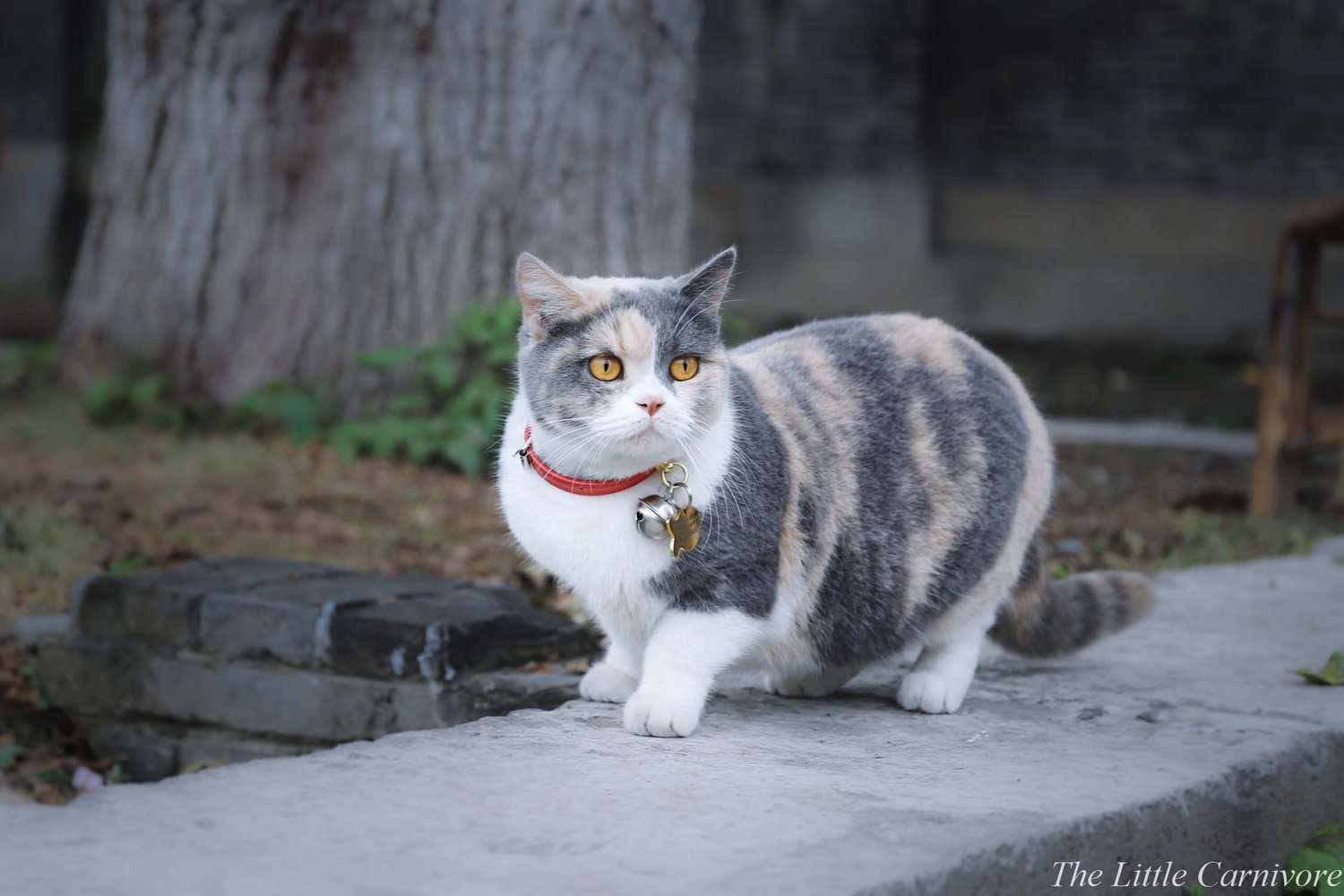
Credit: thelittlecarnivore.com
Preventive Care Tips
Short leg cats need special care to stay healthy and happy. Their unique body shape can cause some health concerns. Taking preventive steps helps avoid problems early. Careful attention to vet visits, exercise, and diet supports their well-being. Simple routines make a big difference in their quality of life.
Regular Vet Visits
Frequent check-ups catch health issues early. Vets can spot joint or bone problems common in short leg cats. Vaccinations keep infections away. Dental care checks prevent oral diseases. Discuss any unusual behavior or movement with the vet. Early treatment leads to better outcomes.
Exercise Recommendations
Short leg cats need gentle exercise to stay fit. Avoid high jumps or rough play to protect their joints. Encourage walking with toys or short play sessions. Use climbing structures with low steps. Regular movement maintains muscle strength and prevents stiffness. Exercise also keeps cats mentally active.
Diet And Nutrition
Balanced nutrition supports short leg cats’ bones and muscles. Provide food rich in protein and essential nutrients. Control portion sizes to prevent obesity, which strains joints. Include supplements like omega-3 fatty acids if advised by a vet. Fresh water should always be available. Proper diet boosts energy and overall health.
When To Seek Veterinary Help
Knowing when to seek veterinary help for your short leg cat can make a huge difference in their quality of life. These cats often have unique physical traits that might mask underlying health problems if you’re not alert. Paying close attention to changes in behavior or physical condition can help you act before minor issues turn serious.
Warning Signs
Watch for any sudden changes in your cat’s movement or posture. Limping, stiffness, or reluctance to jump could indicate joint pain or injury. If your cat seems less playful or hides more than usual, it might be a sign of discomfort or illness.
Other signs include:
- Swelling or deformity in the legs
- Difficulty climbing stairs or accessing favorite spots
- Changes in appetite or grooming habits
- Persistent licking or biting at a specific area
Have you noticed your cat struggling with simple movements? Don’t ignore these signals—they often point to problems that require professional attention.
Emergency Situations
Some health issues need immediate veterinary care. If your cat suddenly collapses, cannot stand, or is in visible pain, get help right away. Injuries from falls or accidents are common in short leg cats due to their altered body structure.
Other emergencies include:
- Severe bleeding or open wounds
- Difficulty breathing or choking
- Seizures or loss of consciousness
- Signs of poisoning or ingesting harmful substances
Act quickly in emergencies to prevent lasting damage. Your prompt response could save your cat’s life.
Myths Vs Facts
There’s a lot of buzz around short leg cats and their health. Many believe these cats face unique medical challenges just because of their stature. Separating myths from facts can help you understand your furry friend better and care for them more effectively.
Common Misconceptions
Some people think short leg cats are prone to joint problems or arthritis due to their unusual limb length. Others worry these cats might struggle with mobility or have shorter lifespans. These ideas often come from misunderstandings or overgeneralizations about breed traits.
Have you ever heard someone say a short leg cat will inevitably suffer from spinal issues? That’s a myth. Not every cat with short legs experiences these problems, and many live active, pain-free lives.
Scientific Findings
Studies on breeds like the Munchkin cat show that short legs alone don’t guarantee health issues. Researchers found no significant increase in bone or joint diseases compared to cats with normal leg length. These cats adapt well to their body shape.
However, it’s important to note that responsible breeding is key. Poor breeding practices can lead to health problems, but this is true for any breed, not just short legged cats. If you’re considering adopting one, ask about the cat’s health history and vet checks.
- Short legs don’t automatically cause arthritis or mobility issues.
- Proper care and diet help maintain your cat’s joint health.
- Regular vet visits catch any potential issues early.
So, what myths have you heard about short leg cats? Do you think their unique look means extra health risks? It’s worth looking deeper before jumping to conclusions about your cat’s wellbeing.
Frequently Asked Questions
Do Short Leg Cats Face Specific Health Problems?
Short leg cats can have joint issues due to their limb length. They may develop arthritis or mobility problems more often than regular cats. Regular vet check-ups help detect and manage these issues early for a better quality of life.
Are Short Leg Cats Prone To Genetic Disorders?
Yes, short leg cats may carry genetic mutations causing limb shortening. Some mutations can lead to other health concerns. Responsible breeding practices reduce the risk of genetic disorders in these cats.
How Can I Prevent Health Issues In Short Leg Cats?
Provide a balanced diet and regular exercise to maintain joint health. Schedule routine veterinary visits for early detection of problems. Avoid obesity, which worsens joint stress in short leg cats.
Do Short Leg Cats Require Special Care Or Diet?
While no special diet is mandatory, weight control is crucial. Joint supplements like glucosamine may benefit mobility. Always consult your vet for tailored care recommendations for your short leg cat.
Conclusion
Short leg cats can have some health concerns, but many live well. Their unique body shape may cause joint or spine issues. Regular vet visits help catch problems early. Good care and a healthy diet support their well-being. Understanding their needs keeps them happy and active.
Loving attention makes all the difference. Choosing a responsible breeder reduces risks. Enjoy the charm and joy of short leg cats safely. They make great pets with proper care and love.



Leave a Reply