
Wondering how much canned food to give your adult cat? Feeding your feline the right amount is key to keeping them healthy and happy.
Too much or too little can lead to weight problems and other health issues. You’ll discover simple tips to figure out the perfect portion size for your cat’s canned meals. Keep reading to learn how to make sure your furry friend gets just the right amount every time.
Daily Food Requirements
Understanding your adult cat’s daily food requirements is key to keeping them healthy and happy. Feeding the right amount of canned food depends on several factors, including their weight, activity level, age, and health status. Let’s break down how to tailor your cat’s meals to fit their unique needs, ensuring they get enough nutrition without overeating.
Calorie Needs By Weight
The amount of canned food your cat needs mainly depends on their weight. On average, an adult cat requires about 20 calories per pound of body weight daily. For example, a 10-pound cat will need roughly 200 calories each day.
Since canned cat food typically contains about 70-100 calories per 3-ounce can, you can calculate the daily portion by dividing your cat’s calorie needs by the calories per can. If your cat weighs 10 pounds and eats a 90-calorie can, they would need about two and a quarter cans daily.
Activity Level Impact
Your cat’s activity level significantly affects their calorie needs. A highly active cat burns more energy and may require up to 25 calories per pound, while a less active or indoor cat might need closer to 15-18 calories per pound.
Think about your cat’s daily routine: do they spend hours playing and running, or do they lounge most of the day? Adjust their food portions accordingly to avoid weight gain or nutrient deficiencies.
Age And Health Considerations
Age and health issues also influence feeding amounts. Older cats often have slower metabolisms and may need fewer calories to maintain a healthy weight. Cats with medical conditions like kidney disease or diabetes require special dietary adjustments based on veterinary advice.
If your senior cat seems less interested in food, smaller, more frequent meals might help. Always check with your vet before changing your cat’s diet, especially if they have health concerns.
Choosing The Right Canned Food
Choosing the right canned food for your adult cat is more than just picking a tasty flavor. It’s about ensuring your feline friend gets the right mix of nutrients to stay healthy and happy. The right choice impacts their energy, coat condition, and overall well-being.
Protein And Nutrient Content
Cats need high protein levels in their diet because they are natural carnivores. Look for canned foods with a clear source of animal protein listed first, like chicken, turkey, or fish. Avoid foods that rely heavily on fillers such as corn or wheat.
Besides protein, check for essential nutrients like taurine, vitamins, and minerals. Taurine is crucial for heart health and vision, and it’s only found in animal-based ingredients. Does the label mention these? If not, it might not meet your cat’s needs.
Wet Vs. Dry Food Balance
Feeding canned food is a great way to increase your cat’s water intake. Cats often don’t drink enough water on their own, so wet food helps prevent urinary tract issues. But should you feed only wet food or mix it with dry?
A balanced approach usually works best. Feeding mostly canned food with some dry kibble can help keep teeth clean while ensuring hydration. Think about your cat’s preferences and any health concerns when deciding the mix.
Reading Food Labels
Labels can be confusing, but they hold the key to understanding what’s inside the can. Ingredients are listed in order of weight, so the first few ingredients matter most. Look beyond marketing claims like “gourmet” or “natural” to the actual content.
- Check for specific meat sources, not vague terms like “meat by-products.”
- Look for guaranteed analysis showing minimum protein and fat percentages.
- Avoid products with artificial colors, flavors, or preservatives.
Next time you shop, spend a moment reading the label carefully. Could your cat’s current food be missing something vital?
Portion Sizes For Canned Food
Feeding your cat the right amount of canned food is essential. It keeps them healthy and satisfied. Understanding portion sizes is crucial. Let’s explore how to determine the ideal serving for your feline friend.
Standard Serving Sizes
Most canned cat foods provide a recommended serving size. This is usually based on the cat’s weight. Typically, a 10-pound adult cat needs about one can per day. Divide this into two meals for balance. Remember, this is a general guideline. Each cat’s needs may vary.
Adjusting Portions Based On Cat’s Response
Observe your cat’s behavior after meals. Are they still hungry or leaving food? Adjust the portion accordingly. If they seem hungry, add a bit more next meal. If they leave food, reduce the portion slightly. Monitor their weight. Adjust portions to maintain a healthy weight.
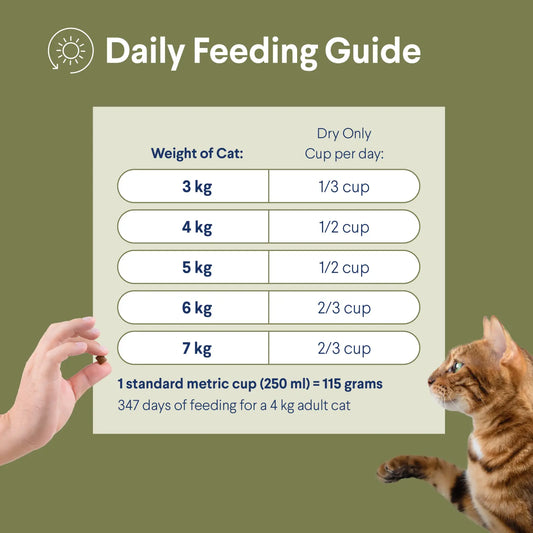
Using Feeding Guidelines On Packaging
Check the packaging of the canned food. Manufacturers provide feeding guidelines. These are based on calorie content and cat’s weight. Follow these guidelines for an accurate portion size. Make adjustments based on your cat’s activity level and health. Always consult your vet if unsure.
Credit: petfood.advancepet.com.au
Feeding Frequency And Schedule
Feeding frequency and schedule play a key role in your adult cat’s health and happiness. Cats thrive on routine. A consistent meal schedule helps regulate their digestion and energy levels. It also reduces begging and overeating. Understanding when and how often to feed canned food ensures your cat gets the right nutrition throughout the day.
Meal Timing Options
Choose a feeding schedule that fits your lifestyle and your cat’s needs. Most adult cats do well with two meals per day—morning and evening. Some cats prefer three smaller meals spread out over the day. Free-feeding canned food is not recommended because it can spoil quickly. Set specific meal times to keep your cat’s appetite steady.
Benefits Of Multiple Small Meals
Feeding smaller meals several times daily mimics a cat’s natural hunting behavior. It helps keep blood sugar levels balanced. Multiple meals can prevent hunger-induced stress and reduce food guarding. Cats with sensitive stomachs or weight concerns often benefit from this approach. It also allows better portion control and reduces food waste.
Monitoring Intake Consistency
Watch how much your cat eats at each meal. Consistent intake shows they feel well and enjoy their food. Sudden changes may signal health issues or dislike of the food. Use a measuring cup to portion canned food accurately. Keep a feeding log to track patterns. This helps you adjust portions and timing as needed.
Signs Of Overfeeding And Underfeeding
Knowing the signs of overfeeding and underfeeding your adult cat is crucial to maintaining their health. Feeding too much or too little canned food can lead to serious issues that affect their well-being and happiness. Paying attention to clear signals from your cat helps you adjust portions effectively and avoid long-term problems.
Weight Changes To Watch
Rapid weight gain often points to overfeeding. If your cat’s waistline starts to disappear and you notice less agility during playtime, it’s time to reconsider their food amount.
On the flip side, sudden weight loss can be a sign of underfeeding or illness. If your cat seems thinner, with prominent ribs or spine, don’t ignore it—check their feeding schedule and consult your vet.
Behavioral Indicators
Overfed cats might become lazy or disinterested in activities they once loved. You may see them napping more and showing less curiosity around mealtimes.
Underfed cats often act restless or vocalize more to demand food. They may follow you around or paw at their dish, signaling hunger that isn’t being satisfied.
Health Risks Associated
- Overfeeding:Can lead to obesity, diabetes, and joint problems.
- Underfeeding:May cause malnutrition, weak immune system, and organ damage.
Have you noticed your cat’s energy levels shifting? Adjusting their canned food portions based on these signs can prevent serious health issues before they start.
Credit: www.purina.com
Tips For Transitioning To Canned Food
Switching your adult cat to canned food can improve their diet and hydration. The change should be gentle to avoid stomach upset. Patience is key during this process. A smooth transition helps your cat accept the new food without stress. Use these tips to make the switch easy and effective.
Gradual Introduction Strategies
Start by offering small amounts of canned food alongside their current meals. Increase the canned portion slowly over 7 to 10 days. Watch for any digestive issues like vomiting or diarrhea. If problems occur, slow down the transition pace. Keep meals consistent in timing to create a routine. Gradual change helps cats adjust their taste and digestion.
Mixing With Dry Food
Mix canned food with dry food in the same bowl. Begin with 25% canned and 75% dry food. Gradually change to 50/50 and then mostly canned food. Mixing flavors and textures can make the new food more appealing. Some cats prefer warm food, so slightly warming canned food can help. Stir well to combine and maintain freshness.
Encouraging Picky Eaters
Try different canned food flavors to find your cat’s favorite. Offer canned food at separate times from dry food. Use a clean bowl to make the meal more inviting. Add small amounts of tuna juice or low-sodium broth to boost smell. Praise and pet your cat when they try the canned food. Patience and positive reinforcement encourage acceptance.
Credit: companion-vets.com
Frequently Asked Questions
How Much Canned Food Should An Adult Cat Eat Daily?
An adult cat typically needs about 3 to 4 ounces of canned food per meal. Feeding two meals daily is common. Adjust portions based on your cat’s weight, activity level, and health for optimal nutrition.
Can I Feed Only Canned Food To My Adult Cat?
Yes, canned food can be a complete diet if it’s high-quality and balanced. Ensure it meets AAFCO standards and consult your vet for specific needs.
How Do I Transition My Cat To Canned Food?
Gradually mix canned food with dry food over 7-10 days. Increase canned food portion while decreasing dry food. This helps prevent digestive upset and encourages acceptance.
Does Canned Food Help With Adult Cat Hydration?
Yes, canned food contains 75-80% moisture, aiding hydration. It’s especially beneficial for cats that drink little water. Proper hydration supports kidney and urinary tract health.
Conclusion
Feeding your adult cat the right amount of canned food keeps them healthy. Watch their weight and energy to adjust portions. Each cat’s needs can differ based on size and activity. Feed small meals throughout the day for better digestion.
Always provide fresh water alongside their meals. Consult your vet if unsure about feeding amounts. Balanced feeding helps your cat stay happy and strong. Simple care makes a big difference in their life. Trust your instincts and observe your cat closely.



Leave a Reply